
Film
Lust of the Vampire
A 1957 Italian horror-sci-fi hybrid about a mad scientist keeping an ancient duchess alive through transfusions. It's deeply strange—part gothic melodrama, part pulp thriller, all fever dream. For fans of European B-movies who like their horror atmospheric, campy and genuinely unsettling in equal measure.
If you liked this
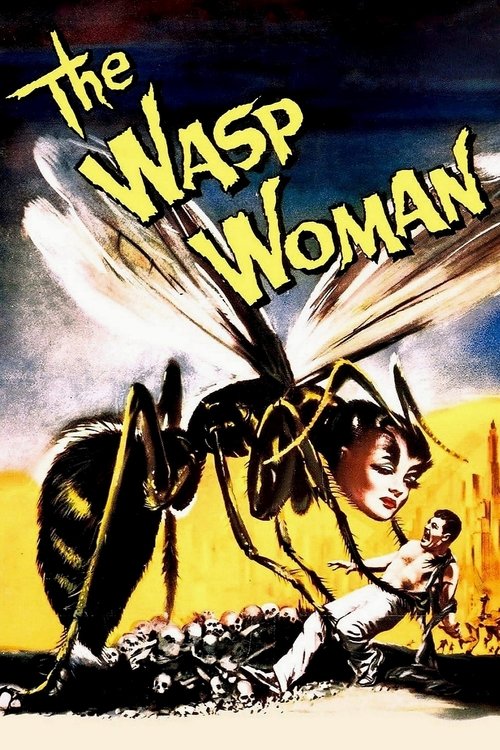
The Wasp Woman1959
A scientist's rejuvenation serum transforms its recipient into something monstrous. Same pulp-horror energy, same blend of pseudoscience and genuine dread, same willingness to embrace the ridiculous.
But The pacing is slack and the acting ranges from committed to somnambulant. It requires patience and a tolerance for 1950s B-movie rhythms.
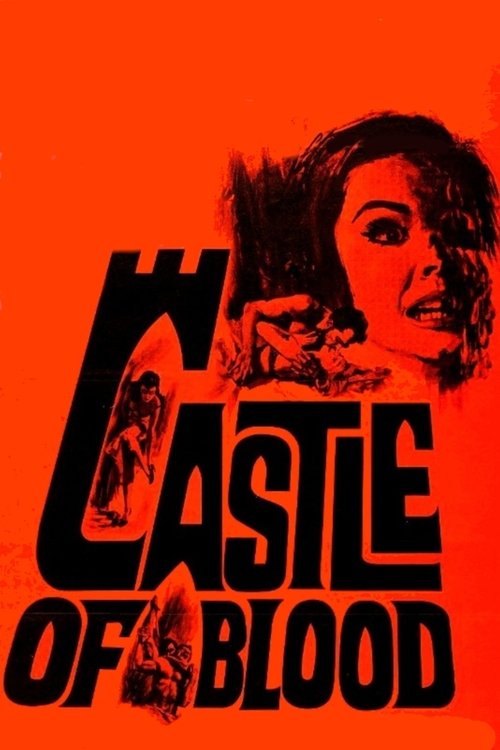
Castle of Blood1964
Barbara Steele haunts a gothic mansion in this Italian gothic-horror masterpiece. Same era, same visual style, same atmosphere—but with more budget and considerably more craft. A window into what Lust of the Vampire was reaching for.
But Even this is slow by modern standards, and the dialogue is dubbed—you'll need to lean into the artificiality of it.
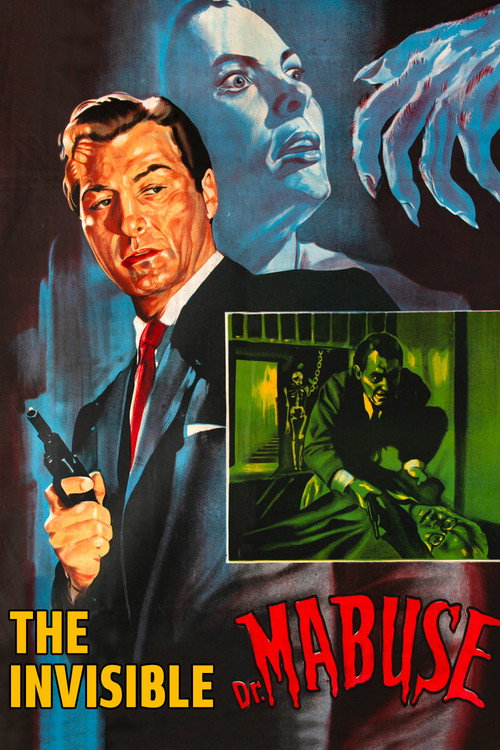
The Invisible Dr. Mabuse1962
A scientist's secret research threatens the world in this Germanic sci-fi thriller. Same blend of mad-scientist plotting and European B-movie sensibility. Feels like it exists in the same universe.
But It's convoluted, the dubbing is heavy, and it takes itself very seriously in ways that undercut the camp appeal.
Not sure tonight? Get a pick in a minute, starting from Lust of the Vampire
The wildcard
Something you would not have found on your own.
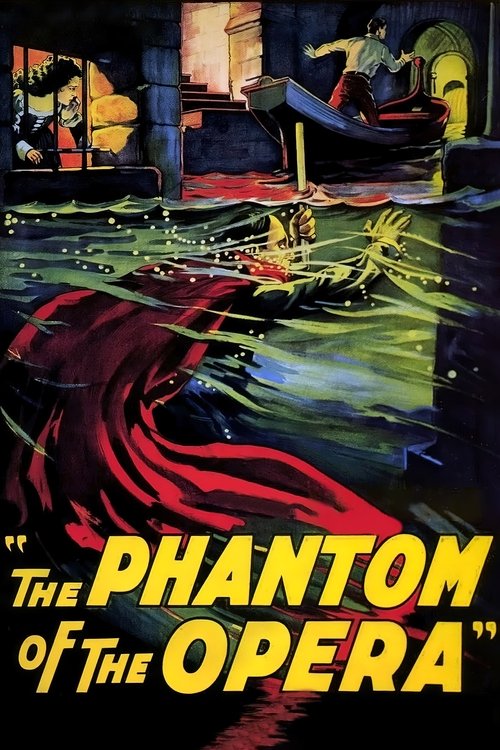
The Phantom of the Opera1925
Both films are built on the same foundational myth: a powerful man pursuing resurrection or preservation of a woman who should remain dead. Lust of the Vampire is Phantom refracted through 1950s sci-fi paranoia.
Lon Chaney in the silent original. Here's where the obsession-with-an-undead-or-cursed-woman archetype actually begins. No sound, no color, but pure visual storytelling—utterly hypnotic.
But Silent film requires active engagement; there's no dialogue to explain what's happening. If you've never watched silents seriously, it's a steep entry point.
More like this (8)
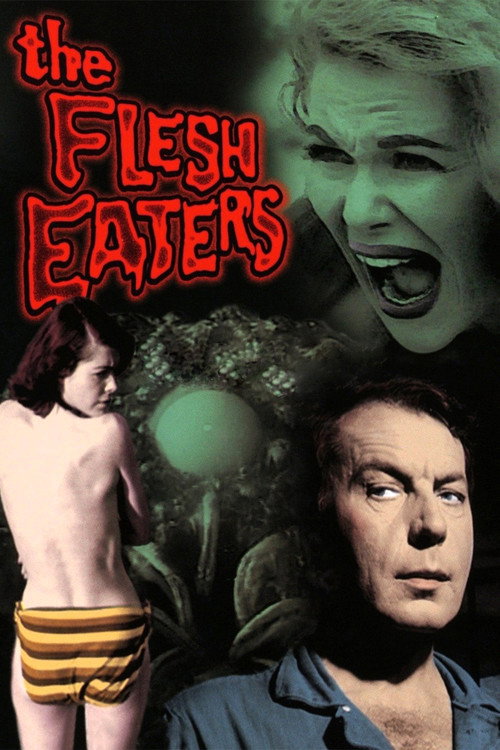
The Flesh Eaters1964
Atomic-age body horror masquerading as a creature feature. It captures that same off-kilter tone where exploitation and genuine weirdness coexist. American, but working in the same register.
But The special effects are primitive even for 1964. If you need convincing practical effects, you'll be frustrated.
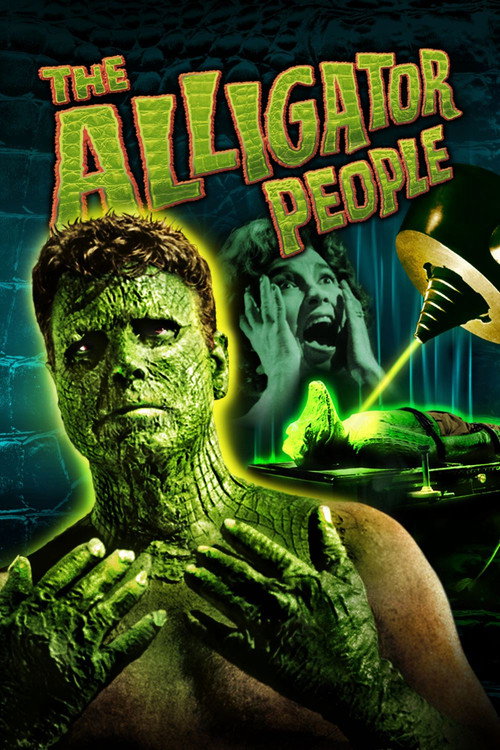
The Alligator People1959
A doctor's experimental surgery transforms his wife into something inhuman. Pure pulp sci-fi horror—another mad-scientist nightmare from the same five-year period, same sensibility.
But The monster isn't shown much until the end. Expect long stretches of (cheap) mystery-building before payoff.
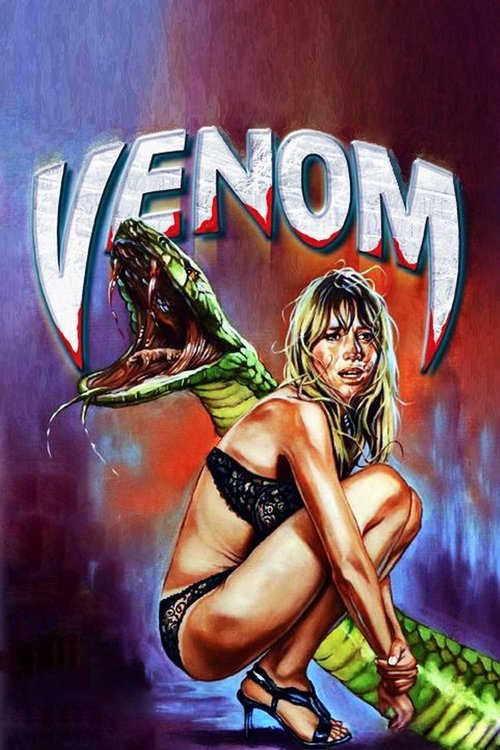
Venom1981
Klaus Kinski as a mad scientist whose experiments spiral into horror. A later update of the mad-scientist archetype, but with more venom in its bite—nastier, more cynical, completely committed to its own weirdness.
But It's grotesque and deliberately ugly in a way that pushes beyond entertainment into provocation. Not everyone wants that from their B-movie.
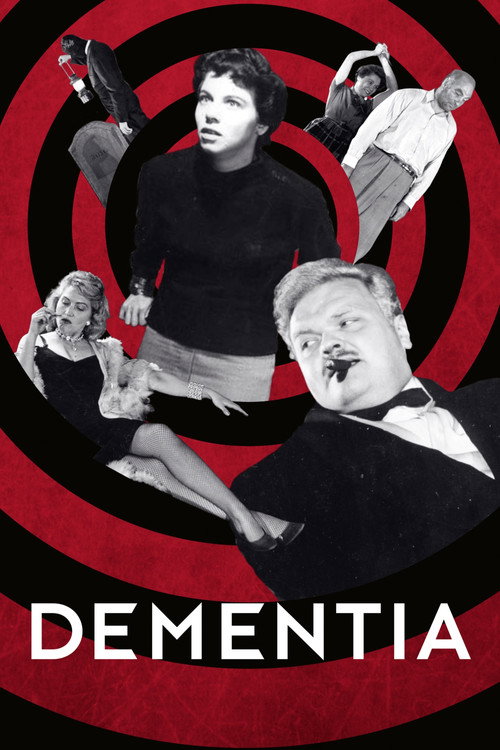
Dementia1955
A surreal, dreamlike nightmare of a film about madness and memory. No dialogue, avant-garde sensibility, genuinely disturbing. Shares Lust of the Vampire's interest in warped psychology and visual strangeness.
But It's experimental and oblique—there's no plot to follow, just atmosphere and image. That's the whole point, and it won't work for everyone.
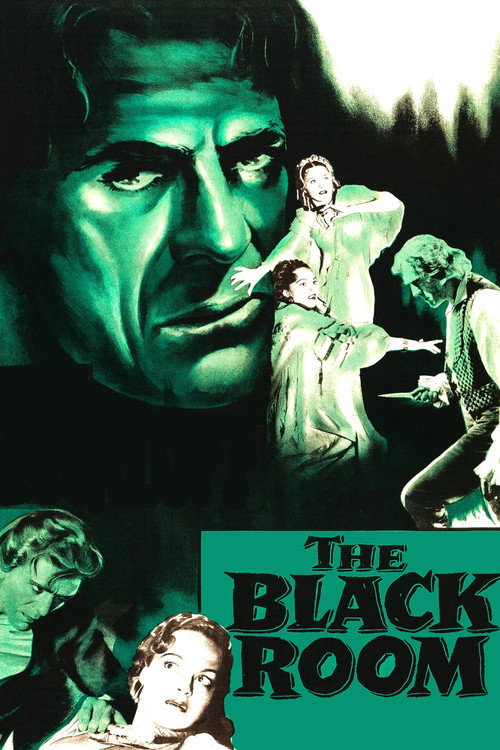
The Black Room1935
Early Hollywood gothic with Boris Karloff playing twins—one good, one evil. A precursor to everything Lust of the Vampire is doing. Shows where the template came from and how it evolved.
But It's old enough that it feels genuinely creaky. The pacing is glacial by any modern standard.
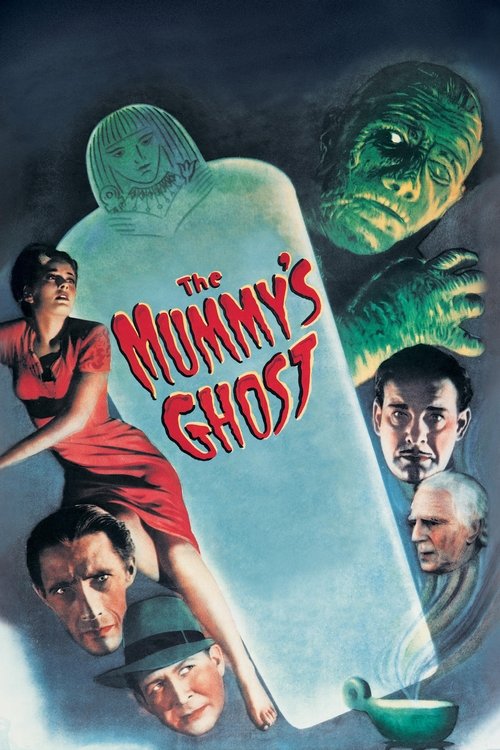
The Mummy's Ghost1944
A Universal monster picture about resurrection and obsession. Leaner than Lust of the Vampire, more polished, but engaged with the same essential mythology—the undead kept animate by will and science.
But It's so well-made it almost feels like a different genre. If you specifically want oddness and camp, this is too professional.
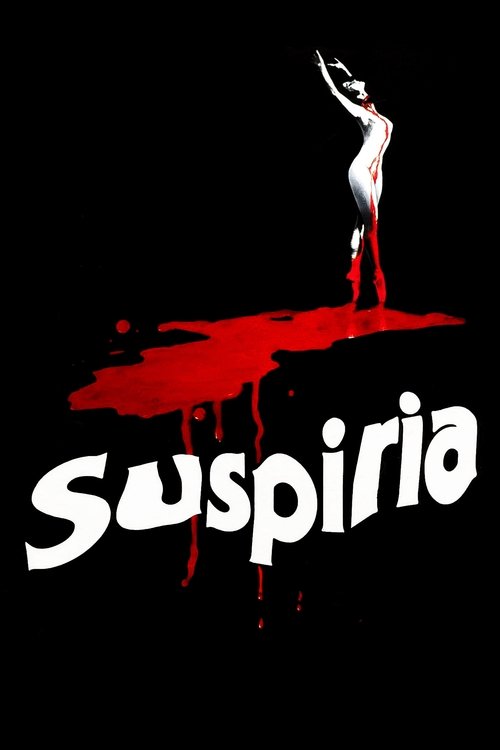
Suspiria1977
Both are Italian exploitation-horror films built on atmosphere over logic, but Suspiria shows what the form becomes when craft enters. You watch it to understand what Lust of the Vampire was trying to do.
Dario Argento's masterpiece about evil women in an old school. Italian, gorgeously shot, deliberately artificial, genuinely nightmarish. It's what European horror could become when someone had real resources and vision.
But The plot is secondary to the mood and image. It's also brutal and grotesque in ways that go beyond camp—not fun, exactly. More like a beautiful fever dream of violence.
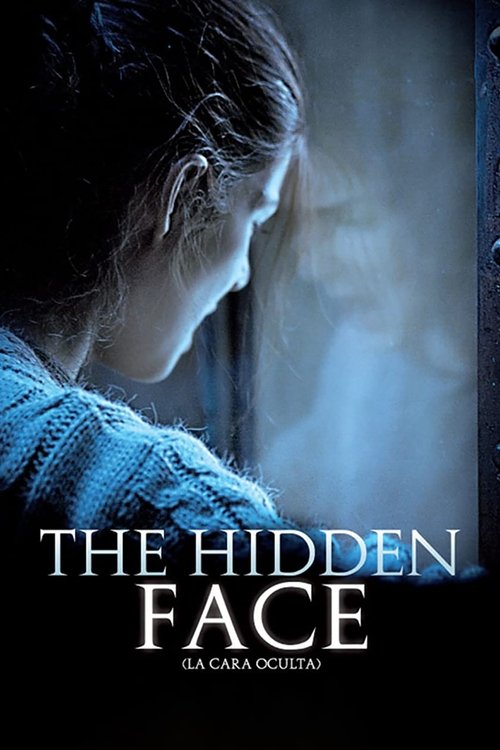
The Hidden Face2011
Both explore the same emotional core: a man's willingness to destroy everything, including his humanity, to preserve or resurrect a woman. Lust of the Vampire treats it as sci-fi horror; The Hidden Face treats it as romantic tragedy. Same machinery, different genre.
An Argentinian gothic melodrama about desire, death and manipulation. Lush, mournful, genuinely strange. The closest match for tone and mood—how a woman can haunt a man even (or especially) after death.
But It's slow, emotionally heavy, and deeply committed to its own seriousness. There's no camp here—just genuine sadness and the weight of obsession.
People
Cast
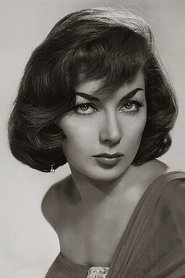 Gianna Maria CanaleGiselle du Grand / Margherita du Grand
- Carlo D'AngeloL'ispettore Chantal
 Dario MichaelisPierre Lantin
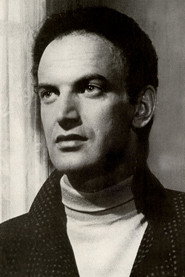 Paul MüllerJoseph Signoret
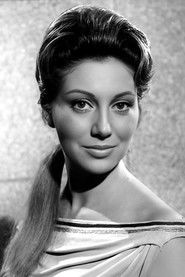 Wandisa GuidaLaurette Robert
- Angelo GalassiRonald Fontaine
 Renato TontiniL'assistente del professore Grand
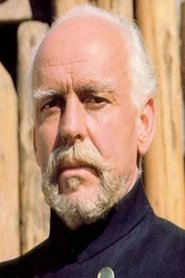 Charles FawcettSignor Robert
- Gisella MancinottiAmica di Laurette
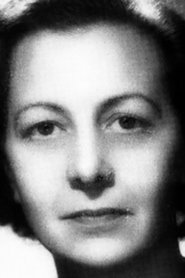 Miranda CampaSignora Robert
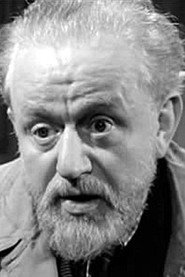 Antoine BalpêtréProfessor Julien du Grand
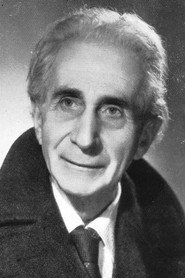 Armando AnnualeUn uomo anziano al funerale (uncredited)
Directing
- Riccardo FredaDirector
- Piero RegnoliFirst Assistant Director
Writing
- Mario BavaScreenplay
- Piero RegnoliScreenplay
- Riccardo FredaScreenplay
- Mario BavaStory
- Piero RegnoliStory
Production
- Ermanno DonatiProducer
- Luigi CarpentieriProducer
- Claudio AgostinelliProduction Assistant
- Piero DonatiProduction Manager