
Film
The Invisible Dr. Mabuse
A 1962 German crime thriller where an FBI agent investigates murders connected to a mysterious revue theatre, only to discover the criminal mastermind Dr. Mabuse may have returned from the dead. Campy, theatrical, and architecturally bizarre—a film that treats pulp material with complete seriousness, creating something genuinely unsettling beneath its dated surface.
Should you watch it?
Watch it if you love pulp serials where a mastermind pulls strings from the shadows and the gadgetry is gleefully silly, the kind of 1960s crime yarn that trades logic for atmosphere and a grin.
Skip it if you need tight plotting or a consistent explanation, since the story leans on coincidence and an overstuffed scheme that its 88 minutes barely hold together.
What it asks of you: Brisk and loose-limbed, it runs under ninety minutes and wants you to take mood over clarity, with its plot jumping ahead rather than pausing for reflection.
Not sure? Find tonight's pick in a minute.
If you liked this
M1931
Fritz Lang's original masterpiece about a city hunted by a serial killer, with the same moral weight and visual sophistication that drives Mabuse. Essential viewing for understanding European crime cinema.
But Black and white, German language, and paced as a procedural rather than a thriller—it demands patience and won't rush you.

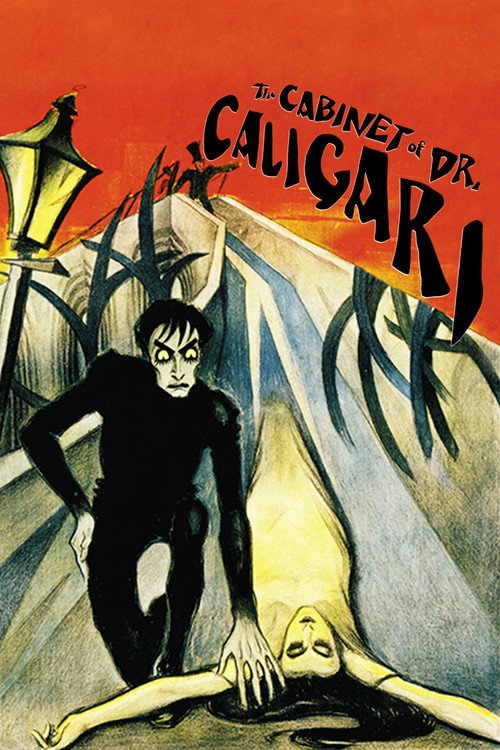
The Cabinet of Dr. Caligari1920
Expressionist nightmare with that same warped architectural menace and unreliable reality. If Mabuse's visual strangeness appeals to you, this is where it comes from.
But Genuinely difficult to parse on first viewing; the plot is secondary to the fever-dream atmosphere, which some find tedious.
Rififi1955
French crime thriller with the same European sophistication and intricate plotting. A heist film of extraordinary elegance and moral clarity about professional criminals.
But The famous silent heist sequence, while brilliant, takes up nearly 30 minutes and moves deliberately—impatient viewers may zone out.

Not sure tonight? Get a pick in a minute, starting from The Invisible Dr. Mabuse
The wildcard
Something you would not have found on your own.
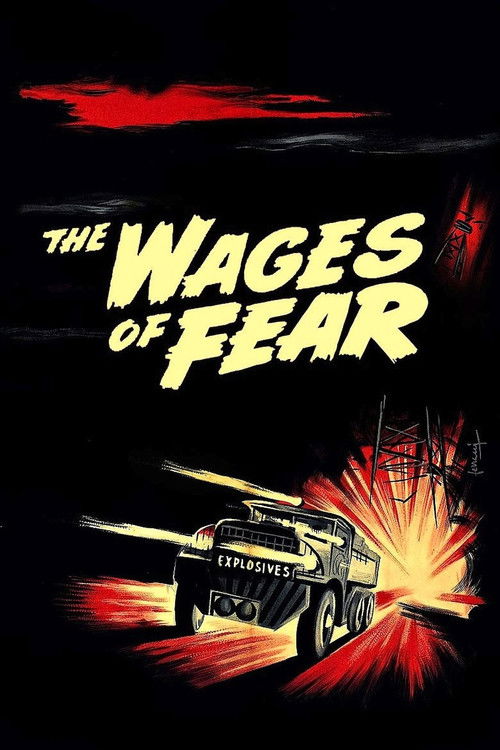
The Wages of Fear1953
Both films understand that the real horror isn't the mastermind, but the apparatus—the machinery that lets them operate. The villain is almost incidental.
French-Italian co-production where ordinary men become chess pieces in a game orchestrated by larger forces. Like Mabuse, it's about how power operates invisibly through systems and institutions rather than through villainous confrontation.
But Ninety-three minutes of men driving trucks loaded with explosives on bad roads. The drama is entirely internal and political—there's no action, only dread.
More like this (8)
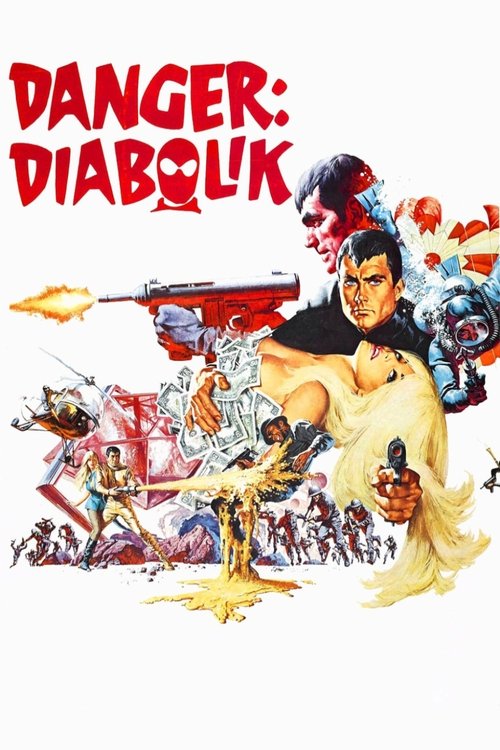
Danger: Diabolik1968
Italian pulp about a masked criminal mastermind, with psychedelic colour and camp energy. Treats its absurd premise with complete sincerity, much like Mabuse does.
But The plot is almost irrelevant; if you need narrative logic over style and audacity, you'll be frustrated by how little sense it makes.
The Third Man1949
Post-war Vienna, espionage, a criminal genius everyone believes is dead—then he reappears. Graham Greene and Carol Reed created the template for sophisticated European thrillers.
But Zither score is irritating to modern ears, and the final act shifts focus away from the central mystery in ways that feel unsatisfying.

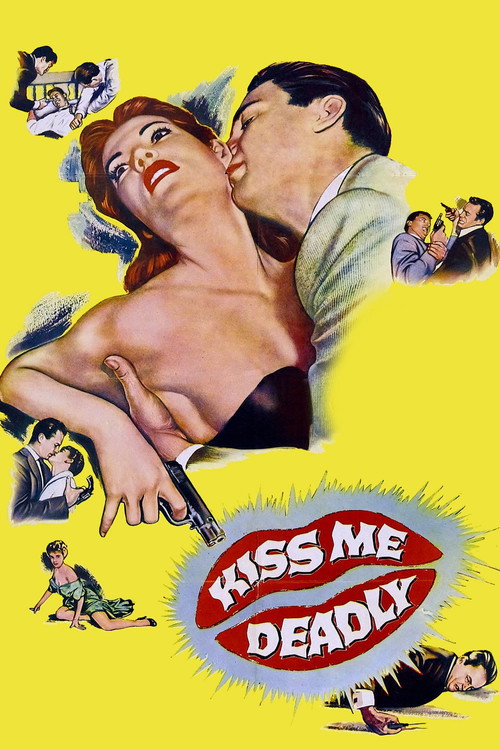
Kiss Me Deadly1955
American noir that spirals into atomic-age sci-fi paranoia and moral corruption. Has that same sense of institutional rot and incomprehensible danger lurking beneath everyday surfaces.
But Violently misogynist even by noir standards, and the atomic climax feels dated rather than thrilling now.
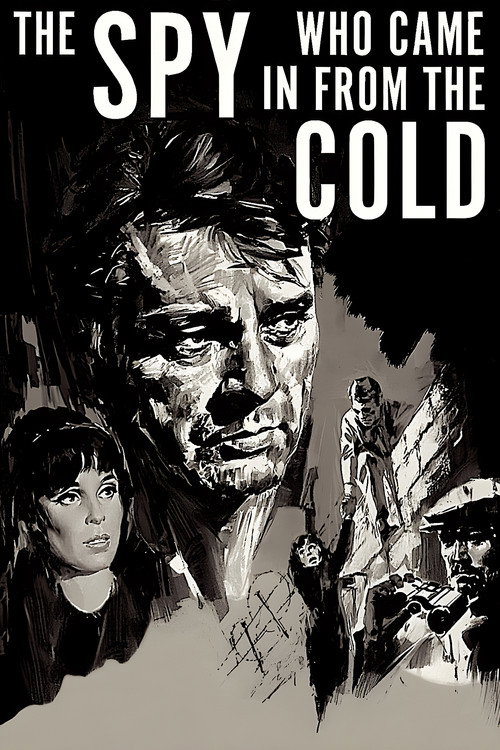
The Spy Who Came In from the Cold1965
Le Carré's bleak espionage procedural adapted with rigorous authenticity. Shows what European thriller cinema could do with real tradecraft and moral ambiguity.
But Punishingly grey and slow; there's no pleasure in watching it, which is partly the point but wears thin quickly.
Nosferatu1922
German expressionist horror that shares Mabuse's visual language and sense of an unstoppable, almost supernatural evil moving through ordinary cities. Foundational cinema.
But Silent, 100 years old, and relies entirely on atmosphere; if you need plot momentum or dialogue, it's a difficult watch.

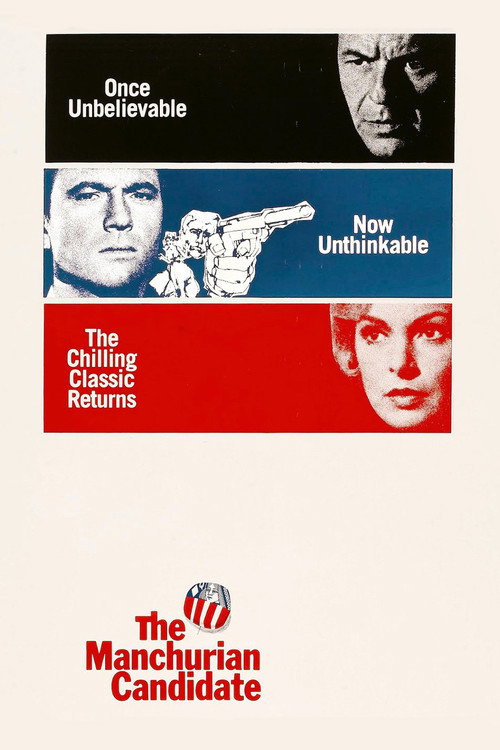
The Manchurian Candidate1962
Released the same year as Mabuse, this American political thriller has similar paranoia about invisible control and criminal genius operating through everyday institutions.
But Dated in its sexual politics and its assumptions about what constitutes threat; the Cold War specificity makes it feel quaint.
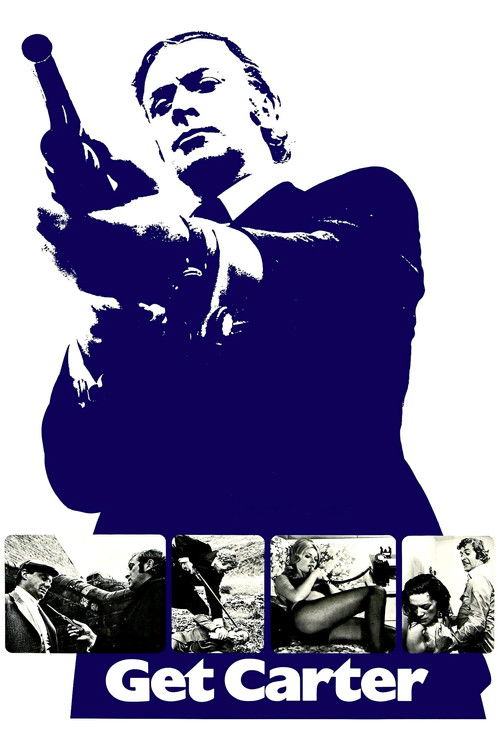
Get Carter1971
Like Mabuse, it treats criminal enterprise as bureaucracy: impersonal, efficient, impossible to fight because there's no single villain to defeat.
Michael Caine as a criminal enforcer returning to his grey industrial hometown. British noir that captures the same atmosphere of institutional corruption and men trapped in systems designed by others.
But Gratuitously violent, particularly toward women. Bleak without offering catharsis, and the ending resolves nothing—just more of the same cruelty.
Suspiria1977
Both place evil at the heart of performance and spectacle. Both use architecture and design as narrative—the space itself is the antagonist, not the person inhabiting it.
Italian horror where a young dancer arrives at a prestigious ballet school that conceals something ancient and malevolent. Giallo cinema at its most visually extreme, with that same theatrical artificiality as Mabuse's revue setting.
But The plot barely exists; it's a showcase for colour, sound design, and atmosphere. If you need coherent narrative, you'll be exasperated.

People
Cast
 Lex BarkerFBI Agent Joe Como
 Karin DorLiane Martin
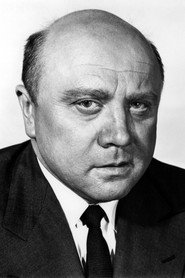 Werner PetersMartin Droste, aka Bobo the Clown
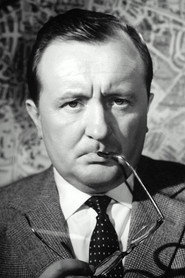 Siegfried LowitzPolice Commissioner Brahm
 Walo LüöndDetective Haase
 Wolfgang PreissDr. Krone / Dr. Mabuse
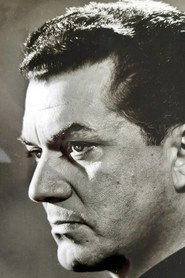 Kurd PieritzDr. Bardorf
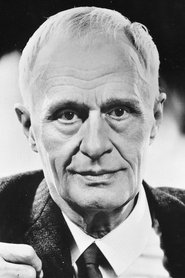 Rudolf FernauProfessor Erasmus
- Hans Schwarz Jr.Henchman Max
 Walter BluhmTheater Watchman
- Alain DijonAgent Nick Prado
- Heinrich GiesOptiker
Directing
- Carl von BaranyAssistant Director
- Harald ReinlDirector
Writing
- Norbert JacquesCharacters
- Artur BraunerIdea
- Ladislas FodorScreenplay
Production
- Wolf BraunerExecutive Producer
- Artur BraunerProducer
Recommended by
Lust of the Vampire, The Invisible Man Appears, Nightmare Castle