
Film
The Invisible Man Appears
A 1949 Japanese sci-fi thriller where a scientist's invisibility serum becomes a weapon in the hands of criminals. Part mad-scientist fantasy, part heist picture, it blends pulpy adventure with genuine tension and unsettling moments. For anyone curious how postwar Japanese cinema tackled genre spectacle with ingenuity on a budget.
If you liked this
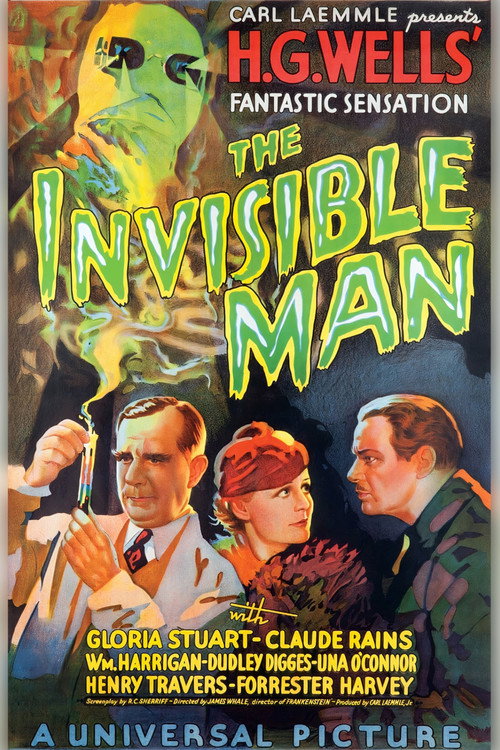
The Invisible Man1933
The Wells adaptation that defined the invisible man archetype—gleefully unhinged, technically brilliant for its era, and surprisingly dark about unchecked power corrupting the mind. Essential viewing.
But The pacing and special effects are very 1930s. Some sequences feel quaint now, though that's part of the charm for genre historians.
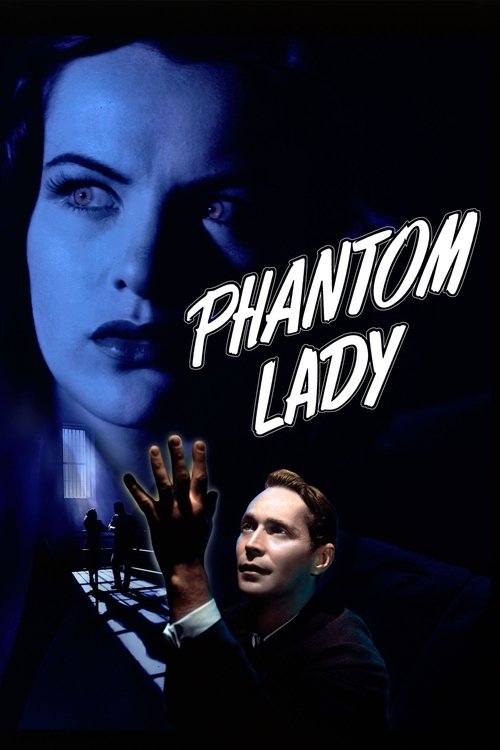
Phantom Lady1944
American film noir that shares the same postwar sensibility and genre-blending DNA—crime, obsession, murder, and technical wizardry all tangled together. Visually gorgeous and genuinely suspenseful.
But Female-centric noir might feel different if you're expecting straightforward action. The psychology is the point, not the plot mechanics.
The Third Man1949
Released the same year and equally preoccupied with deception, hidden identities, and moral corruption in a shadowy world. One of cinema's greatest achievements—spycraft as philosophy.
But Deliberately ambiguous ending and slow-burn intrigue won't satisfy anyone wanting straightforward answers or action sequences.

Not sure tonight? Get a pick in a minute, starting from The Invisible Man Appears
The wildcard
Something you would not have found on your own.
The Invisible Ray1936
Both treat the scientist's altered body as curse rather than power fantasy. Invisibility/lethality as a form of monstrosity, not superhero upgrade.
Universal's kooky Lugosi vehicle about a scientist whose body becomes a lethal weapon through scientific accident. Same DNA as your film but leans hard into B-movie camp and body-horror psychology.
But Explicitly silly and doesn't care—if you want gravitas, this cheerful mad-science romp will feel flippant about its own premise.
More like this (8)
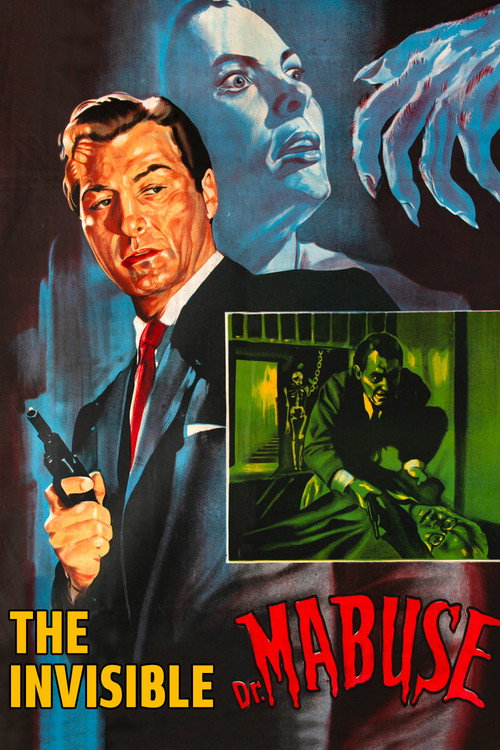
The Invisible Dr. Mabuse1962
German pulp sci-fi that remixes similar themes—invisibility as a tool for domination, science gone criminal. Campy energy and inventive set pieces make it enormous fun.
But Extremely dated in its earnestness and occasionally clumsy pacing. Not everyone's idea of entertainment.
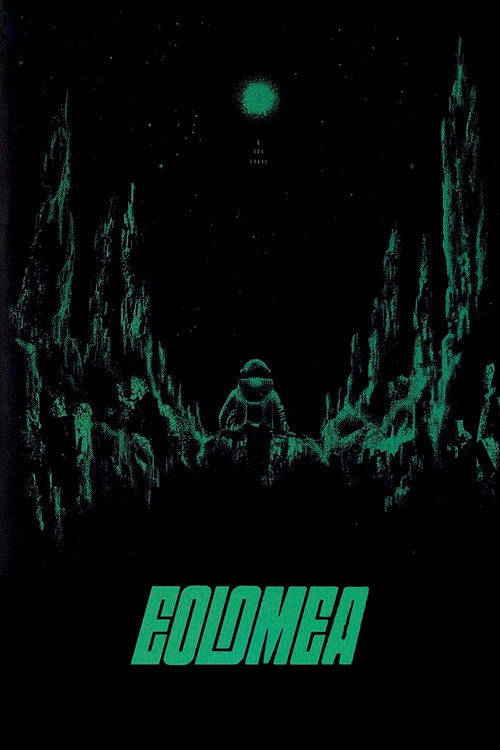
Eolomea1972
Slow-burn Soviet sci-fi about a scientist's dangerous creation. Meditative, strange, and genuinely unsettling. Rewards patience with atmosphere and ideas that linger.
But Glacially paced and emotionally detached. If you need plot momentum or character warmth, this will feel like waiting in an airport.
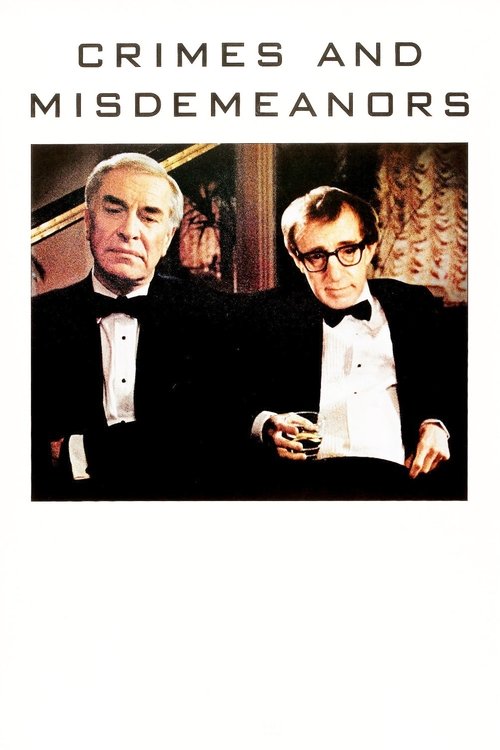
Crimes and Misdemeanors1989
Woody Allen's most serious film, where a hidden crime and guilt spiral outward. Explores the same territory—what invisibility from justice does to the soul.
But Allen's trademark neurosis and New York intellectual posturing won't appeal to everyone. Uneven tonal shifts between drama and comedy.
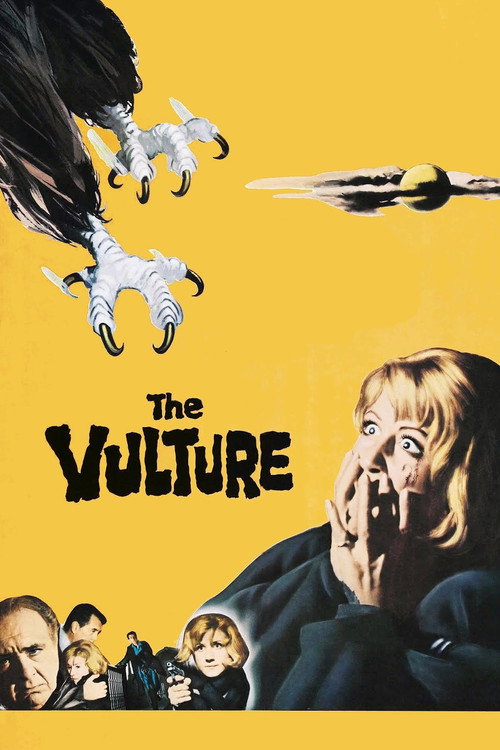
The Vulture1966
British b-movie about an alchemist's forbidden experiment with resurrection. Similar pulpy energy, practical monster effects, and genuine creepiness underneath the low budget.
But Bargain-basement production values and a meandering plot. Solidly entertaining but doesn't aspire to more than that.
Ikiru1952
Kurosawa's masterpiece about a bureaucrat facing his mortality, made just after your film. Shows how Japanese cinema was grappling with meaning and human consequence in the postwar era.
But Emotionally devastating and meditative. Zero spectacle, zero invisibility formulas—entirely interior. Completely different register.

Forbidden Planet1956
American sci-fi that takes genre pulp seriously with design and philosophical weight. Monsters, forbidden knowledge, and danger lurking beneath civilized surfaces.
But Long and sprawling, with dated sexism in its gender politics. Needs patience to appreciate the ambition underneath.

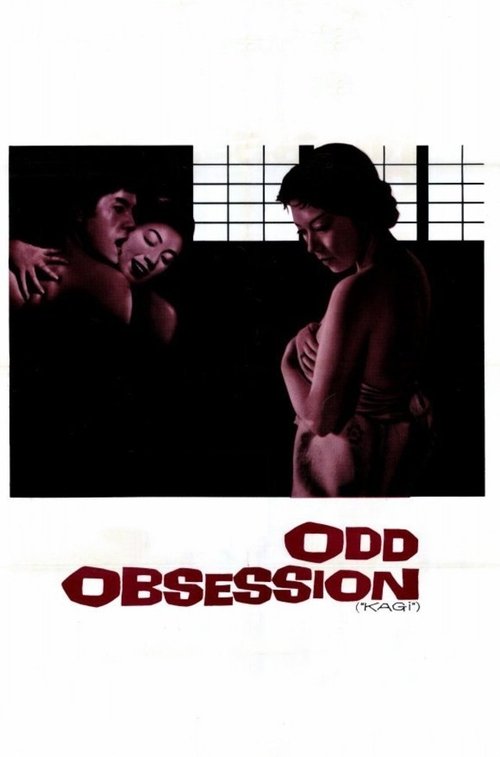
Odd Obsession1959
Both films use concealment—literal in one case, emotional in the other—as the engine driving everyone toward ruin. Japanese postwar cinema's dark view of what people will do for control.
Masaki Kobayashi's unnerving Japanese drama where a man's jealousy and desire play out like a slow-motion heist of trust. Criminal psychology without gunfire. Gorgeous and sick.
But Basically a chamber piece about infidelity and aging libido. No action, no spectacle, no forward momentum. Entirely internal poison.
Rififi1955
Both are fundamentally about theft made possible by something external—a formula or a plan—and how that theft spirals into something darker and more personal than simple crime.
Heist masterpiece where a jewel robbery unfolds almost in silence, staged with mathematical precision. Crime as art form. The invisibility serum is metaphorical—becoming untraceable, unseeable by those chasing you.
But Deliberately withholding with dialogue and music. The famous theft sequence has no sound, and some viewers find that as a choice pretentious or just boring.

People
Cast
 Chizuru KitagawaMachiko Nakazato
 Takiko MizunoeRyûko Mizuki
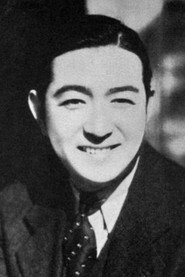 Daijiro NatsukawaKyôsuke Segi
- Mitsusaburō RamonInspector Matsubara
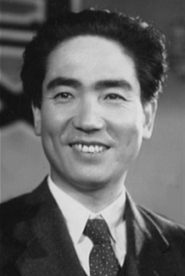 Ryūnosuke TsukigataKenzô Nakazato
 Shōsaku SugiyamaIchirô Kawabe
 Kanji KoshibaShunji Kurokawa / The Invisible Man
 Kichijirō UedaOtoji Sugimoto
- Hiroshi UedaNagayoshi Tanimoto
 Shōzō NanbuUmeo Miyazawa
- Shinobu ArakiYoshihira Hatanaka
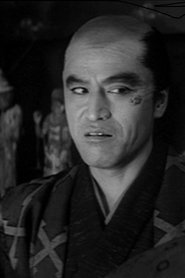 Saburo DateKeizô Sasatani
Directing
- Nobuo AdachiDirector
- Shigehiro FukushimaFirst Assistant Director
- Fumiko UshidaScript Supervisor
Writing
- H. G. WellsNovel
- Nobuo AdachiScreenplay
- Akimitsu TakagiStory
Production
- Hisashi OkudaProducer
- Hisashi OkudaProduction Coordinator
- Kenji HisamatsuProduction Manager
- Kazuhiko OohashiProduction Supervisor