
Film
Odd Obsession
A 1959 Japanese drama about a middle-aged man confronting sexual inadequacy and jealousy, whose increasingly perverse scheme to reignite desire spirals into dark comedy. Yasuzō Masumura directs with unflinching psychological precision and genuine wit. For viewers ready to sit with discomfort and moral ambiguity, it's bracingly modern.
If you liked this
Tokyo Story1953
Ozu's masterpiece about family, time, and unspoken longing. If you loved the intimate observation of *Odd Obsession*, this is cinema's gentlest devastation—about people unable to say what matters most.
But Barely anything happens. It moves at a pace that requires surrender, and the emotional payoff is quiet rather than cathartic.

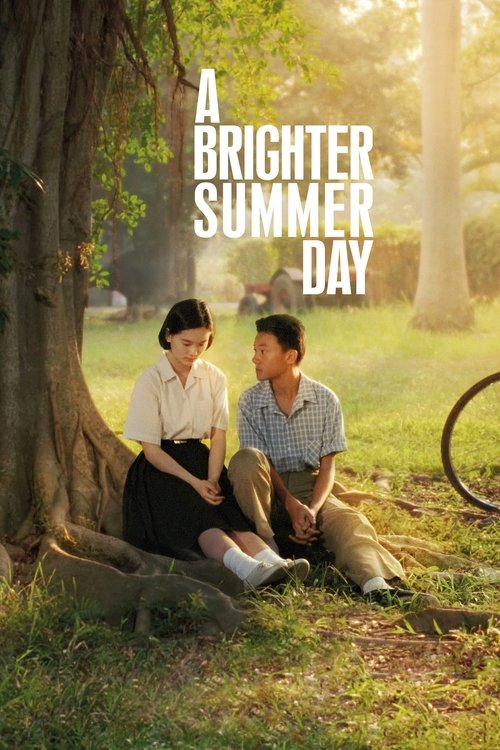
A Brighter Summer Day1991
Edward Yang's four-hour epic dissects desire, status, and violence in 1960s Taipei with surgical precision. Like *Odd Obsession*, it treats moral chaos as the natural human condition, but on a grander scale.
But It's exhaustingly long, visually dense, and offers no redemption. The ending is devastating in a way that lingers badly.
Harakiri1962
Masaki Kobayashi's masterwork about honor and humiliation. Shares *Odd Obsession*'s willingness to show men destroying themselves through pride and shame, but with tragic weight instead of dark comedy.
But Relentlessly bleak and formally austere. It's one of cinema's cruelest films, and the violence carries real metaphysical dread.

Not sure tonight? Get a pick in a minute, starting from Odd Obsession
The wildcard
Something you would not have found on your own.
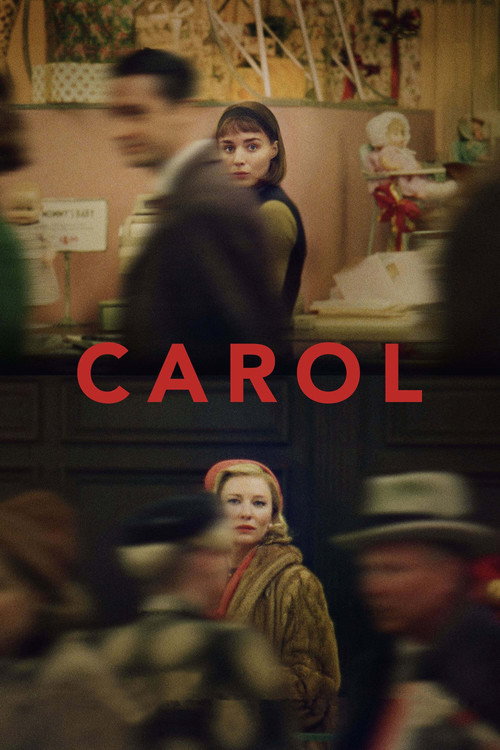
Carol2015
Both examine desire as a force that exposes the fragility of respectable surfaces, but *Carol* finds transcendence where *Odd Obsession* finds only damage.
Todd Haynes directs this elegant 1950s love story with the same controlled precision Masumura brought to *Odd Obsession*—both films understand how desire and social prohibition shape intimacy. But *Carol* is about women discovering passion rather than men destroying themselves through it.
But Deliberately paced and emotionally restrained. Some want their romance movies to overwhelm; this one maintains distance even at its most tender.
More like this (7)
The Leopard1963
Visconti's meditation on desire, aging, and the man trying to stay relevant as the world changes. Like *Odd Obsession*, it's about a man watching his power slip and grasping at solutions that won't work.
But Three hours of aristocratic ennui. It's opulent and slow, and some find it remote rather than moving.

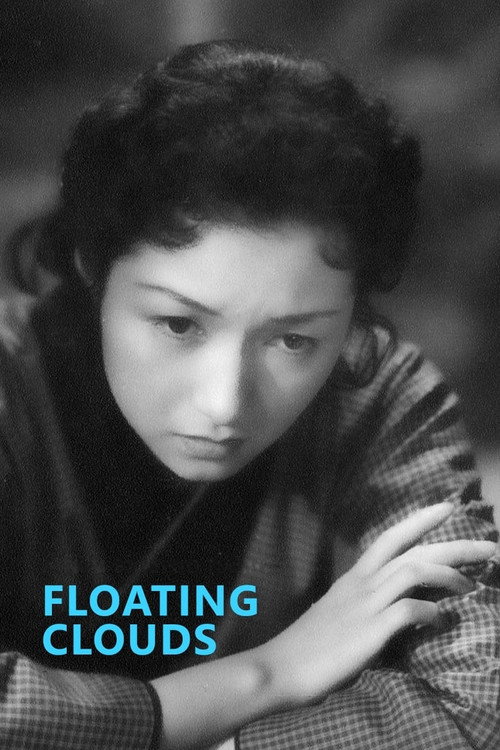
Floating Clouds1955
Mikio Naruse's portrait of a woman and man caught in need, obsession, and the wreckage of their own choices. Shares the psychological acuity of *Odd Obsession* but with greater tenderness toward its damaged characters.
But It's melancholic and circular—you watch smart people repeat their mistakes without growth, which can feel punishing.
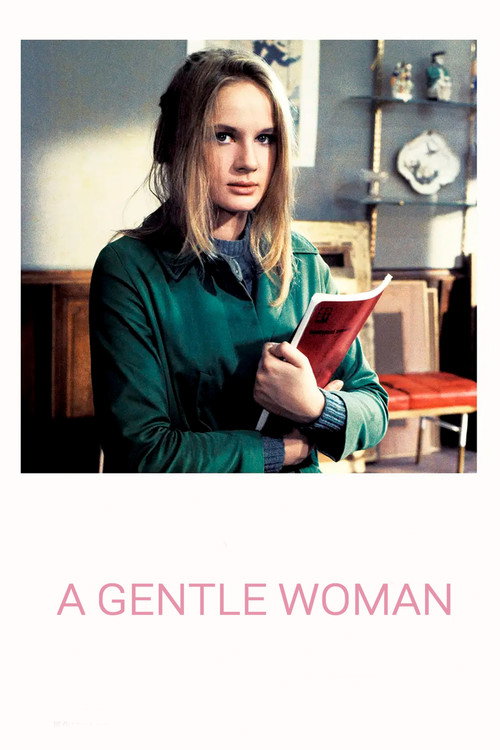
A Gentle Woman1969
Bresson's account of a marriage collapsing from within, told with mathematical emotional precision. If you want *Odd Obsession*'s unflinching look at couples, but stripped to ascetic minimalism, this is it.
But Bresson makes you work for every emotion. It's austere to the point of coldness, and some viewers find it punitive rather than clarifying.
Pather Panchali1955
Ray's debut observes family life—hunger, desire, small humiliations—with such tenderness it breaks your heart. Same observational depth as *Odd Obsession* but pointed toward grace instead of pathology.
But It's slow and without conventional plot momentum. Expect long scenes of ordinary life; some find that boring rather than meditative.

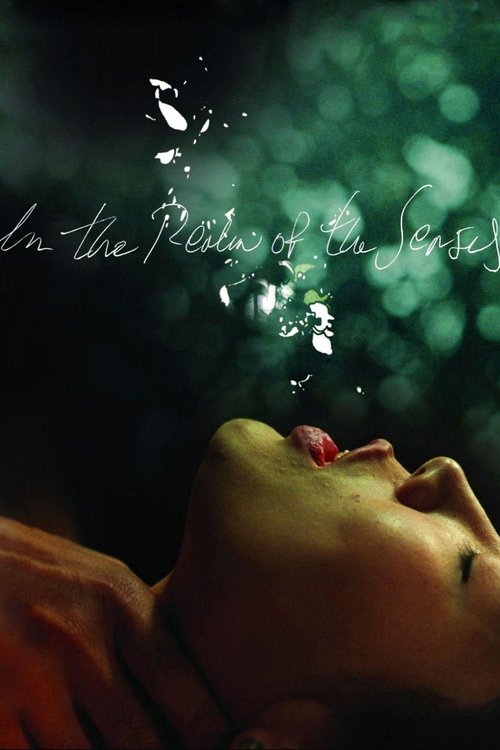
In the Realm of the Senses1976
Ōshima's notorious film about obsessive desire consuming two people entirely. It shares *Odd Obsession*'s refusal to judge sexual pathology, but commits fully to the transgression rather than observing it from distance.
But Extremely explicit sex throughout. It's challenging and punishing, designed to implicate the viewer, and many find it exploitative despite its artistic intent.
The Ballad of Little Jo1993
Reichardt's sparse, strange film about a woman disguised as a man in the old west. Shares *Odd Obsession*'s interest in how people construct false selves and the costs of maintaining deception.
But Visually austere and narratively oblique. It refuses emotional catharsis or clear moral resolution, which frustrates those seeking conventional storytelling.

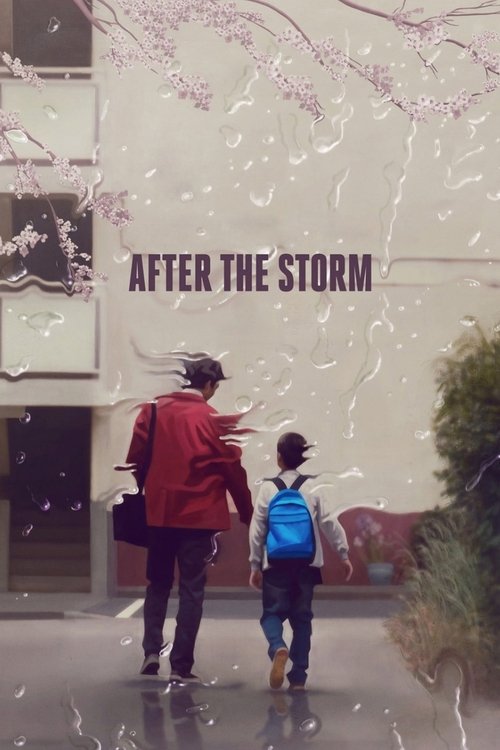
After the Storm2016
Both are Japanese films about men undone by the gap between who they are and who they need to be, but *After the Storm* believes in the possibility of grace.
Hirokazu Kore-eda's quiet film about a failed writer, his ex-wife, and their son. Like *Odd Obsession*, it examines a man's shame and his inability to become the person he pretends to be, but with deep compassion and room for change.
But Nothing much happens. It's a portrait of stagnation and small moments, which some find too subtle to register as fully cinematic.
People
Cast
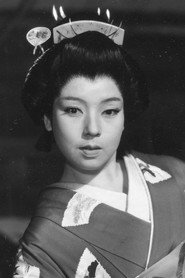 Machiko KyōIkuko Kenmochi
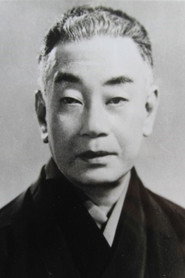 Ganjirō Nakamura IIKenji Kenmochi
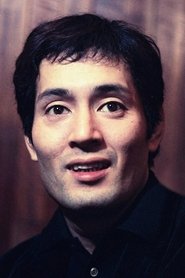 Tatsuya NakadaiKimura
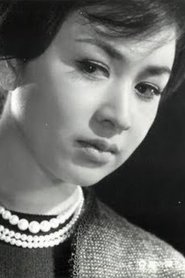 Junko KanoToshiko Kenmochi
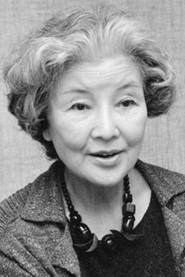
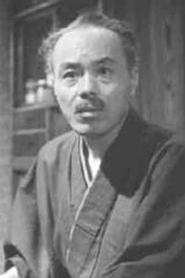 Ichirō SugaiMasseur
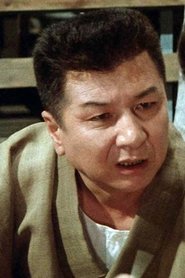 Mantarō UshioDr. Kodama
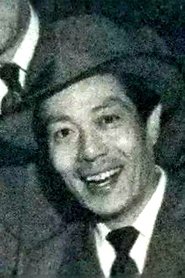 Kyū SazankaCurio Dealer
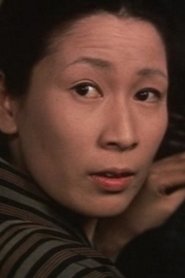 Mayumi KurataKoike
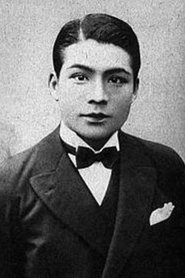 Hikaru HoshiPolice Detective
 Saburo DatePolice Detective
 Shizuo ChūjōPolice Detective
Directing
- Kon IchikawaDirector
Writing
- Junichirō TanizakiNovel
- Keiji HasebeScreenplay
- Kon IchikawaScreenplay
- Natto WadaScreenplay
Production
- Masaichi NagataProducer