
Film
The Invisible Ray
A 1936 mad-scientist thriller where Boris Karloff discovers a radioactive element with miraculous healing powers—and catastrophic side effects. As paranoia and radiation sickness consume him, he transforms into a luminous instrument of vengeance. It's pulpy, visually inventive, and genuinely eerie, pitched perfectly between camp and genuine dread. For anyone who loves early horror's strange alchemy of science and supernatural terror.
If you liked this
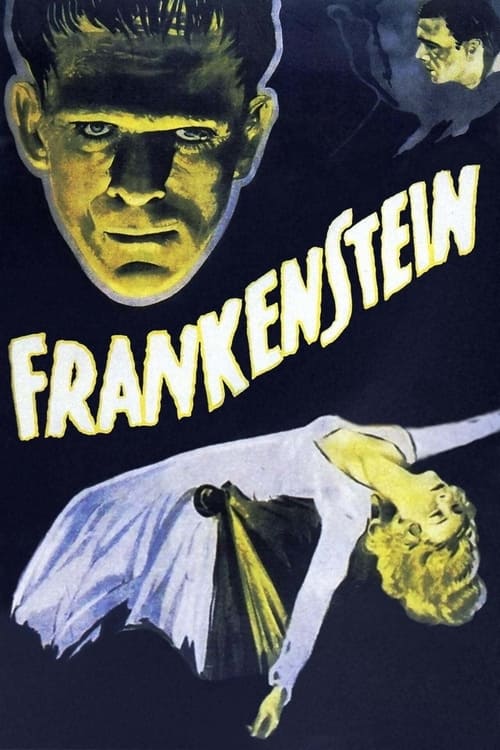
Frankenstein1931
Karloff's definitive mad-scientist role. James Whale's direction is immaculate—Gothic atmosphere, dark humour, and a creature that breaks your heart. The template for everything that followed.
But The pacing is deliberate by modern standards, and the Monster's scenes are fewer than you'd expect. Some find the ending unsatisfying.
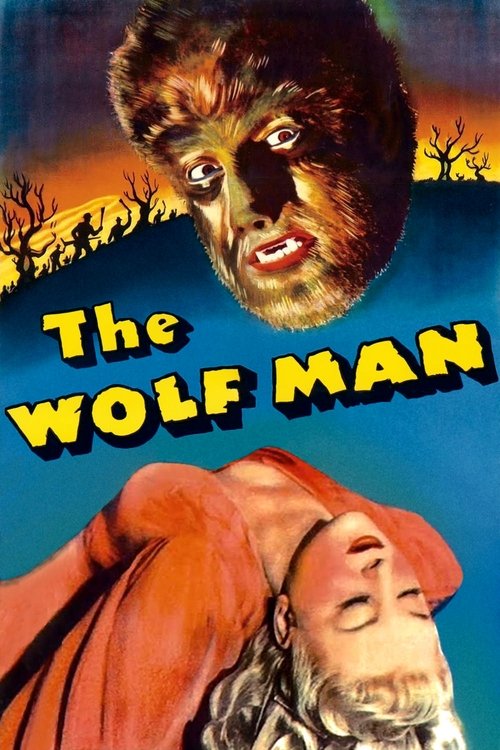
The Wolf Man1941
Lon Chaney Jr. as a man losing control of his own body to something inhuman and unstoppable. Beautiful black-and-white cinematography, genuine pathos beneath the horror, and a tragic inevitability that haunts you.
But The werewolf effects are clearly a man in a suit. The plot is straightforward to the point of predictability.
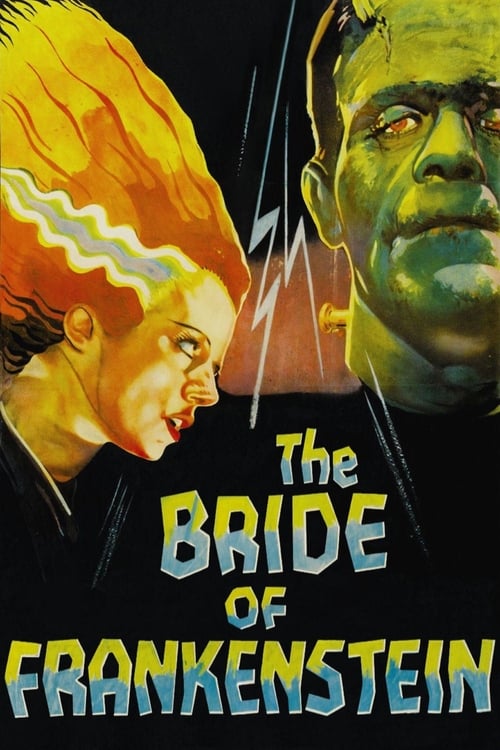
Bride of Frankenstein1935
Karloff returns, and Whale leans harder into the surreal and darkly comic. Ernest Thesiger steals every scene. It's more ambitious and stranger than the first film, with a genuine vision of nightmare.
But The tonal shifts between horror and camp can feel jarring. Some sequences drag; the pacing isn't always confident.
Not sure tonight? Get a pick in a minute, starting from The Invisible Ray
The wildcard
Something you would not have found on your own.
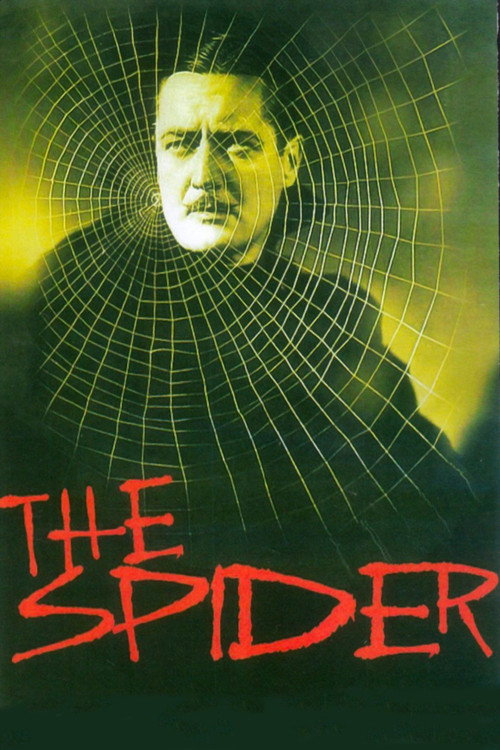
The Spider1931
Both films transform the human body into a weapon or a trap; both are about invisibility—whether literal radiation or the inescapability of a web. Both are about paranoia and entrapment as the true monsters.
A film so obsessed with trapping people in webs—literal and metaphorical—that it becomes hallucinatory. The set design is nightmarish, the paranoia is suffocating, and it moves with genuine urgency. Lew Landers directed something genuinely unhinged.
But The print quality is often poor, and the story is almost deliberately incoherent. Some will find it unwatchable noise rather than art.
More like this (8)
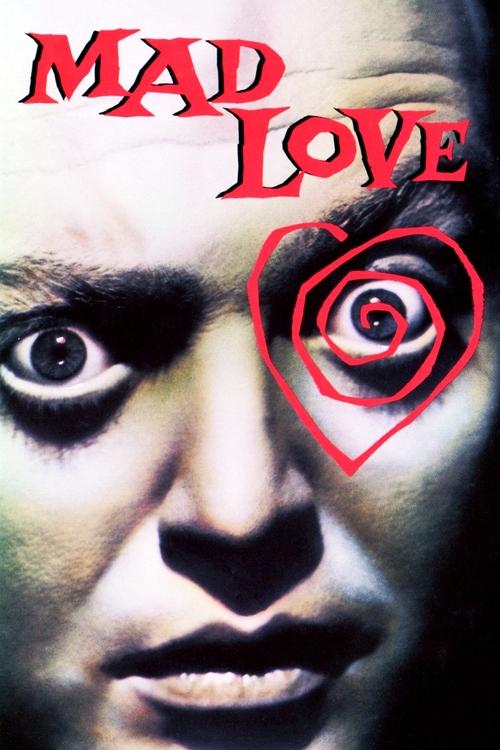
Mad Love1935
Peter Lorre in a role of genuine psychological unravelling—a surgeon obsessed with a pianist, willing to reshape reality itself. Intense, unsettling, and genuinely twisted in a way few early horrors dared.
But The plot hinges on a contrivance that requires real suspension of disbelief. Lorre's intensity might exhaust rather than engage some viewers.
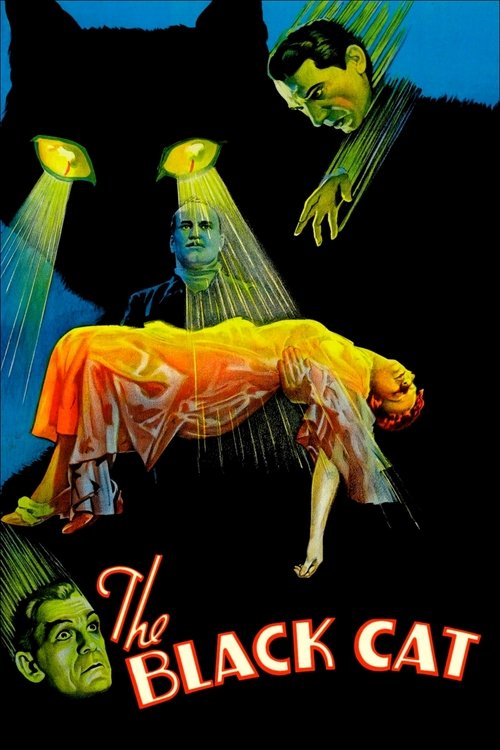
The Black Cat1934
Karloff and Lugosi together, directed by Edgar G. Ulmer with expressionist fever dreams. A post-war revenge tale wrapped in occult trappings. Visually unlike anything else from the era.
But The story is genuinely confusing; plot logic takes a backseat to atmosphere. Some find it pretentious rather than effective.
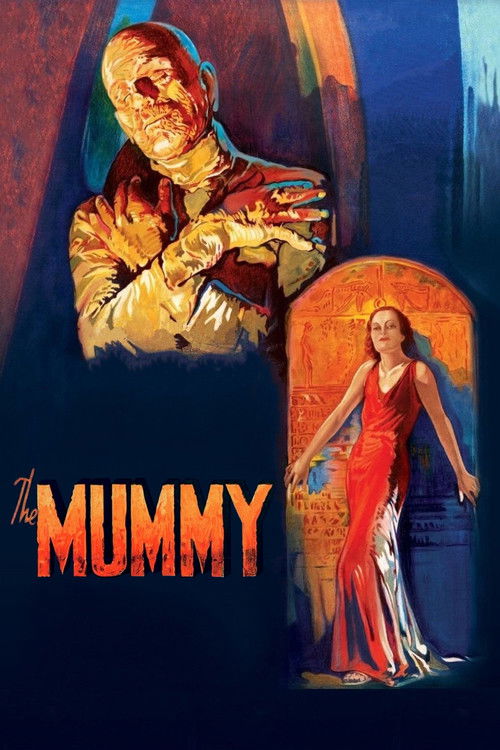
The Mummy1932
Karloff's quiet menace as a resurrected Egyptian priest. The film moves slowly and deliberately, building a mood of ancient dread. Directed with real sophistication by Karl Freund.
But Glacial pacing will test modern patience. Once the reveal happens, the film deflates significantly.
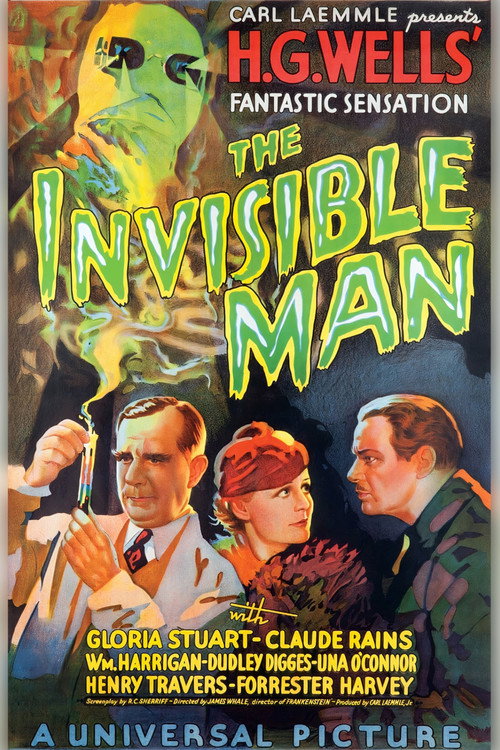
The Invisible Man1933
Claude Rains as a man whose invisibility drives him to madness and tyranny. James Whale's direction is playful and technically dazzling. It's funny, horrifying, and smarter than you'd expect.
But The special effects, while innovative, can distract from the drama. The middle section meanders before the finale.
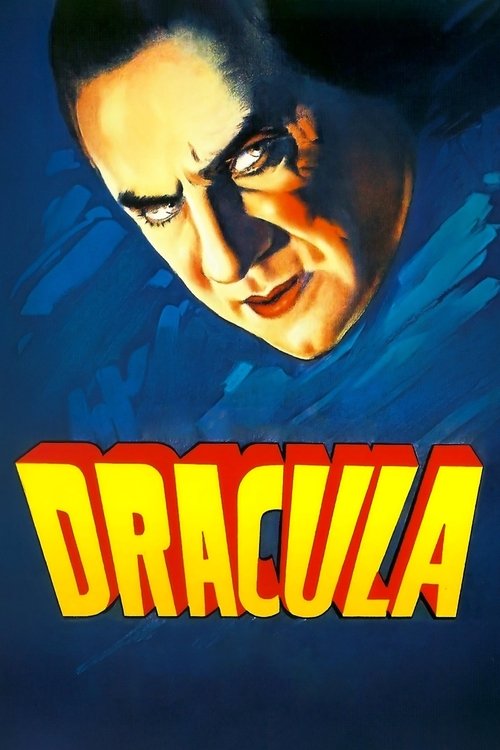
Dracula1931
Bela Lugosi as the count, and Tod Browning's direction is hypnotic and strange. It's more about mood and sexuality than plot. Lugosi's performance is genuinely magnetic.
But The pacing is peculiar; entire scenes feel static. The ending rushes to a conclusion. Some scenes are poorly lit to the point of obscurity.
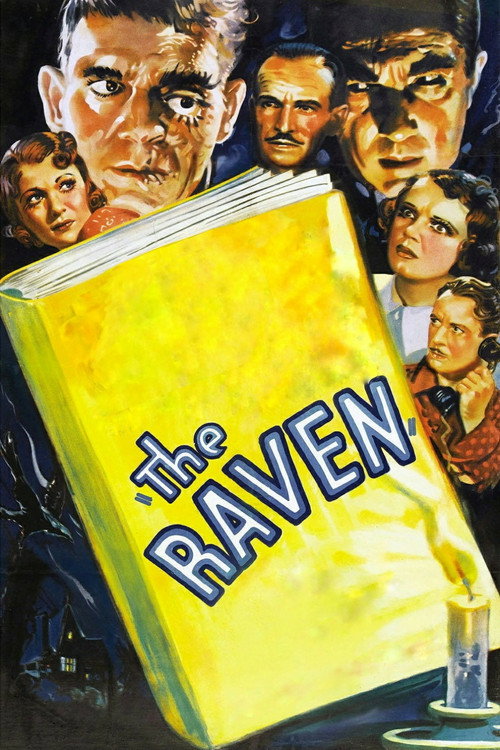
The Raven1935
Karloff and Lugosi in a film that knows exactly how absurd it is. A torturer with Poe obsessions, a pendulum, and genuine Grand Guignol spectacle. It's bonkers in the best way.
But The plot is nonsensical and the film lurches between tones. If you need coherence, this will frustrate you.
Possession1981
Both use the body as a site of horror and transformation. Both feature a protagonist becoming something inhuman and using that transformation as a weapon. Both are about desire and paranoia curdling into violence.
An Andrzej Żuławski film that looks and sounds like fever dreams made flesh. A marriage disintegrating into body horror, tentacles, and metaphysical dread. It's repulsive and brilliant and entirely its own thing.
But It's viscerally gross and deeply, deliberately unpleasant. The editing is disorienting and it never settles into comfort. Some find it unwatchable; others find it essential.

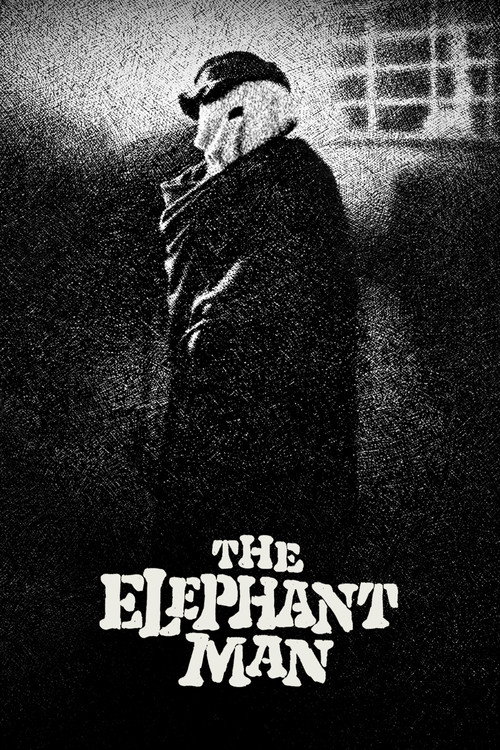
The Elephant Man1980
Both films are about a man whose body becomes the source of his suffering and isolation. Both are about how the gaze of others transforms the body into a weapon against the self. Both refuse easy answers about monstrosity.
David Lynch's film of tenderness and terror, where deformity becomes a mirror for human cruelty. John Hurt's performance breaks your heart. It's about being trapped in a body that horrifies others—the radiation of being seen as monstrous.
But It's very slow and very sad. The body horror is real and not played for excitement. Some find it maudlin; it offers no catharsis, only compassion.
People
Cast
 Boris KarloffDr. Janos Rukh
 Bela LugosiDr. Felix Benet
 Frank LawtonRonald Drake
 Frances DrakeDiana Rukh
 Violet Kemble CooperMother Rukh
 Beulah BondiLady Arabella Stevens
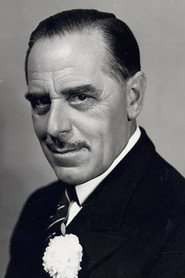 Walter KingsfordSir Francis Stevens
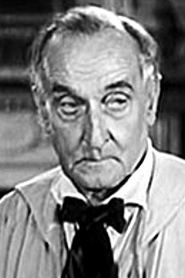 Paul WeigelMonsieur Noyer
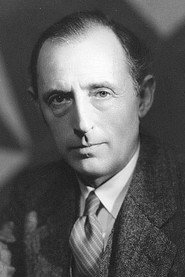 Frank ReicherProfessor Meiklejohn
 Georges RenaventChief of the Surete
 May BeattyMme. LeGrand (uncredited)
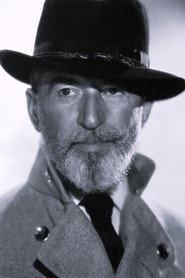 Paul McAllisterPapa LaCosta (uncredited)
Directing
- Lambert HillyerDirector
Writing
- Howard HigginOriginal Story
- John ColtonScreenplay
- Douglas HodgesStory
Production
- Fred S. MeyerExecutive Producer
- Edmund GraingerProducer
- Camille CollinsProduction Secretary
Recommended by
Lock Up Your Daughters, Captive Wild Woman, The Flesh Eaters, The Phantom Creeps, The Invisible Man Appears