
Film
The Flesh Eaters
A 1964 creature feature with real bite: stranded on an island with a Nazi mad scientist breeding flesh-eating sea organisms. Made on a shoestring, it trades budget for atmosphere, practical effects, and genuine unease. Perfect for fans of vintage sci-fi horror who prize invention over spectacle, and anyone curious about where body-horror tropes began.
If you liked this
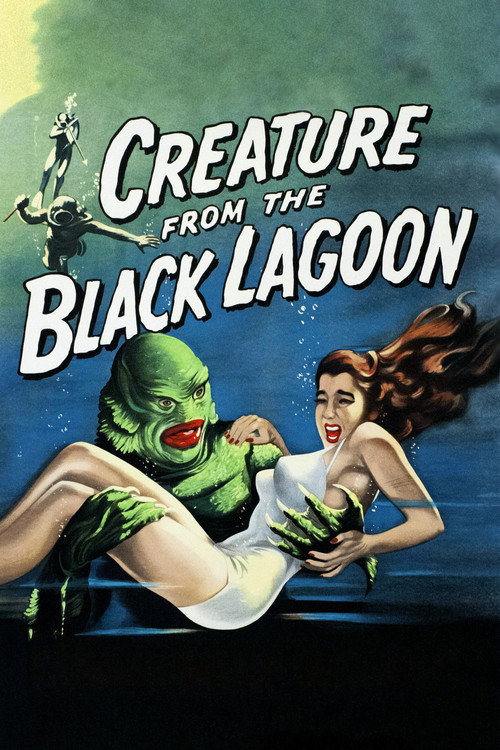
Creature from the Black Lagoon1954
The template for creature-feature isolation horror—scientists trapped with an impossible thing in a claustrophobic environment. Lush, eerie, and genuinely suspenseful, with creature design that holds up.
But Monster suit acting can feel quaint, and the pacing drags in the middle. Also: it's in black and white, which feels like homework to some.
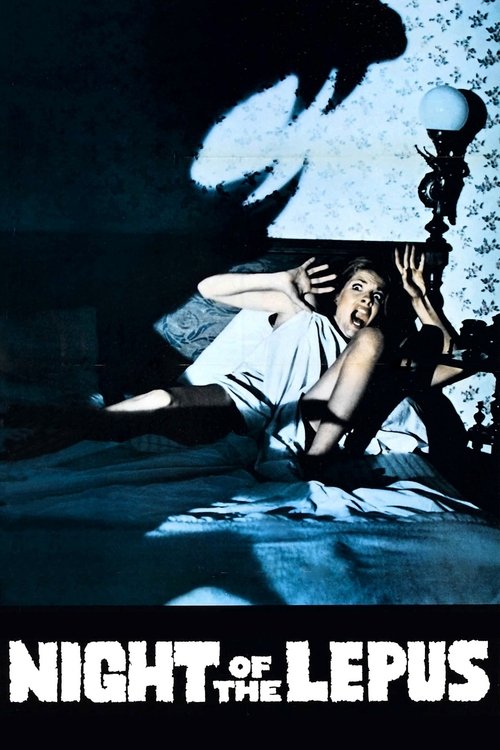
Night of the Lepus1972
Giant mutant rabbits loose in the Arizona desert—conceptually ridiculous but played with such earnest conviction that it becomes hypnotic. Weird effects and a genuinely unsettling vibe that lingers.
But The monster effects are ropey and the plot is thin. If you need a tight story, you'll watch rabbits for 110 minutes and then resent it.
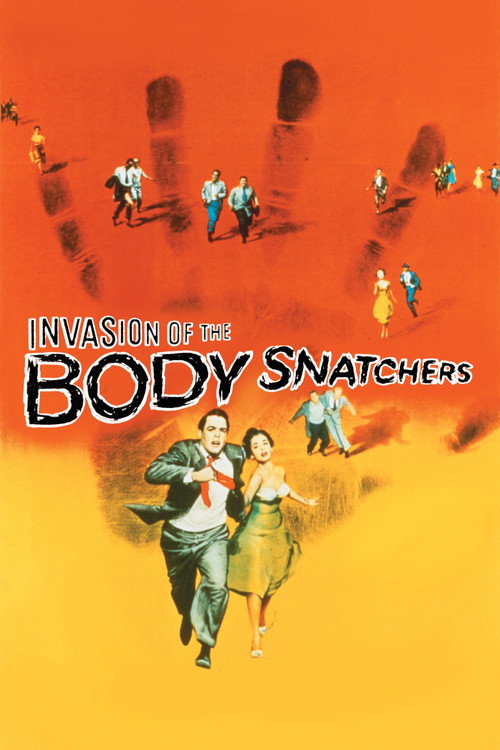
Invasion of the Body Snatchers1956
The gold standard: paranoia, atmosphere, and an idea so potent it carries the entire film. McCarthy-era anxiety encoded into sci-fi, with perfectly modulated tension and a gut-punch ending.
But Slower than modern thrillers, and the first half is dialogue-heavy. The special effects are minimal and dated.
Not sure tonight? Get a pick in a minute, starting from The Flesh Eaters
The wildcard
Something you would not have found on your own.
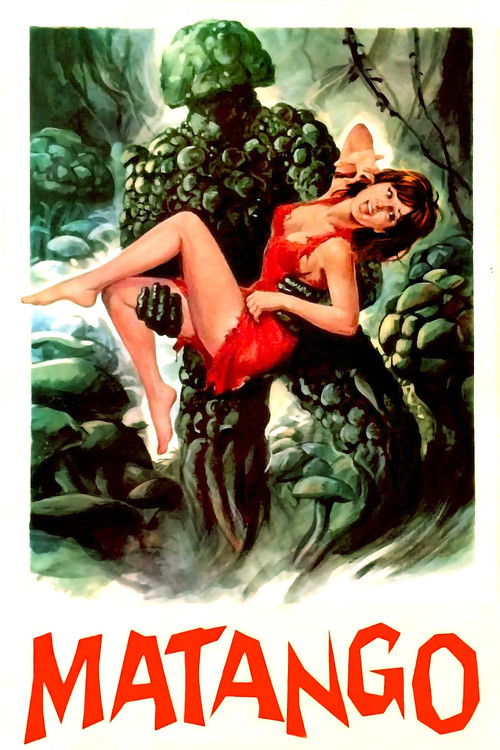
Matango1963
Both strand their victims on an island with a slow biological horror: transformative organisms that spread from the outside in. Both pit small groups against something that redefines the body itself.
A Japanese film about sailors stranded on an island where giant fungi take over people's bodies. Genuinely surreal, visually stunning, and morphologically horrifying in ways The Flesh Eaters only hints at. Slow-burn cosmic dread.
But It's meditative and strange—long stretches of atonal unease rather than action. The mushroom suits look theatrical. Requires patience and willingness to sit with strangeness.
More like this (8)
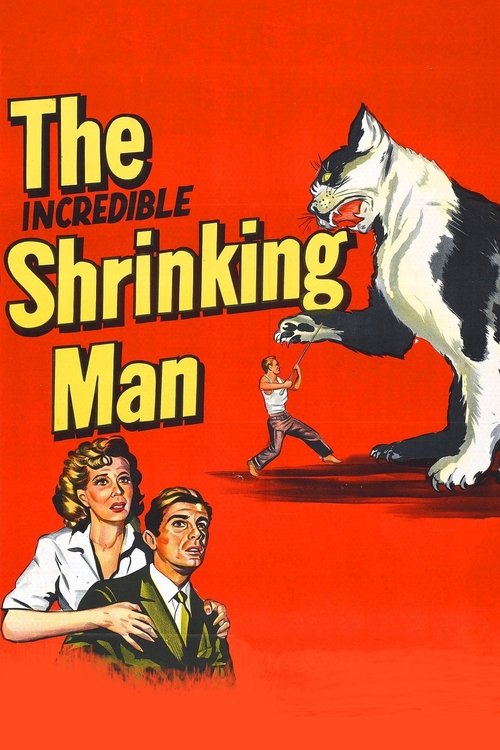
The Incredible Shrinking Man1957
A man shrinks steadily—a high-concept premise treated with philosophical weight and visual ingenuity. Genuinely moving, with a third act that dares to be genuinely weird and existential.
But The pacing is deliberate and the plot stops mattering halfway through. Not action-driven; more of a mood piece than a thriller.
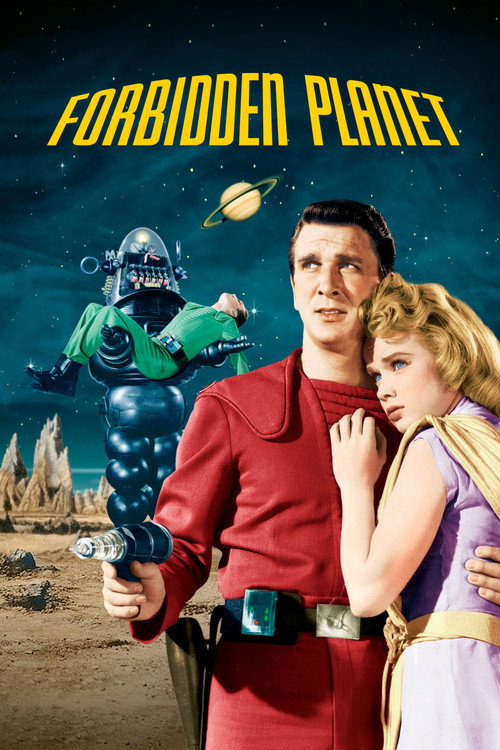
Forbidden Planet1956
A space colony, an invisible monster born from the id of a god-like being, and Shakespeare underneath the sci-fi. The set design and special effects feel like the future even now.
But It's earnest and kitschy in equal measure. The gender politics are period-typical. Runs long and occasionally feels more like an opera than a story.
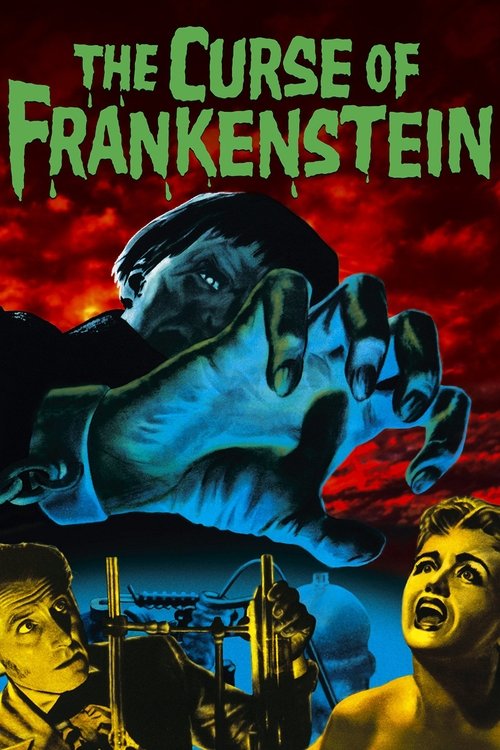
The Curse of Frankenstein1957
Hammer's first color horror: lurid, visceral, and surprisingly cruel. Christopher Lee and Peter Cushing elevate pulp into theatre. Beautiful cinematography and committed performances throughout.
But Strays far from Shelley and doesn't much care. If you want faithfulness to the novel, this isn't it. Gore is theatrical rather than naturalistic.
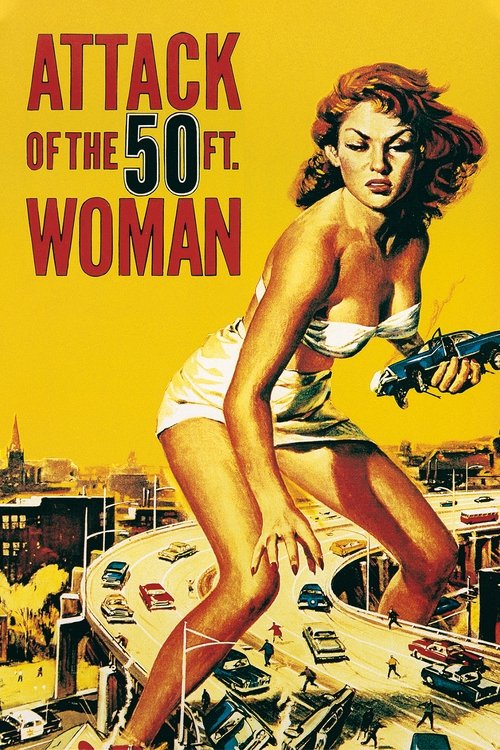
Attack of the 50 Foot Woman1958
A B-movie with genuine curiosity about its premise. Bizarre, fun, and made with such earnest weirdness that it transcends its budget. A cult classic for a reason.
But The effects are very cheap. The story is nonsensical. If you need coherent plotting, you'll be frustrated within minutes.
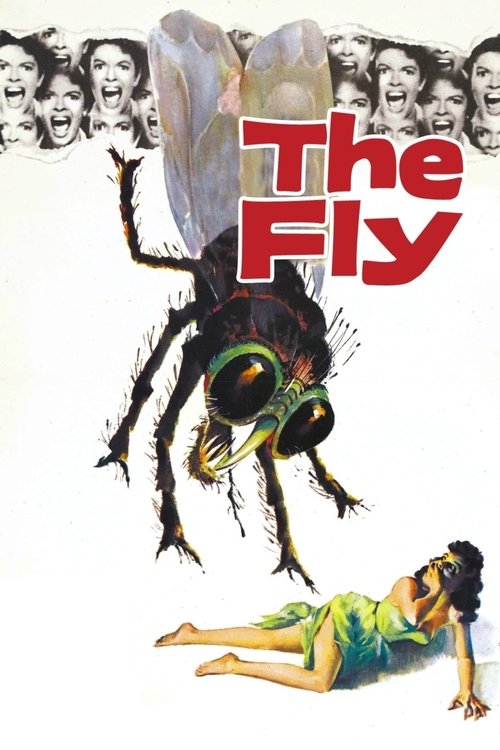
The Fly1958
Body horror before the term existed—a scientist merges with a housefly in an experiment gone wrong. Grotesque, tragic, and shocking in ways that still unsettle. Vincent Price is magnificent.
But The transformation effects are dated. It's more about dread than action. Some find the premise too silly to take seriously.
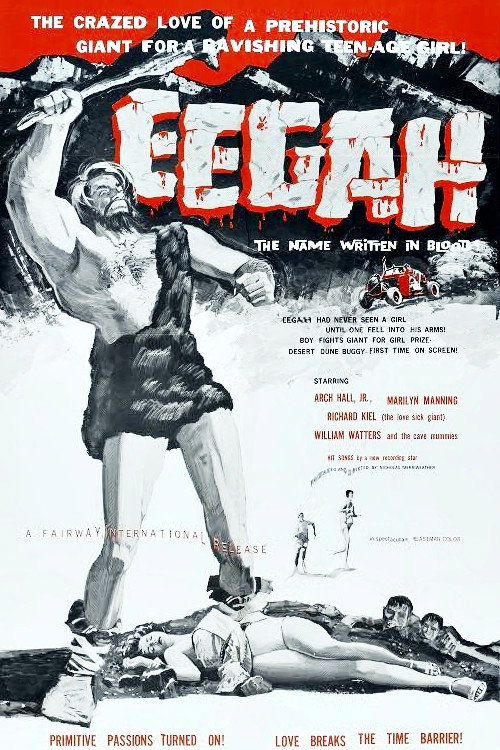
Eegah1962
A caveman awakened in modern times—technically inept and charmingly bonkers. Includes Richard Kiel in a cave suit and a wild musical number. Pure, unfiltered B-movie eccentricity.
But Genuinely poorly made. The plot meanders. Watching it requires a tolerance for competent acting nowhere to be found and an affection for the truly strange.
The Invisible Ray1936
A renegade scientist's experiment goes wrong and turns him into something monstrous—like Flesh Eaters' Nazi, but the horror becomes internal instead of external. Same moral: science without conscience births horror.
Boris Karloff as a scientist whose discovery turns toxic; Bela Lugosi opposite him. Pre-code Hollywood sci-fi with genuine atmosphere and two horror legends at work. Surprisingly sophisticated about scientific obsession.
But It's a Universal film from 1936, which means it moves at a glacial pace. Black and white, lots of talk, minimal effects. Requires affection for old Hollywood to sustain.
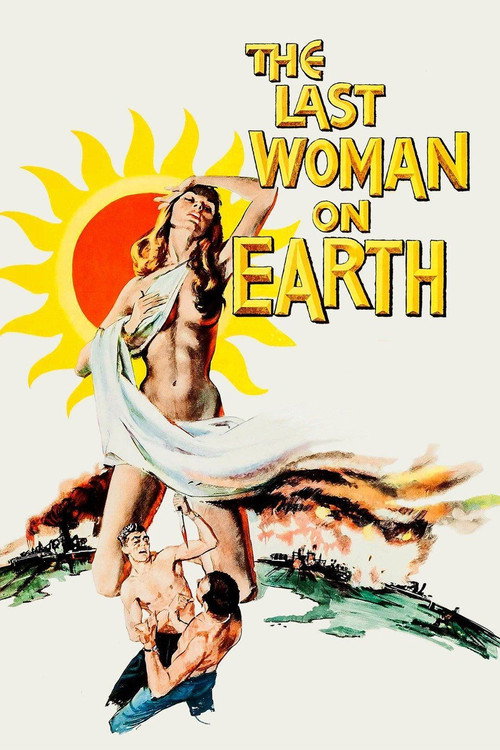
Last Woman on Earth1960
Both trap characters in isolation with existential dread replacing conventional threat. Flesh Eaters uses monsters; this uses psychology. Both prove that confinement—whether by island or apocalypse—is the real horror.
Arch Oboler's apocalyptic oddity: three people after the world ends, stranded in character drama and weird philosophy. Anthony Quinn and Betsy Driscoll in a love triangle amid extinction. Claustrophobic, strange, almost a play.
But There's barely any plot. It's three people talking and occasionally swimming. The dialogue is stilted and overwrought. If you want plot momentum, this will bore you to tears.
People
Cast
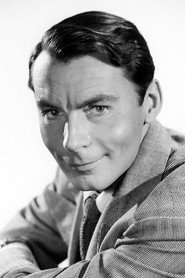 Martin KosleckProf. Peter Bartell
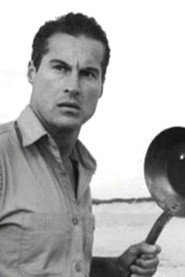 Byron SandersGrant Murdoch
- Barbara WilkinJan Letterman
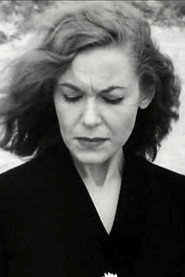 Rita MorleyLaura Winters
 Ray TudorOmar

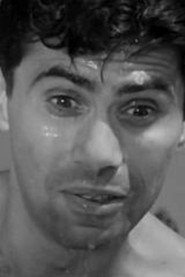 Ira LewisFreddy Miller
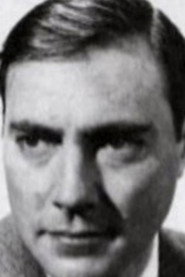 Jack CurtisRadio Deejay (voice) (uncredited)
Directing
- Jack CurtisDirector
Writing
- Arnold DrakeWriter
Production
- Arnold DrakeProducer
- Jack CurtisProducer