Film
Lock Up Your Daughters
- Horror
- Dip in and out
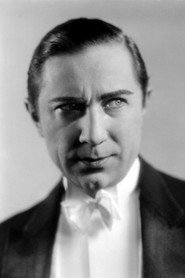
A curious assemblage of Bela Lugosi scenes stitched together from his earlier horror films, this 1959 curio is more archive than narrative—a 51-minute highlight reel of the Hungarian actor's most menacing moments. It's fascinating as a time capsule of classic horror performance, though the choppy construction means you're watching fragments rather than stories. For devotees of Golden Age horror and Lugosi completists.
If you liked this
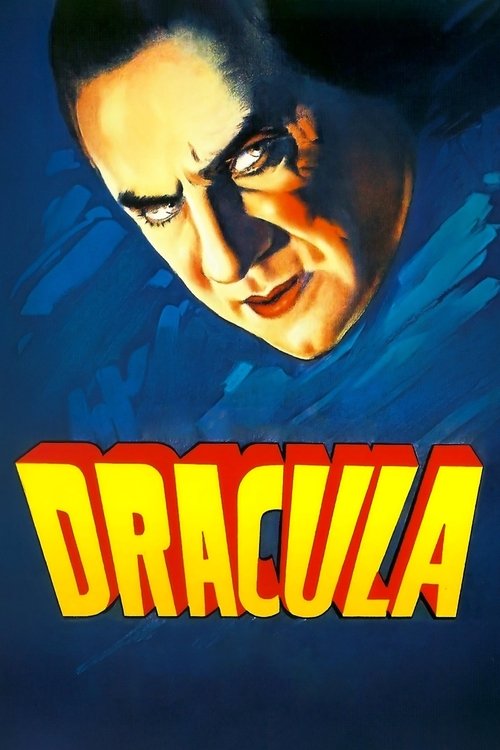
Dracula1931
Lugosi's definitive turn as the Count remains hypnotic; this is where his iconic performance was born. The atmospheric Universal production laid the blueprint for every vampire film after.
But The pacing drags badly by modern standards, and the special effects have withered into invisibility. Long stretches feel static.
The Black Cat1934
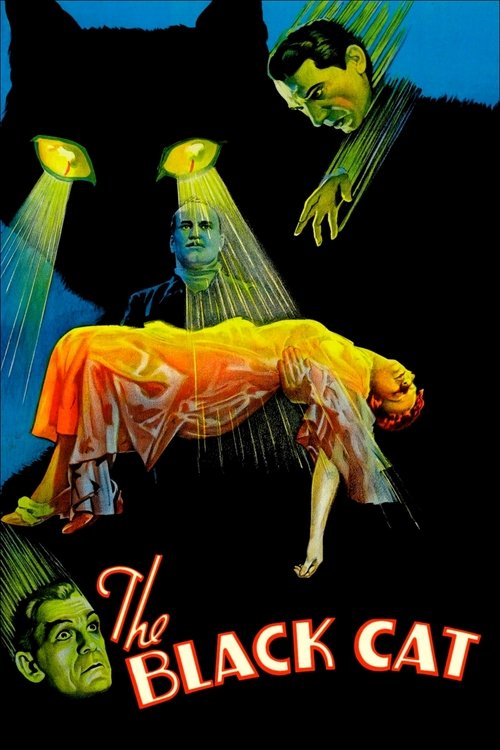
Lugosi and Karloff in direct conflict, creeping through an Art Deco mansion that seems to exist in nightmare logic. The film moves like dread itself, and the psychological perversity still lands.
But The plot barely holds together and the climax betrays much of what came before. Some will find it too slow.
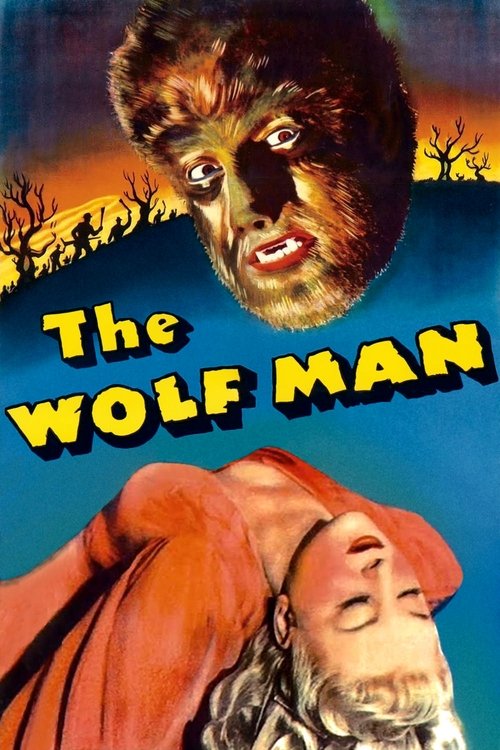
The Wolf Man1941
Lugosi as a werewolf cursing the innocent Lon Chaney Jr., wrapped in Universal's lush monster mythology. It's the film that crystallized werewolf lore for generations, and it's genuinely eerie.
But Chaney carries the emotional weight; Lugosi is secondary and underused. The plot resolves with tragic simplicity rather than complexity.
Not sure tonight? Get a pick in a minute, starting from Lock Up Your Daughters
The wildcard
Something you would not have found on your own.
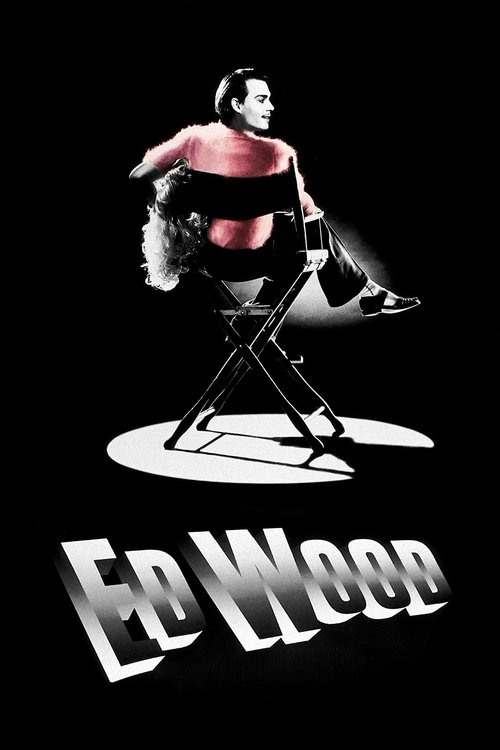
Ed Wood1994
Landau's Lugosi is the other side of what Lock Up Your Daughters is—fragments of a man's life reclaimed with tenderness rather than edited into a highlight reel. It's about dignity in decline.
Tim Burton's love letter to Plan 9 from Outer Space and the schlock that surrounded it, with Johnny Depp as the optimistic director and Martin Landau—himself—as an aging, luminous Lugosi in his final years. It's about failure and loyalty and making art with nothing.
But It's a biopic about a terrible filmmaker told in loving black-and-white. If you don't buy that premise, the film has already lost you. Some find it maudlin.
More like this (8)
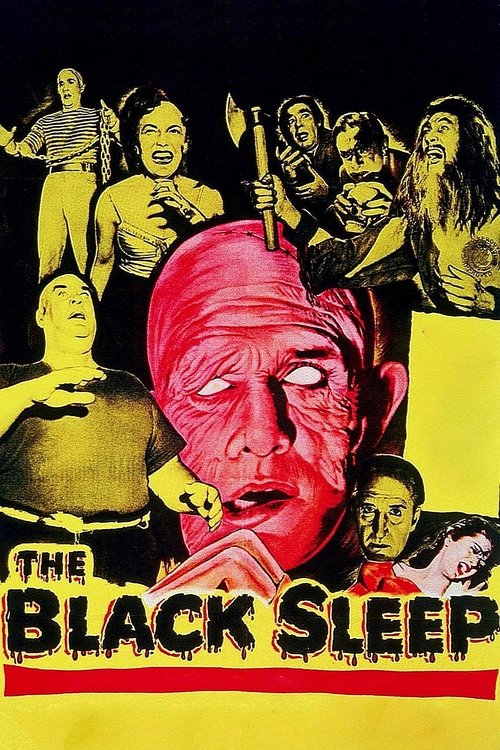
The Black Sleep1956
Lugosi's final lead role, a mad-scientist opus with Tor Johnson and other monster-movie veterans. It's trash, but it's the trash he chose to end on, and there's something touching in that.
But The film is genuinely terrible—incoherent plotting, cardboard sets, laughable effects. It's a relic of Hollywood's horror exhaustion.
The Invisible Ray1936
Lugosi opposite Karloff in a science-fiction horror hybrid that predates much of the atomic-age sci-fi boom. Lugosi plays infected and increasingly unhinged, a rare glimpse of him as victim rather than villain.
But The script is sentimental and the 'invisible ray' concept doesn't quite land visually. You're watching for the star power, not the premise.
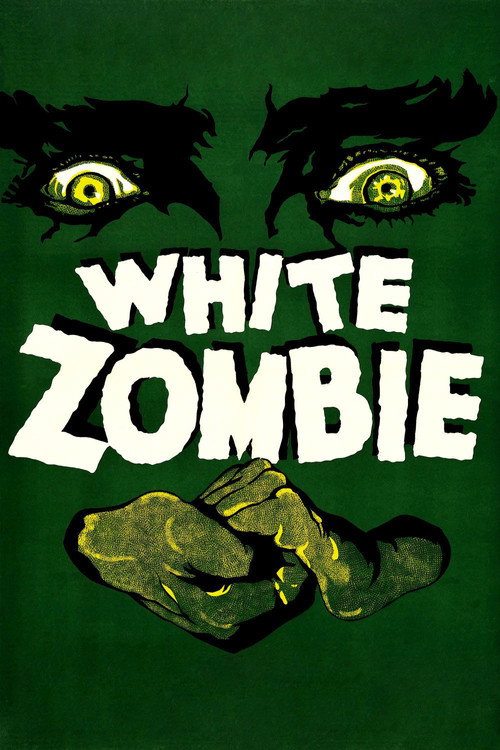
White Zombie1932
An eerie, dreamlike early horror about zombies on a Haitian plantation. Lugosi is hypnotic as the voodoo master, and the film moves with the logic of fever—unsettling rather than plot-driven.
But The narrative is skeletal and the racial politics are appalling by any standard. It's more mood than substance, and the mood depends on patience.
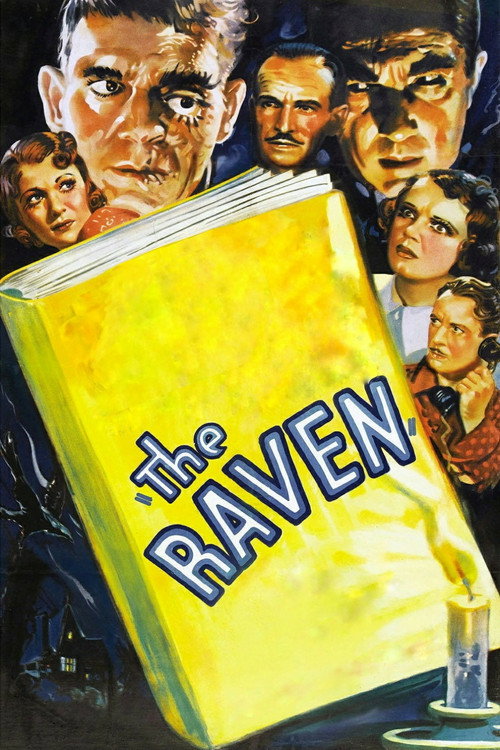
The Raven1935
Lugosi as a mad violinist torturing Boris Karloff in a house full of mechanical death traps. It's delirious, camp without intending to be, and utterly committed to its own lunacy.
But The plot is gibberish and the dialogue veers into unintentional comedy. The film doesn't know how absurd it is, which ruins it for some.
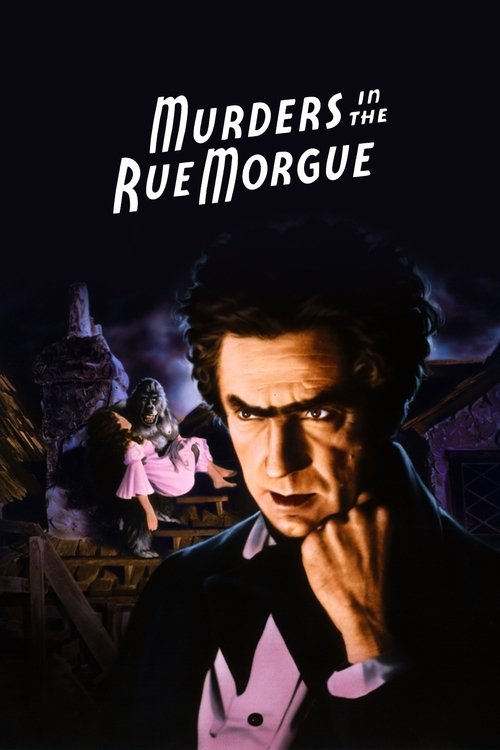
Murders in the Rue Morgue1932
Universal's adaptation of Poe, with Lugosi as an escaped ape-man and serial killer rolled into one. It's genuinely twisted for its era—sexual violence, body horror, a sense of real sickness beneath the melodrama.
But It's grotesque in ways that feel dated and uncomfortable, and not always in interesting ways. The ape effects are laughable.
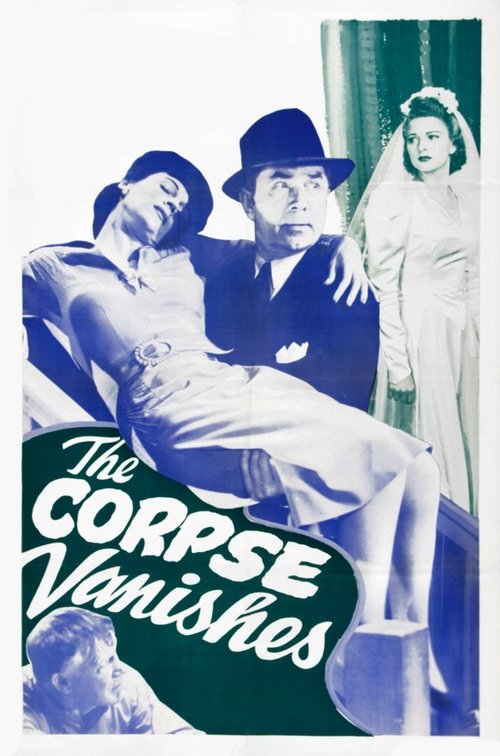
The Corpse Vanishes1942
Lugosi as a mad scientist harvesting glands to preserve his zombie bride. It's cheap and desperate and wonderfully weird, a window into monster-movie salvage operations in wartime.
But Production values are microscopic, the plot is threadbare, and the pacing is erratic. This is sub-B-movie territory.
Nosferatu1922
Lugosi built his vampire on the foundation Nosferatu laid; watching them together shows you the genealogy of horror performance and how Lugosi made the monster seductive where Schreck made it plague.
The vampire film that predates Lugosi's Dracula by nine years, with Max Schreck as a creature of absolute wrongness. If you want to understand where Lugosi's iconic performance came from, this is the shadow ancestor—German Expressionism at its most skeletal and true.
But Silent film, no dialogue, completely humourless, and the print is often degraded. The pacing is glacial and Schreck barely appears onscreen.

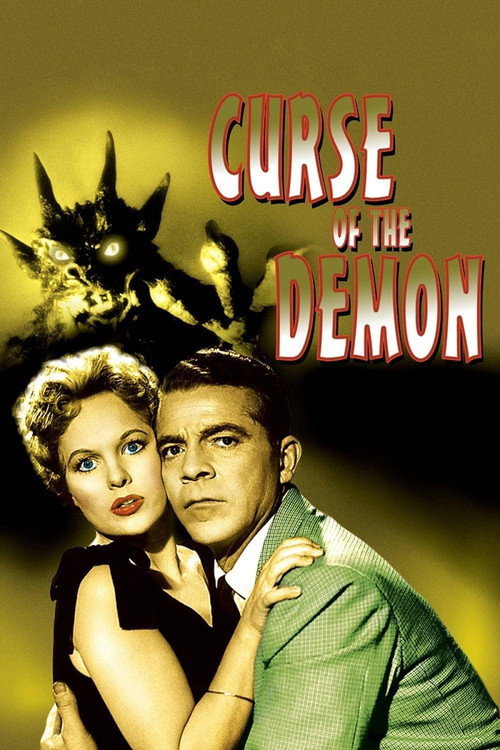
Night of the Demon1957
Like Lock Up Your Daughters, it's a 1950s film looking back at horror's possibilities, but where the compilation is fragments, Night of the Demon is synthesis—what horror became when filmmakers stopped imitating Universal and started thinking for themselves.
A British occult thriller about a skeptical academic pursued by a curse, made by Jacques Tourneur with an atmosphere so oppressive it feels like a fever dream. It's psychological horror operating at full power, and the reveal is genuinely unnerving in a way early Universal rarely manages.
But It's slow, cerebral, and the climax divides viewers sharply—some find it brilliant, others anticlimactic. There's barely any action.