
Film
Dracula
Bela Lugosi's slow, hypnotic stare turned Dracula into pure atmosphere—minimal effects, maximum dread, all shadow, silence, and that voice. It's less scary now than foundational: this is horror cinema learning its own grammar in real time, inventing the cape, the accent, the hypnotic pause. Stagey and creaky by modern standards, but its stillness still gets under the skin. Essential viewing for anyone curious where the genre's DNA comes from.
If you liked this
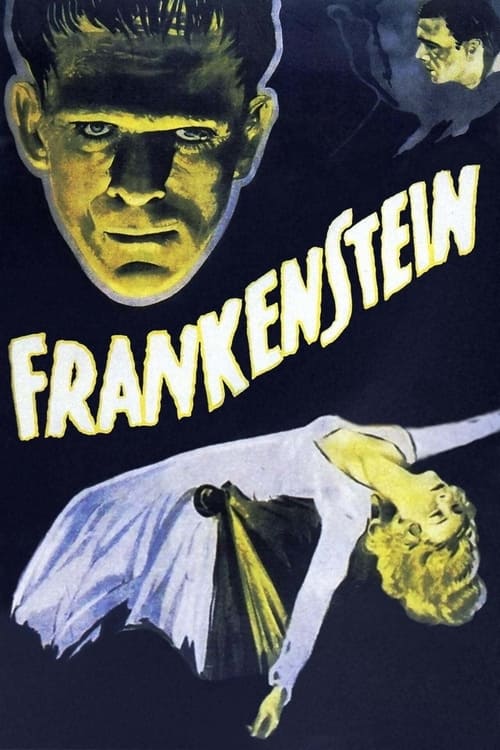
Frankenstein1931
Same year, same studio, same appetite for gothic dread—Boris Karloff's monster is heartbreaking in ways Dracula's Count never bothers to be. The other half of Universal's founding horror double bill.
But The pacing is even slower than Dracula's, and the tragedy sometimes feels closer to melodrama than horror.
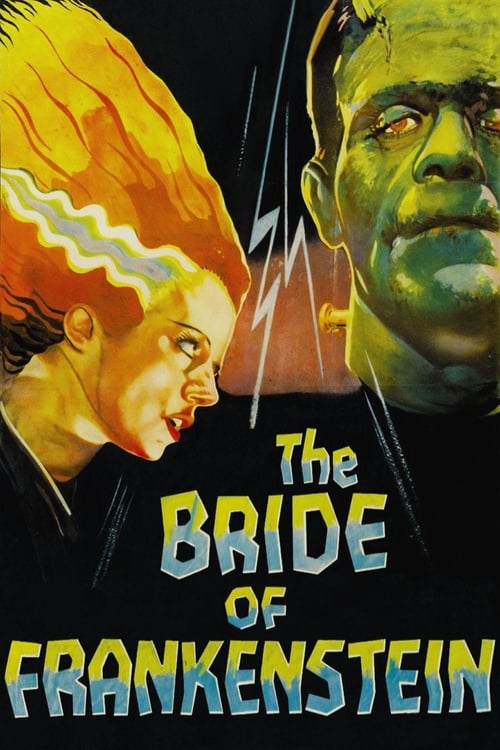
Bride of Frankenstein1935
James Whale's sequel is funnier, weirder, and more visually inventive than the original—arguably the high point of Universal horror's entire golden run.
But Its camp streak and black comedy might jar if you came looking for straight gothic menace.
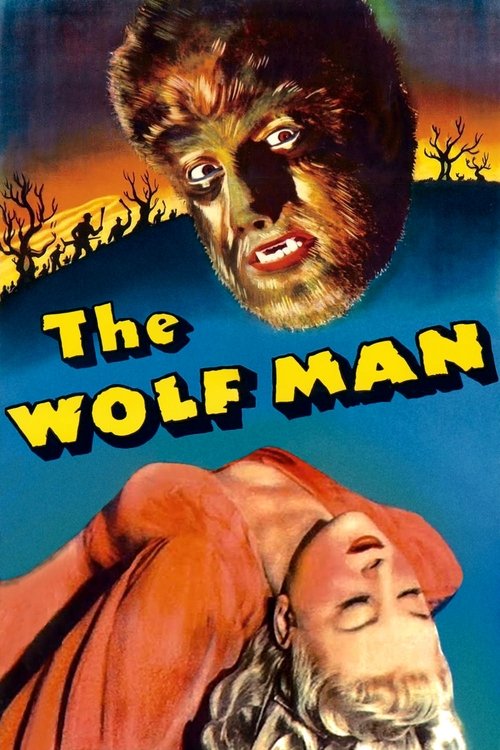
The Wolf Man1941
Trade the cape for fur: Lon Chaney Jr.'s tragic werewolf carries the same doomed, cursed-man pathos that makes Lugosi's Dracula linger in memory.
But The transformation effects are primitive even for the era, and the plot leans heavily on fog and repetition.
The wildcard
Something you would not have found on your own.
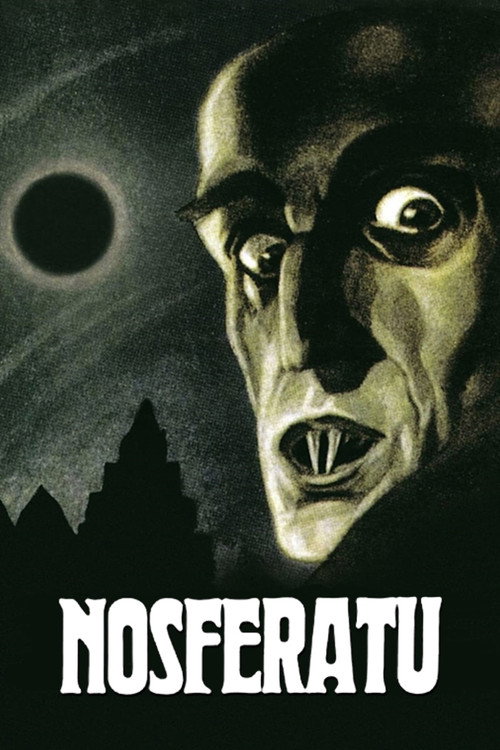
Nosferatu1922
Same Stoker source, made barely a decade earlier—this is the film that proved the story's horror before Lugosi ever spoke a word of it.
F.W. Murnau's unauthorized silent adaptation beat Lugosi to the story by nine years, and its Count Orlok is far more monstrous—a rat-faced thing of pure dread rather than seduction.
But It's silent, German expressionist, and demands patience with title cards and no spoken menace at all.
More like this (8)
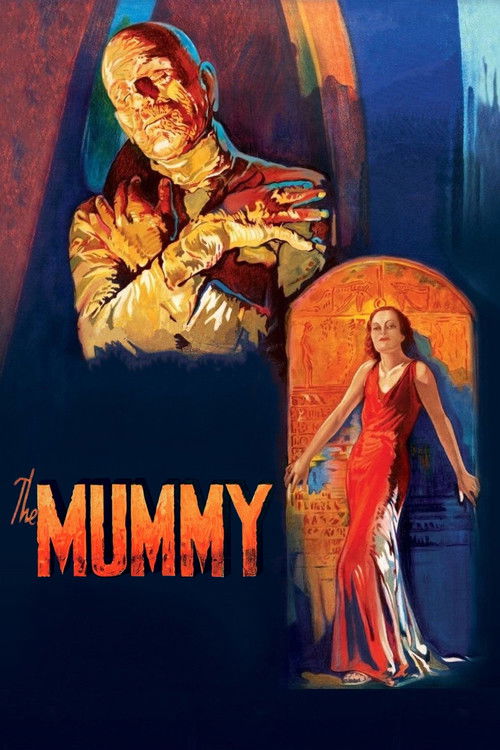
The Mummy1932
Karloff again, this time as a reanimated priest pining across centuries—the same hushed, funereal pace as Dracula, the same eerie stillness.
But It moves even slower, with long stretches of hypnotic staring rather than actual incident.
Dracula1958no page yet
Hammer's Technicolor reboot with Christopher Lee is faster, bloodier, and far more overtly sexual—everything the 1931 version only ever implied.
But The gore and lurid colour might feel like a betrayal of the original's careful restraint.
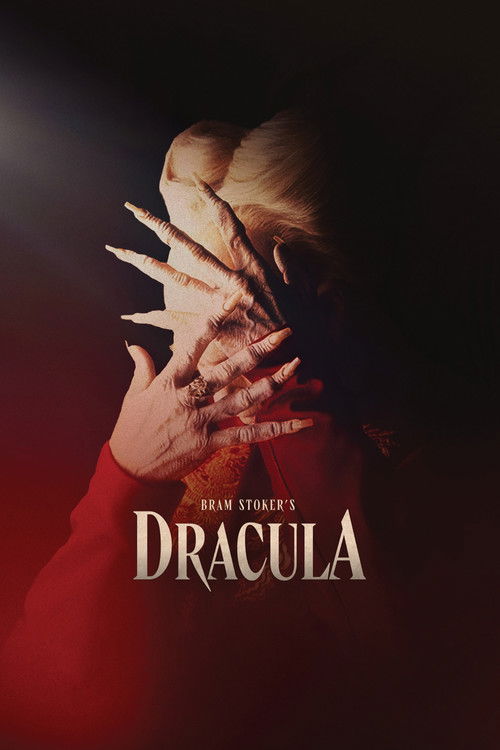
Bram Stoker's Dracula1992
Coppola's operatic, decadent retelling restores the novel's romance and horror in equal measure, with Gary Oldman unrecognisable under layers of makeup and menace.
But It's lush to the point of excess—some find the theatrical staging exhausting rather than seductive.
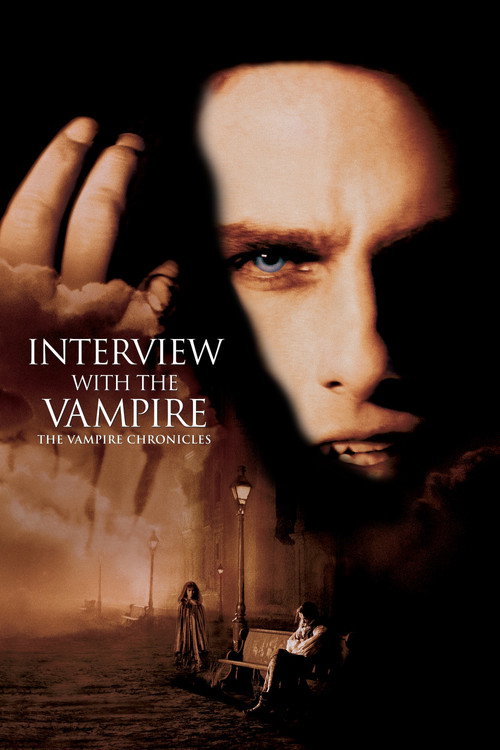
Interview with the Vampire1994
Anne Rice's vampires are seductive, melancholic, and morally exhausted—Tom Cruise and Brad Pitt make immortality look like a curse worth savouring anyway.
But It's talkier and more emotionally indulgent than the brisk, economical 1931 original.
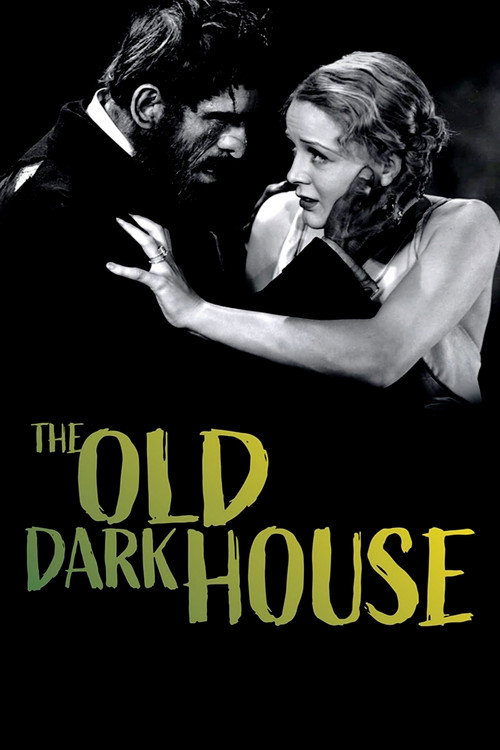
The Old Dark House1932
James Whale again, blending gothic dread with dry wit—a haunted-house comedy-horror hybrid that shows the era's range beyond straight fright.
But It's closer to a comedy of manners than horror, which might disappoint anyone wanting pure dread.
Dracula1979no page yet
Frank Langella plays the Count as genuinely romantic rather than monstrous—a lush, sensual counterpoint to Lugosi's cold, reptilian stare.
But The romantic reframing strips away some of the original's menace and mystery.
Martin1978no page yet
Both ask what a vampire actually is; Romero strips away every gothic trapping to ask whether the myth was ever more than mental illness and predation.
George Romero strips the myth down to a lonely, disturbed young man in suburban Pittsburgh who may or may not actually be a vampire—no capes, no castles, just American dread.
But It's grainy, low-budget, and deliberately ambiguous—closer to a character study than a horror spectacle.
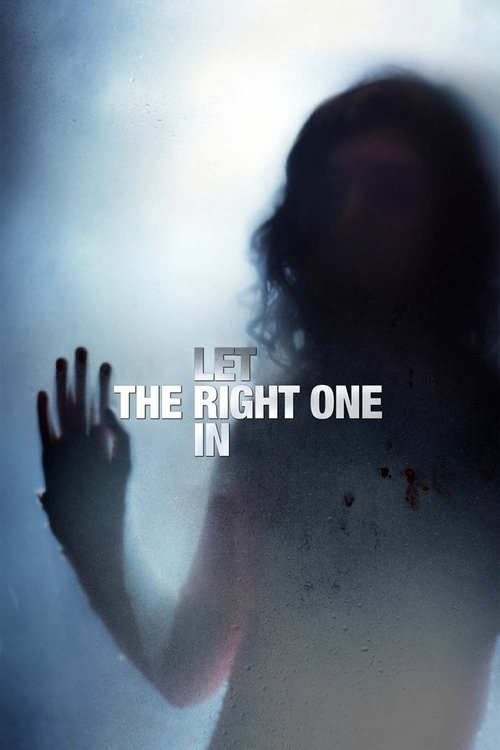
Let the Right One In2008
The same predatory intimacy at the heart of Dracula's seductions, reframed as childhood friendship curdling into something far sadder and stranger.
A Swedish coming-of-age story about a lonely boy and the ageless child next door—tender, brutal, and quietly devastating in ways gothic horror rarely attempts.
But It's subtitled, slow-burning, and more heartbreak than horror—don't expect capes or castles.
People
Cast
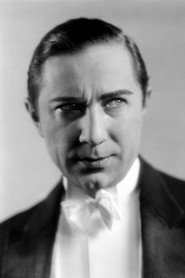 Bela LugosiCount Dracula
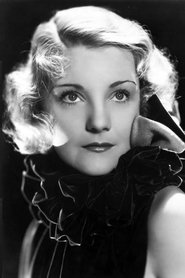 Helen ChandlerMina
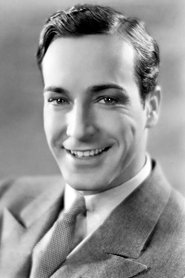 David MannersJohn Harker
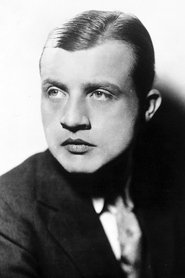 Dwight FryeRenfield
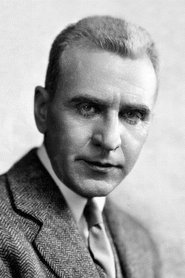 Edward Van SloanVan Helsing
 Herbert BunstonDoctor Seward
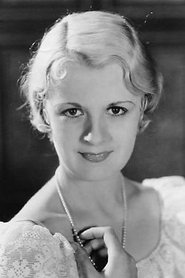 Frances DadeLucy
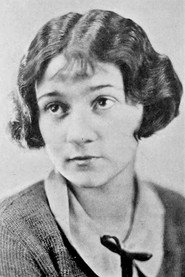 Joan StandingMaid
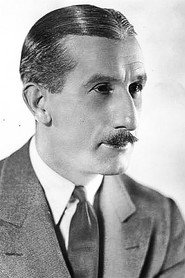 Charles K. GerrardMartin
- Anna BakacsInnkeeper's Daughter (uncredited)
 Bunny BeattyFlower Girl (uncredited)
- Nicholas BelaCoach Passenger (uncredited)
Directing
- Karl FreundCo-Director
- Dudley MurphyContinuity
- Tod BrowningDirector
- Scott R. BealFirst Assistant Director
- Aileen WebsterScript Supervisor
- Charles LogueScript Supervisor
- Herman SchlomSecond Assistant Director
Writing
- Dudley MurphyDialogue
- Bram StokerNovel
- Max CohenOther
- Garrett FortScreenplay
- Hamilton DeaneTheatre Play
- John L. BalderstonTheatre Play
- Frederick StephaniWriter
- Louis BromfieldWriter
- Louis StevensWriter
- Tod BrowningWriter
Production
- E.M. AsherAssociate Producer
- Phil M. FriedmanCasting
- Carl Laemmle Jr.Producer
- Tod BrowningProducer
- Nan GrantResearcher
Recommended by
The Mummy, Frankenstein, Freaks, Nosferatu, Bram Stoker's Dracula, Bride of Frankenstein, The Wolf Man, Nosferatu