
Film
Dracula
Other titles called Dracula: the 1931 film, the 1958 film, the 2020 series (BBC One).
Langella's Dracula is a seductive, melancholic vampire—less monster than romantic tragedy. John Badham's 1979 film prioritizes Gothic atmosphere and sensual dread over gore, with Olivier's Van Helsing anchoring the battle between immortal desire and mortal duty. It's for anyone who finds the Dracula story worth revisiting as a love story haunted by corruption.
Should you watch it?
Watch it if you care more about a lush, melancholy romance dressed in gothic costume than about jump scares, and you enjoy actors playing their big speeches with real feeling.
Skip it if the pace is deliberate and the scares are sparse, so if you want a brisk, blood-soaked chase you will find it stately and talky.
What it asks of you: Running just under two hours at a measured clip, it asks you to settle into its mood and velvety theatrical atmosphere rather than wait for shocks.
Not sure? Find tonight's pick in a minute.
If you liked this
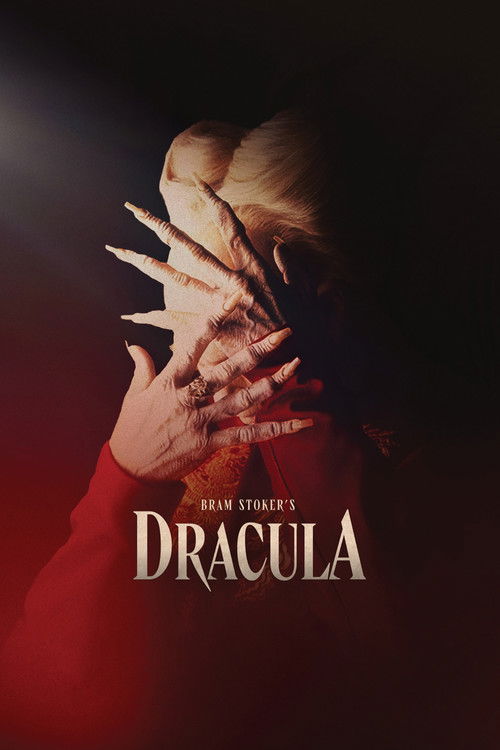
Bram Stoker's Dracula1992
Coppola's operatic interpretation of the same text, drenched in visual excess and sexual mythology. More ambitious, messier, and genuinely unsettling in ways the 1979 film never attempts.
But Three hours of maximalist filmmaking can feel airless. The performances veer toward theatrical in ways that date it worse than Langella's restraint.
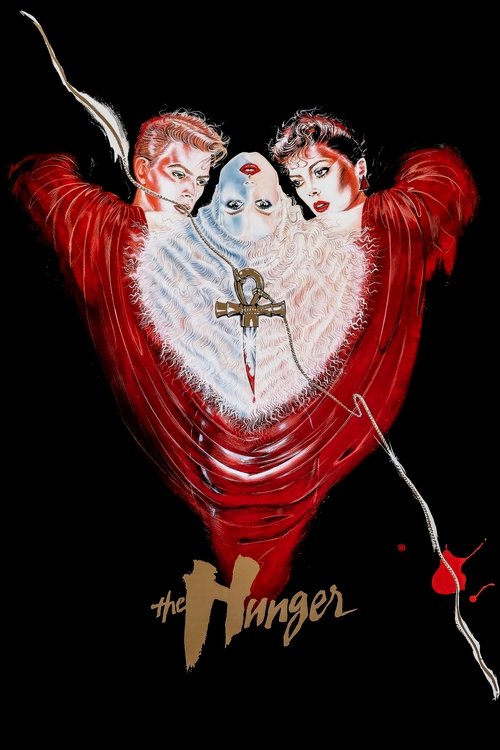
The Hunger1983
Scott's vampire film trades folklore for decadent atmosphere and erotic tension. Catherine Deneuve as a centuries-old creature; the mood is pure seduction and decay, very much in Langella's ballpark.
But The plot dissolves into aesthetic drift. If you need narrative momentum over mood, you'll find it frustratingly inert.
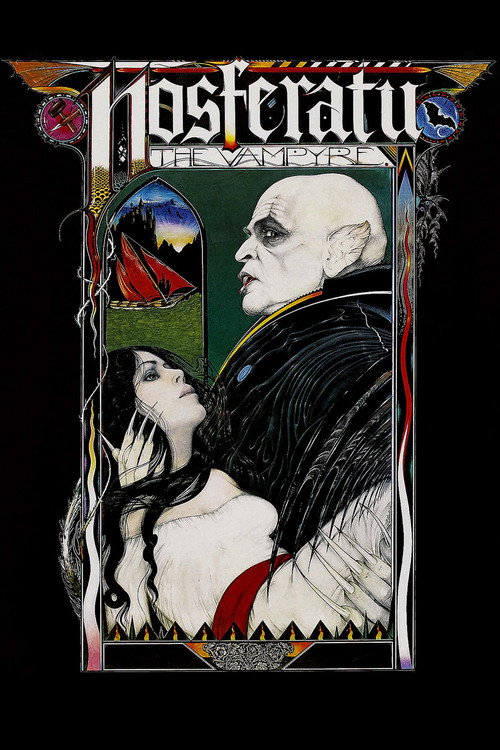
Nosferatu the Vampyre1979
Herzog's German remake of Nosferatu, released the same year as Langella's film. Klaus Kinski's Count is vulnerable and tragic; it shares Dracula's interest in vampirism as loneliness rather than mere evil.
But Deliberately paced to the point of glacial. The slowness serves the film's melancholy but demands patience.
Not sure tonight? Get a pick in a minute, starting from Dracula
The wildcard
Something you would not have found on your own.
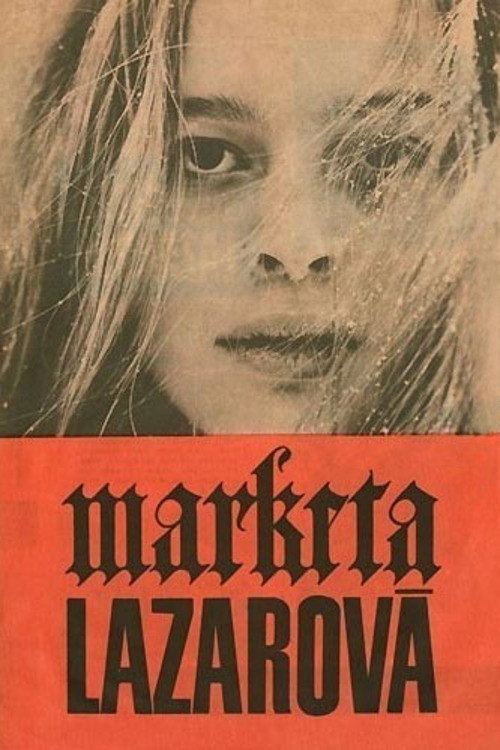
Marketa Lazarová1967
Both films prioritize Gothic visual language and moral ambiguity over plot clarity; both believe atmosphere can do what dialogue cannot. Lazarová is what Dracula's visual DNA comes from.
Vlácil's Czechoslovak medieval epic is relentlessly atmospheric Gothic—castles, forests, violence, and moral corruption rendered in expressionist black-and-white. It's the visual ancestor of Langella's Dracula, though set centuries earlier and with no supernatural element.
But Nearly three hours of deliberately austere filmmaking with minimal dialogue. Not a narrative you follow—a mood you surrender to. Subtitled.
More like this (8)
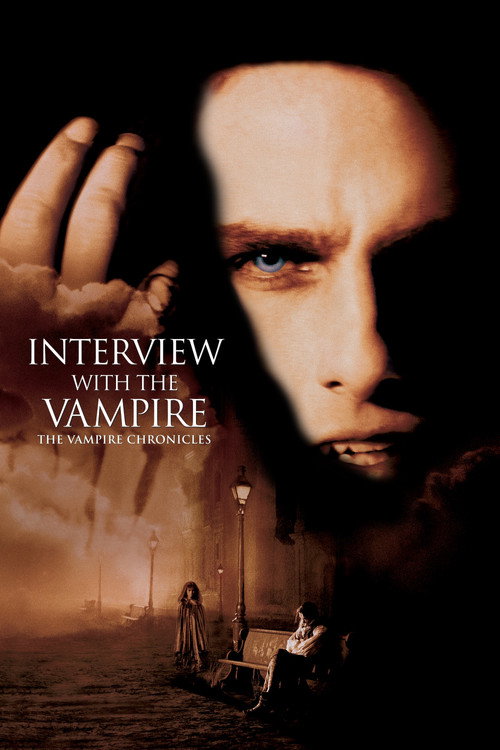
Interview with the Vampire1994
Neil Jordan's adaptation trades action for sensuality and philosophical doubt. Tom Cruise and Brad Pitt explore vampire existence as existential crisis wrapped in Gothic romance—similar thematic ground to the '79 Dracula.
But The screenplay softens Rice's darkness. If you want moral ambiguity without Hollywood resolution, you might feel the film flinches.
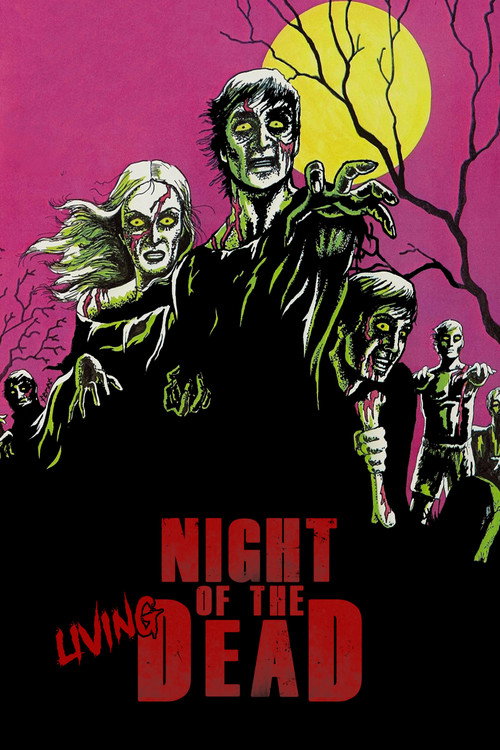
Night of the Living Dead1968
British horror anthology that predates Langella by decades but shares his film's taste for atmospheric dread over jump scares. Genuinely eerie and influential; proves the 1979 Dracula didn't invent its mood.
But Episodic structure means uneven quality. The first segment lingers; others fade.
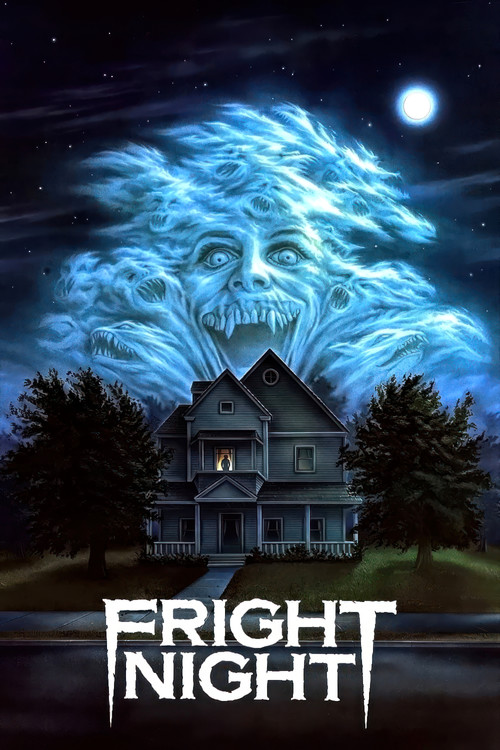
Fright Night1985
Tom Holland's vampire-next-door thriller marries Langella's seductive Count archetype with genuine suspense. Fun, stylish, and more interested in mood and cat-and-mouse psychology than gore.
But Leans harder into thriller mechanics than pure Gothic. If you want atmosphere to trump plot, this edges toward conventional.
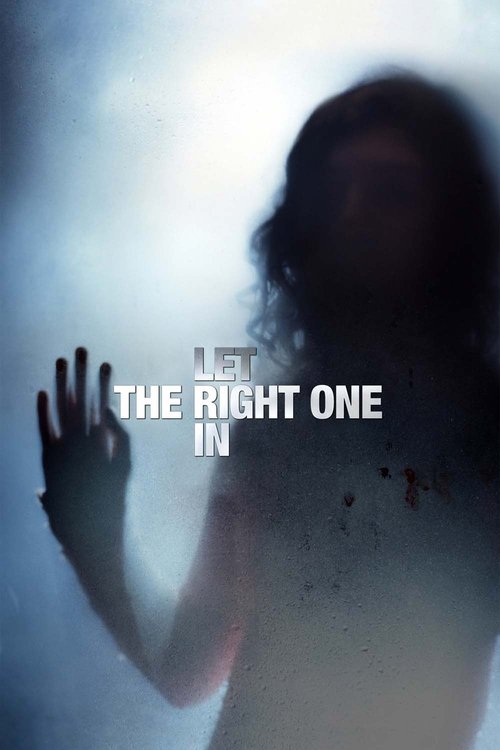
Let the Right One In2008
Tomas Alfredson's vampire tale is quiet, aching, and deeply romantic. Like Dracula, it refuses to make the vampire simply monstrous; the result is far stranger and more moving than traditional horror.
But Deliberately sparse. Swedish subtitled cinema on a small budget; not spectacle, but intimate and sometimes slow.
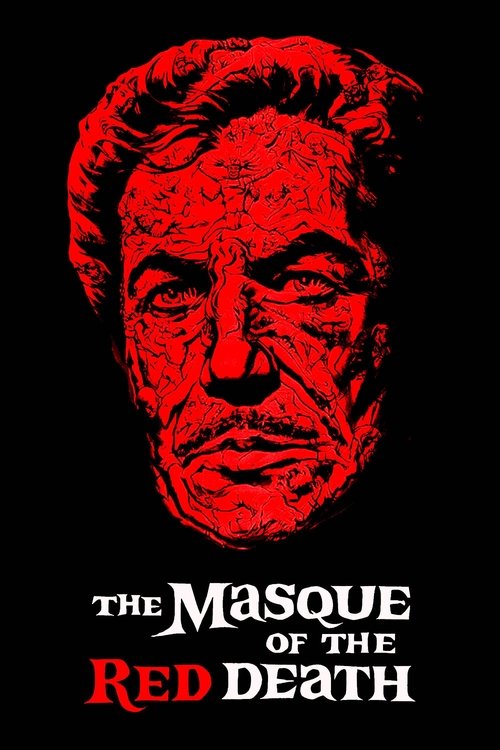
The Masque of the Red Death1964
Corman's Poe adaptation shares Dracula's interest in Gothic decay and immortal evil as seductive force. Roger Corman at his most visual and atmospheric, with a score that haunts longer than plot details.
But The budget shows; sets feel theatrical rather than lived-in. Plot is skeletal—it's entirely a mood piece.
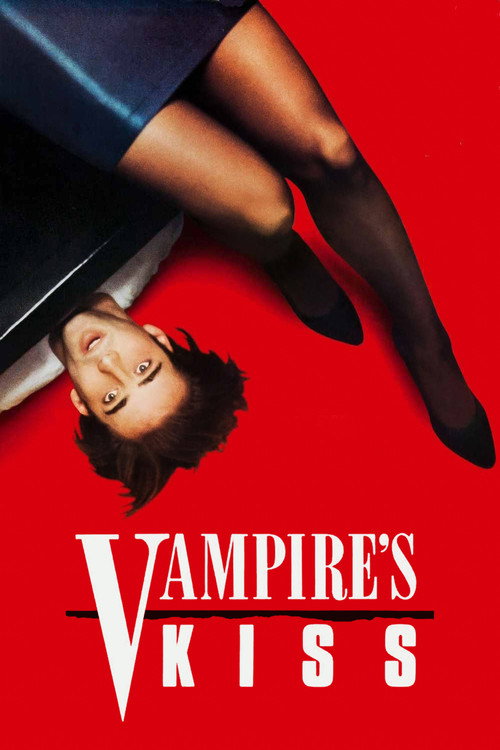
Vampire's Kiss1989
Nicolas Cage as a man convinced he's becoming a vampire. Deeply weird, blackly comic descent into delusion; the inverse of Langella's seductive aristocrat—this Dracula is urban, feverish, and unraveling.
But Aggressively strange and deliberately unsettling in tone. Cage's intensity can feel abrasive; the film never lets you settle into comfort.
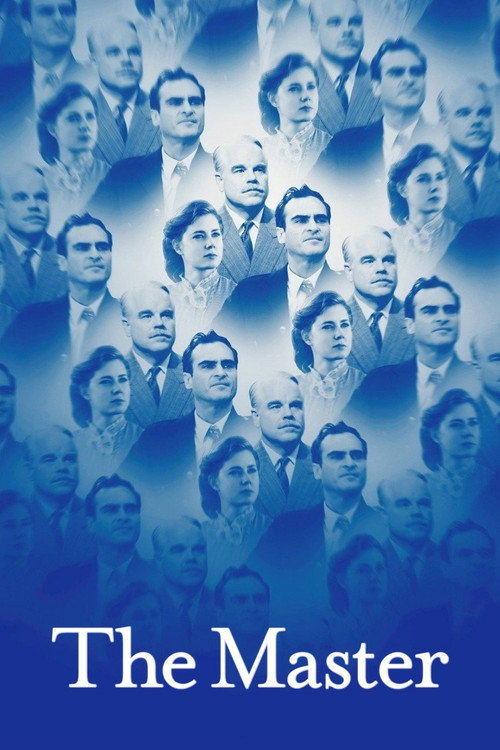
The Master2012
Both are about hypnotic seduction—Dracula through sexuality and immortality, The Master through ideology and personality. Both ask why we surrender to compelling lies.
P.T. Anderson's film about a charismatic man seducing followers into spiritual surrender. Joaquin Phoenix as a vessel for another man's will; like Dracula, it explores desire as a force that overwrites reason and morality.
But Cryptic and demanding. It resists interpretation; if you need clarity about what you're watching, this will frustrate you deeply.
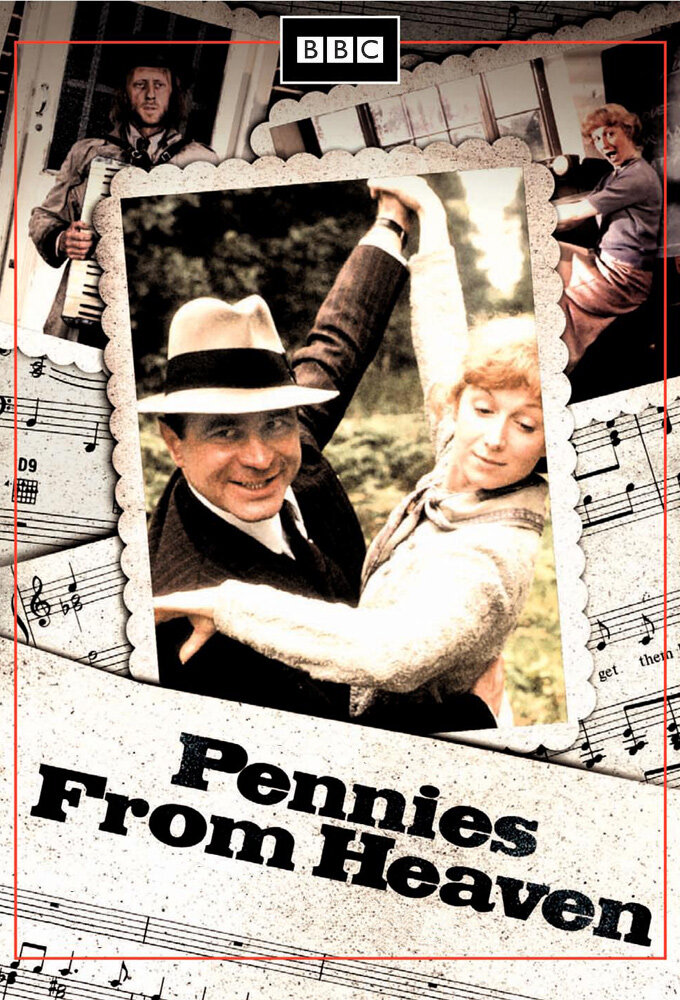
Pennies from Heaven1978
Both films understand seduction as a kind of curse—something that feels transcendent until you realize it's consuming you. Both are too intelligent to pretend this ends well.
Potter's BBC miniseries starring Bob Hoskins is a Depression-era romance drenched in melancholy and doomed desire. Like Langella's Dracula, it treats forbidden love as beautiful and destructive; the mood is sensual, resigned, tragic.
But Bleak and sexually explicit for 1981 British television. The story offers no redemption or happiness—only the ache of impossible want. Devastating, not uplifting.
People
Cast
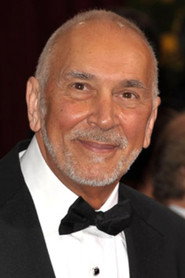 Frank LangellaCount Dracula
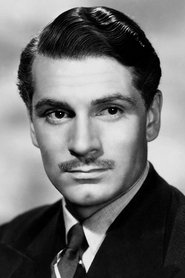 Laurence OlivierProf. Abraham Van Helsing
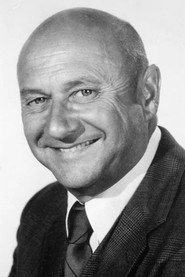 Donald PleasenceDr. Jack Seward
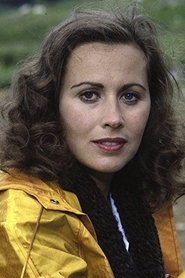 Kate NelliganLucy Seward
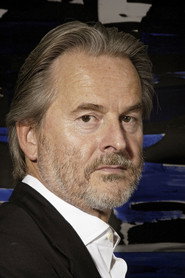 Trevor EveJonathan Harker
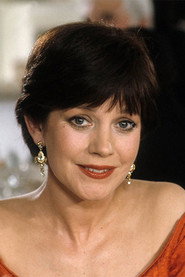 Jan FrancisMina Van Helsing
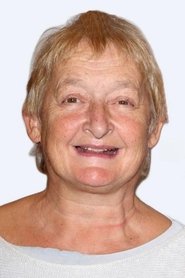 Janine DuvitskiAnnie
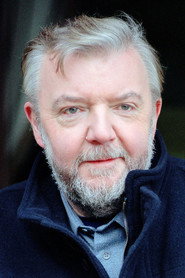 Tony HaygarthMilo Renfield
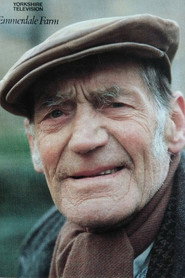 Teddy TurnerSwales
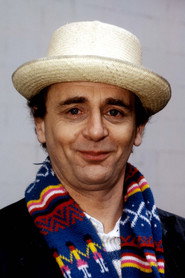 Sylvester McCoyWalter
- Kristine HowarthMrs. Galloway
- Joe BelcherTom Hindley
Directing
- Anthony WayeAssistant Director
- Pamela CarltonContinuity
- John BadhamDirector
- Gerry GaviganSecond Unit Director
Writing
- Bram StokerNovel
- W.D. RichterScreenplay
- Hamilton DeaneTheatre Play
- John L. BalderstonTheatre Play
Production
- Tom PevsnerAssociate Producer
- Mary SelwayCasting
- Marvin MirischExecutive Producer
- Jim BrennanLocation Manager
- Philip KohlerLocation Manager
- Walter MirischProducer
- Hugh HarlowProduction Manager
- Gordon ArnellPublicist