
Film
The Masque of the Red Death
Other titles called The Masque of the Red Death: the 1989 film.
- Horror
- Very dark
Corman's Poe adaptation is a fever dream in primary colours: Vincent Price as a decadent nobleman who locks himself away from plague while his peasants die outside. Visually baroque and theatrically cruel, it moves like a nightmare logic puzzle rather than a conventional narrative. For anyone drawn to style as substance and willing to let weirdness wash over plot.
Should you watch it?
Watch it if you want gothic horror staged like theatre, where candlelit rooms, painted colour and a sneering aristocrat matter more than jump scares.
Skip it if you find villainy-led cruelty and a stagy, deliberately slow rhythm hard going, since it lingers on the prince's excesses rather than building suspense.
What it asks of you: Ninety minutes of unhurried, talky build-up inside a richly theatrical, airless nightmare, with the dread arriving in measured doses rather than sudden jolts.
Not sure? Find tonight's pick in a minute.
If you liked this
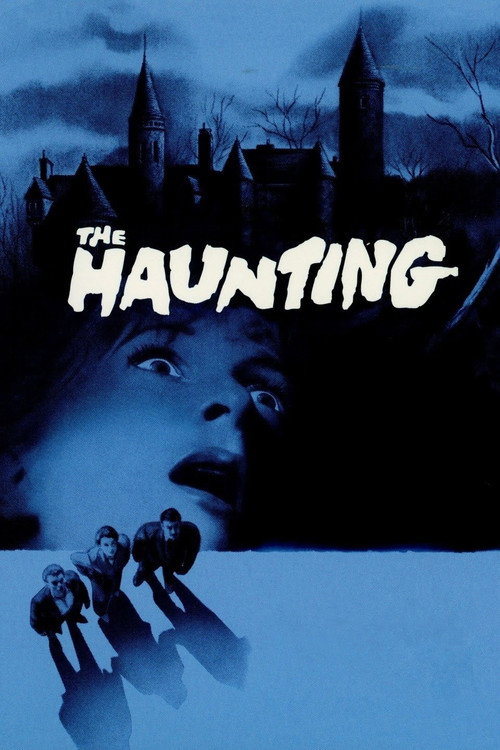
The Haunting1963
A masterclass in dread built from shadows and suggestion rather than gore. Like Red Death, it trusts atmosphere and ambiguity to do the real work, and lets you fill in the horror yourself.
But It's patient to the point of slowness, and the supernatural explanation is deliberately vague. Some will find it frustratingly restrained.
Suspiria1977
Another exercise in visual and sonic horror that prioritizes hypnotic style over naturalism. Argento builds dread through colour, geometry, and sound design the way Corman does—reality bent into something more potent than itself.
But The narrative is deliberately thin and the dubbing can be distracting. It's more about the spell than the story.

The Cabinet of Dr. Caligari1920
An expressionist fever dream about plague, power, and a charismatic madman. Like Red Death, the distorted sets and moral decay are inseparable—the world looks broken because morality is.
But It's a silent film from 1920, shot in an aggressively theatrical style. The pacing and visual language will feel very distant if you're used to modern cinema.

Not sure tonight? Get a pick in a minute, starting from The Masque of the Red Death
The wildcard
Something you would not have found on your own.
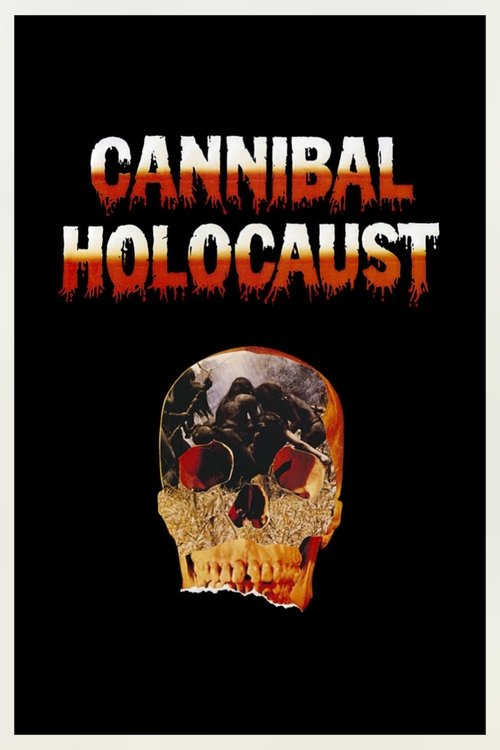
Cannibal Holocaust1980
Both films use formal strangeness—distorted sets, overwhelming visual schemes, abstraction—to make death and damnation physically present rather than merely suggesting them.
Gaspar Noé's abstract meditation on Hell itself: barely a narrative, mostly a descent through colour and sound into psychological torment. Like Red Death, it's pure cinema as mood and visual texture rather than story.
But There is almost no plot, dialogue is minimal, and it's deliberately abrasive and repetitive. It demands active interpretation and will exhaust viewers looking for traditional narrative.
More like this (8)
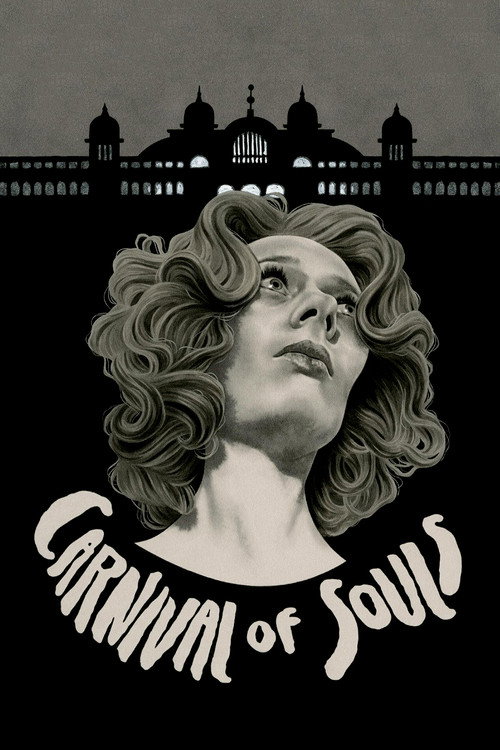
Carnival of Souls1962
A haunting indie horror about a woman caught between life and death. It has Red Death's sense of creeping inevitability and uses its low budget to create something genuinely unsettling and strange.
But The acting is unpolished and the technical quality is deliberately rough. Its power comes from its strangeness, not its craft, which won't appeal to everyone.
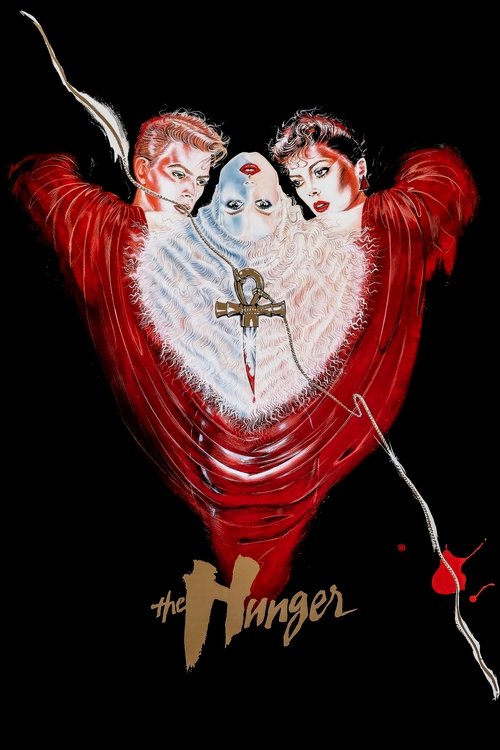
The Hunger1983
Bauhaus-influenced decadence and dread. An undead vampire couple's relationship unravels with the same visual sophistication and darkness as Red Death, asking what immortality costs.
But It's more interested in mood and eroticism than coherent plotting. The second half loses narrative momentum for atmosphere.
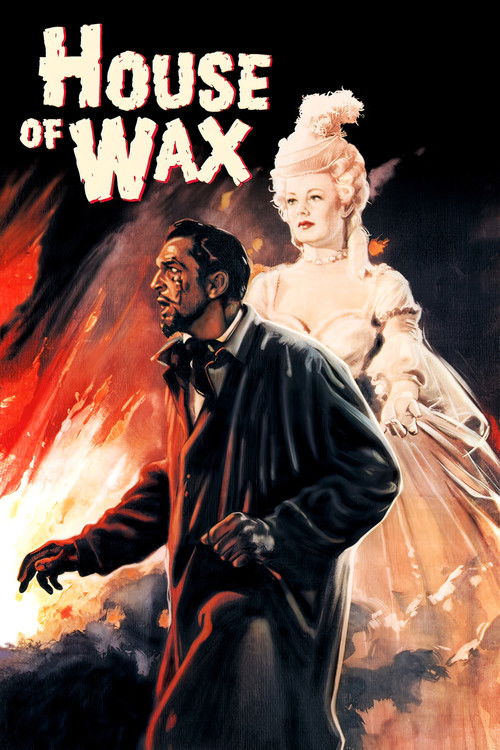
House of Wax1953
Vincent Price at his most theatrical, presiding over a Gothic world of artifice and horror. It shares Red Death's love of performance and spectacle, with Price commanding every frame.
But The 3D gimmickry dates it visually, and the plot is more straightforward monster-movie than Red Death's philosophical darkness.
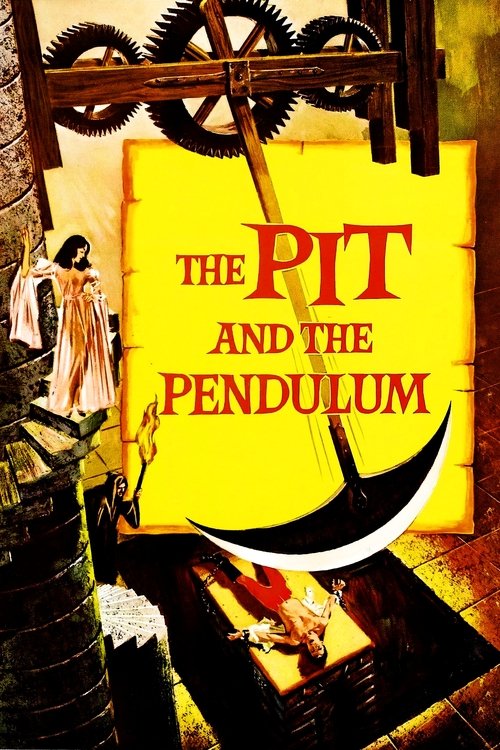
The Pit and the Pendulum1961
Corman's other Poe masterpiece: all baroque sets, impossible colours, and Price navigating guilt and madness. It proves Red Death wasn't an accident—this is Corman's vision in full.
But Both films can feel emotionally hollow. They prioritize visual and tonal richness over character investment or genuine scares.
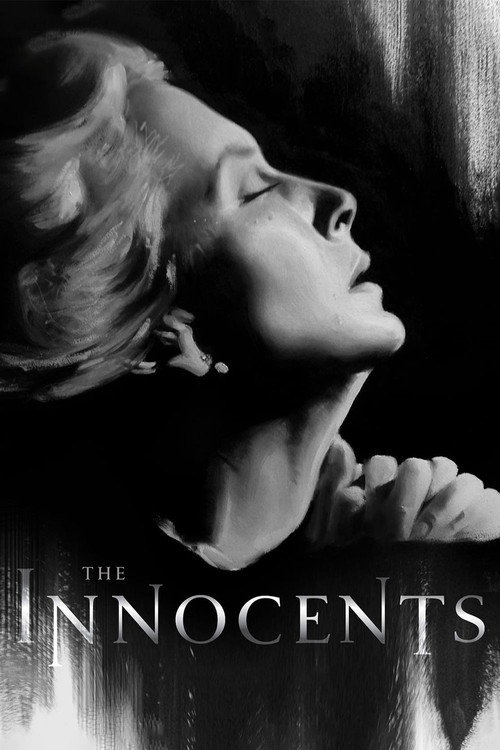
The Innocents1961
A psychological horror about children and corruption told almost entirely through implication. It builds dread the way Red Death does—through beauty and suggestion rather than revelation.
But Some viewers find it boring because nothing is explained or confirmed. It requires active, patient engagement.
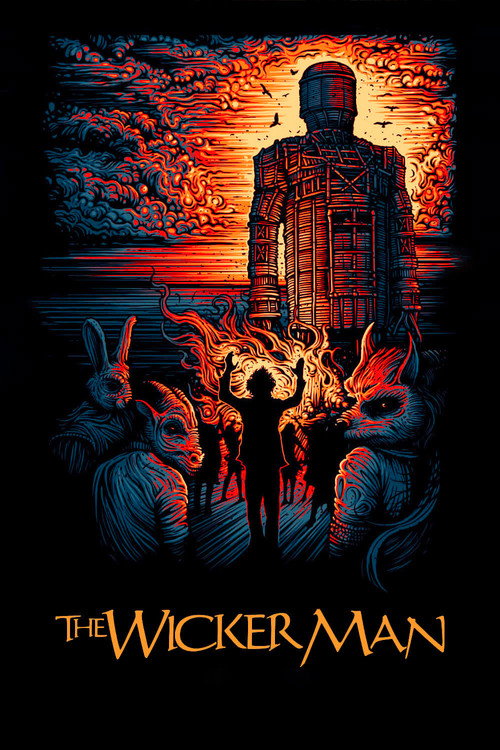
The Wicker Man1973
A stranger arrives in a pagan community where nothing is as it seems. It shares Red Death's interest in ritual, death as inevitability, and the horror of helplessness.
But The folk-horror premise and ending are divisive. Some find it brilliant; others find the pagan elements overwrought.
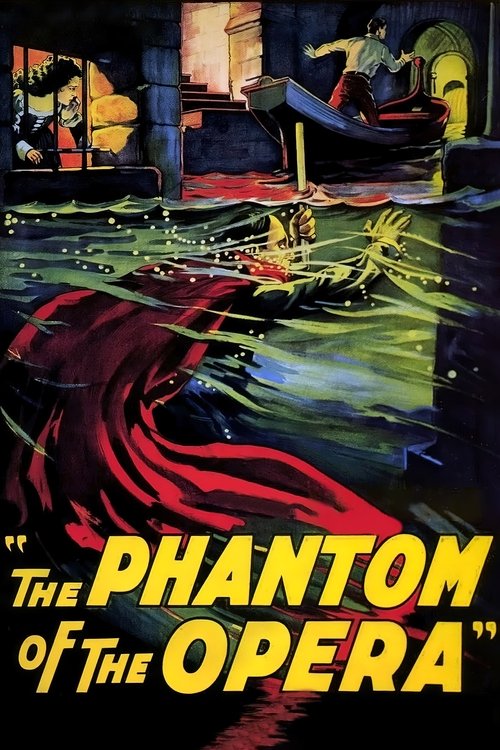
The Phantom of the Opera1925
Both films see theatricality and architecture as expressions of a protagonist's inner corruption—the castle or opera house becomes visible proof of spiritual decay.
A silent Gothic masterpiece: masked power, theatrical obsession, a man using spectacle to control and dominate. The colour tinting and production design create the same unreal, dreamlike spaces as Red Death.
But It's a 1925 silent film. The emotional register is pre-modern, the pacing unhurried, and understanding its power requires patience and adjustment.
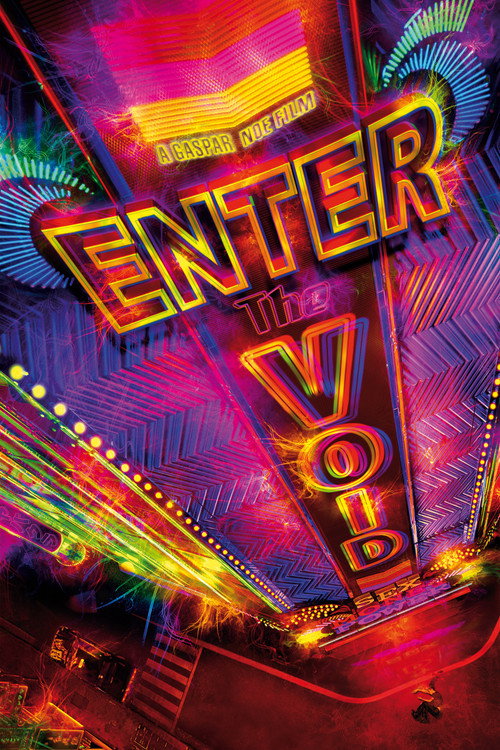
Enter the Void2010
Both films treat death not as an event but as a state to inhabit and move through; both prioritize sensory experience over narrative logic, creating cinema as a kind of vision rather than a story.
A hallucinatory voyage through Tokyo's neon underworld and the afterlife itself, shot almost entirely from a first-person perspective. It's as committed to visual fever-dream as Red Death, refusing naturalism entirely.
But It's genuinely difficult to watch—flashing lights, nauseating camera movement, minimal plot, and a demanding runtime. It's experimental to the point of being hostile to passive viewing.
People
Cast
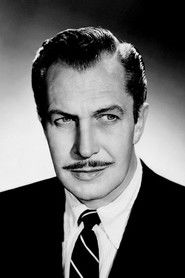 Vincent PricePrince Prospero
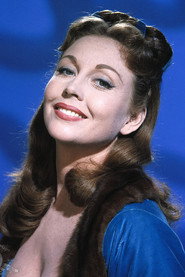 Hazel CourtJuliana
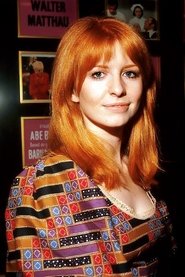 Jane AsherFrancesca
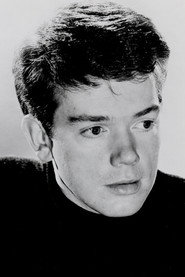 David WestonGino
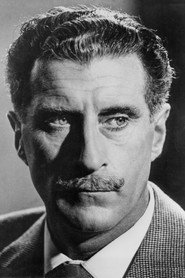 Nigel GreenLudovico
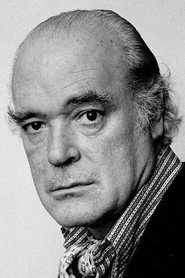 Patrick MageeAlfredo
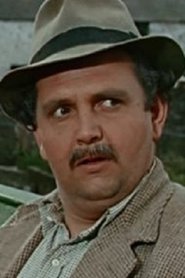 Paul Whitsun-JonesScarlatti
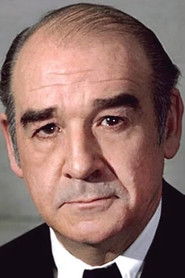 Robert BrownGuard
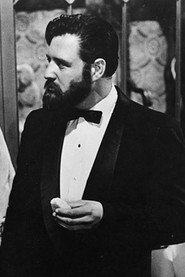 Julian BurtonSeñor Veronese
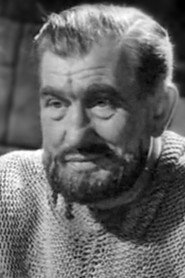 David DaviesLead Villager
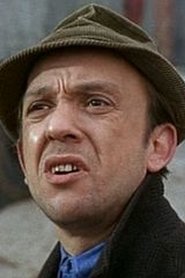 Skip MartinHop Toad
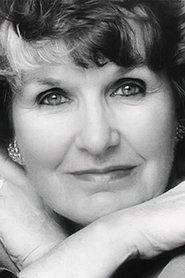 Gaye BrownSeñora Escobar
Directing
- Peter PriceAssistant Director
- Roger CormanDirector
Writing
- Charles BeaumontScreenplay
- R. Wright Campbell Screenplay
- Edgar Allan PoeShort Story
Production
- George WilloughbyAssociate Producer
- G. B. WalkerCasting
- Roger CormanProducer
Recommended by
Nicholas and Alexandra, The Age of Shadows, House of Usher, Waxworks, Dracula, From Hell, The Abominable Dr. Phibes, The Committee, The Pit and the Pendulum, Lucrezia Borgia, Gormenghast, The Phantom of the Opera, Captain Clegg, The Corsican Brothers, Scream and Scream Again, The Black Torment, Circus of Horrors, The Bloody Judge, The Skull, The Vengeance of She, The Torture Chamber of Dr. Sadism