
Film
House of Wax
Other titles called House of Wax: the 2005 film.
Vincent Price presides over a fever dream of a film: a wax museum that becomes a tomb, a sculptor's madness rendered in vivid 3D technicolor. It's lurid, theatrical, visibly delighted by its own depravity. Essential viewing for anyone who wants to understand how horror works when it stops pretending to be respectable.
Should you watch it?
Watch it if you love old-fashioned Technicolor horror where the dread is built slowly through gorgeous sets, theatrical lighting and a villain who savours his own menace, the way early fifties studio thrillers did best.
Skip it if you need modern gore or a fast pace, since it takes its time setting up the museum and its characters before the mood curdles into anything truly frightening.
What it asks of you: Settle in for about ninety minutes of unhurried, talky build-up, then a tense final stretch; it rewards patience and an appetite for ornate, period-style scares.
Not sure? Find tonight's pick in a minute.
If you liked this
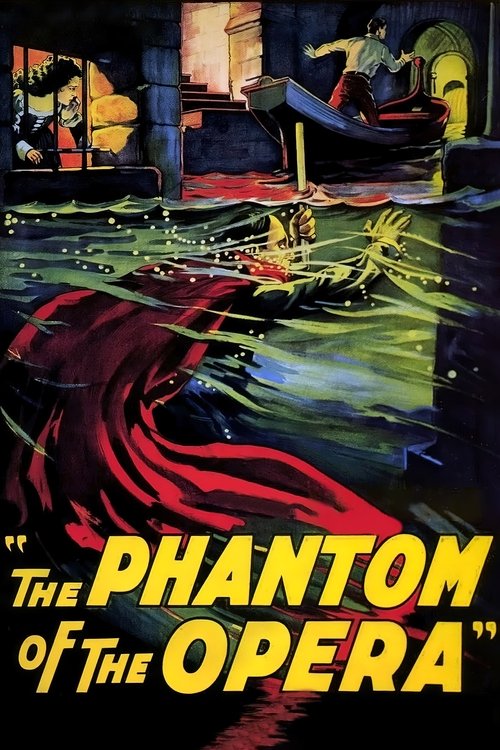
The Phantom of the Opera1925
Lon Chaney's silent masterpiece about a disfigured genius haunting an opera house. It has the same baroque obsession with beauty warped by pain, the same gothic architecture of the mind.
But Silent film pacing feels glacial now, and the emotional beats rely on your patience with intertitles and pantomime.
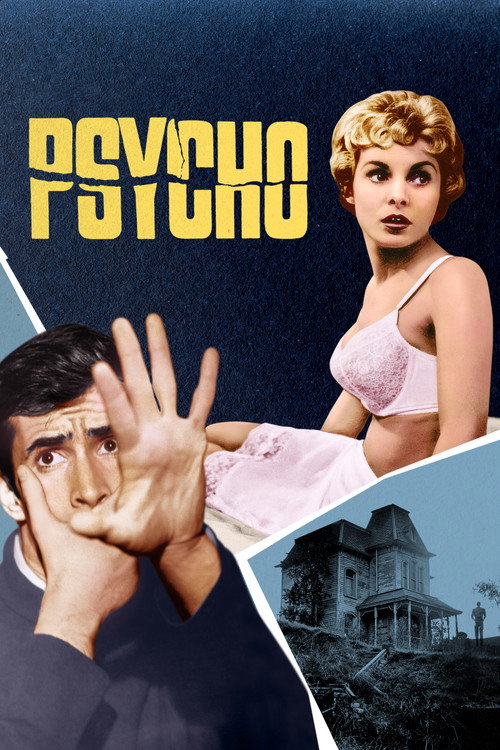
Psycho1960
Hitchcock's shower scene rewired American horror. Like *House of Wax*, it takes a mundane location—a bathroom, a museum—and makes it a chamber of dread through pure cinema craft.
But The twist, if unknown to you, is less shocking than it was. And Hitchcock's approach is colder, more clinical than Price's operatic intensity.
The Cabinet of Dr. Caligari1920
German Expressionism at its most hallucinatory: a hypnotist, a sleepwalker, murder. The distorted sets mirror the protagonist's fractured mind. *House of Wax* inherits this visual grammar.
But It's a silent film from a century ago. The pacing is deliberate, the acting wildly theatrical—not everyone's entry point to early horror.

Not sure tonight? Get a pick in a minute, starting from House of Wax
The wildcard
Something you would not have found on your own.
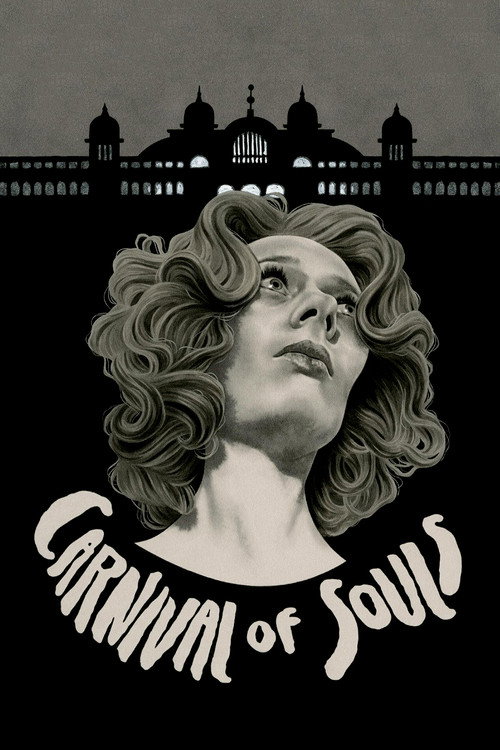
Carnival of Souls1962
Both films use their central location—the carnival/amusement park, the wax museum—as a threshold between the living and the dead. Both understand that horror is about feeling trapped in a place designed to seduce you.
A woman escapes a car crash and begins to suspect she's dead. Shot on a shoestring in black and white, it achieves a dreamlike dread Price spent colour and money chasing. The atmosphere is suffocating.
But It's unglamorous, shot in documentary style with non-professional actors. The pacing is deliberately slow. If you need plot momentum or star power, this will feel like a test of patience.
More like this (8)
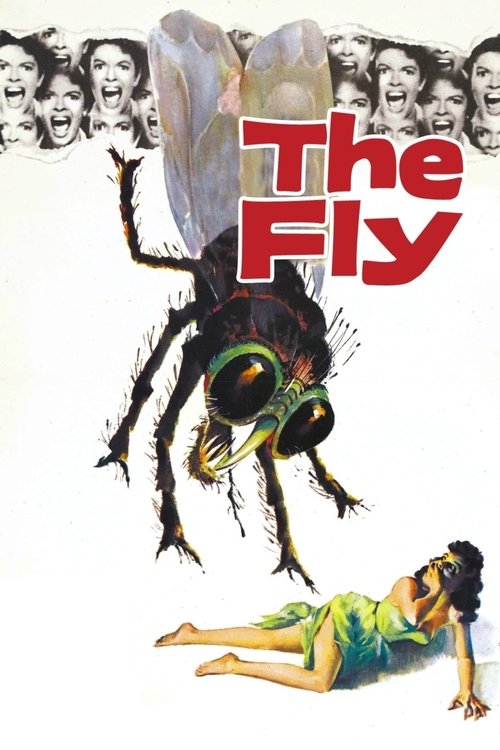
The Fly1958
Another '50s creature feature with genuine tragedy at its core. A scientist's transformation into something monstrous, staged with visceral practicality and real moral weight beneath the spectacle.
But The makeup effects, while groundbreaking, look dated now. And the premise—a man slowly becoming an insect—can feel more silly than horrifying depending on your mood.
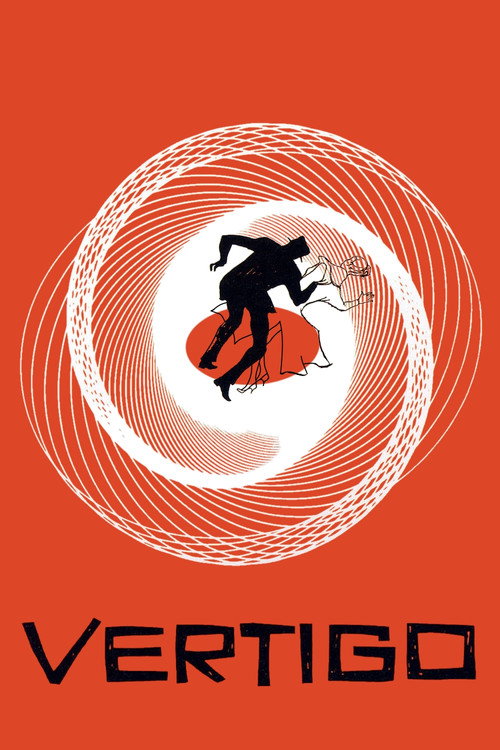
Vertigo1958
Obsession, illusion, and the danger of seeing what you want to see rather than what's there. Hitchcock's most formally audacious film and closest in spirit to Price's theatrical madness.
But It's a slow burn that depends on patience. Some viewers find it more puzzle-box than emotional experience, which distances rather than grips.
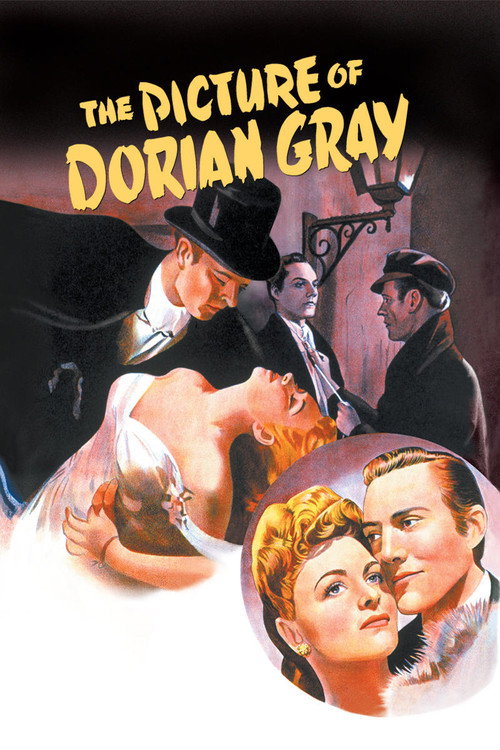
The Picture of Dorian Gray1945
Oscar Wilde's tale of a portrait aging while its subject stays beautiful. It's about vanity and corruption wearing the skin of aestheticism—thematically Price's soulmate.
But The film is far more restrained than the novel. Studio-era Hollywood sanitized Wilde's moral decay, leaving something handsome but toothless.
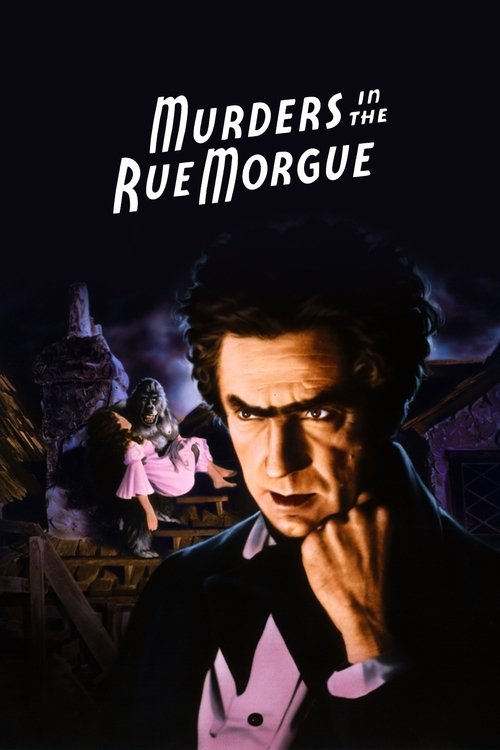
Murders in the Rue Morgue1932
Lugosi and ape-horror in the dawn of Universal's monster cycle. Proto-slasher logic: a madman, a vendetta, bodies. Primitive but potent, with genuine atmosphere.
But It's threadbare even by '30s standards. Long stretches of exposition and romance padding the brief moments of actual menace.
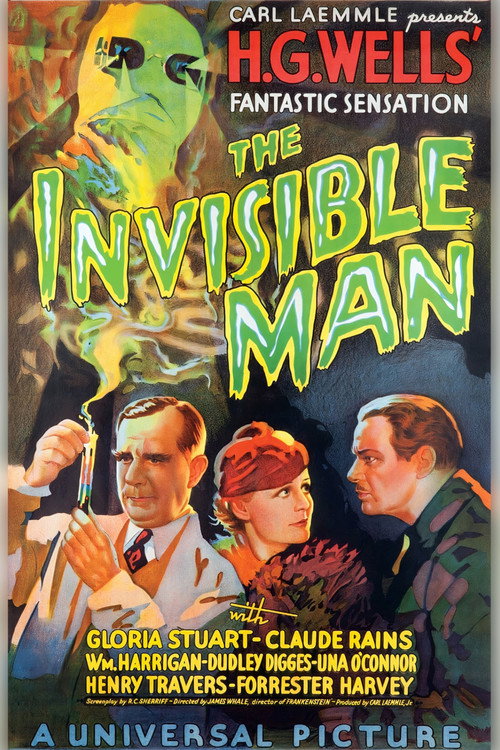
The Invisible Man1933
James Whale directing Claude Rains as a scientist who uses invisibility to terrorize the world. Rains' disembodied voice is pure theatrical evil—performance as the entire character.
But The special effects that dazzled in 1933 now read as quaint. And Whale's tonal whimsy (the film is often very funny) clashes with the cruelty of the premise.
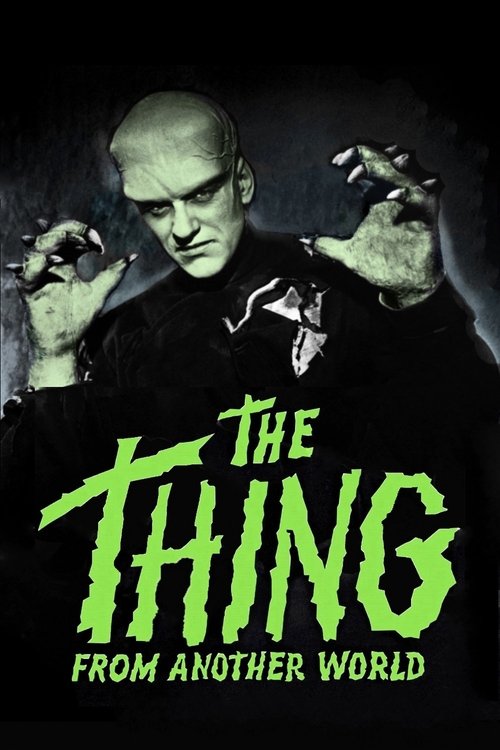
The Thing from Another World1951
A creature locked in a base with the people hunting it. Paranoia, isolation, and creature design that still works. The tense chess match between human and alien predates Alien by decades.
But The pacing is sluggish in the middle stretch. And the creature itself, when seen clearly, loses some power—practical suits age faster than suggestion.
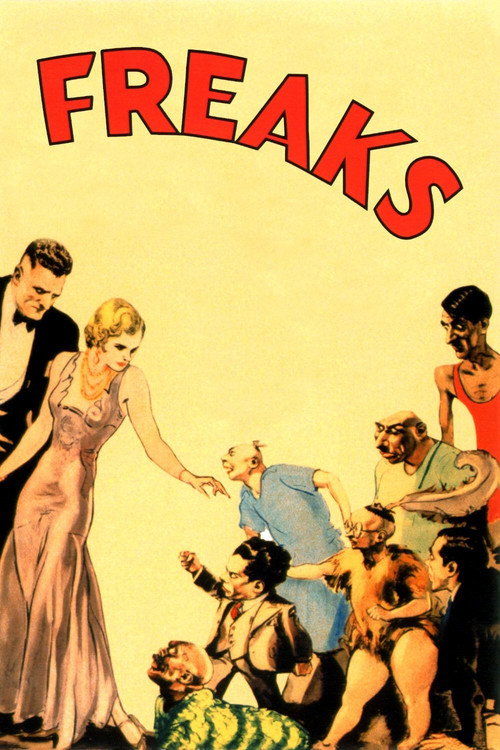
Freaks1932
Both films locate horror in the grotesque made beautiful, and both ask: who is the real monster—the deformed body or the cruel mind? Price's wax figures are exploited just as these performers are.
Tod Browning's banned masterpiece about circus performers exacting revenge on the "normal" people who exploit them. Uses actual performers with disabilities, which forces viewers to confront their own assumptions about monstrosity and beauty.
But It's genuinely disturbing, not in jump-scares but in its unflinching refusal to sentimentalize its subjects. And the revenge sequence is brutal. Some viewers find it exploitative despite its intentions.
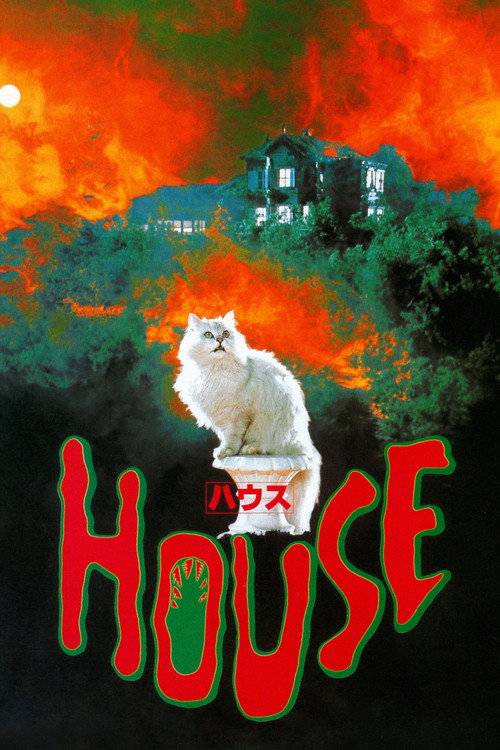
House1977
Both are films that understand horror as *aesthetic experience* rather than logic problem. Both use colour, production design, and performance as horror itself, not as a wrapper around it.
A Japanese art-horror fever dream about schoolgirls in a haunted mansion. It's surrealist, formally wild, occasionally hilarious, always visually intoxicated. If you want *House of Wax*'s theatricality and colour but filtered through an entirely different cinematic tradition.
But The plot is deliberately incoherent. It's a mood and a visual experience, not a narrative puzzle. If you need causality and sense, it will frustrate you.
People
Cast
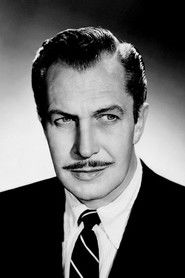 Vincent PriceHenry Jarrod
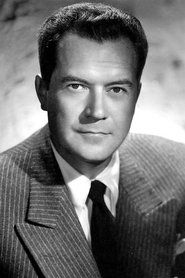 Frank LovejoyTom Brennan
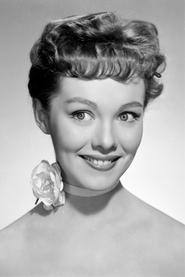 Phyllis KirkSue Allen
 Carolyn JonesCathy Gray
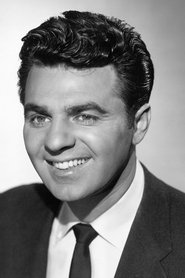 Paul PicerniScott Andrews
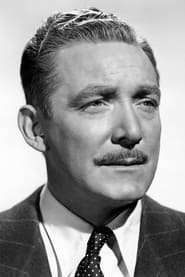 Roy RobertsMatthew Burke
 Angela ClarkeMrs. Andrews
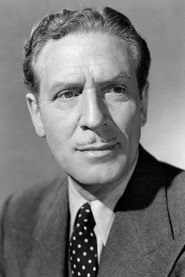 Paul CavanaghSidney Wallace
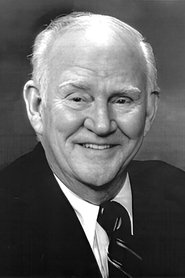 Dabbs GreerShane
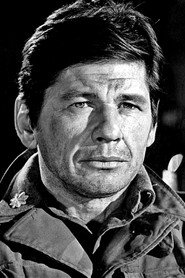 Charles BronsonIgor
- Reggie RymalBarker
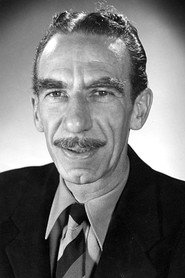 Oliver BlakeMan Checking His Watch (uncredited)
Directing
- James McMahonAssistant Director
- André de TothDirector
Writing
- Crane WilburScreenplay
- Charles S. BeldenStory
Production
- Joe DreierAssociate Producer
- Bryan FoyProducer
Recommended by
Tales from the Crypt, Freaks, The Tingler, The Brain That Wouldn't Die, Mad Love, The Masque of the Red Death, The Phantom of the Opera, The Black Castle, The Raven, The Tomb of Ligeia, The Pit and the Pendulum, Bride of the Monster, The Man They Could Not Hang, Mystery of the Wax Museum, Homicidal, Murders in the Rue Morgue, The Undead, The Alligator People, Mark of the Vampire, The Raven