
Film
The Tingler
William Castle's 1959 oddity about a pathologist hunting a creature that thrives in silent fear. It's genuinely weird—schlocky but serious, with Vincent Price doing his thing while the film throws surrealist images at you. Perfect for people who like horror that's interested in strange ideas rather than jump scares.
Should you watch it?
Watch it if you love cheerfully lurid, creaky B-movies where the scares are deliberately theatrical and the science is delightfully unhinged, the kind of camp that is in on its own joke.
Skip it if you need slick modern pacing or subtle dread, since the plot is thin, the performances play broad, and the central idea is pulp that may strike you as ridiculous.
What it asks of you: Brisk at under eighty-five minutes, but heavy on talky laboratory exposition and stagey dialogue, so the lurid set pieces arrive only after some patience.
Not sure? Find tonight's pick in a minute.
If you liked this
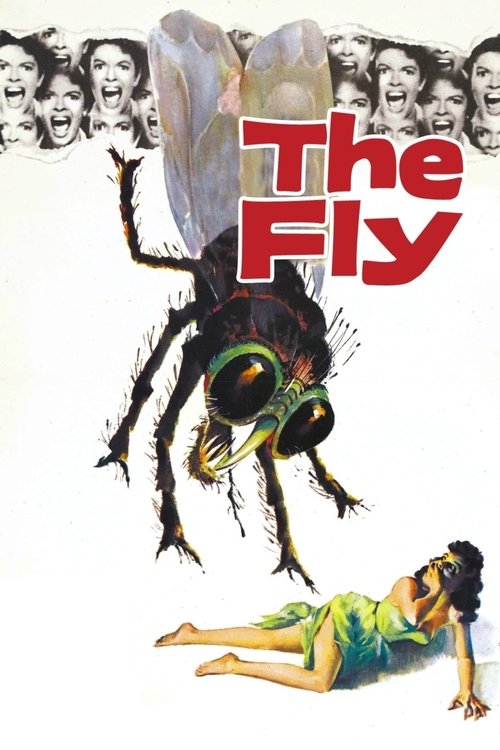
The Fly1958
Another 1950s creature concept that takes its premise dead seriously. A scientist's well-meaning experiment goes horribly wrong in ways both grotesque and tragic, with excellent special effects and mounting dread.
But The body-horror elements are stronger than you might expect, and the creature design, while brilliant, is genuinely unsettling in ways that don't age into camp.
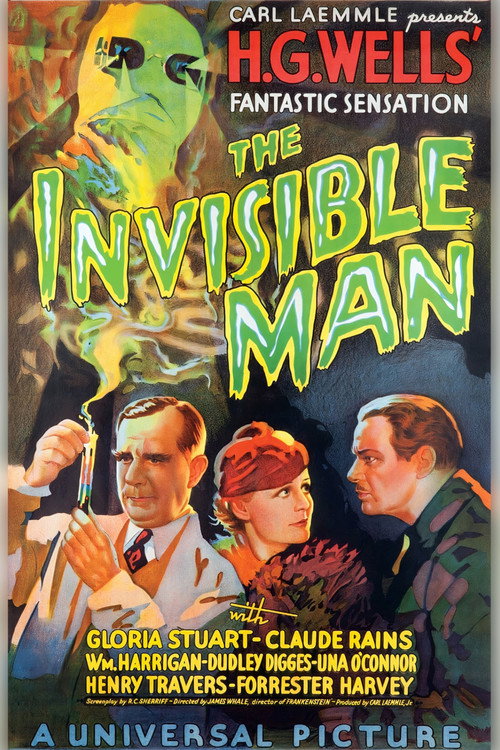
The Invisible Man1933
Universal's masterwork about a man whose isolation drives him mad. Like The Tingler, it's about an internal affliction made external—power twisted by invisibility instead of fear. James Whale directs with brilliant control.
But It's 91 years old and the pacing is patient. The special effects, while innovative, are subtle to the point of invisibility (intentional, but still).
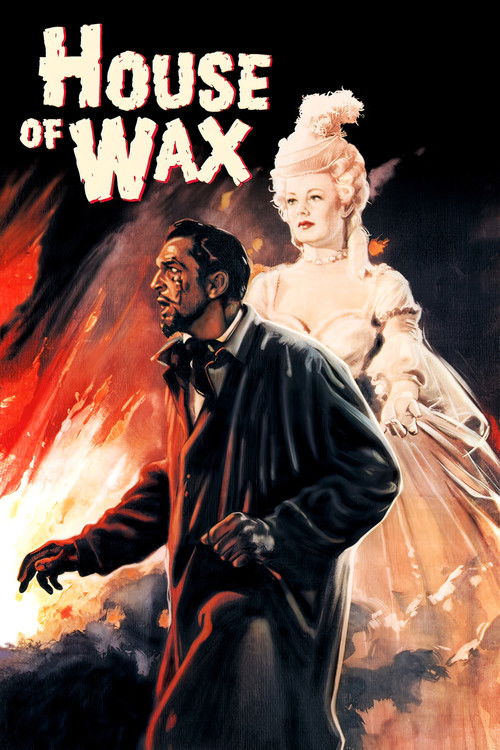
House of Wax1953
Vincent Price in full hypnotic form, running a museum of wax figures that's concealing something darker. Castle produced this one too. It's creepy, stylish, and Price is utterly magnetic—this is the role that made him a horror icon.
But 3D gimmick sequences feel dated now, and the plot is fairly straightforward once you see where it's heading.
Not sure tonight? Get a pick in a minute, starting from The Tingler
The wildcard
Something you would not have found on your own.
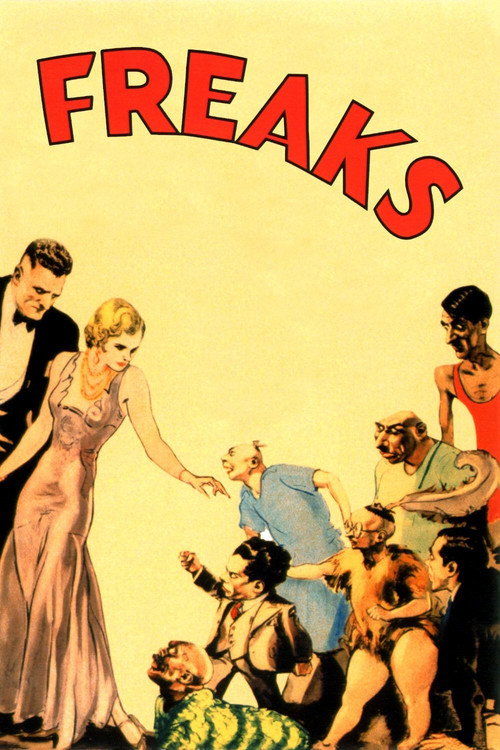
Freaks1932
Both films use bodies—marked, afflicted, made strange—as the site of horror. But where The Tingler finds the terrible thing inside us, Freaks argues the real monstrosity is how we treat people whose bodies look wrong.
Tod Browning's banned masterpiece uses real circus performers with physical differences in a narrative about exploitation and revenge. Like The Tingler, it finds horror not in the fantastic but in how fear and isolation twist humanity. It's genuinely disturbing—not because of the performers, but because of what we watch happen to them.
But The first time you realize what you're watching (that these are real people, not effects), the discomfort becomes almost unbearable. And the narrative climax is vengeful in ways that feel morally complicated in ways the film doesn't fully interrogate.
More like this (8)
The Cabinet of Dr. Caligari1920
Silent German Expressionism that pioneered the mad scientist on screen. Distorted sets and stark shadows create the dreamlike dread that The Tingler reaches for. It's the architectural blueprint for psychological horror.
But Silent films demand patience. If you've never watched one, the pacing and acting conventions will feel alien at first.

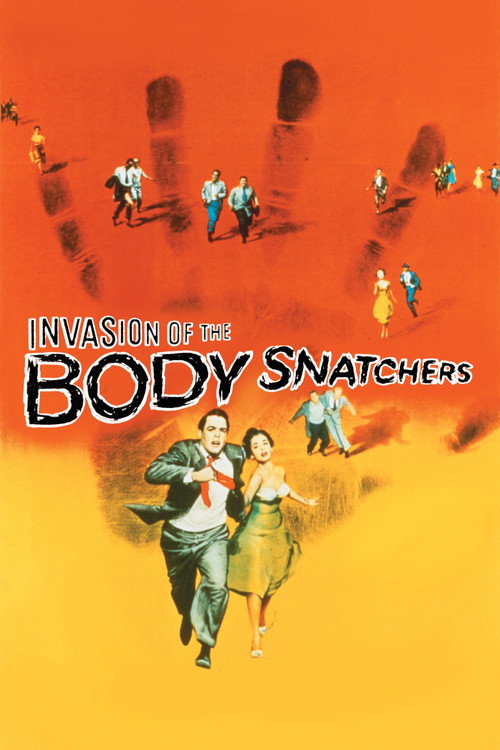
Invasion of the Body Snatchers1956
Paranoia about invisible invasion wrapped in sci-fi body horror. The creature concept is just as strange as The Tingler's—here it's aliens that copy you perfectly while erasing your emotions and individuality.
But The ending is bleaker than most people expect, and the slow-burn approach means the first half is quiet in a way that tests patience.
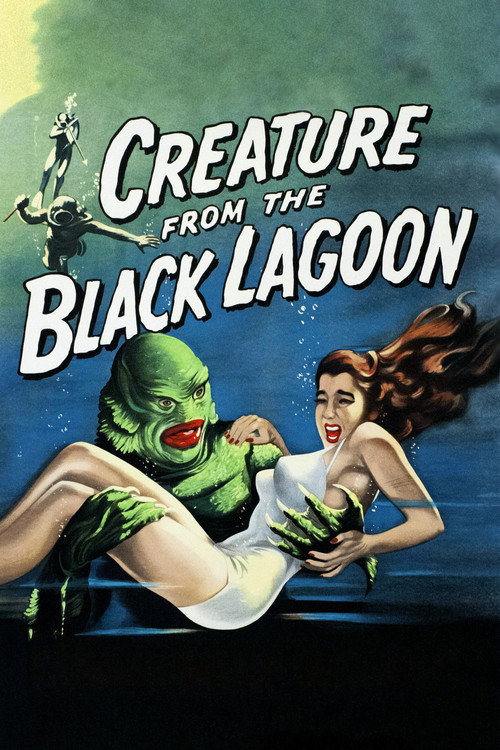
Creature from the Black Lagoon1954
A creature born from the deep that's intelligent, tragic, and visually stunning. 1950s monster cinema at its most elegant. The underwater sequences still hold up, and the design has genuine grace alongside menace.
But It's basically a monster-in-nature-area film, so you know the broad shape of where it's going. The romance subplot takes screen time from what you're actually there for.
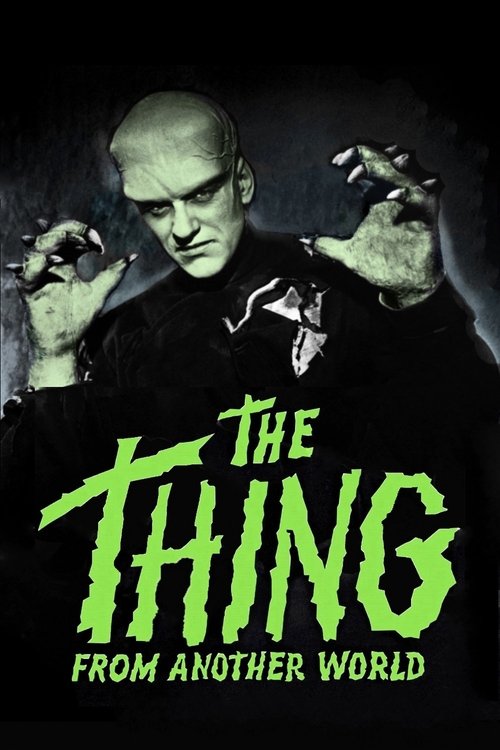
The Thing from Another World1951
Alien horror locked in an Arctic base with a creature that's stronger and stranger than any human. It has the same paranoid, claustrophobic energy as The Tingler, just with extraterrestrial dread instead of internal terror.
But It's more military procedural than deep character work. The pacing favors plot momentum over atmosphere building.
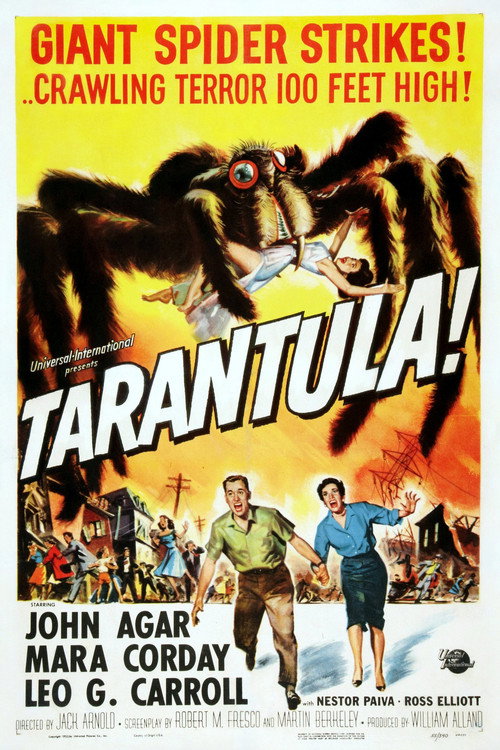
Tarantula1955
A giant spider as a logical consequence of enlargement experiments gone wrong. It's Castle's style of B-movie seriousness—the creature is monstrous but born from science, not evil. Surprisingly touching.
But The giant spider is obviously a real spider filmed close-up and composited in. Once you see that, you can't unsee it, and it deflates the threat considerably.
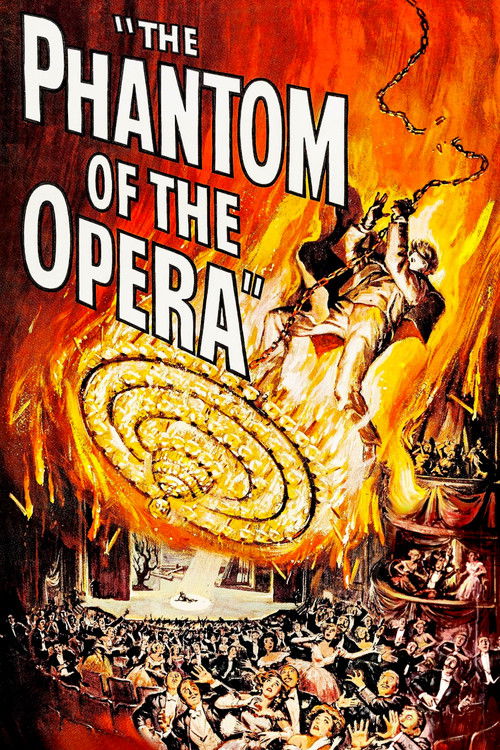
The Phantom of the Opera1962
Herbert Lom as the Phantom—a man disfigured and isolated, driven inward and outward toward violence. The Tingler shares the interest in trauma made physical, and Lom brings genuine pathos to deformity and obsession.
But It's a heavily romantic reading of the story, which some find dilutes the Gothic horror. The film is also quite long and meanders through subplot.
Possession1981
Both films are about things living inside people—parasites of biology or emotion. But Possession weaponizes that premise, making the creature external marriage, jealousy, the impossibility of knowing another person. It's The Tingler if the creature actually won.
Andrzej Żuławski's operatic nightmare about a marriage dissolving into literal possession and body-horror. It shares The Tingler's interest in internal states made grotesquely visible, but at much higher emotional and visual intensity. Isabelle Adjani is extraordinary—unguarded and raw in ways cinema rarely allows.
But It's visually overwhelming, deliberately incoherent, very sexual and very violent. The subtitles are often hard to read, and the narrative resists conventional sense. It's an assault, and that's intentional.

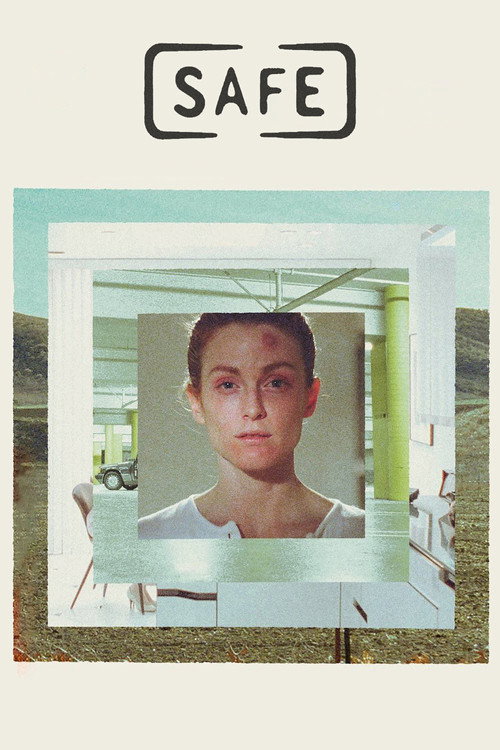
Safe1995
The Tingler literalizes internal terror as a creature. Safe literalizes it as disease—something unknown inside you that you can't name, that no one believes, that slowly consumes you. It's The Tingler as wellness-culture nightmare.
Todd Haynes' film about a woman whose body begins rejecting the world itself—she becomes increasingly sensitive to everything, until she's trapped in a sealed bubble. It's sci-fi body horror about environmental sickness and psychosomatic spirals. Julianne Moore is terrifying precisely because she's sympathetic.
But The film is bleak and doesn't resolve anything. Moore's character gets progressively smaller and more isolated, and the ending offers no comfort. It's also a slow watch—deliberately paced to make you feel her claustrophobia.
People
Cast
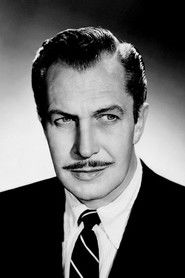 Vincent PriceDr. Warren Chapin
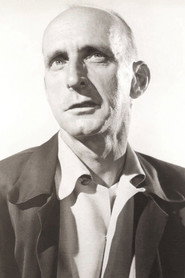 Philip CoolidgeOliver 'Ollie' Higgins
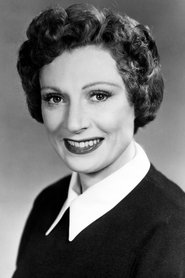 Judith EvelynMrs. Martha Ryerson Higgins
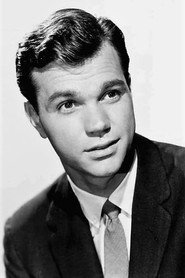 Darryl HickmanDavid Morris
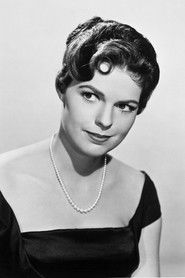 Pamela LincolnLucy Stevens
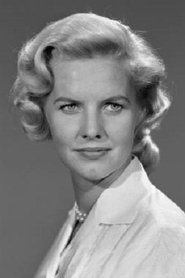 Patricia CuttsIsabel Stevens Chapin
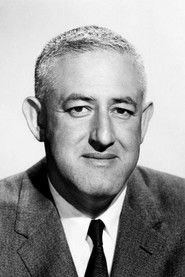 William CastlePrologue Host (uncredited)
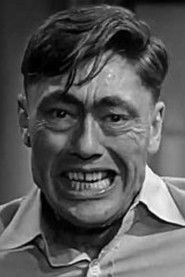 Bob GundersonRyerson - Screaming Convict (uncredited)
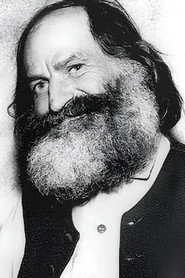 Dal McKennonProjectionist (uncredited)
- Leon AltonMember of Silent Movie Audience (uncredited)
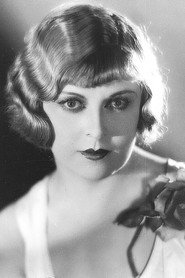 Gertrude AstorMember of Silent Movie Audience (uncredited)
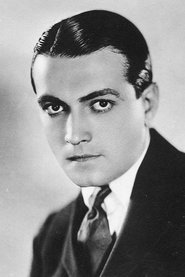 Richard BarthelmessDavid Kinemon (archive footage) (uncredited)
Directing
- Herb WallersteinAssistant Director
- William CastleDirector
Writing
- Robb WhiteScreenplay
Production
- William CastleProducer