
Film
The Phantom of the Opera
Other titles called The Phantom of the Opera: the 1925 film, the 1989 film, the 1990 series (NBC), the 2004 film.
A lean, brisk 1962 adaptation of the Leroux classic, stripped down and electrified by Herbert Lom's intensity. Where others linger in gothic gloom, this version moves like a thriller—part mystery, part revenge saga. It's for anyone who loves a good monster-as-protagonist story and isn't precious about Technicolor melodrama.
Should you watch it?
Watch it if you enjoy gothic melodrama played straight, with grand period sets and a villain whose sorrow matters as much as his menace.
Skip it if you need modern pacing or real scares, since its shocks are tame and its romance and plotting move at a stately, theatrical clip.
What it asks of you: It runs a brisk eighty-four minutes, but it lingers over theatrical staging and talky scenes, so it rewards patience more than close attention to plotting.
Not sure? Find tonight's pick in a minute.
If you liked this
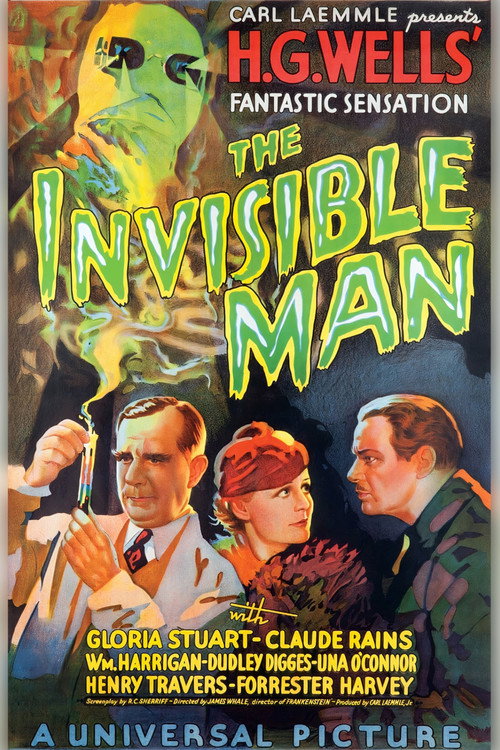
The Invisible Man1933
The original mad-scientist-as-hunted-creature blueprint. Claude Rains gives a performance of pure vocal menace while unseen, proving you don't need to see a monster to feel its presence and pathology.
But It's 90 years old and moves at 1933 pace. The early sequences drag before the invisibility kicks in, and the science is hilariously pseudonymous.
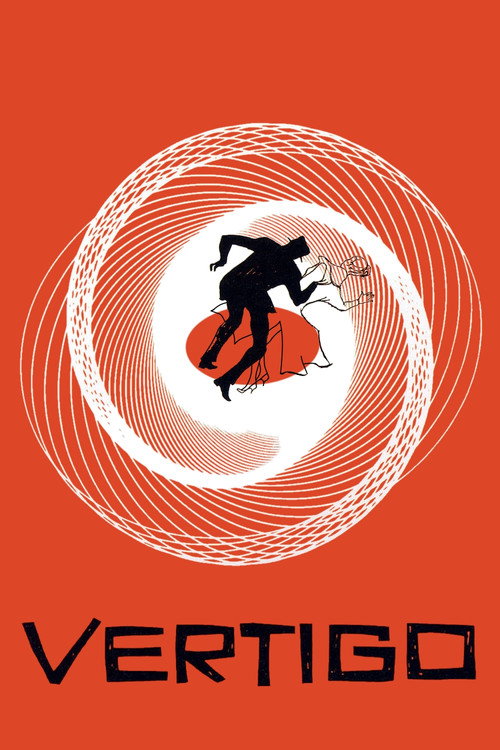
Vertigo1958
Hitchcock's obsessive architect-and-muse story has the same DNA: a man's all-consuming fixation on an unattainable woman, psychological manipulation, and the architecture of desire as a kind of trap.
But It's 2.5 hours of slow, deliberate tension. If you need plot momentum, you'll chafe. The twist lands better the second time through.
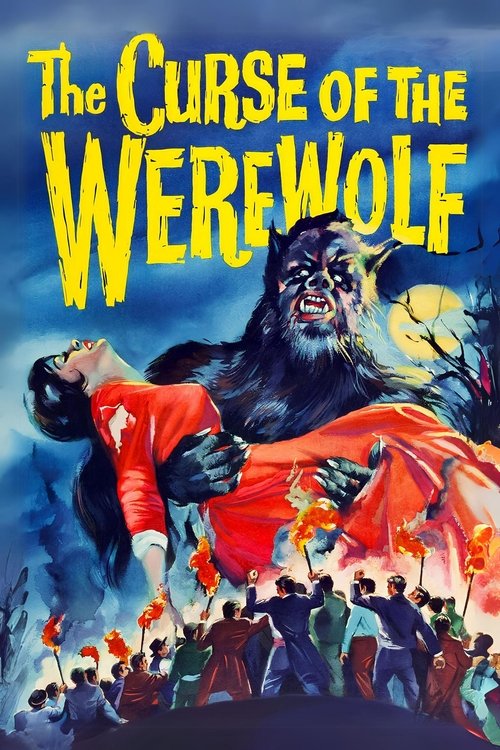
The Curse of the Werewolf1961
Hammer Films' companion piece—same era, same Technicolor fever dream, same commitment to tragedy as the true motor of horror. A haunted man instead of a haunted house, but the machinery is identical.
But The middle sags into a love story that doesn't quite sing. Oliver Reed carries it, but barely. The werewolf effects are of their time.
Not sure tonight? Get a pick in a minute, starting from The Phantom of the Opera
The wildcard
Something you would not have found on your own.
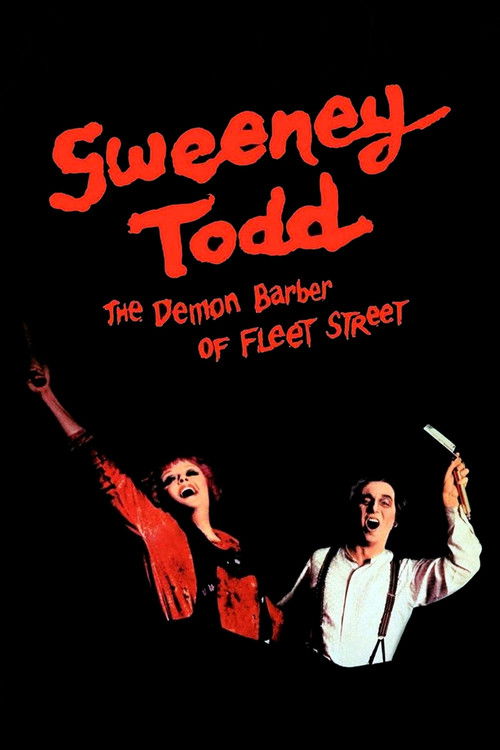
Sweeney Todd: The Demon Barber of Fleet Street1982
Both are stories of disfigured men whose obsession with justice curdles into vengeance—opera-house architecture as much as sweeney's bake-shop. Both use art (music, theatre) as their weapon and their mirror.
A 1980s television musical adaptation of the Sondheim show. Ives as Todd, delivered entirely in song and spoken dialogue. It's operatic in register—a furious, grief-stricken man building a machine of murder. The Phantom's rage given music and justification.
But It's a musical from 1982 BBC television. The production design is constrained and stagey. If you can't sit with a man singing about revenge for an hour and a half, you're done.
More like this (8)
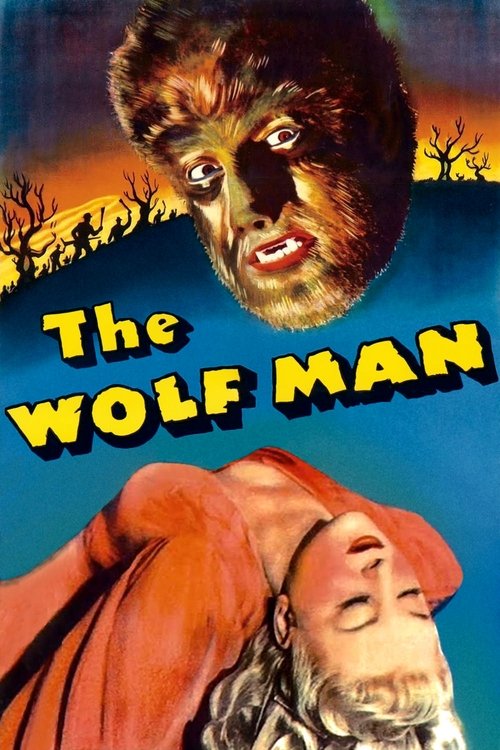
The Wolf Man1941
Universal's sympathetic monster classic. Lon Chaney Jr. as a man cursed against his will—the pathos is genuine, the tragedy unironic. It invented the template this 1962 Phantom is still using.
But Black and white, slow-burn pacing, and the transformation scenes are static by modern standards. Demands patience and faith in mood over action.
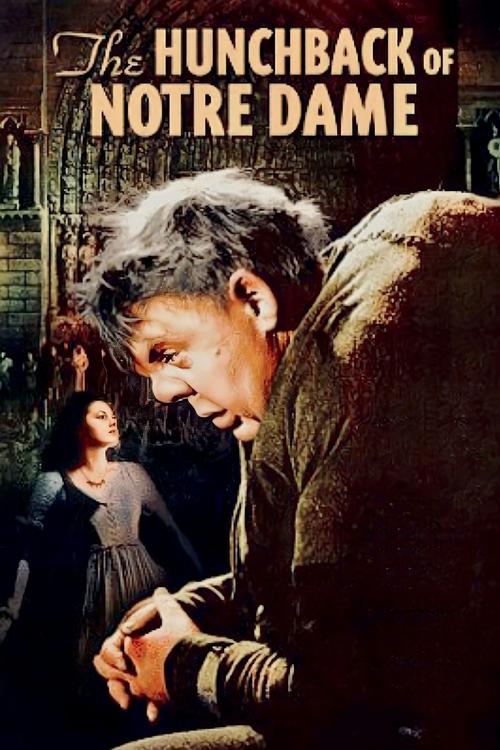
The Hunchback of Notre Dame1939
Charles Laughton's Quasimodo is raw, ungainly, utterly human. Like the Phantom, it's a film about a disfigured man's love and rage, shot through with genuine sympathy for the monster's interior life.
But The romantic subplot is treacly by design. The mob-violence climax is staged with brutal efficiency that might unsettle modern sensibilities around disability representation.
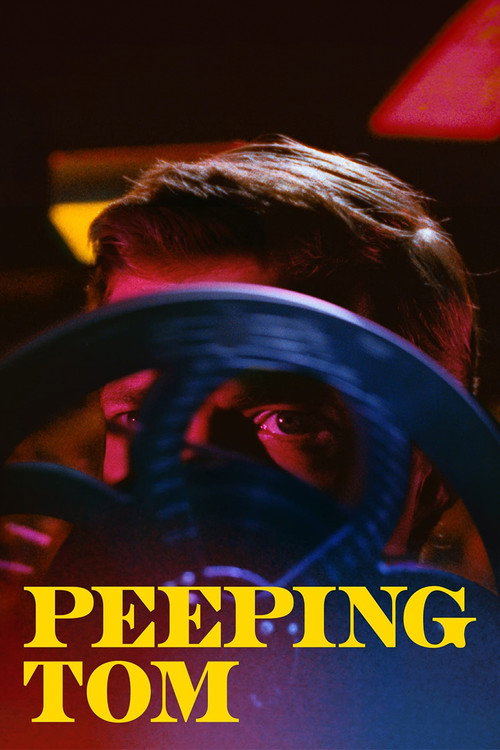
Peeping Tom1960
Michael Powell's camera-as-weapon masterpiece. A man with a camera stalks and murders women. Like the Phantom, it's a film about obsession that refuses to make its protagonist sympathetic but forces you to understand him.
But It's genuinely disturbing and has aged into something far darker than it was. Not a comfort watch. Real violence and sexual predation, not camp horror.
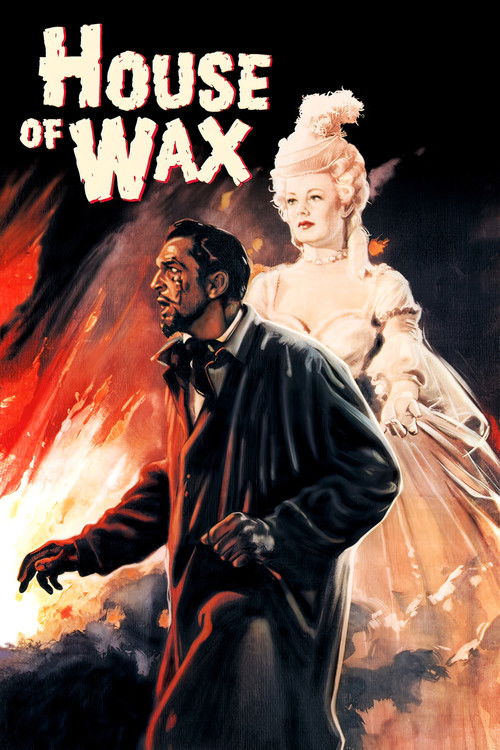
House of Wax1953
Vincent Price's first colour film, a remake of a 1933 film, remake itself into something vibrant and arch. A scarred sculptor creates a museum of living death. Price's voice does what Lom's does—it's the entire seduction.
But It's campy in ways that undercut the menace. The 3D gimmickry (in original prints) dates it visibly. Tone wavers between thriller and B-movie fun.
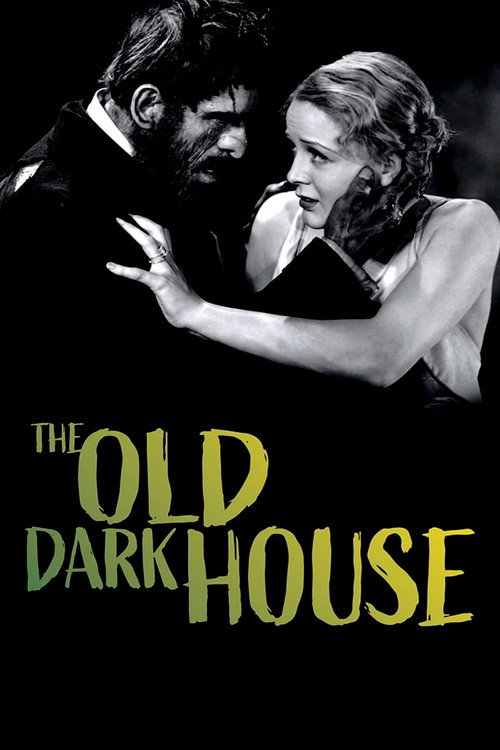
The Old Dark House1932
James Whale's pocket-sized gothic—a handful of strangers in a creepy mansion with a secret. Tight, strange, and more interested in character and atmosphere than plot. You feel trapped with these people.
But Nothing really happens until the final twenty minutes. It's all mood and dialogue. If you want a story that builds momentum, you'll lose patience.
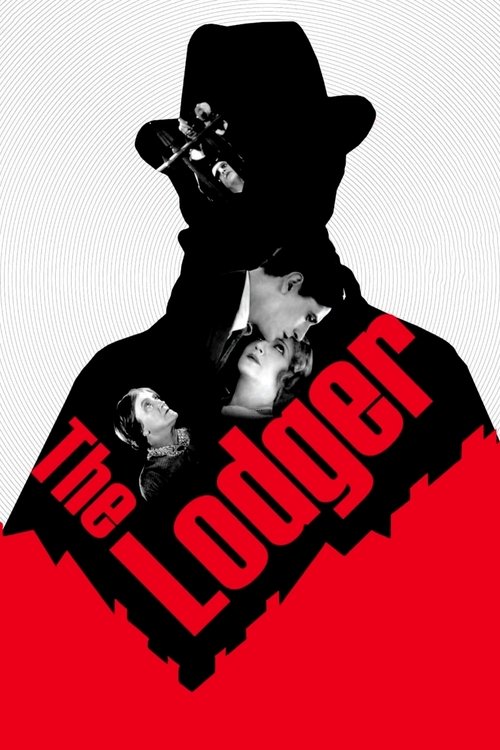
The Lodger: A Story of the London Fog1927
Hitchcock's silent debut about a mysterious man renting a room, suspected of being a serial killer. Suspicion, circumstantial dread, a man who might be innocent or might be a monster. The visual grammar of paranoia.
But Silent film. Intertitles. A plot that feels gossamer-thin by modern standards. The pacing is glacial until the final act.
Stalker1979
Both are about a man with a fixation—the Phantom on his muse, the Stalker on the promise of the Zone. Both explore how obsession becomes a form of haunting, and whether the object of desire matters as much as the pursuit itself.
Tarkovsky's three-hour science-fiction pilgrimage. A guide leads a client through a mysterious zone toward a room that grants wishes. It's a film about desire, obsession, and whether truth matters. Shot through with dread and philosophy.
But Three hours. Slow. Russian. Meditative to the point of hypnosis. Plot is a skeleton. If you're watching for momentum or resolution, you will hate this.

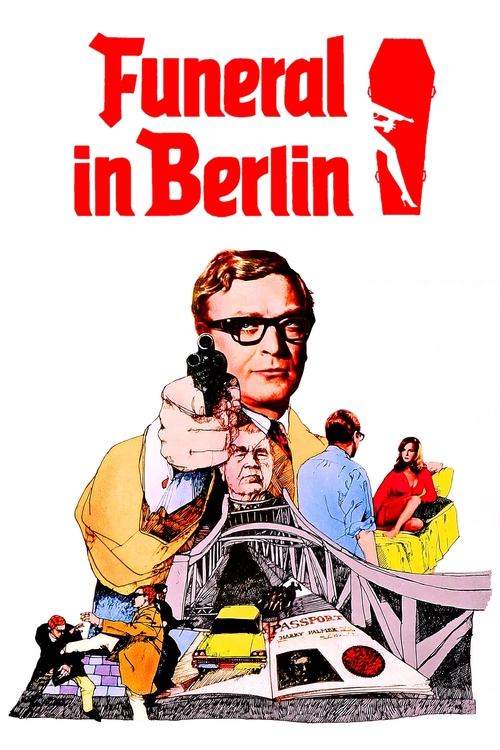
Funeral in Berlin1966
Herbert Lom spent the early-to-mid 60s in espionage thrillers (Enigma Code, etc.) playing precisely the kind of urbane, intelligent villain Caine's opposite here. This is the spy world the Phantom's 1962 London exists in—elegant, morally grey, architecturally precise.
Michael Caine's second outing as Harry Palmer. A Cold War espionage thriller where Caine's spy investigates a defection during a funeral in divided Berlin. It's elegant, witty, concrete—spy fiction as character study rather than spectacle.
But The plot is baroque and hard to follow. It's a thinking person's thriller, which means it doesn't thrill so much as intrigue. Sixties spy-craft moves slower than you expect.
People
Cast
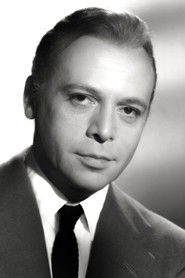 Herbert LomThe Phantom (Prof. L. Petrie)
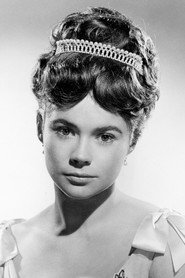 Heather SearsChristine Charles
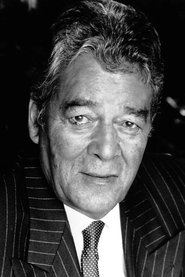 Edward de SouzaHarry Hunter
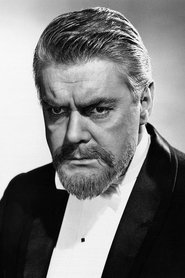 Thorley WaltersLattimer
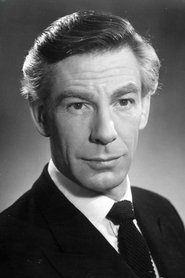 Michael GoughLord Ambrose d'Arcy
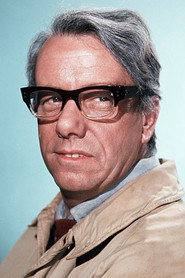 Harold GoodwinBill
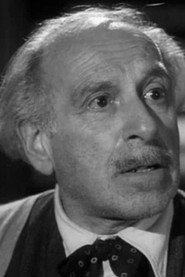 Martin MillerRossi
- Liane AukinMaria
- Sonya CordeauYvonne
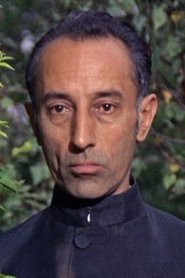 Marne MaitlandXavier
 Miriam KarlinCharwoman
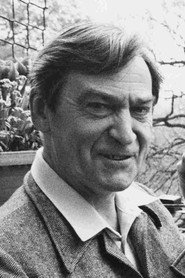 Patrick TroughtonThe Rat Catcher
Directing
- John PeverallAssistant Director
- Terence FisherDirector
- Peter MedakSecond Assistant Director
Writing
- Gaston LerouxNovel
- Anthony HindsScreenplay
Production
- Basil KeysAssociate Producer
- Anthony HindsProducer
Recommended by
House on Haunted Hill, The Road to El Dorado, The Curse of Frankenstein, The Tingler, X: The Man with the X-Ray Eyes, The Brides of Dracula, The Hunchback of Notre Dame, The Mummy, The Evil of Frankenstein, The Gorgon, The Reptile, The Mummy's Shroud, The City of the Dead, The Revenge of Frankenstein, Murders in the Rue Morgue, Castle of Blood, The Immortal, Dracula: Prince of Darkness, The Brain, Nightmare Castle