
Film
Nightmare Castle
- Horror
- Very dark
A 1965 Italian Gothic horror film where a sadistic count's torture and murder of his wife resurfaces years later as supernatural vengeance. Featuring Barbara Steele's iconic terror and the lush, lurid sensibilities of Euro-horror at its most operatic, it's built on atmosphere rather than subtlety—a fever dream of castles, madness, and righteous hauntings.
If you liked this
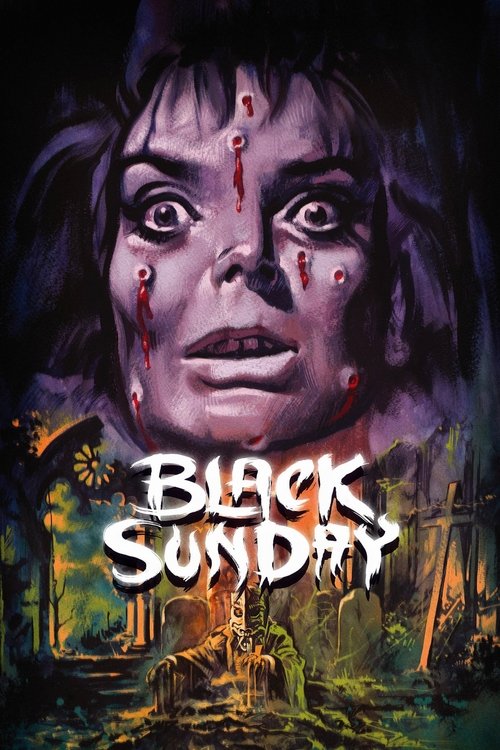
Black Sunday1960
Bava's masterpiece of pure visual Gothic horror: a witch's resurrection and curse enacted across centuries. The photography is as grotesque and beautiful as anything Nightmare Castle reaches for, and the atmosphere is suffocating.
But It moves slowly and the narrative is secondary to mood and image. If you want plot momentum over pure dread, it may feel static.
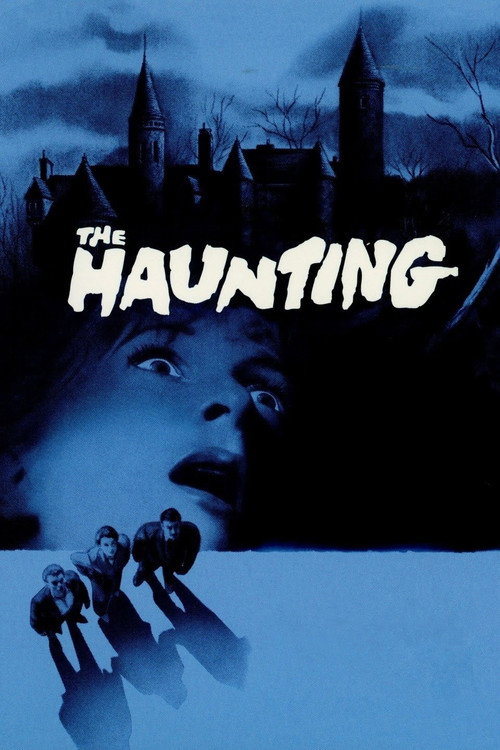
The Haunting1963
Wise's psychological haunted house that suggests terror rather than showing it. The ambiguity between supernatural and psychological break is masterful, and Catherine Demongeot's performance rivals Steele's for sheer vulnerability.
But Almost aggressively understated. No jump scares, no gore—just creeping unease. Some find it tedious; many find it perfect.
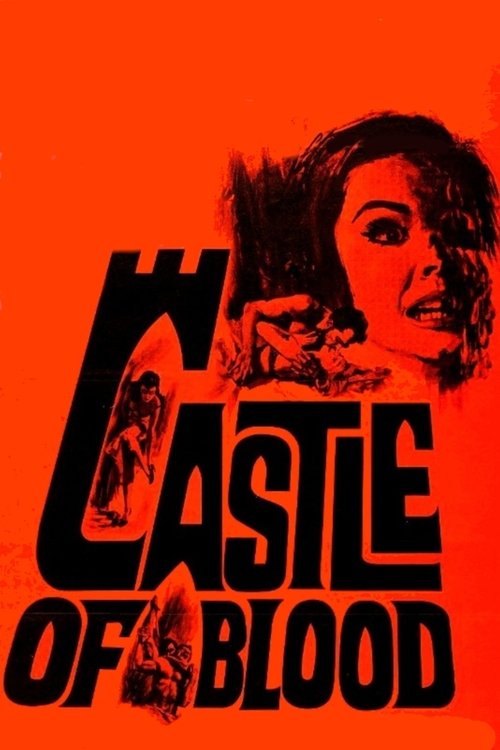
Castle of Blood1964
Barbara Steele again, this time in a more straightforward haunted-castle narrative with a clear supernatural mystery to unravel. Gothic atmosphere with more narrative propulsion than Nightmare Castle, still gorgeously shot in black and white.
But Steele's role is smaller and more passive than in Nightmare Castle. The plot, though solid, is less original and more predictable than its predecessor.
Not sure tonight? Get a pick in a minute, starting from Nightmare Castle
The wildcard
Something you would not have found on your own.
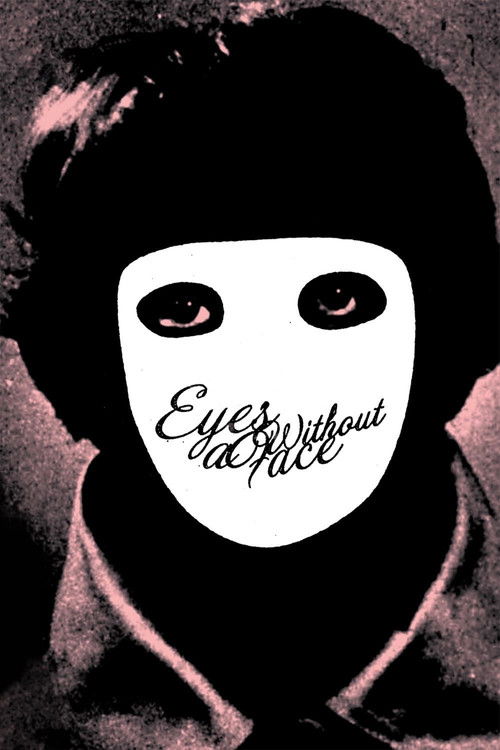
Eyes Without a Face1960
Both films center on bodily mutilation and removal as an act of twisted love; both transform Gothic obsession through medical/scientific violation. But Eyes focuses on the doctor's mourning, not the victim's haunting.
A surgeon removes women's faces to graft them onto his daughter's scarred visage. Like Nightmare Castle, it's a story of surgical/anatomical violation driven by obsessive love, but it's a pure masterpiece—Franju's direction is coldly elegant and the moral horror runs deeper.
But The surgical mutilation is graphic in a clinical way that some find more disturbing than theatrical gore. The pacing is deliberate and the emotional register is grief, not exploitation.
More like this (8)
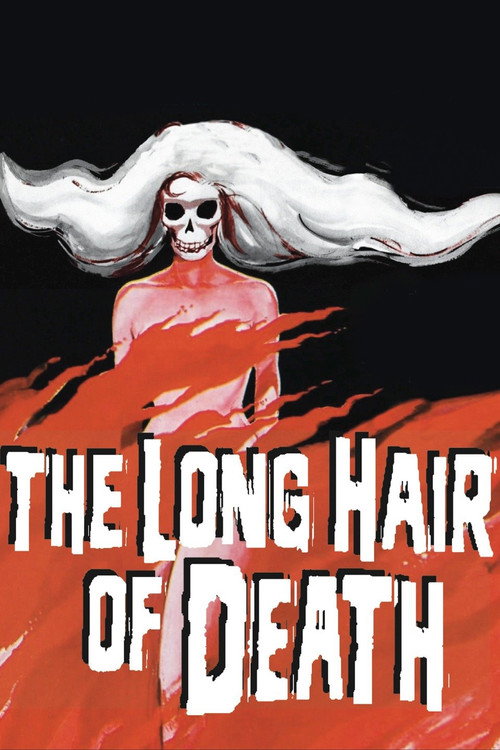
The Long Hair of Death1964
Another Barbara Steele vehicle with witch-curse payback across generations. The sadism is explicit, the revenge is gleeful, and the Gothic production design is genuinely unsettling in ways pulp horror should be.
But The misogyny is baked into the fabric—women suffer, women are punished. If you're tired of that particular well, it won't surprise you.
Suspiria1977
Argento's supernatural masterpiece about a dance academy that's secretly a witch's coven. Pure nightmare logic, garishly colored, with a soundscape that crawls under your skin. It's Euro-horror evolved into high art.
But The plot is deliberately thin and the logic surreal. Character development is sacrificed for mood. If you need narrative coherence, you'll be frustrated.

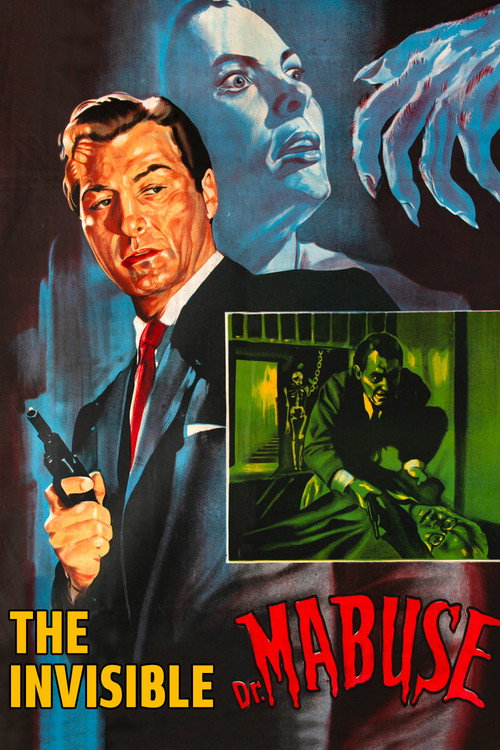
The Invisible Dr. Mabuse1962
A mad scientist tortures his enemies in an isolated castle, complete with poisoning, revenge plots, and a descent into madness. It has the same exploitation-horror DNA as Nightmare Castle but with more baroque melodrama.
But The pacing is choppy and the dubbing is noticeably awkward. It feels more like a B-movie cousin than a confident statement.
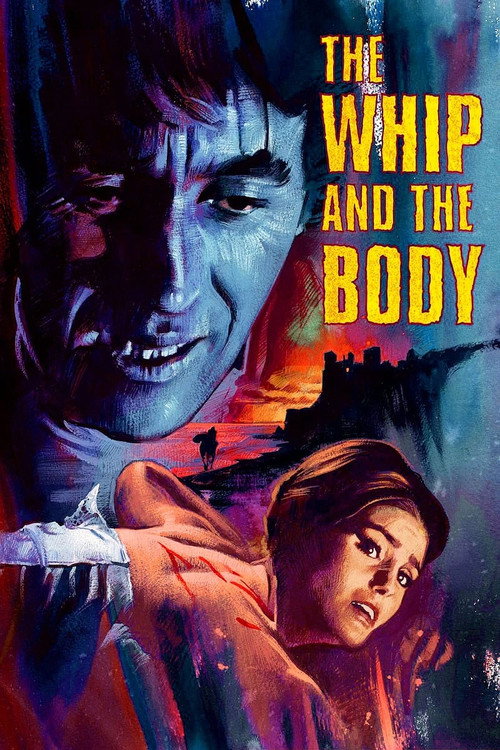
The Whip and the Body1963
Another Steele Gothic with sexual sadism, ghost-lovers, and a castle dripping with decadence. The visual composition is extraordinary and the moral ambiguity—who deserves the curse?—lingers after the credits.
But The eroticism of the cruelty may disturb you in ways the film doesn't interrogate. It's complicit in what it depicts.
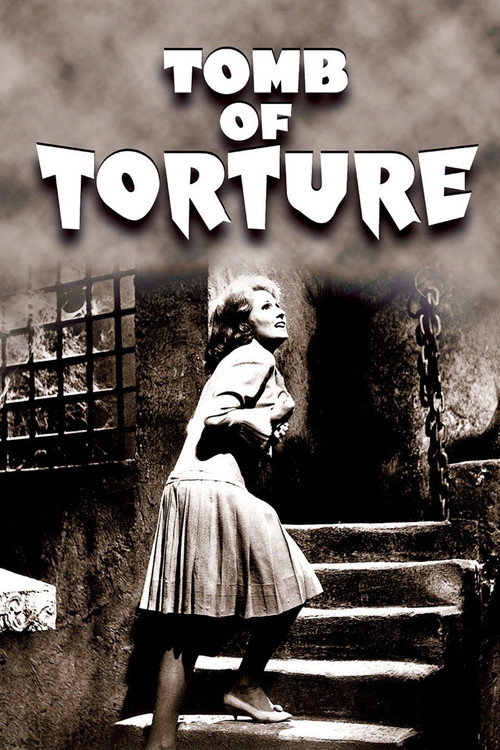
Tomb of Torture1963
Lesser-known Italian Gothic about a woman imprisoned in a castle dungeon. It has the claustrophobia and obsession of Nightmare Castle but trades psychological complexity for sheer sadistic detail.
But It's exploitation without artistry—cruder visually and narratively thinner. The sadism is the point, not a vehicle for something else.
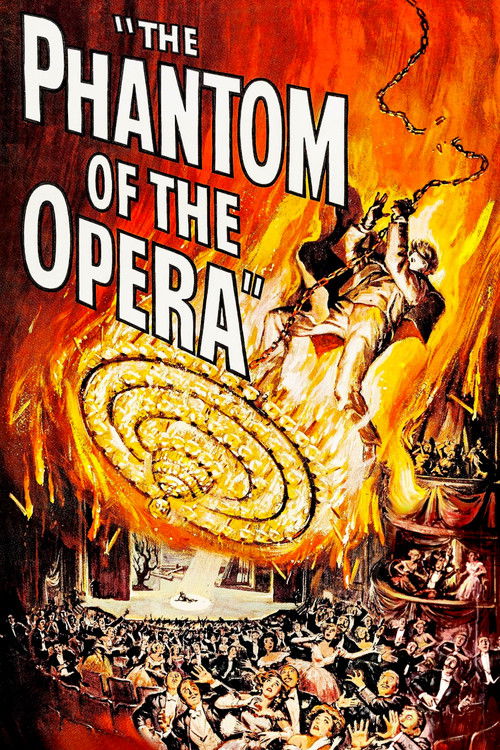
The Phantom of the Opera1962
Argento's operatic take on the Gothic classic: a disfigured musician's jealous obsession in shadowy corridors. Gorgeous composition and genuine melancholy beneath the melodrama.
But It's more romance than horror and the pacing drags. If you want active scares rather than languishing atmosphere, it won't deliver.
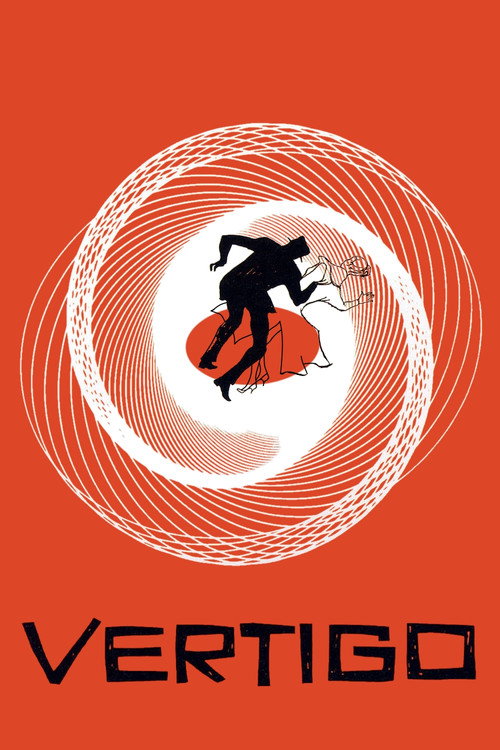
Vertigo1958
Both films are about a man's obsessive vision of a woman becoming his undoing; both use the past as a curse that repeats itself. Nightmare Castle is Gothic supernaturalism; Vertigo is Gothic psychology achieving the same nightmare.
Hitchcock's portrait of male obsession, madness, and a woman remade in a man's fantasy. The Gothic atmosphere is psychological rather than supernatural, but the castle-like locations, the elaborate deceit, and the cycle of haunting by an idealized ghost are structurally identical.
But It's slow and it's about emotional cruelty, not action. The misogyny is the subject, not the background—that intensity of focus can feel suffocating in a different way.
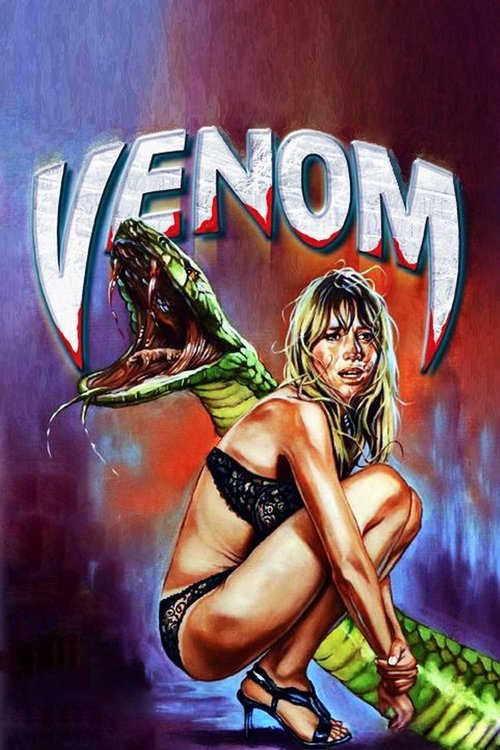
Venom1981
Both are about a charismatic sadist trapping a woman (and associates) for prolonged torture; both are built on the perverse intimacy of confinement. One is Gothic fantasy, one is realistic nightmare.
Klaus Kinski as a snakelike madman who imprisons a family in their home after a botched heist, torturing them with a cobra loose in the house. It's a remake of the sadistic-confinement energy of Nightmare Castle but transposed to contemporary urban claustrophobia and psychological warfare.
But It's a hostage thriller, not Gothic horror—grittier and meaner, without atmospheric compensation. Kinski's performance is magnetic but the film feels nasty without transcendence.
People
Cast
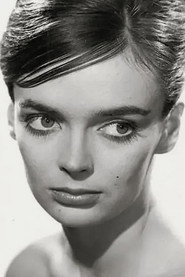 Barbara SteeleMuriel Arrowsmith / Jenny Arrowsmith
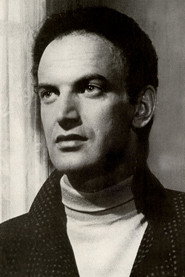 Paul MüllerDr. Stephen Arrowsmith
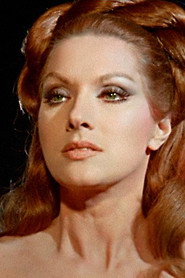 Helga LinéSolange
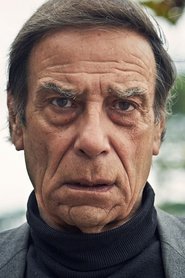 Marino MaséDr. Dereck Joyce
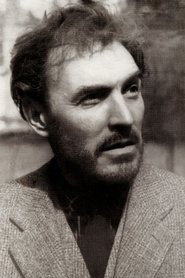 Giuseppe AddobbatiJonathan, the Butler
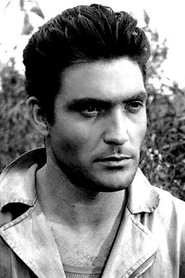 Rik BattagliaDavid
Directing
- Angelo SangermanoAssistant Director
- Priscilla ContardiContinuity
- Mario CaianoDirector
Writing
- Fabio De AgostiniDialogue
- Mario CaianoDialogue
- Fabio De AgostiniScreenplay
- Mario CaianoScreenplay
- Fabio De AgostiniStory
- Mario CaianoStory
Production
- Carlo CaianoProducer
- Pietro NofriProduction Assistant
- Massimo TavazziProduction Designer
- Carlo CaianoProduction Manager
- Pietro NofriSupervising Producer