
Film
Black Sunday
Other titles called Black Sunday: the 1977 film.
- Supernatural horror
- Dark fantasy
- Very dark
A gothic horror masterpiece from 1960 Italy about a vengeful witch resurrected to possess her descendant. Shot in ravishing black-and-white, it's visually baroque and deliberately artificial—all fog, shadows, and architectural dread. For anyone who loves horror that feels like a fever dream rather than a thriller.
If you liked this
Suspiria1977
Dario Argento's giallo nightmare about a dance academy concealing witchcraft. Same visual intoxication as Black Sunday—saturated colour, operatic violence, logic that bends toward dream. A direct spiritual descendant.
But The plot is subordinate to mood and style. If you need narrative clarity and character logic, this prioritises atmosphere over both.

The Seventh Seal1957
Bergman's meditation on mortality and fate, shot in the same austere black-and-white European aesthetic. Like Black Sunday, it's theatrical, symbolic, and treats dread as a visual language rather than a scare tactic.
But Philosophical and slow-moving. It's not trying to thrill you. Some will find it remote or pretentious rather than compelling.

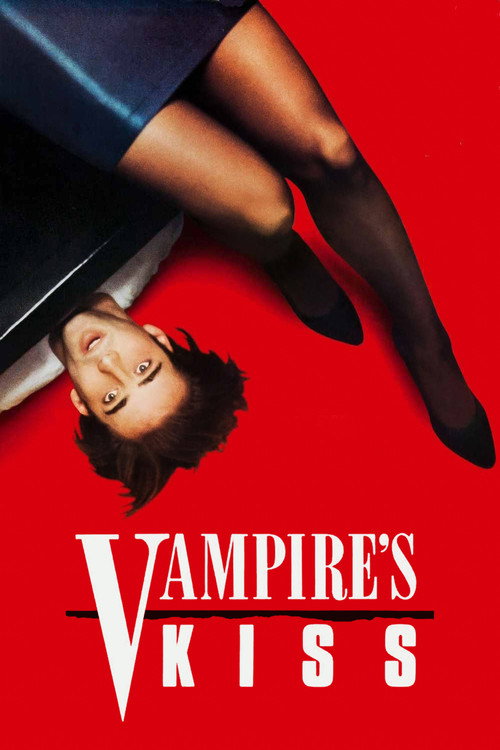
Vampire's Kiss1989
Nicolas Cage as a man convinced he's becoming a vampire, spiralling through New York. Shares Black Sunday's baroque horror register—beauty twisted into grotesque, obsession as corrupting force. Wildly inventive.
But It's deliberately unpleasant and shrill. Cage's performance verges on unbearable. If you want elegance over provocation, this will exhaust you.
Not sure tonight? Get a pick in a minute, starting from Black Sunday
The wildcard
Something you would not have found on your own.
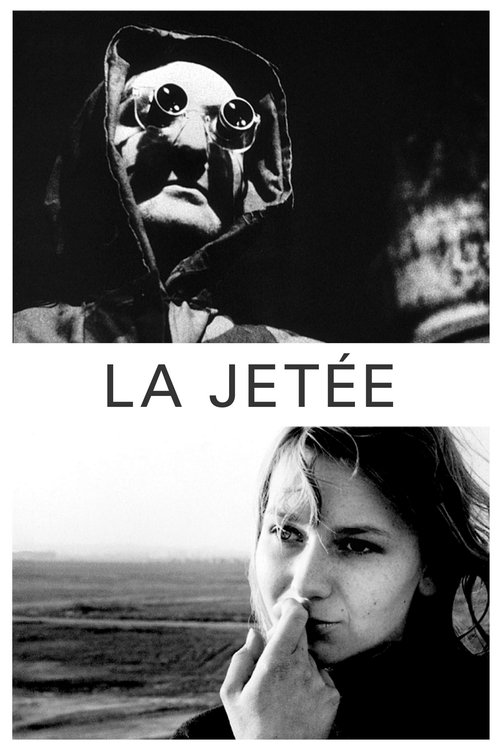
La Jetée1962
Both use visual artifice—Marker's stills, Bava's theatrical mise-en-scène—to create psychological horror. Both treat their medium as expressive language rather than transparent storytelling. Both trust the audience's capacity for unease.
Chris Marker's avant-garde masterpiece about time travel and memory, told almost entirely through still photographs set to music and narration. Science fiction disguised as experimental cinema. Shares Black Sunday's dreamlike logic and emotional weight.
But It's 28 minutes and radically unconventional. No plot in the traditional sense, no conventional narrative drive. Demands patience and surrender.
More like this (8)
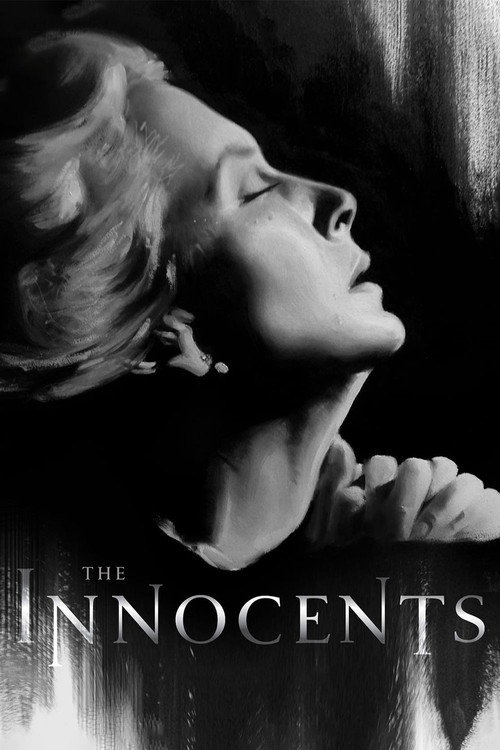
The Innocents1961
Ghost story about a governess and two children in a decaying English house. Achingly atmospheric black-and-white cinematography. Ambiguity and dread rather than jump scares—it trusts you to find the horror unsettling.
But Nearly nothing happens. It's an exercise in suggestion and paranoia. Impatient viewers will find it glacially paced.
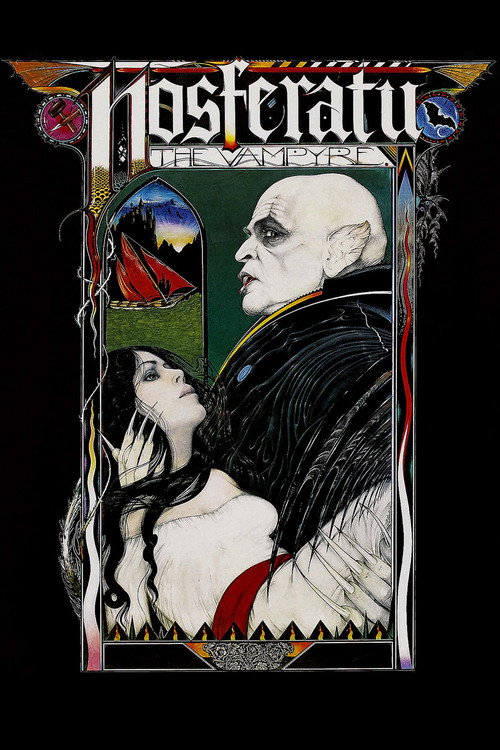
Nosferatu the Vampyre1979
Werner Herzog's reimagining of the Dracula myth, hypnotically slow and visually ravishing. Treats vampirism as a curse and a hunger rather than a villain role. Klaus Kinski is unforgettable.
But It drags deliberately. Every scene is held longer than comfortable. If you want momentum, this will feel like punishment.
The Wailing2016
A Korean horror film that weaves folk horror, possession, and moral ambiguity into a puzzle-box narrative. Like Black Sunday, it finds terror in ancestral curses and the corruption of beauty. Visually sumptuous and deeply unsettling.
But Two-and-a-half hours and deliberately obscure about what's actually happening. Demands active engagement and tolerates frustration.

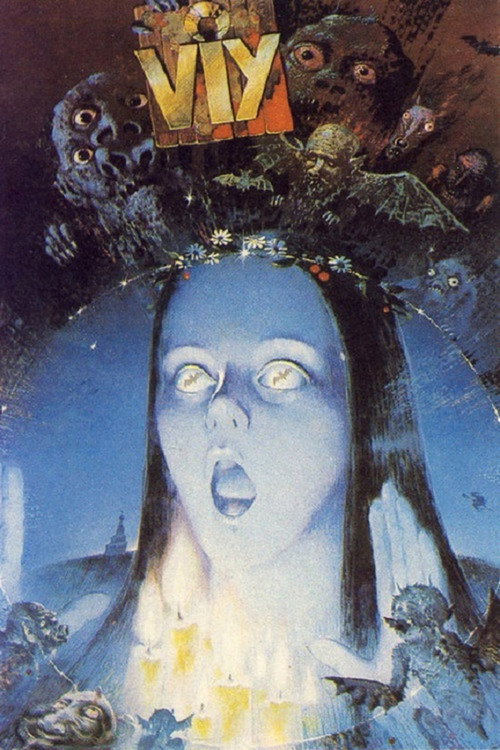
Viy1967
Soviet gothic horror about a priest trapped in a cursed chapel. Baroque practical effects and a nightmare logic that recalls Black Sunday's fevered unreality. A genuine rarity that influenced horror cinema.
But Dubbed and shot on a budget. The special effects, though imaginative, are dated. Russian cinema's pacing is patient.
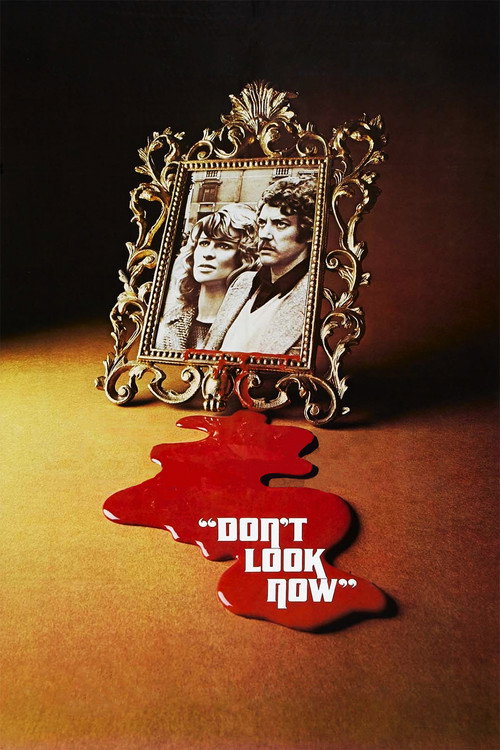
Don't Look Now1973
Nicolas Roeg's Venice-set psychological horror about grief and premonition. Sumptuous cinematography and dread that accumulates through mood rather than plot. A masterclass in slow-burn suspense.
But Oblique and elliptical. It withholds information deliberately. If you need things explained or resolved clearly, you'll leave frustrated.
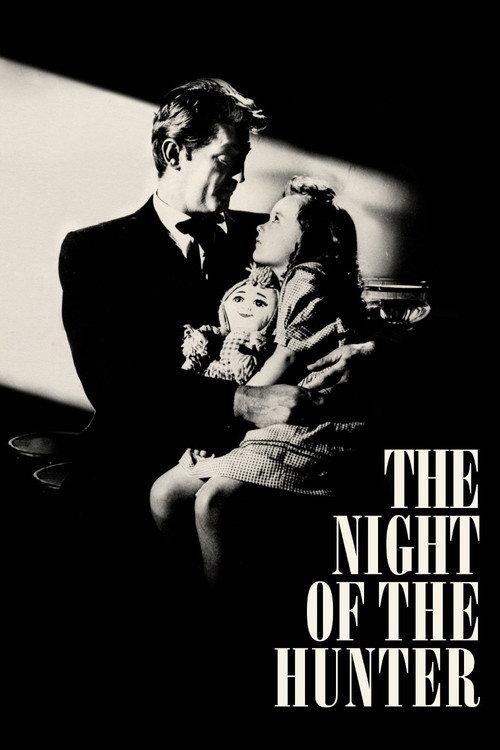
The Night of the Hunter1955
Charles Laughton's only directorial film—a nightmarish Americana fairy tale. Expressionist black-and-white cinematography and a villain of operatic menace. Deeply theatrical, like Black Sunday, but grounded in American gothic.
But It's stagey and symbolic rather than naturalistic. The pacing is odd. Some find it mannered; others find that its entire appeal.
Mulholland Drive2001
Both films use a doppelgänger (or double) as the central image—the look-alike that carries psychological and supernatural weight. Both treat cinema as a language of obsession. Both are more interested in what haunts than in explaining it.
Lynch's Los Angeles nightmare about identity, fame, and desire. Like Black Sunday, it's gorgeous and cruel, built from symbols and recurring images, more concerned with mood and suggestion than plot coherence. Bewildering and hypnotic.
But It's long, structurally difficult, and doesn't cohere into neat meaning. If you need resolution and explanation, you'll feel cheated. It invites interpretation but resists conclusion.

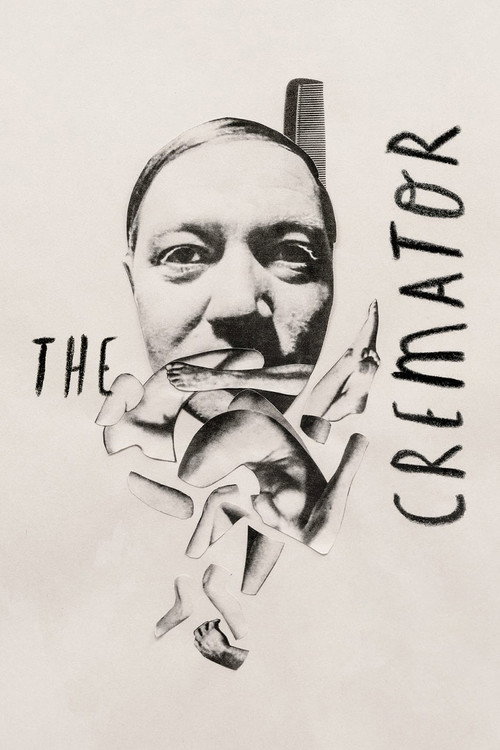
The Cremator1969
Both films use baroque visual language to convey inner corruption. Both locate terror in beauty—in architectural spaces, in faces, in the gap between appearance and truth. Both are European films that treat cinema as art rather than entertainment.
A Czechoslovak horror-drama about a crematorium worker during WWII whose reality unravels into madness and surrealism. Like Black Sunday, it's visually exquisite and deeply disturbing, but locates horror in politics and complicity rather than the supernatural.
But It's bleak and morally nauseating. The horror is human, not fantastical. Some subject matter will feel exploitative. It's not comfortable or cathartic.
People
Cast
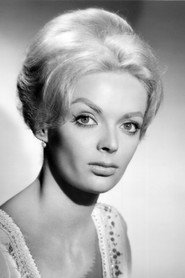 Barbara SteelePrincess Asa Vajda / Katia Vajda
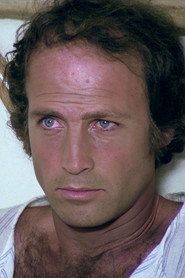 John RichardsonDr. Andrej Gorobec / Dr. Andreas Gorobec
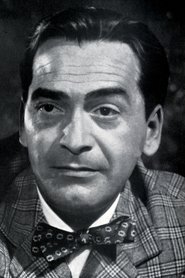 Andrea ChecchiDr. Choma Kruvajan / Dr. Thomas Kruvajan
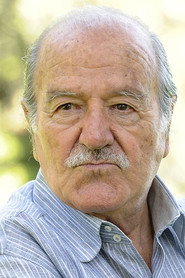 Ivo GarraniPrince Vajda
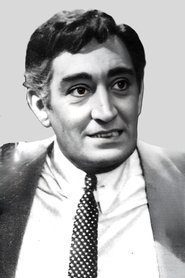 Arturo DominiciIgor Javutich / Javuto
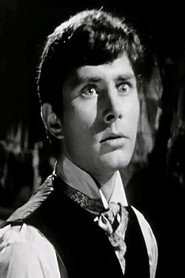 Enrico OlivieriPrince Constantine Vajda
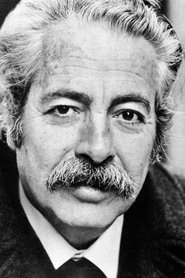 Antonio PierfedericiPriest
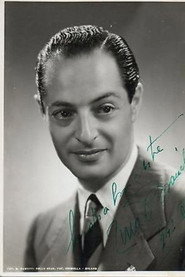 Tino BianchiIvan - Manservant
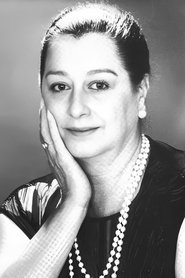 Clara BindiInn Keeper
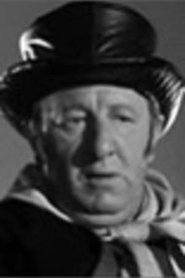 Mario PassanteNikita - Coachman
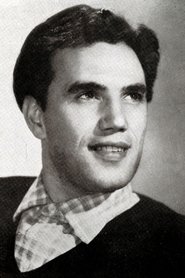 Renato TerraBoris - Stablehand
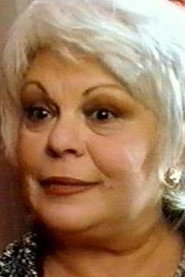 Germana DominiciSonya - Innkeeper's Daughter
Directing
- Mario BavaDirector
- Vana CarusoFirst Assistant Director
- Bona MagriniScript Supervisor
Writing
- Ennio De ConciniScreenplay
- Mario SerandreiScreenplay
- Nikolai GogolShort Story
Production
- Lionello SantiExecutive Producer
- Massimo De RitaProducer
- Armando GovoniProduction Secretary
- Paolo MercuriUnit Manager
Recommended by
The Long Hair of Death, Daughters of Darkness, The Legend of the 7 Golden Vampires, Castle of Blood, The Sadistic Baron Von Klaus, Knife of Ice, Dracula: Prince of Darkness, The Rape of the Vampire, Tombs of the Blind Dead, Nightmare Castle, The Whip and the Body, Tomb of Torture