
Film
The Cremator
- Period drama
- Very dark
A 1969 Czech New Wave masterpiece where a crematorium operator's philosophy of cleansing through fire becomes increasingly indistinguishable from fascism. Surreal, darkly comic, and deeply unsettling—a portrait of how ordinary people rationalize atrocity. Essential cinema for anyone willing to sit with discomfort.
Should you watch it?
Watch it if you like black comedy that turns a meticulous, polite man's self-satisfaction into something chilling, and you enjoy films where the visual style, sharp editing and grotesque framing do as much work as the plot.
Skip it if you need steady, realistic drama, since its tone lurches between gallows humour and unsettling horror and the unease can feel deliberately off-balance.
What it asks of you: At roughly an hour and forty minutes, it moves in a deliberate, mannered rhythm, so it rewards patience and a willingness to sit with its cold, ironic surface.
Not sure? Find tonight's pick in a minute.
If you liked this
The Seventh Seal1957
Bergman's meditation on death and meaning uses existential dread and philosophical inquiry to examine how people confront mortality and belief. Like The Cremator, it finds profound darkness in intimate spaces.
But Deliberately paced and abstract—it moves through ideas rather than plot, which demands patience and tolerance for ambiguity.

Come and See1985
A visceral Soviet war film that shows fascism's dehumanizing machinery through the eyes of a child. It shares The Cremator's refusal to distance the audience from complicity and moral rot.
But Graphically brutal and emotionally punishing in ways that feel almost unwatchable. Not cathartic; deliberately devastating.

M1931
Fritz Lang's masterpiece about a serial killer in Weimar Berlin captures the same era and explores how society hunts evil while its own institutions crumble. Prescient about totalitarianism's appeal.
But The print quality can be uneven, and the pacing occasionally feels stilted to modern eyes, though this adds to its noir atmosphere.

Not sure tonight? Get a pick in a minute, starting from The Cremator
The wildcard
Something you would not have found on your own.
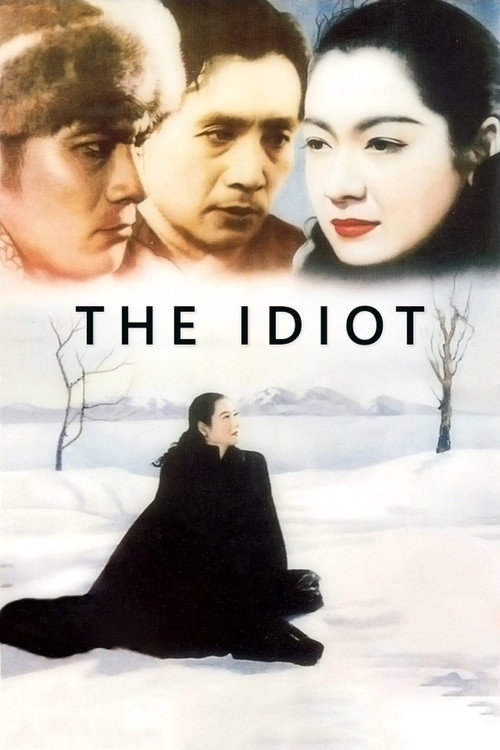
The Idiot1951
Both use a protagonist with a disarming philosophy (the Prince's innocent goodness, the Cremator's fire logic) as a mirror for society's moral sickness.
Kurosawa's adaptation of Dostoevsky transposes the novel to postwar Japan, creating a portrait of innocence confronting cruelty and moral chaos. Like The Cremator, it examines how ideology and suffering shape human behavior in occupied nations.
But Nearly three hours, in Japanese, adapted from a thousand-page novel. Dense, elusive, and absolutely demands your full attention.
More like this (8)
Stalker1979
Tarkovsky's meditative science-fiction epic examines desire, faith, and the corruption of ideology through long, hypnotic sequences. Shares The Cremator's philosophical horror about how belief systems consume people.
But Nearly three hours of slow cinema with minimal dialogue or plot. If you need action or clear narrative momentum, this will frustrate you.

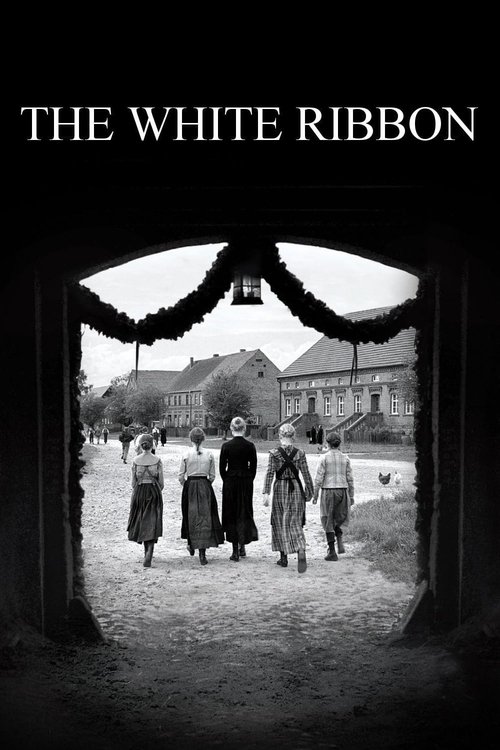
The White Ribbon2009
Haneke's black-and-white examination of cruelty in Weimar Germany explores how ordinary people and institutions breed fascism. A precise, chilling dissection of the same cultural moment.
But Deliberately austere and withholding. It shows violence and cruelty without explaining them, which some find pretentious rather than provocative.
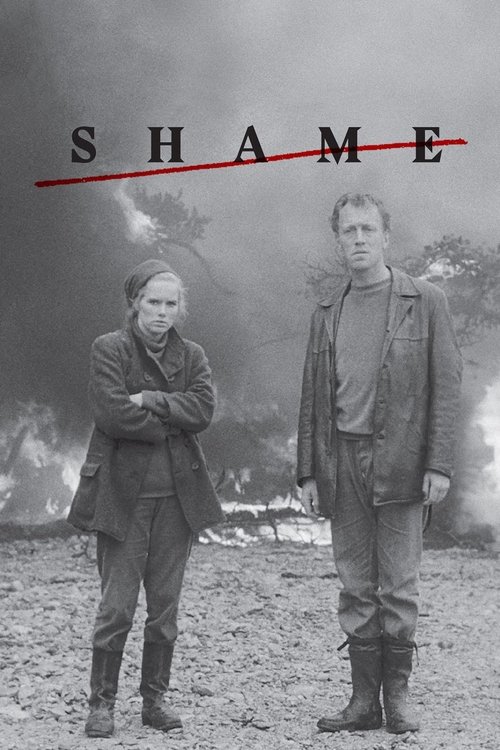
Shame1968
Bergman's bleak wartime drama about a couple caught between occupying forces explores moral compromise and the erosion of humanity. Shares The Cremator's dark philosophy and existential dread.
But Relentlessly grim with no relief or redemption. If you're seeking catharsis or hope, this film offers neither.
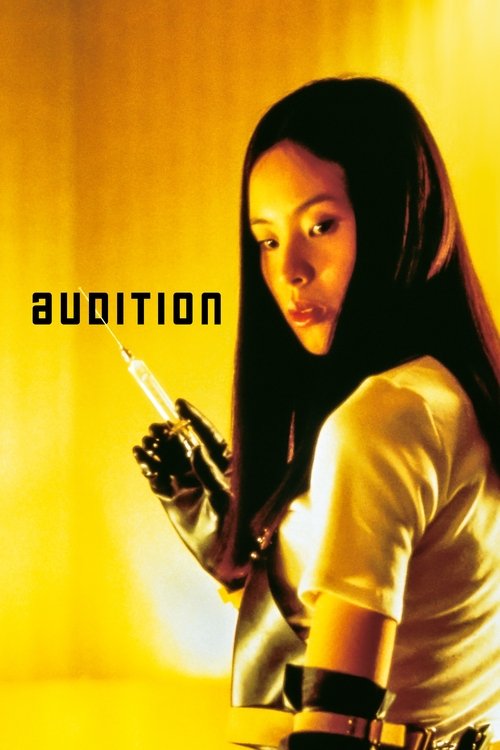
Audition2000
Takashi Miike's brutal film disguises itself as a romance before revealing something far darker. Like The Cremator, it examines how ideology and rationalization justify violence.
But Graphic body horror and torture. The shift from charming to grotesque is deliberately disorienting and may feel manipulative.
Synecdoche, New York2008
Kaufman's sprawling portrait of a theater director losing grip on reality explores how art and self-delusion intertwine. Shares The Cremator's surrealism and exploration of how people construct justifying narratives.
But Confusing and solipsistic. The film's dreamlogic makes it feel intentionally obscure, and the endless navel-gazing exhausts some viewers.

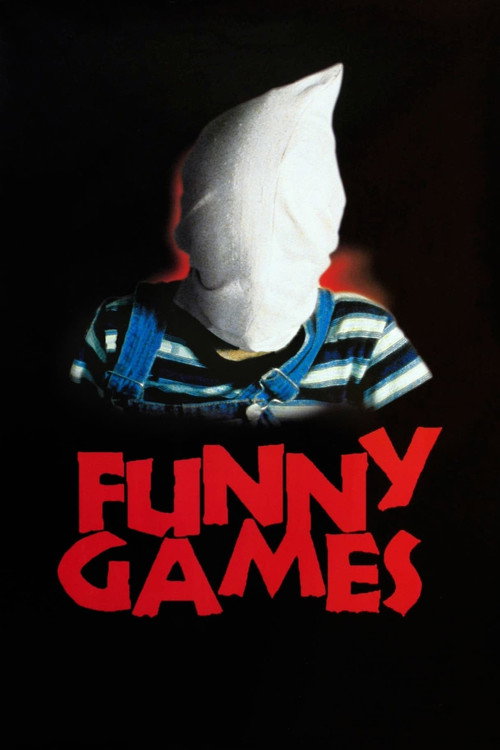
Funny Games1997
Haneke's antagonistic home-invasion film directly implicates the audience in violence, asking us to examine our complicity. A radical formal experiment that echoes The Cremator's refusal to let viewers off easily.
But A provocative exercise that feels cruel rather than enlightening. The formal games can feel like punishment for watching, which defeats the point for many.
The Leopard1963
Both are studies in how intelligent, cultured people rationalize complicity with oppressive systems, finding poetry in collaboration.
Visconti's operatic chronicle of Italian aristocracy during political upheaval captures the seductive architecture of ideology and the bargains people make with systems of power. Gorgeously shot but intellectually ruthless.
But A three-hour period drama that moves like a funeral march. The languorous pacing and aristocratic indifference can feel remote or boring.

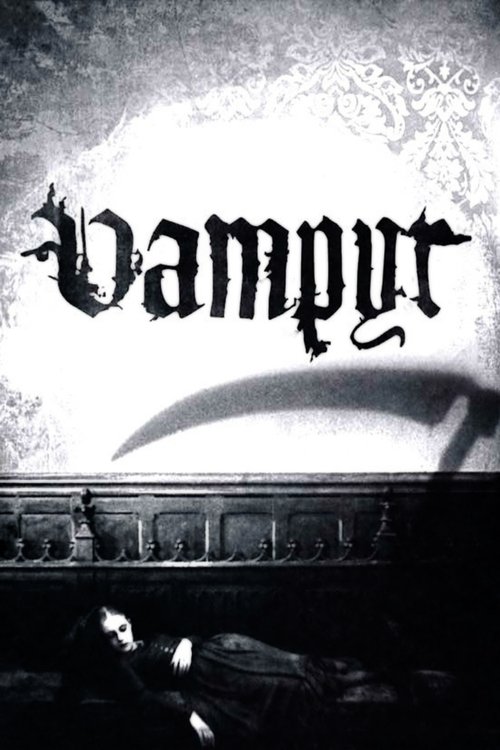
Vampyr1932
Both use horror imagery (cremation/vampirism) as metaphors for ideological possession—a sickness that moves through bodies and beliefs.
Dreyer's dreamlike vampire film uses expressionist imagery and uncanny atmosphere to explore moral corruption and contagion. Shot in 1930s France, it captures the era's spiritual sickness without ever mentioning politics directly.
But Slow, fragmentary, and deliberately obscure in plot. The visual language can feel impenetrable, and there's minimal conventional narrative structure.
People
Cast
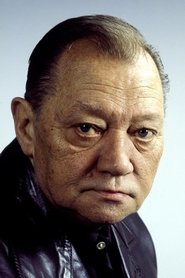 Rudolf HrušínskýKarel Kopfrkingl
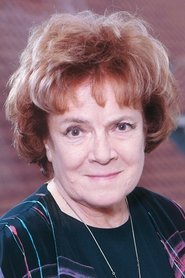 Vlasta ChramostováLakmé / Dagmar
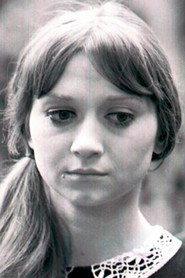 Jana StehnováZina
- Miloš VogničMili
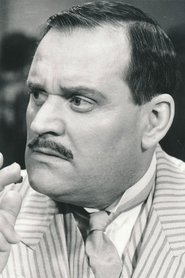 Ilja PrachařWalter Reinke
 Zora BožinováReinkeová
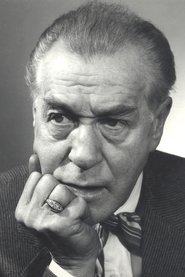 Eduard KohoutBettleheim
 Jiří LírStrauss
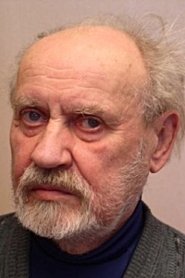 Dimitri RafalskyFenek
- Jan VlčekVrána
- Václav HalamaPelikán
 Jiří HálekRámar Holý
Directing
- Juraj HerzDirector
- Květa LehovcováFirst Assistant Director
- Vladimír BlažekFirst Assistant Director
- Věra VláčilováScript Supervisor
Writing
- Vladimír BorCreative Producer
- Ladislav FuksNovel
- Juraj HerzScreenplay
- Ladislav FuksScreenplay
Production
- Anna ProboštováAssistant Production Manager
- Jiří ŠeborExecutive Producer
- Ladislav HanušProduction Manager
- Jaromír LukášUnit Manager
- Radomír HubáčekUnit Manager
Recommended by
In a Glass Cage, Black Sunday, The Good Soldier Švejk, Secret Love, Bluebeard's Castle