
Film
Secret Love
Other titles called Secret Love: the 2013 series (KBS2).
A 2010 South Korean melodrama about a woman drawn to her comatose husband's identical twin. It's a slow-burn exploration of desire, guilt, and moral compromise—the kind of film that lets scenes breathe and asks uncomfortable questions about where attraction ends and betrayal begins. For viewers who want their romance complicated and their emotions wrung out.
Should you watch it?
Watch it if you are drawn to slow, melancholy romances where desire grows out of grief and moral unease, and you don't need the story to resolve neatly.
Skip it if you want a brisk plot or a clear moral compass, because the film lingers in quiet, uncomfortable stretches and rarely hurries to reassure you.
What it asks of you: Just under two hours of patience: the pace is measured, the mood stays heavy, and it rewards close attention to glances and silences more than to dialogue.
Not sure? Find tonight's pick in a minute.
If you liked this
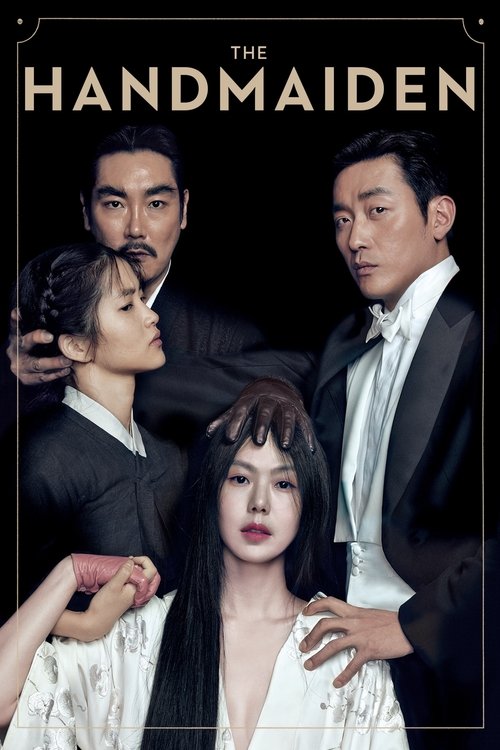
The Handmaiden2016
Park Chan-wook's intricate tale of deception and desire between two women in Japanese-occupied Korea. Like Secret Love, it builds tension through emotional entanglement and asks what people will do when they want something forbidden.
But It's a con artist thriller first, romance second. The plot twists matter more than the feelings, and if you want emotional catharsis, you might feel manipulated instead.
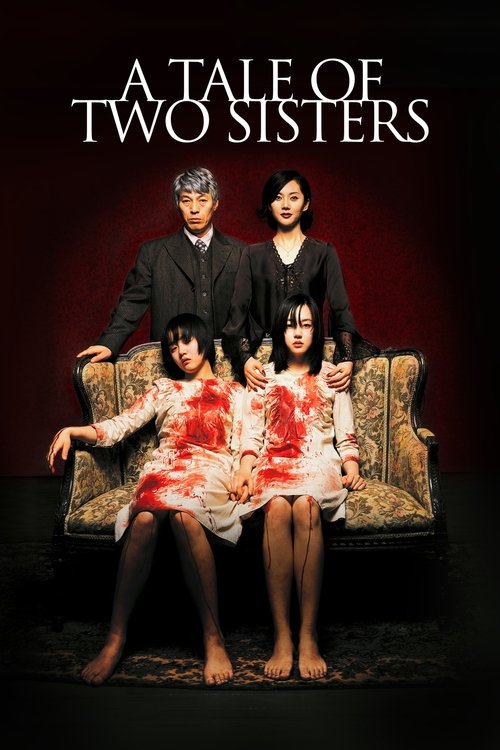
A Tale of Two Sisters2003
Another Korean film that uses genre conventions—here, horror—to explore family trauma and psychological fracture. Both films trust their audiences to sit with discomfort and ambiguity without neat resolution.
But It's deliberately cryptic about what's real and what isn't. That mystery is the point, but if you want clarity, it will frustrate you.
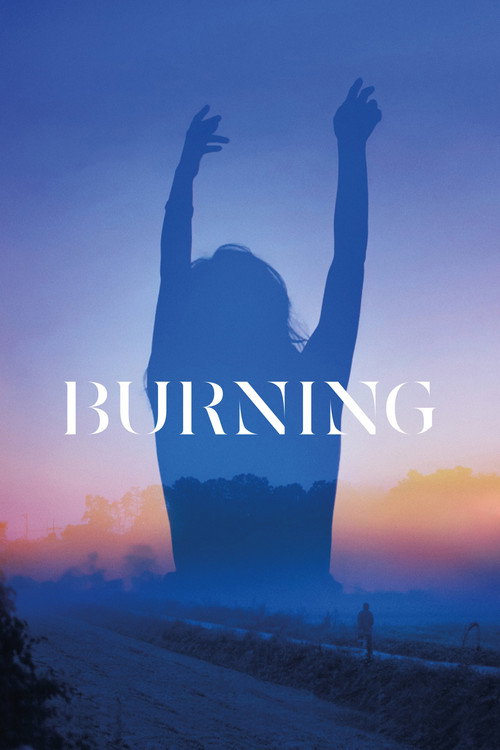
Burning2018
A slow, hypnotic South Korean drama about jealousy, class, and the corrosive effects of desire. It shares Secret Love's willingness to make you sit with moral uncertainty and unrequited longing for nearly three hours.
But Nothing happens in the conventional sense. If you need plot momentum or character growth, this will feel like watching paint dry.
Not sure tonight? Get a pick in a minute, starting from Secret Love
The wildcard
Something you would not have found on your own.
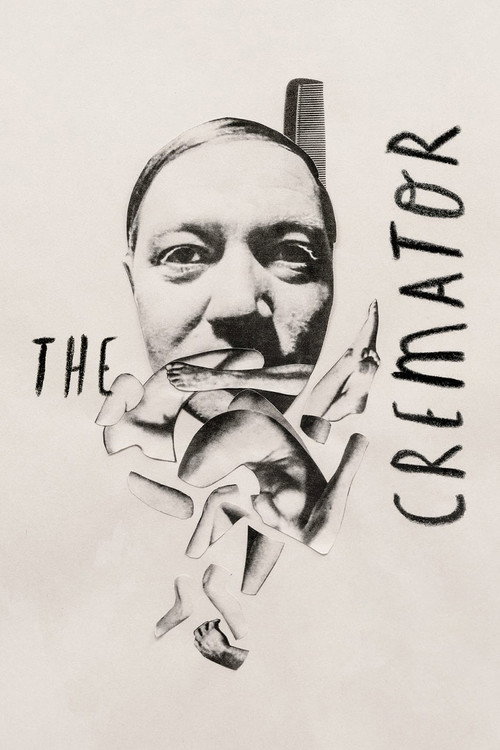
The Cremator1969
Both films watch characters rationalize transgression until they can no longer see the line between love and self-deception. Both suggest that desire is a form of madness.
Juraj Herz's darkly surreal Czechoslovak film about a crematorium operator who becomes increasingly unmoored from reality and morality. It uses psychological dissolution to explore how desire and rationalization corrupt the soul—a more expressionist version of Secret Love's moral trajectory.
But It's a deeply unsettling black-and-white film from the Cold War era that abandons naturalism halfway through. The protagonist is irredeemable, and the film offers no catharsis or justice.
More like this (6)
In the Mood for Love2000
Wong Kar-wai's masterpiece about two neighbours who discover their spouses are having an affair. It's all longing, restraint, and the ache of proximity without resolution—emotionally similar territory to Secret Love's central conflict.
But The pace is glacial and the colour palette hypnotic to the point of being deliberately artificial. Some find it beautiful; others find it exhausting.

Tokyo Story1953
Ozu's meditative family drama where adults grapple with love, duty, and the passage of time. The emotional restraint and attention to what's *not* said connects it to Secret Love's approach to desire and regret.
But It's nearly seventy years old and moves at a contemplative pace. If you need dramatic incident or contemporary dialogue, it will seem slow and oblique.

Shoplifters2018
Hirokazu Koreeda's quietly devastating film about family bonds that blur into moral compromise. It asks what we owe each other and how love justifies the unjustifiable—a deeper version of Secret Love's central question.
But The family it portrays is built on crime and deception. If you need your protagonists sympathetic or the film to judge them harshly, the moral ambiguity will feel like evasion.

The Lover1992
Jeanne Moreau adapts Marguerite Duras's novel about a French girl's illicit affair in colonial Indochina. It's sensual, guilt-ridden, and unashamed about exploring the erotic and emotional dimensions of a transgressive relationship.
But The power imbalance is extreme and largely presented as erotic rather than troubling. If that dynamic bothers you, the film's refusal to condemn it will feel wrong.

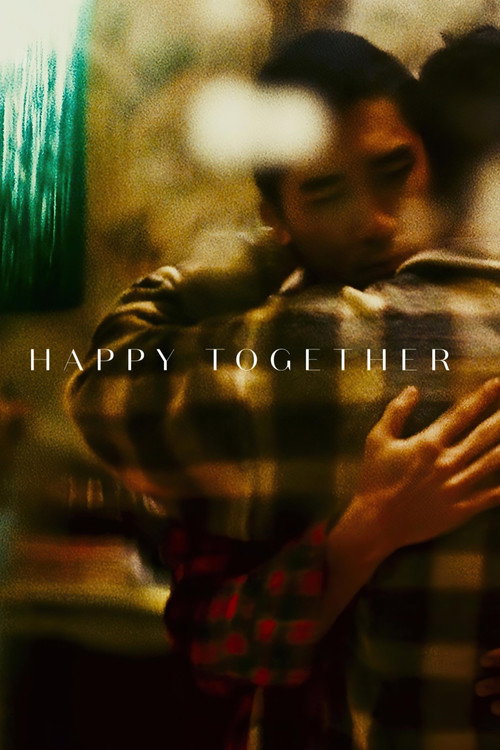
Happy Together1997
Wong Kar-wai's portrait of a doomed relationship between two men in Buenos Aires. It shares Secret Love's interest in how desire persists even when the relationship is clearly destructive.
But It's more concerned with mood and cinematography than narrative coherence. The plot is minimal and the emotional payoff is bleak.
A Ghost Story2017
Both films interrogate what happens when we can't move on from someone—whether that's absence, infidelity, or moral paralysis. Both suggest that being stuck is its own form of haunting.
David Lowery's experimental meditation on grief, time, and haunting. It uses an absurdist conceit—a ghost in a bedsheet—to ask questions about memory, presence, and whether love survives absence. Visually unlike anything else, but emotionally profound.
But It's a 92-minute film where a man in a white sheet sits watching his house for most of the runtime. It's deliberately slow, abstract, and uninterested in plot. Some will find it revelatory; others will find it pretentious nonsense.

People
Cast
 Yoo Ji-taeJin-woo / Jin-ho
 Yoon Jin-seoYeon-yi
 Im Ye-jinYeon-yi's Mother
 Jung In-giFather Choi
 Oh Yeon-ahStrange Woman
 Yang Eun-yongEditor-in-Chief
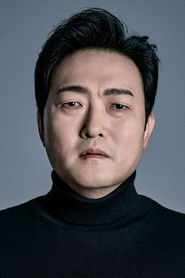 Lee Jun-hyeokUnfamiliar Man
 Lee Mi-doNurse Park
 Im Hyung-kookDoctor
 Kang Ae-simNeighborhood
 Sung Ji-ruGuesthouse owner
 Im HoHair designer