
Film
Shame
Other titles called Shame: the 2011 film.
- War drama
- Very dark
Bergman's 1968 masterwork traps a fractured marriage on a war-torn island where personal anguish and political chaos become indistinguishable. Liv Ullmann and Max von Sydow deliver performances of devastating intimacy. Bleak, hypnotic, and profoundly humanistic—for viewers who prize emotional honesty over comfort.
If you liked this
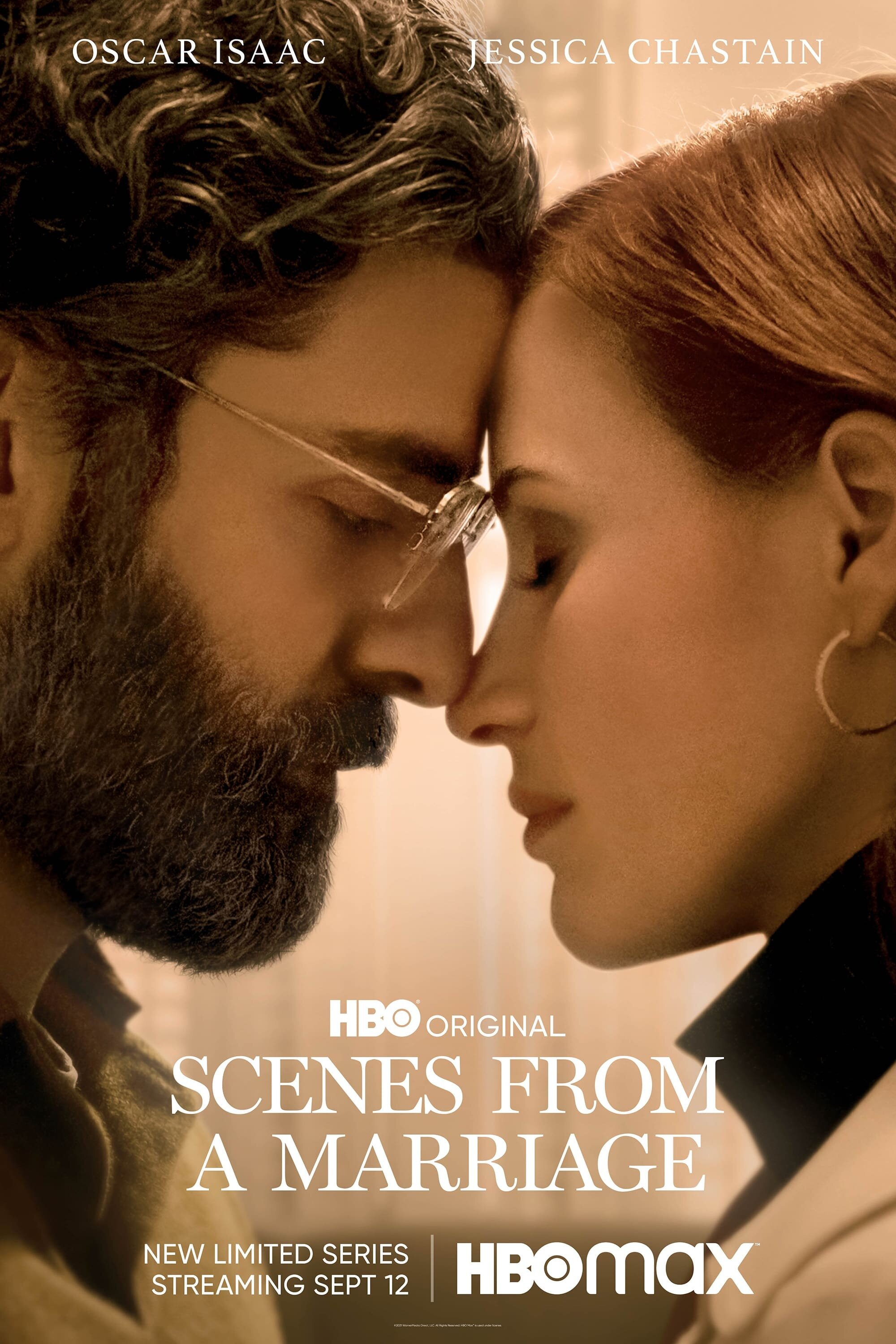
Scenes from a Marriage2021
Bergman's equally unflinching dissection of marriage across five episodes. Ullmann returns, and the raw dialogue between spouses rivals anything in cinema. A companion piece that deepens what Shame leaves unsaid.
But It's a TV miniseries from 1973, shot in close-up on video. The intimacy can feel claustrophobic, and the pacing asks patience modern viewing habits may resist.
The Seventh Seal1957
Bergman's most celebrated film, also built on symbolic landscape and moral urgency. Death plays chess with a knight; war, faith, and the absurd collide. Essential Bergman and far more accessible than Shame.
But Its allegorical grandeur can read as heavy-handed on first viewing. Some find the existential posturing dated, though that misses the point entirely.

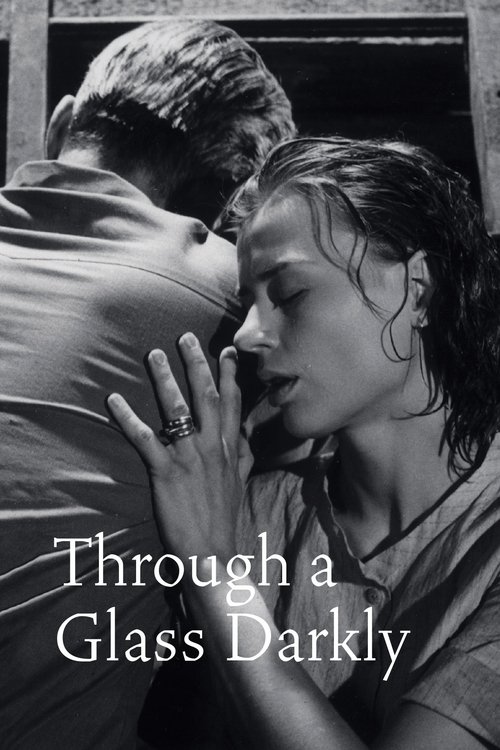
Through a Glass Darkly1961
Bergman again isolates characters—a family on an island—while psychological disintegration mirrors external chaos. Shorter, more compressed than Shame, but with identical moral pressure. Luminous black-and-white cinematography.
But The breakdown is clinical and cold. There's little warmth or reprieve, which some find punishing rather than cathartic.
Not sure tonight? Get a pick in a minute, starting from Shame
The wildcard
Something you would not have found on your own.
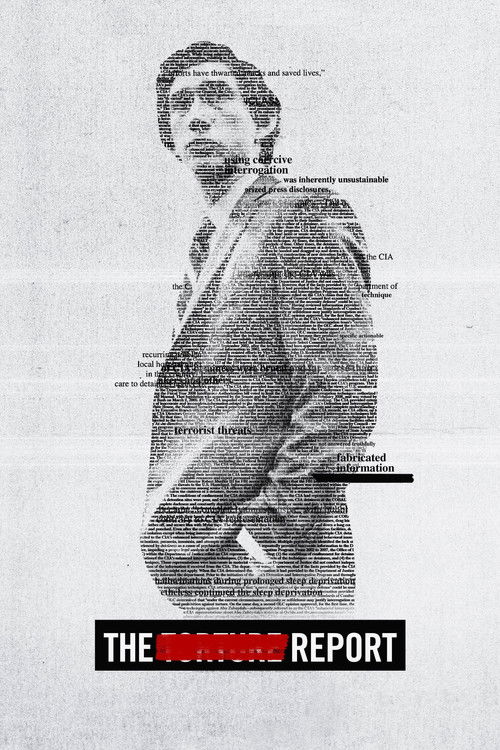
The Report2019
Both examine how ordinary people—a couple, a senator, an investigator—become entangled in systems of violence and find that personal decency offers no escape. Both refuse comfortable distance.
Directed by Scott Z. Burns, this is a meticulous account of the Senate investigation into CIA torture. No combat, no marriage drama—but the same anatomy of complicity and moral erosion. Bureaucratic evil, quiet despair, the impossibility of exemption.
But It's procedural, modern, American, and resolutely un-lyrical. If you're seeking Bergman's existential poetry, this offers argument and exhaustion instead. Very long and very controlled.
More like this (6)
Stalker1979
Tarkovsky's science-fiction meditation on desire and meaning inside a mysterious zone. Glacially paced, hypnotic, morally complex. Like Shame, it trusts silence and glances to carry weight. A different language, same depth.
But 163 minutes of mostly walking and talking. The metaphysics are opaque. Patience is not optional; rapture is not guaranteed.

Ikiru1952
Kurosawa's portrait of a dying man finding meaning. Quieter than his samurai epics, it shares Shame's interest in dignity amid indifference. Deeply moving without ever reaching for melodrama.
But The second half shifts tone sharply, which some find jarring. It's more hopeful than Shame, which may feel like a betrayal if you want unrelenting bleakness.

Come and See1985
Soviet war film of staggering brutality—a boy's initiation into Eastern Front horrors. Like Shame, it refuses distance or comfort. Raw, hallucinogenic, one of the greatest anti-war statements ever made.
But Genuinely harrowing. The violence is not graphically exploited but is unsparing. Not a film you watch for pleasure; you watch it for reckoning.

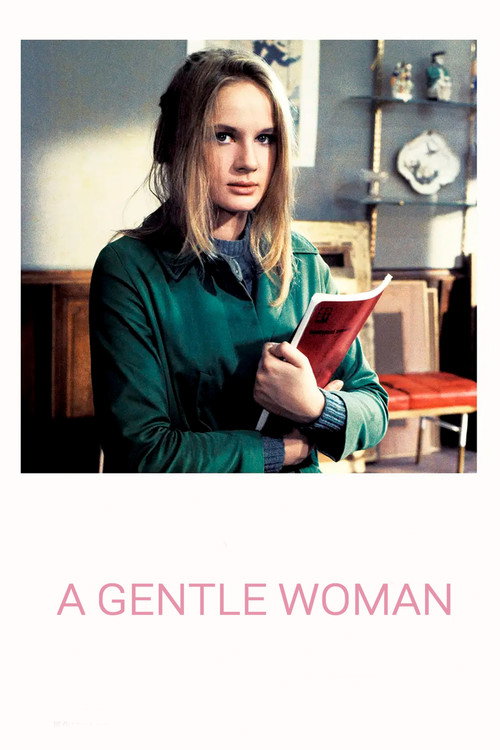
A Gentle Woman1969
Bresson's portrait of marital dissolution through a woman's suicide note. Formal, austere, utterly devastating. Made just after Shame, it proves the same territory can yield radically different formal solutions.
But Bresson's austerity verges on the punitive. Minimal music, emotionless performances, no catharsis. Many find it insufferable rather than sublime.
Melancholia2011
Von Trier's apocalyptic wedding film. A rogue planet approaches Earth; personal and cosmic dread merge. Ullmann appears in a small role. Visually rapturous where Shame is austere, but kindred in moral weight.
But The self-indulgence is occasionally staggering, and the second half abandons narrative momentum for philosophical wallowing. Some see profundity; others see pretension.

Sans Soleil1983
Both are meditations on what it means to see clearly in the face of historical horror. Both suggest that art cannot solve anything but insists on bearing witness anyway. Both trust fragments and ambiguity more than clarity.
Marker's essay film is a collage of images, voiceover, and philosophical digression—ostensibly about travel, memory, and cinema itself. But it's also about witnessing suffering without solution, about the helplessness of consciousness. Utterly strange and magnificent.
But It's a 100-minute essay without plot or conventional narrative. Structurally baffling on first viewing. Experimental in ways that demand active interpretation, not passive reception.

People
Cast
 Liv UllmannEva Rosenberg
 Max von SydowJan Rosenberg
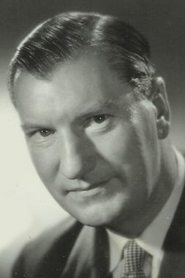 Sigge FürstFilip
 Gunnar BjörnstrandMr. Jacobi
 Birgitta ValbergMrs. Jacobi
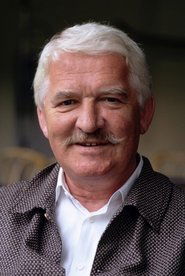 Hans AlfredsonLobelius
 Ingvar KjellsonOswald
 Frank SundströmInterrogator
 Vilgot SjömanTV Interviewer
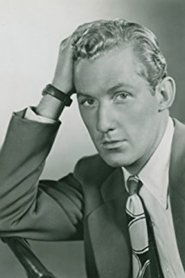 Bengt EklundGuard on Jacobi's Expedition
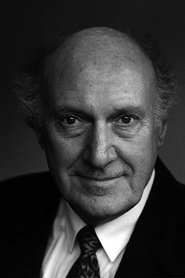 Gösta PrüzeliusPastor in the Interrogation Room
 Willy PetersSenior Officer
Directing
- Raymond LundbergAssistant Director
- Ingmar BergmanDirector
- Katinka FaragóScript Supervisor
Writing
- Ingmar BergmanScreenplay
Production
- Lars-Owe CarlbergProducer
- Jan BergmanProduction Assistant
- Lars-Owe CarlbergProduction Manager
- Brian WikströmUnit Manager
Recommended by
Fritz the Cat, The Wild Child, Betty Blue, Miss Julie, The Respectful Prostitute, The Savage Eye, Madame Bovary, Hurricane, Effi Briest, The Cremator, Memories of Underdevelopment, Greetings, Mad Dog Morgan, Portnoy's Complaint, Dialogues des Carmélites