
Film
The Savage Eye
- Social drama
- Very dark
- Slow-burning
A woman adrift in 1960s Los Angeles wanders the city's underbelly, documenting its hypocrisies and cruelties with bitter detachment. Shot on location with documentary texture, it's a prose-poem of urban alienation—less plot than mood, mood than argument. Deliberately claustrophobic and unsentimental; for viewers who want cinema as essay, not escape.
Should you watch it?
Watch it if you like character studies that drift through a city and let a bitter, sharp-tongued observer do the talking, with mood doing more work than plot.
Skip it if you need a plot that moves or a heroine you can easily warm to, because this is prickly and often static, and its cynicism can wear thin fast.
What it asks of you: At barely an hour and eight minutes, it is slow and episodic, and it rewards patience with long, unhurried stretches of watching rather than a story clicking into place.
Not sure? Find tonight's pick in a minute.
If you liked this
Nights of Cabiria1957
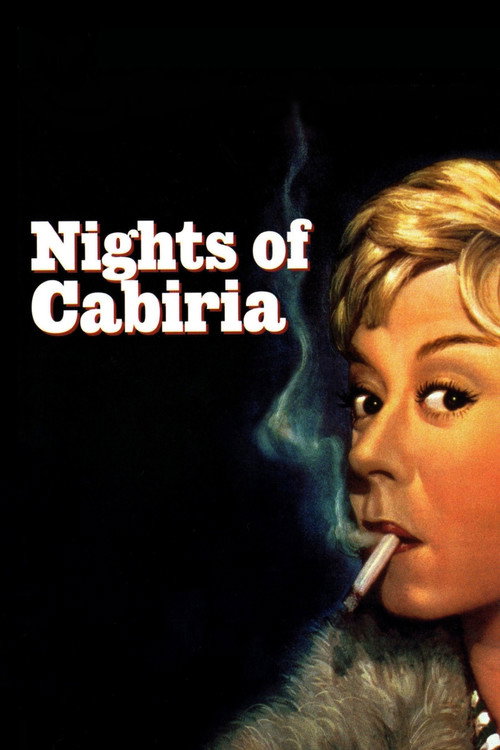
Fellini's portrait of a Roman woman surviving on the margins, tender and heartbreaking where The Savage Eye is cold, but both pursue their heroines through the city's cruel spectacle without looking away.
But It's in Italian and requires real emotional surrender. The mood is elegiac rather than sharp, which some might find slow.
Sunrise: A Song of Two Humans1927
Murnau's silent masterpiece uses the city as moral wasteland too—seduction, vice, temptation. The visual language predates The Savage Eye but shares its conviction that modern life corrodes the soul.
But It's silent and expressionistic. The artifice is deliberate, which distances some viewers rather than moving them.

Shadows1960
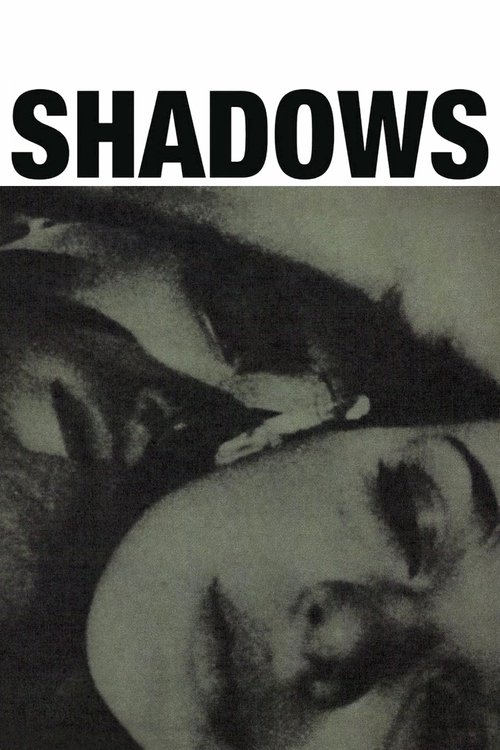
Cassavetes's intimate study of jazz musicians navigating New York's racial and sexual codes. Improvised, shot on the street, unpolished—the documentary aesthetic and urban alienation are pure cousins to The Savage Eye.
But The sound recording is rough and the narrative dissolves on purpose. Comes across as formless if you're expecting a story.
Not sure tonight? Get a pick in a minute, starting from The Savage Eye
The wildcard
Something you would not have found on your own.
Shame1968
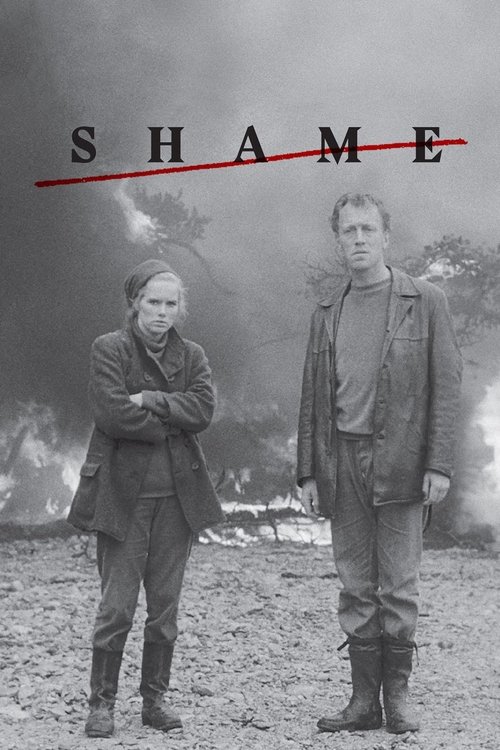
Both are essays in alienation disguised as narratives, using landscape and character observation to argue that modern systems dehumanize. Same register, utterly different contexts.
Bergman's war film uses a decaying island landscape the way The Savage Eye uses Los Angeles—as external embodiment of moral collapse. Both document civilization's cruelty through intimate observation and without mercy.
But It's about the Swedish occupation during an imaginary war, filmed in black and white on a stark island. The bleakness is philosophical rather than plot-driven; some see it as a slog.
More like this (7)
The Killing1956
Kubrick's race-track noir sees Los Angeles as a trap where everyone is complicit and nobody escapes. Darker and more plot-driven, but the city's corruption is just as total.
But Tighter and more brutal. If you want The Savage Eye's philosophical wandering, the structure here might feel constrictive.

PlayTime1967
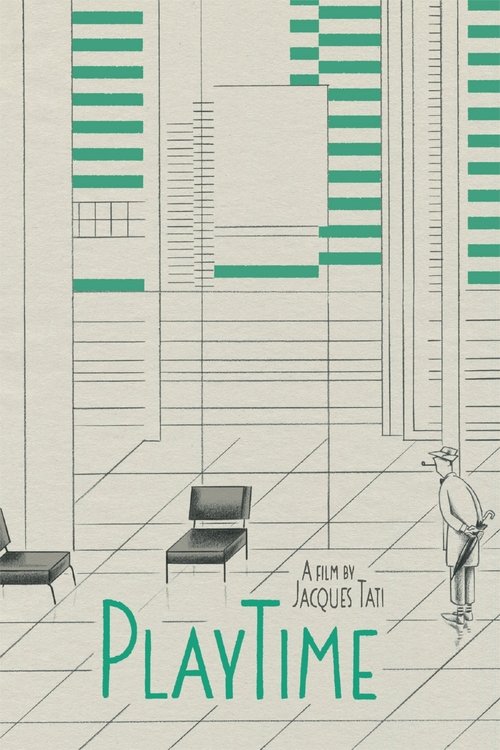
Tati's Paris is as alienating and observation-focused as The Savage Eye's LA, but he finds absurdist comedy in the same urban wasteland. Both are cities as character studies.
But It's 124 minutes of carefully composed wide shots where you have to find the humor. Requires active looking; some find it exhausting.
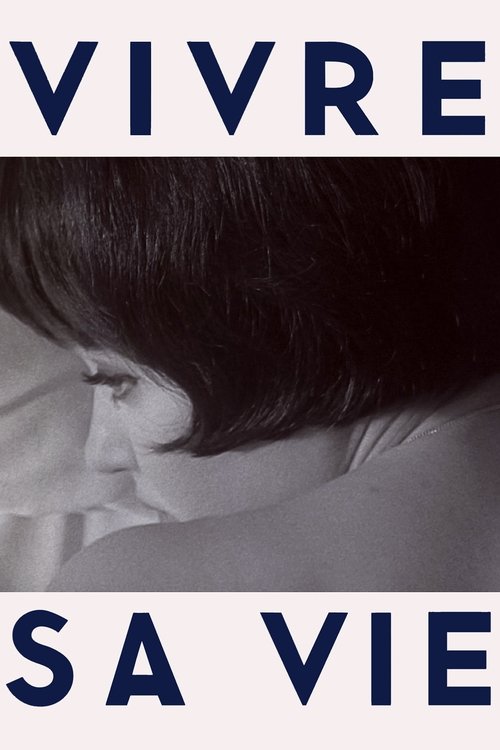
Vivre Sa Vie1962
Godard follows a Paris woman into prostitution with the same detached, essayistic gaze The Savage Eye turns on Los Angeles. Both collapse plot into observation and philosophy.
But Deliberately fractured and theoretical. If you want catharsis or character development, you will not find it.
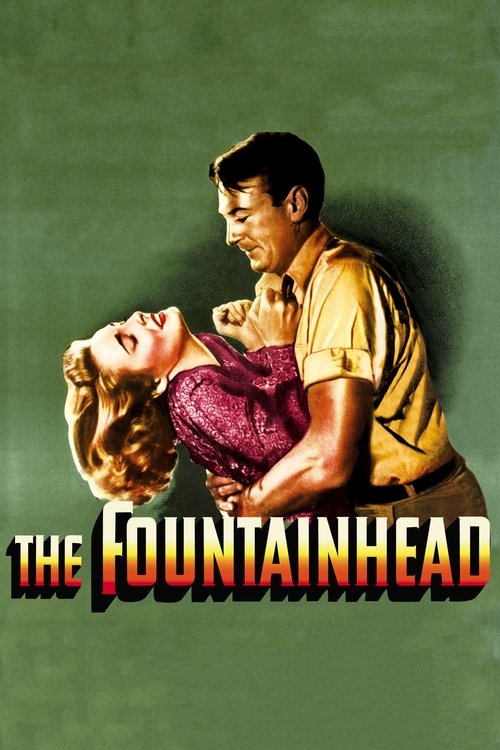
The Fountainhead1949
Also about individuals at odds with a corrupt modern world, though Vidor takes it ideologically rather than anthropologically. The theme of alienation and uncompromising vision connects them.
But It's a Rand adaptation—didactic, earnest, and wildly uneven in quality. The politics will alienate as much as the protagonist.
In a Lonely Place1950
Bogart as a man whose cynicism about Hollywood reflects The Savage Eye's distrust of surface glamour and hidden rot. Both are about seeing too clearly in a city that rewards blindness.
But It's a noir with a love story attached. If you hate sentimentality interrupting your contempt for civilization, the romance subplot will sting.

Stalker1979
Tarkovsky's philosophical journey parallels The Savage Eye's meditative critique of modern life, though his setting is metaphysical. Both privilege mood and idea over plot momentum.
But Nearly three hours of slow, hypnotic Russian cinema. Demands patience and rewards it unevenly; many viewers find it impenetrable.

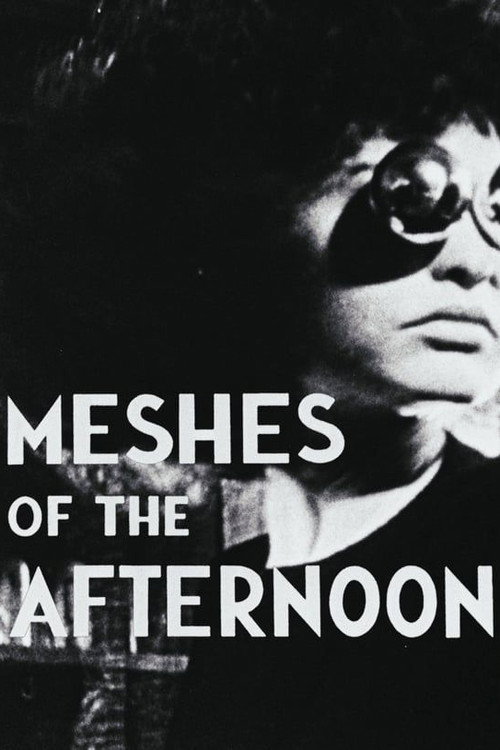
Meshes of the Afternoon1943
Both trap their heroine in an environment that reflects her internal alienation. Both use medium—Deren's surrealist editing, The Savage Eye's documentary realism—to argue that modern consciousness is fragmented and inescapable.
Maya Deren's avant-garde 14-minute film uses a single room and woman's daily ritual the way The Savage Eye uses the city—as landscape of psychological entrapment. Hypnotic, visually extraordinary, utterly original.
But It's abstract and symbolic rather than literal. No plot, no dialogue. Experimental cinema that some find precious or impenetrable.
People
Cast
 Barbara BaxleyJudith McGuire
 Gary MerrillThe Poet
- Jean HideyVenus the Body
- Elizabeth ZemachThe Nurse
Directing
- Ben MaddowDirector
- Joseph StrickDirector
- Sidney MeyersDirector
Writing
- Ben MaddowWriter
- Joseph StrickWriter
- Sidney MeyersWriter
Production
- Ben MaddowProducer
- Joseph StrickProducer
- Sidney MeyersProducer