
Film
My Cousin Rachel
Other titles called My Cousin Rachel: the 1952 film.
A Gothic romance that slots mystery and paranoia into the spaces between seduction and doubt. Rachel Weisz plays a woman who may or may not have poisoned her husband; a young man convinced of her guilt finds himself fatally attracted to her instead. It's Daphne du Maurier filtered through the male gaze—beautiful, unsettling, and ambiguous in ways that will either fascinate or frustrate you.
Should you watch it?
Watch it if you enjoy slow-burning gothic drama where you never quite trust the people on screen, and the pleasure lies in a character you can't pin down, shot through with lush period atmosphere.
Skip it if you want brisk plotting or a clear moral compass, since the film lingers over doubt and ambiguity at a measured pace for its 106 minutes and rarely hurries to reassure you.
What it asks of you: Patience with a deliberate pace and a willingness to sit with uncertainty; it unfolds in quiet rooms and long looks, so attention to faces and glances pays off.
Not sure? Find tonight's pick in a minute.
If you liked this
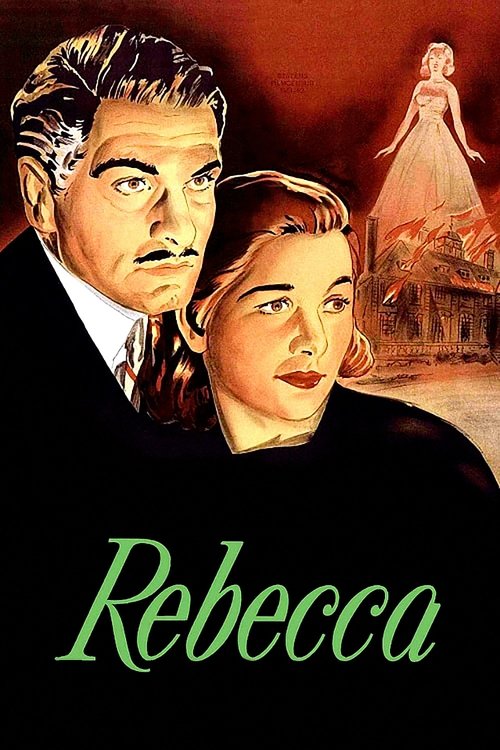
Rebecca1940
Hitchcock's masterpiece of Gothic atmosphere and suspicion. A new bride enters a marriage shadowed by the absent first wife's memory, never quite sure what she's walking into. Similar dread, similar beauty, similar uncertainty about who to trust.
But The pacing is stately and the psychology is more important than plot momentum. If you want answers delivered quickly, you'll feel the film withholding them.
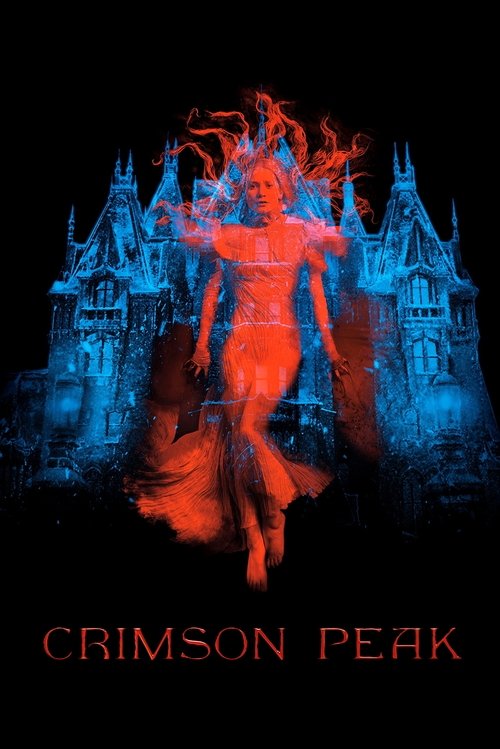
Crimson Peak2015
Guillermo del Toro's lush Gothic romance about a woman drawn into a decaying mansion by a mysterious man. Like Rachel, it plays with whether the danger is supernatural or human, exterior or interior—and whether the heroine is prey or player.
But It leans more toward Gothic spectacle than psychological subtlety. The visual beauty can feel like the point, rather than the unease underneath it.
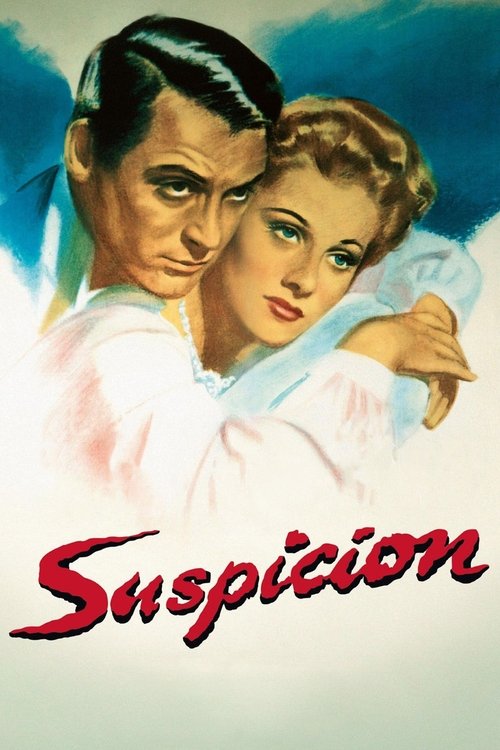
Suspicion1941
Cary Grant as a man a wife suspects of attempted murder. The elegance, the uncertainty, the way charm becomes sinister under scrutiny—it's the same emotional machinery. Hitchcock understood this dynamic before anyone else.
But The ending famously capitulated to the studio. Depending on what you wanted from it, you might find the resolution a let-down.
Not sure tonight? Get a pick in a minute, starting from My Cousin Rachel
The wildcard
Something you would not have found on your own.
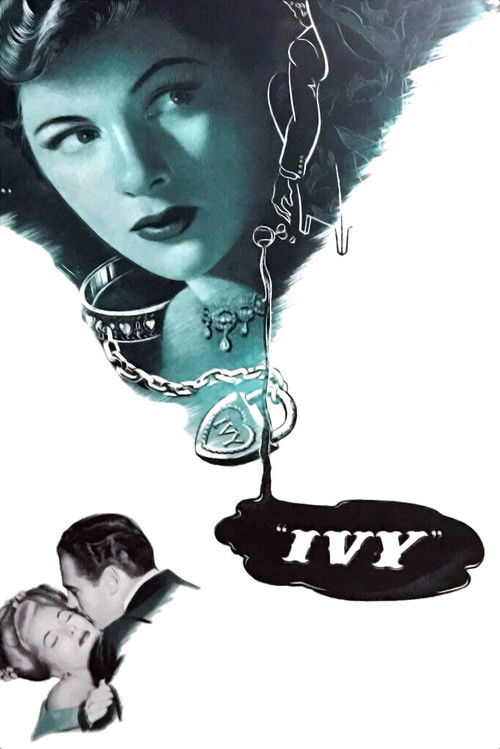
Ivy1947
Both are stories about attractive people committing murder and getting away with it, told from the perspective of someone who loves them anyway. The difference is: who's looking out?
A woman murders her way up the social ladder with her husband as her first victim. It's My Cousin Rachel inverted—the same Gothic machinery, the same woman using beauty as camouflage, but here she's the protagonist and we watch her scheme unfold. Joan Fontaine is mesmerizing and utterly without mercy.
But It's in black-and-white and feels like a studio picture of its era. If you're expecting modern sophistication in how it handles morality, you'll find it quaint.
More like this (8)
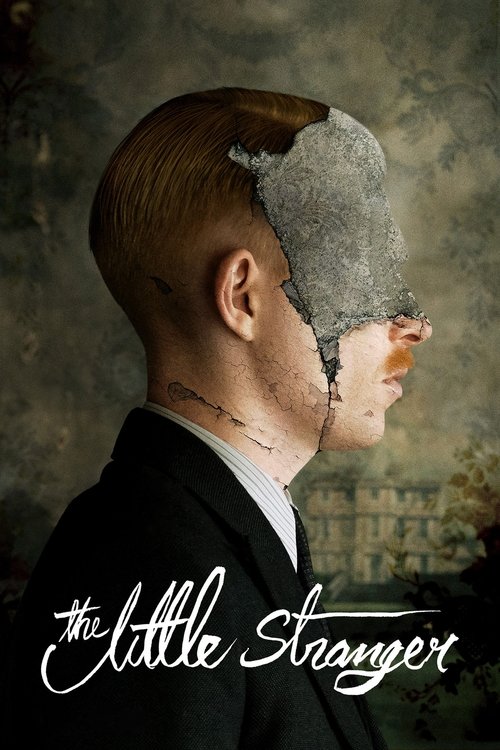
The Little Stranger2018
A man insinuates himself into a decaying English manor after the war, and nobody quite knows if he's a help or a threat. Slow-burn paranoia, class anxiety, and the way one person's presence can poison a whole household. That same unsettled feeling.
But Glacially paced. If you're not absorbed by mood and subtext over plot, it will feel like nothing is happening.
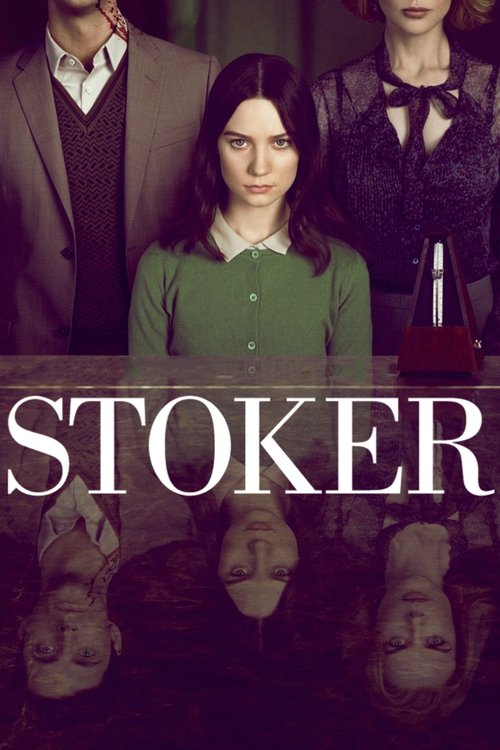
Stoker2013
Park Chan-wook's film about a girl and her mysterious uncle, shot with operatic intensity. The seduction, the suspicion, the way beauty masks something corrupt—it's the same engine, pushed into the baroque and perverse.
But The style is so pronounced it can overwhelm character. Some find it gorgeous; others find it exhausting and mannered.
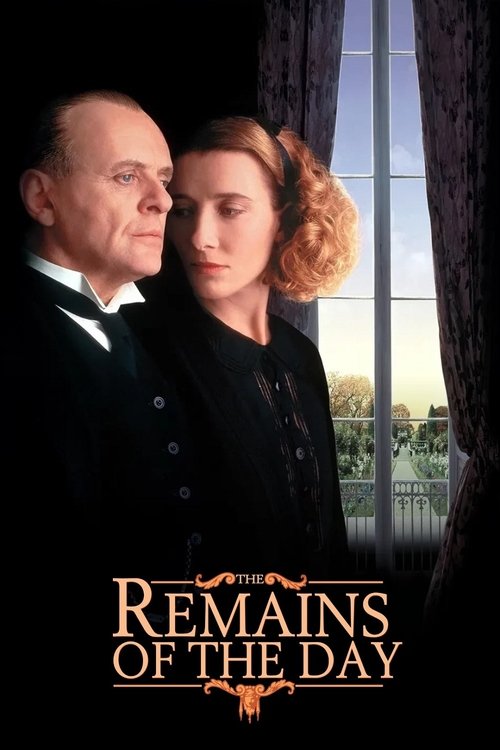
The Remains of the Day1993
James Stevens, a butler, loves a woman he can never have while serving a man who may be a fascist. Restraint as a form of torture. Like Rachel, it's about what's unsaid, what's suspected, what burns underneath perfect surfaces.
But Anthony Hopkins barely moves his face. If you need emotional volatility to feel emotionally moved, you might find it cold and remote.
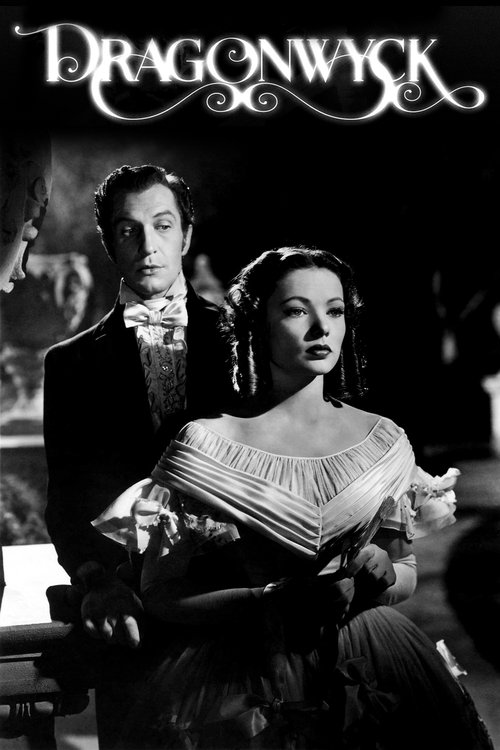
Dragonwyck1946
Gene Tierney and Walter Huston in a Hudson Valley Gothic where the husband's charm masks tyranny. That exact tension between seduction and dread, between the man's version and the woman's truth. It deserves to be better known.
But It's minor now, dated in pacing. The thriller mechanics feel a bit quaint, and it won't surprise you if you've seen modern versions of the type.
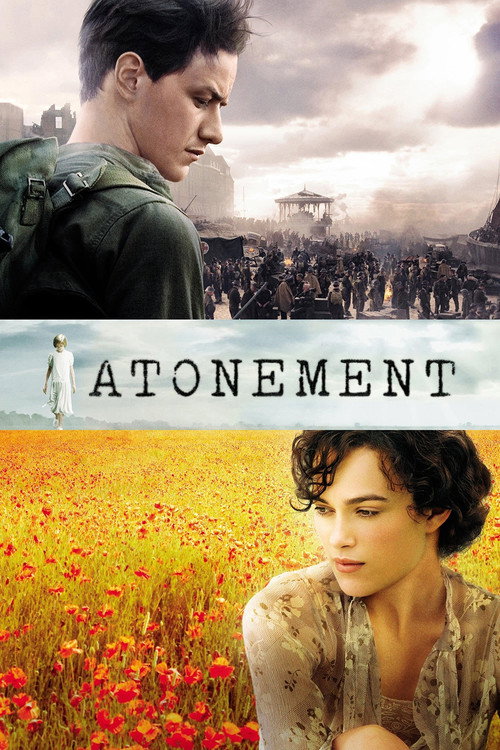
Atonement2007
A false accusation ricochets through time and wrecks four lives. Like Rachel, it plays with what we think we know and who we blame. Gorgeous, intricate, and the revelation lands with real weight.
But It's emotionally exhausting rather than pleasurable. The ambiguity about guilt and innocence is the point, which means it won't give you easy catharsis.
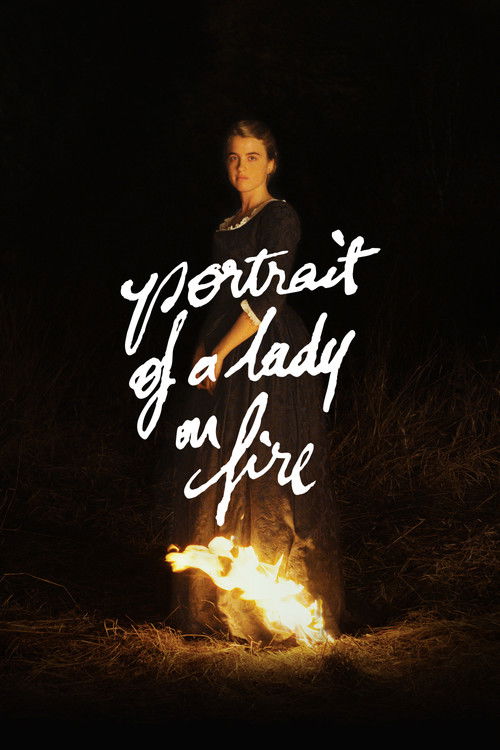
Portrait of a Lady on Fire2019
A painter and her subject develop a dangerous intimacy in isolation. Like Rachel, it's about two people who can't quite read each other, desire and deception, the woman as puzzle. Sensual and strange.
But It's French, unhurried, and primarily interested in the texture of attraction over plot. Some find it meditative; others find it slow to the point of inertia.
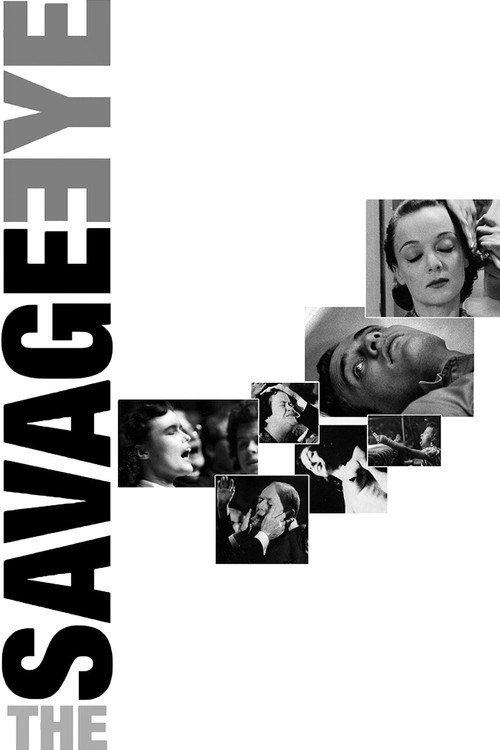
The Savage Eye1960
Both films are fascinated by the opacity of other people—the way someone can be physically present and remain absolutely unknowable. Rachel is a mystery wrapped in plot; this is a mystery that IS the entire film.
A woman drifts through 1950s Los Angeles, disconnected and observing. Shot like a documentary, it has none of Rachel's plot machinery, but it has something stranger—the exact feeling of being mystified by another person's interior life, of watching someone and never quite understanding what they want. Hypnotic and eerie.
But There's almost no narrative. If you need a story with momentum and resolution, this will feel like watching someone's home video. It's an experiment in mood over meaning.
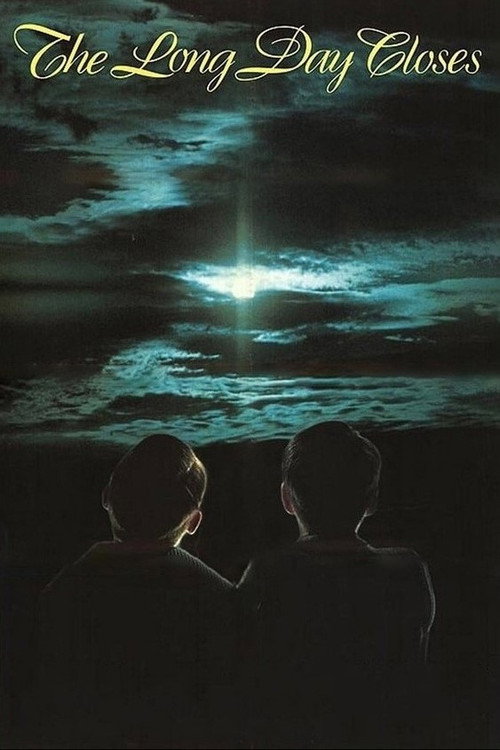
The Long Day Closes1992
Both films understand that attraction to the wrong person isn't a mistake you can think your way out of. The difference is: one is Gothic mystery, the other is intimate autobiography about the price of desire.
Terence Davies' film about a queer working-class boy in 1950s Liverpool. It seems completely removed from Rachel until you realize both are about desire as a form of self-destruction—longing for someone who can only hurt you, the way beauty becomes a trap. It's heartbreaking in a way Rachel keeps at arm's length.
But It's a poem, not a thriller. There's no plot in the conventional sense, and it requires patient attention to what's being felt rather than what's being done.
People
Cast
 Rachel WeiszRachel
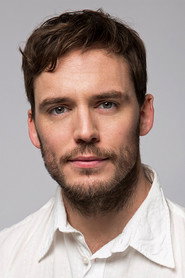 Sam ClaflinPhilip
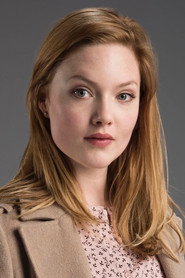 Holliday GraingerLouise
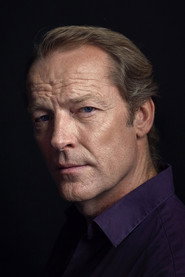 Iain GlenKendall
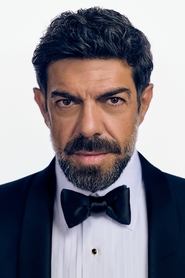 Pierfrancesco FavinoRinaldi
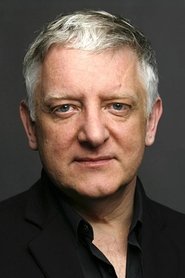 Simon Russell BealeCouch
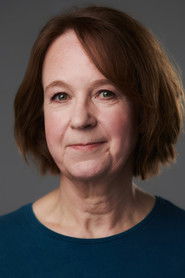 Vicki PepperdineMrs. Pascoe
- Tim BarlowSeecombe
- Tristram DaviesWellington
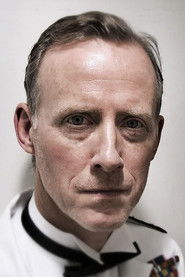 Andrew HavillParson Pascoe
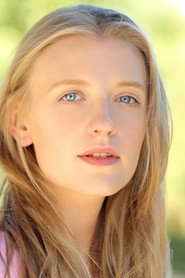 Poppy Lee FriarMary Pascoe
Directing
- Roger MichellDirector
- Barrie McCullochFirst Assistant Director
- Tom RyeSecond Assistant Director
- Kevin LoaderSecond Unit Director
Writing
- Roger MichellAdaptation
- Daphne du MaurierNovel
- Roger MichellScreenplay
Production
- Fiona WeirCasting
- Sarah WilsonCasting Assistant
- Anita OverlandCo-Producer
- Katie GoodsonExecutive Producer
- Roger MichellExecutive Producer
- Enrico BallarinLine Producer
- Harriet LawrenceLocation Manager
- Leonardo SempliciLocation Manager
- Robert Platt-HigginsPost Production Coordinator
- Kevin LoaderProducer
- Rebecca BoothProduction Coordinator
- Victoria ZalinProduction Coordinator
- Simonetta Di FrescoProduction Manager
- Claudio LulloUnit Manager
- David PowellUnit Manager
- Nicola MorrowUnit Production Manager
Recommended by
Rebecca, Rebecca, To Walk Invisible, The Dig, The Duchess of Malfi