
Film
The Dig
A quietly luminous film about the 1939 excavation of Sutton Hoo, where an unlikely friendship blooms between a widow and a self-taught archaeologist as they unearth Saxon treasures. It moves with the patience of archaeology itself—intimate, elegiac, more interested in what the past tells us about ourselves than in spectacle. For anyone who finds beauty in meticulousness and meaning in fragments.
If you liked this
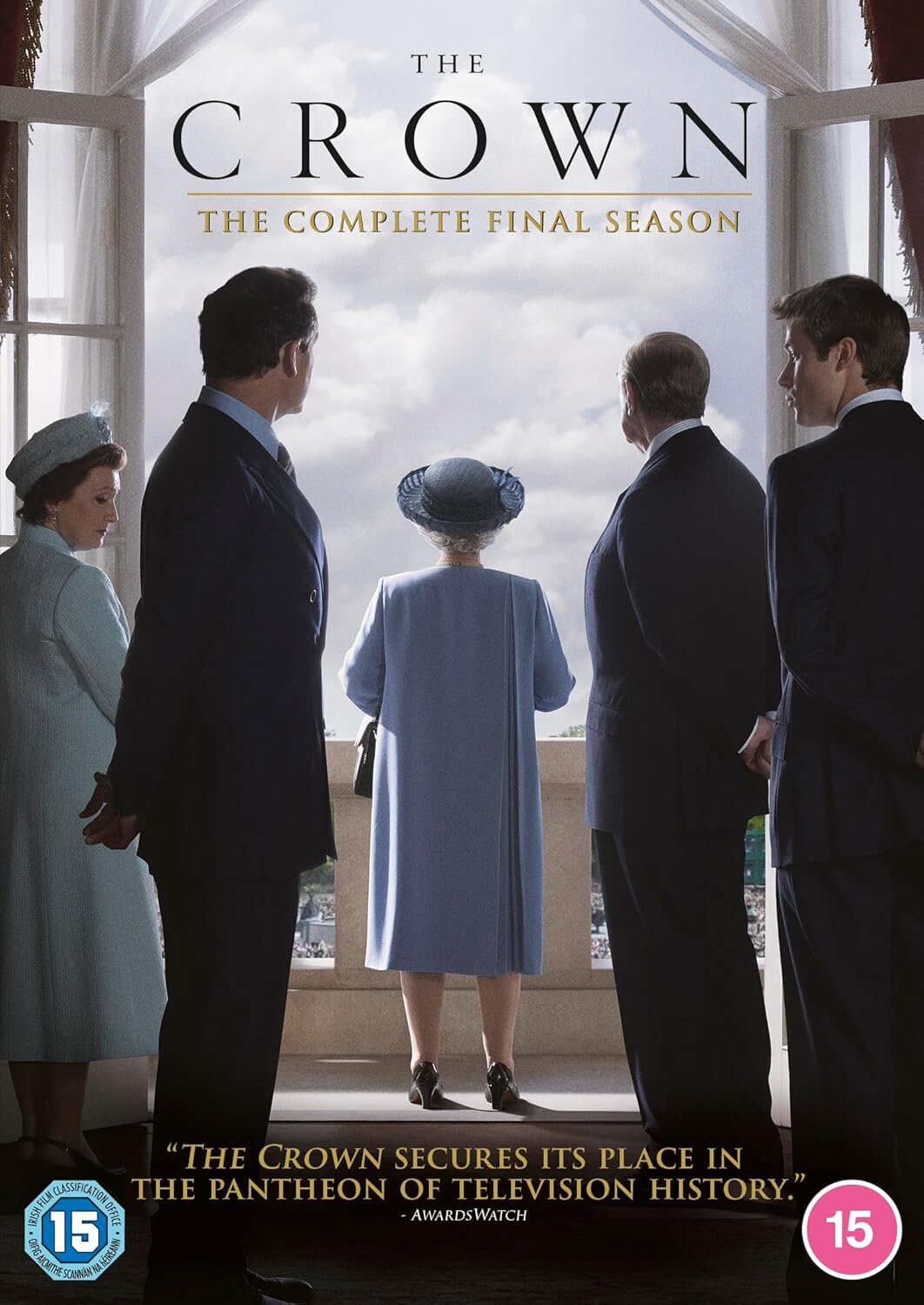
The Crown2016
Explores how personal conviction clashes with duty and historical weight. Features similar restraint in its emotional moments and an obsession with the textures of British heritage and institutional memory.
But Operates on a much larger, grander scale than The Dig's intimate chamber piece. Its political ambitions and dramatic peaks may feel quite different from this film's contemplative rhythm.
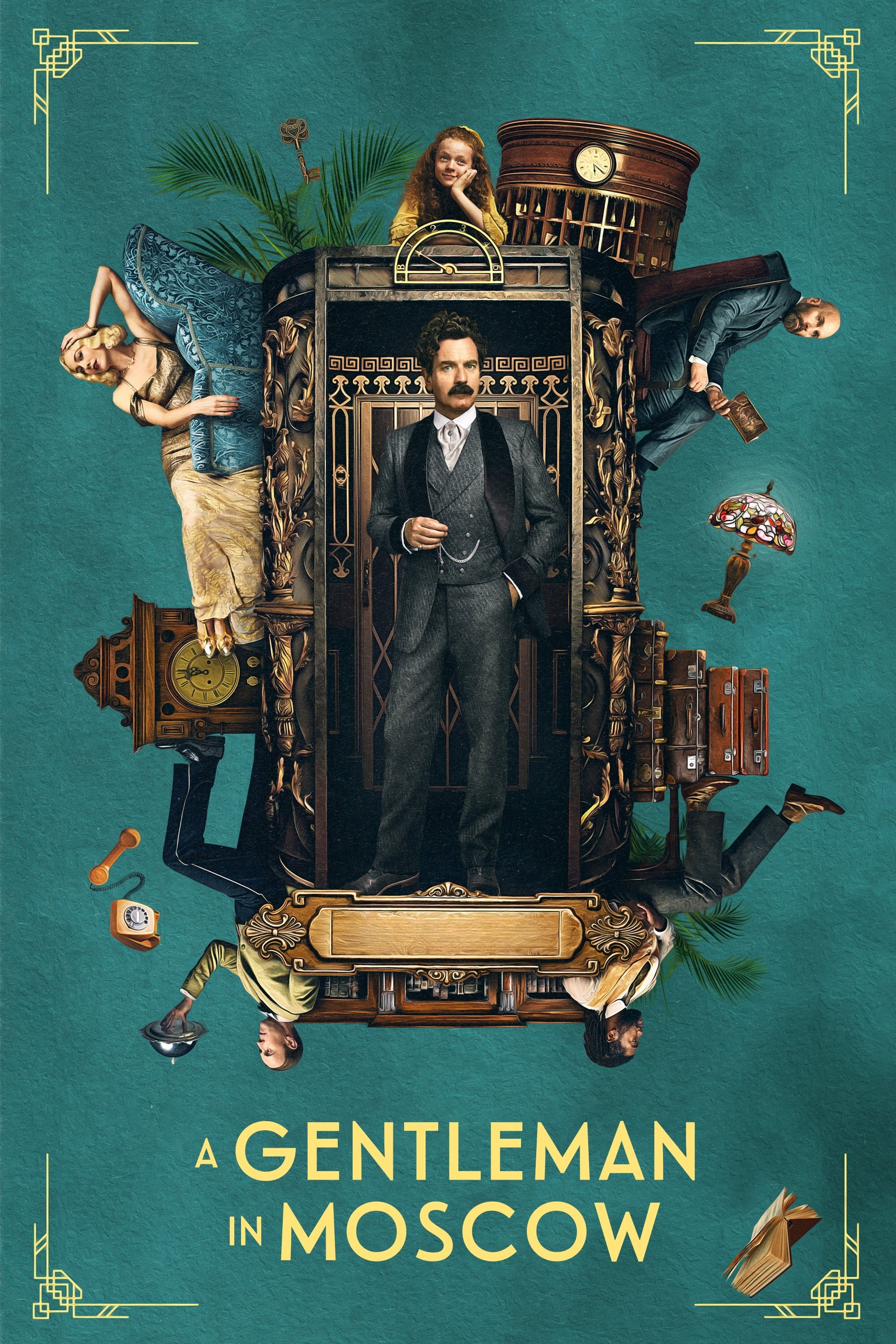
A Gentleman in Moscow2024
Another story about dignity, tradition, and the small rebellions of principled people facing historical upheaval. Shares the same gentle accumulation of meaning and appreciation for ceremony and restraint.
But Shifts between Russia and other locations where The Dig stays rooted to one place. Its tone is slightly warmer and more romantic than The Dig's bittersweet restraint.
The Remains of the Day1993
James Ivory's masterpiece about duty, class, and regret—what goes unsaid between people who respect each other. It has the same texture: formal surfaces concealing turbulent emotion, and the past as a weight that shapes the present.
But Far more explicitly about romantic longing, which makes its restraint feel like renunciation. The Dig is more about discovery than loss.

Not sure tonight? Get a pick in a minute, starting from The Dig
The wildcard
Something you would not have found on your own.
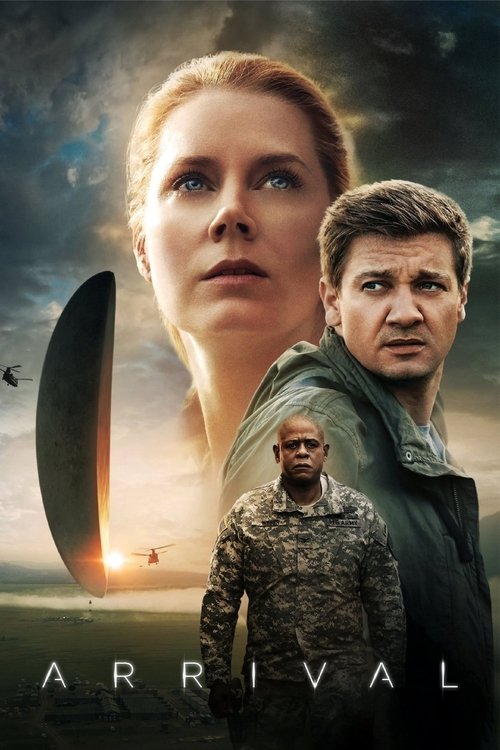
Arrival2016
Both are fundamentally about translation—reading meaning from fragments, whether ancient artifacts or alien language. Both suggest that understanding something fully changes you forever.
A film about decipherment and communication across the gulf between species, forms, and time itself. Like The Dig, it treats the act of understanding something truly foreign as the deepest human achievement—and asks what we sacrifice to know.
But Science fiction, not period drama. Operates in abstract ideas rather than intimate relationships, though both films have quiet, patient rhythms that reward attention.
More like this (8)
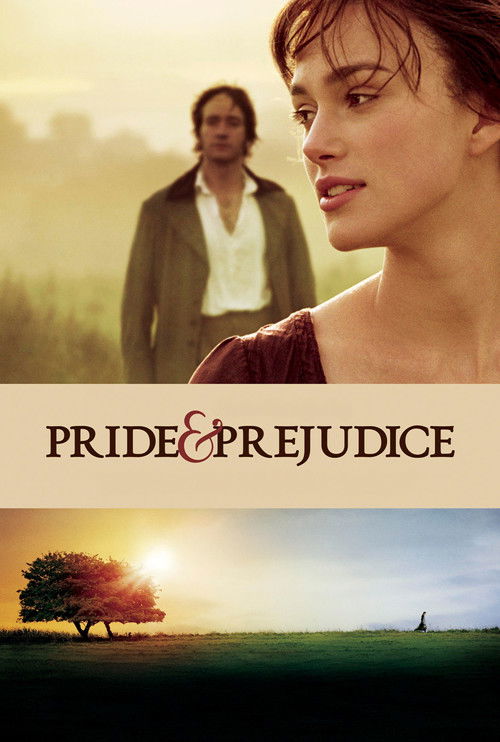
Pride & Prejudice2005
Joe Wright's adaptation shares The Dig's visual grace, its attention to landscape and weather as emotional language, and its delight in watches and small social adjustments between people finding connection across difference.
But Romantic comedy at heart, where The Dig is fundamentally elegiac. The mood is brighter and more playful throughout.
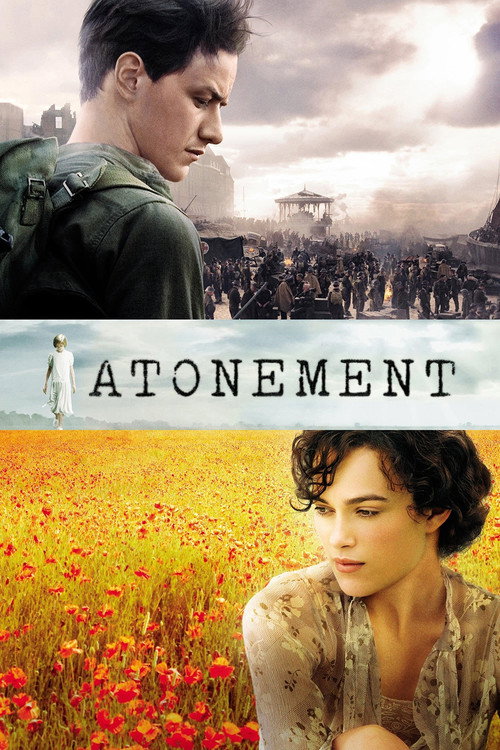
Atonement2007
Another period piece wrestling with how the past refuses to stay past, with gorgeous cinematography and a deep commitment to emotional truth beneath formal manners. Saoirse Ronan and Keira Knightley navigate class and belonging with similar intelligence.
But Much darker and more traumatic. Its narrative twist demands a different kind of watching than The Dig's steady, generous gaze.
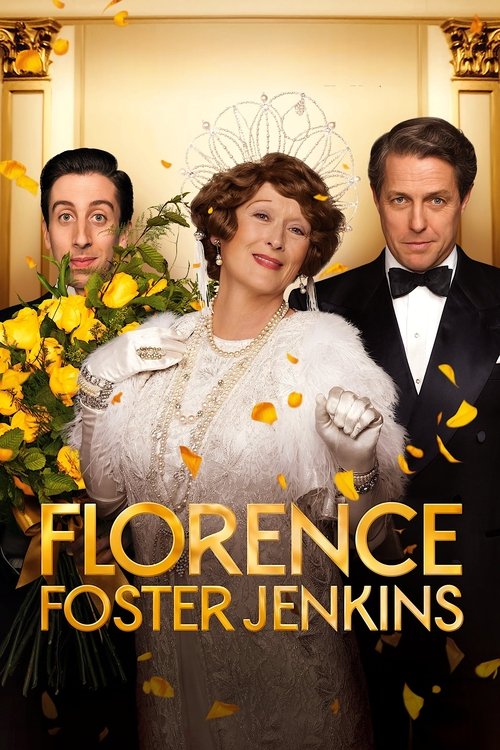
Florence Foster Jenkins2016
Meryl Streep and Hugh Grant in a story about an unlikely pair united by love of something beyond themselves. It has The Dig's warmth and its belief that dignity and joy can coexist with delusion or limitation.
But Fundamentally comic where The Dig is solemn. The tone is lighter and the stakes feel lower, making it feel slight by comparison.
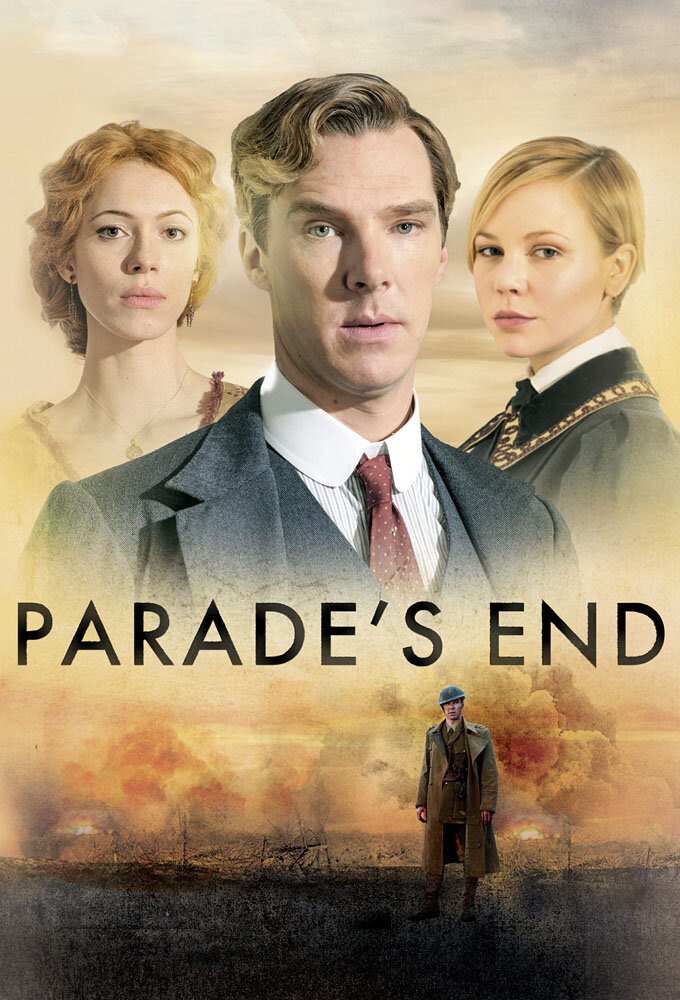
Parade's End2012
A miniseries about honour, class, and the collision between personal desire and historical circumstance. Benedict Cumberbatch and Rebecca Hall navigate impossible restraint; it moves with the precision of The Dig.
But Denser and more formally difficult. The Dig is emotionally direct in comparison; Parade's End asks more from the viewer's patience and attention.
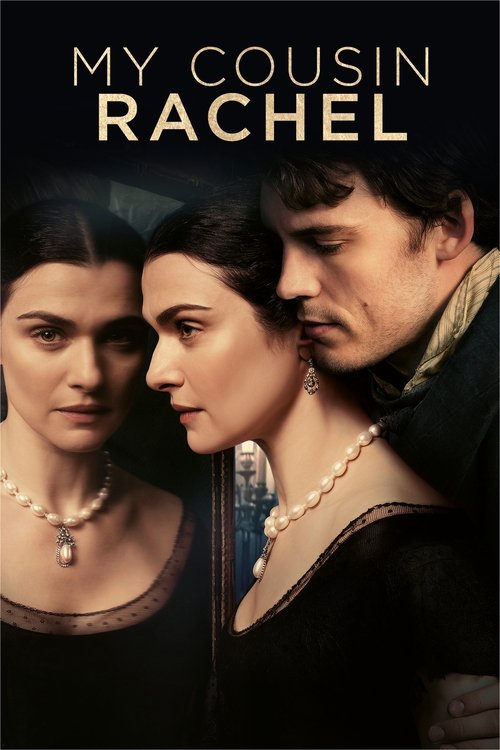
My Cousin Rachel2017
Rachel Weisz and Sam Claflin in a Daphne du Maurier adaptation full of landscape, suspicion, and the unspoken language between people who cannot quite trust each other. Shares The Dig's visual intelligence and psychological complexity.
But Mystery and gothic undertones give it a different energy. The Dig is clearer about its emotional intentions; this one withholds more and suspects darker motives.
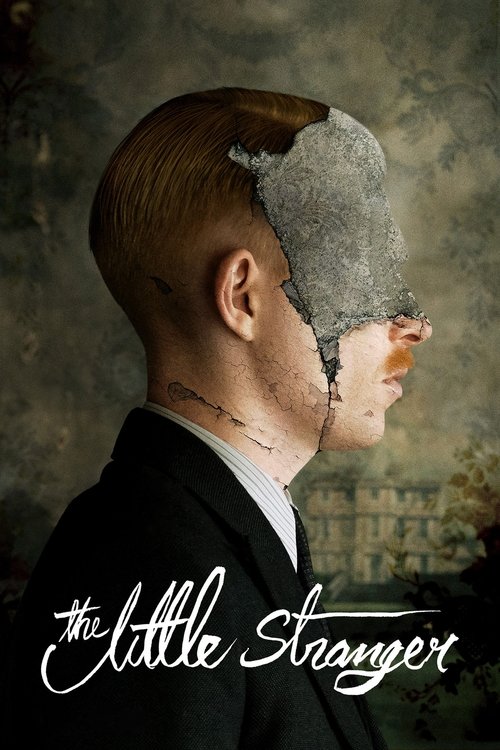
The Little Stranger2018
Dominic West and Ruth Bradley in a postwar story about class anxiety and the ghosts we carry. It shares The Dig's moorish landscape, its attention to how history lives in places, and its fundamental melancholy about lost worlds.
But Far more unsettling and paranoid. The Dig's mysteries resolve gently; this one leaves you haunted and uncertain.
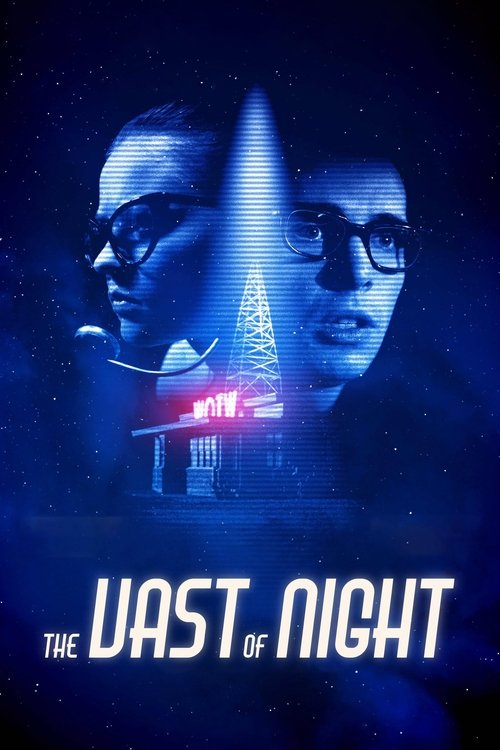
The Vast of Night2019
Both are about amateur investigators stumbling toward truths that dwarf them. Both treat mystery as humbling rather than empowering, and both find their power in what remains unsaid and unseen.
A small, strange film about two teenagers in 1950s New Mexico drawn into a mystery about UFOs. Shot in a language of radio static and shadows, it shares The Dig's commitment to atmosphere over spectacle and its belief that listening carefully reveals more than looking ever could.
But It's genre filmmaking—science fiction with paranoia and dread. A tonal and tonal mismatch if you want something emotionally similar; the terror is real, and the ending is bleak.
A Ghost Story2017
Both are meditations on legacy and haunting—not by ghosts, but by time. Both ask what it means that we dig up the dead, that we inhabit spaces made sacred by previous habitation, that we cannot escape the weight of what came before.
An achingly strange film in which a man in a white sheet haunts his house after death, watching time pass. It sounds absurd; it isn't. Like The Dig, it's about how we leave traces, what remains of us, and how the past clings to places we thought we owned.
But Experimental and surreal in ways The Dig never is. Very long takes of a sheet-covered figure watching. It's mournful to the point of pain, and some find it tedious rather than profound.

People
Cast
 Carey MulliganEdith Pretty
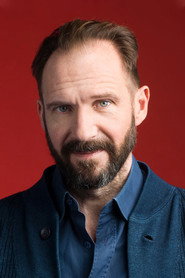 Ralph FiennesBasil Brown
 Lily JamesPeggy Piggott
 Johnny FlynnRory Lomax
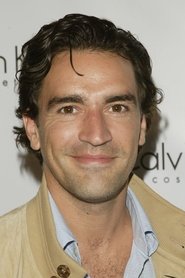 Ben ChaplinStuart Piggott
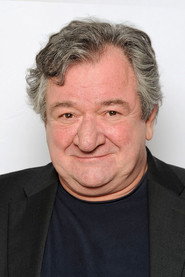 Ken StottCharles Phillips
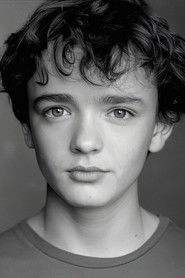 Archie BarnesRobert Pretty
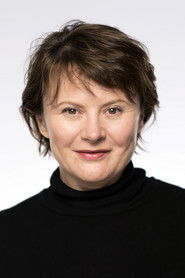 Monica DolanMay Brown
 Eamon FarrenJohn Brailsford
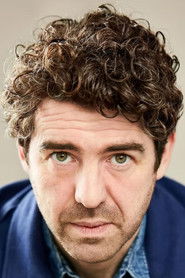 Paul ReadyJames Reid Moir
 Peter McDonaldGuy Maynard
- Stephen WorrallFerryman
Directing
- James MetcalfAdditional Second Assistant Director
- Simon StoneDirector
- Barrie McCullochFirst Assistant Director
- Susanna LentonScript Supervisor
- Alexandra BeahanThird Assistant Director
Writing
- John PrestonNovel
- Moira BuffiniScreenplay
Production
- Caroline DreesmannAssistant Location Manager
- Joseph GouldAssistant Location Manager
- Ruben PereiraAssistant Location Manager
- Sarah WorsleyAssistant Location Manager
- Alexandra McArdleAssistant Production Coordinator
- Jamie SmithAssistant Unit Manager
- Andrew SemansAssociate Producer
- Emma CromptonCasting Assistant
- Katie BrydonCasting Assistant
- Olivia GrantCasting Associate
- Lucy BevanCasting Director
- Meg ClarkCo-Producer
- Redmond MorrisCo-Producer
- Anne SheehanExecutive Producer
- Sophie LyellFirst Assistant Accountant
- Akam FarajLocation Assistant
- Akar FarajLocation Assistant
- Harriet StovoldLocation Assistant
- Lucy HenoLocation Assistant
- Matthew HarrisonLocation Assistant
- Damon CraneLocation Manager
- Mark BirtchnellPayroll Accountant
- Lara SargentPost Production Accountant
- Lucy RandolphPost Production Coordinator
- Carolyn Marks BlackwoodProducer
- Ellie WoodProducer
- Gabrielle TanaProducer
- Murray FergusonProducer
- Emily LoweProducer's Assistant
- Leah FosterProducer's Assistant
- Tyro HeathProducer's Assistant
- Josh NewissProduction Assistant
- Lily Lanham-BrownProduction Assistant
- Bettina LysterProduction Coordinator
- Sam MartinProduction Secretary
- Faye RobinsonTravel Coordinator
- Josephina van LeeuwenTravel Coordinator
- Duncan FlowerUnit Manager
- Thomas KingettUnit Manager
- Andrew BonnerUnit Production Manager
Recommended by
Breaking the Maya Code, Time Team, Homegrown, The Promised Land