
Film
The Promised Land
Other titles called The Promised Land: the 1975 film, the 2019 film.
A Danish captain wages a solitary war against an unyielding landscape and more dangerous opposition to carve a colony from wasteland. Mads Mikkelsen anchors this methodical, visually austere drama with a performance of gritted determination. It's a character study dressed as an epic: slow-burn, beautifully composed, and deeply concerned with what ambition costs. For those who love historical drama with weight and moral texture.
Should you watch it?
Watch it if you like grim, slow-burning historical epics where a single stubborn man's obsession grinds against nature and power, and you want a lead performance doing the heavy lifting.
Skip it if you need brisk plotting, since this moves at a deliberate, heavy pace over just over two hours and its villainy is patient rather than showy.
What it asks of you: A long, unhurried run of mud, bleakness and slow accumulation, severe in mood, with the landscape doing as much of the talking as the dialogue.
Not sure? Find tonight's pick in a minute.
If you liked this
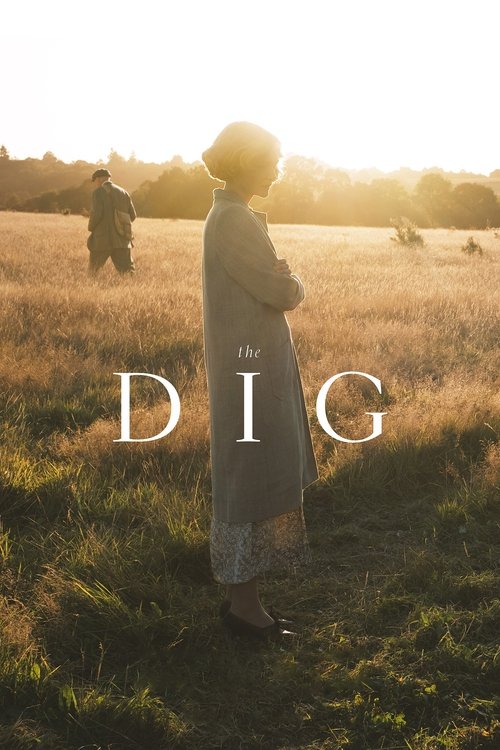
The Dig2021
Carey Mulligan and Ralph Fiennes pursue obsessive quests in postwar Norfolk. Like Kahlen, they're consumed by something they believe justifies any cost. Gorgeous cinematography and the same patient, intimate scale.
But Extremely quiet. If you need plot momentum or conventional drama, this will feel glacial. There's no antagonist, just attrition.
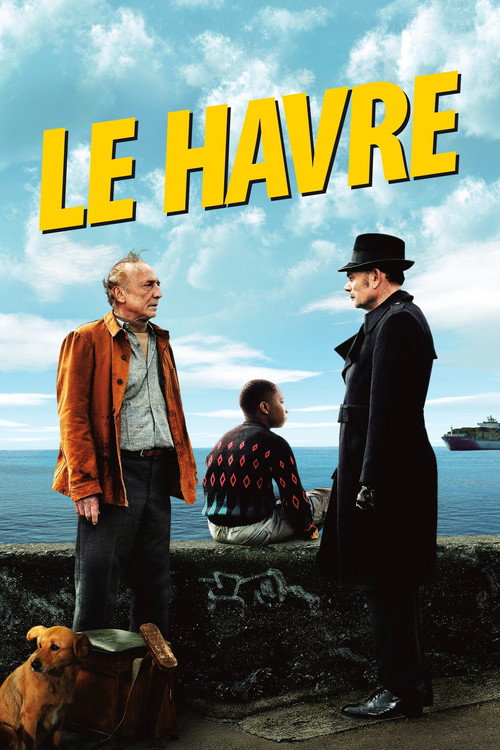
Le Havre2011
Aki Kaurismäki's quiet masterpiece about a man refusing to surrender to circumstance. Methodical, humane, visually precise—it shares The Promised Land's faith in dogged persistence and the beauty of small acts.
But Defiantly low-key and whimsical in ways that can feel mannered. Some viewers find Kaurismäki's restraint alienating rather than moving.
A Dark Song2016
A woman and a man locked in ritualistic pursuit of something ineffable in a cottage. Like Kahlen, it's about will meeting resistance, the psychological toll of refusal to quit, and landscape as character.
But Spiritual rather than narrative. The payoff is internal. If you want plot resolution or conventional catharsis, you'll leave frustrated.

Not sure tonight? Get a pick in a minute, starting from The Promised Land
The wildcard
Something you would not have found on your own.
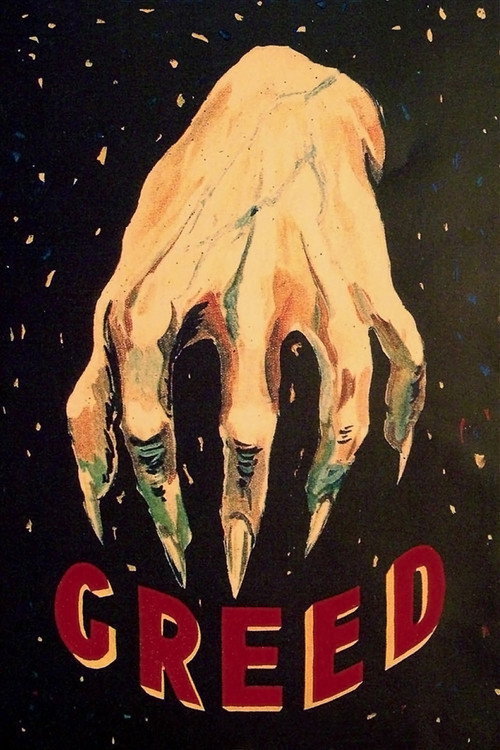
Greed1924
Both are studies of ambition as a form of possession that consumes the ambitious. The protagonist believes the goal will redeem him; the film suggests it will destroy him. Same spiritual crisis, different landscapes.
Stroheim's silent masterpiece about a man's obsession with wealth destroying everything around him. Midas-myth rendered in agonised realism, visually extraordinary, and morally unsparing about ambition's cost—Kahlen's spiritual ancestor, filmed a century earlier.
But Silent film grammar takes work. It's long and visually demanding. Some sequences are hard to parse without context. The climax is deliberately catastrophic rather than cathartic.
More like this (4)
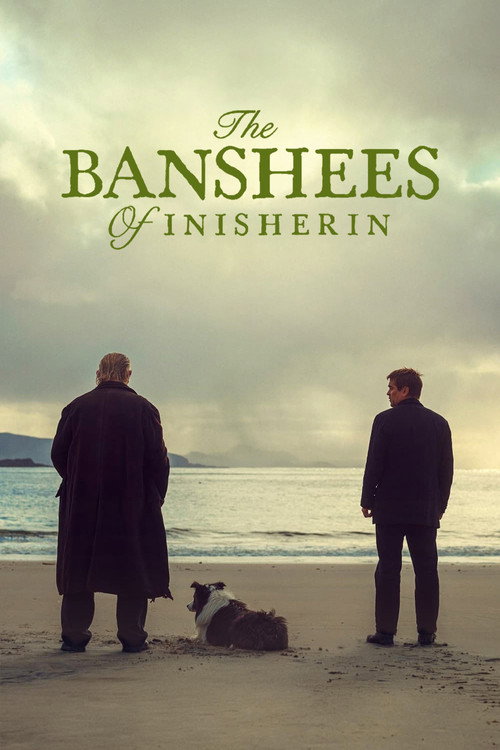
The Banshees of Inisherin2022
Colin Farrell and Brendan Gleeson in a drama about ambition thwarted by stubborn opposition in isolated terrain. Darkly funny but with real moral weight about what we'll sacrifice for dignity.
But Can feel theatrical and overstuffed compared to the restraint of The Promised Land. Some find the whimsy undermines the stakes.
Stalker1979
Tarkovsky's meditation on desire and the pursuit of something that recedes as you approach it. A man guides others through a mysterious zone toward an impossible goal. Both films treat landscape and desire as spiritual.
But Three hours and requires the viewer to surrender to its rhythm entirely. Dialogue is sparse, events few. Most people find it either profound or tedious; few sit in between.

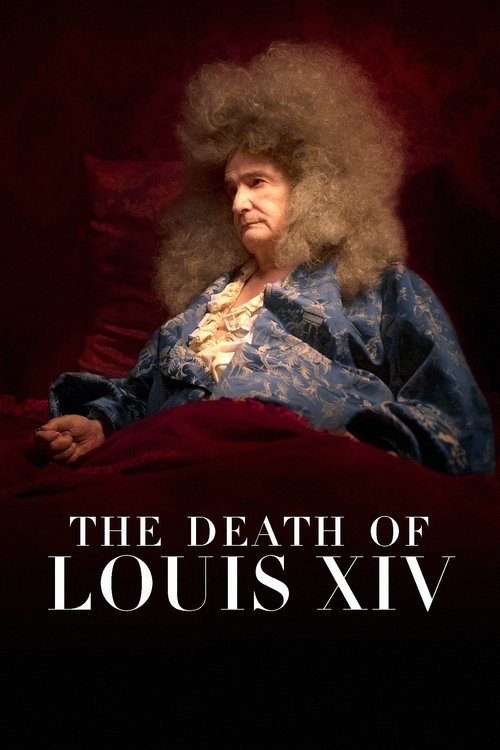
The Death of Louis XIV2016
Both films subvert the historical epic. Rather than conquest and glory, they examine the small, grinding, private cost of ambition and power. Serra strips away everything but suffering; Kahlen strips away everything but will.
Albert Serra's radical, dialogue-free dissection of a king's final days. Mads Mikkelsen-level commitment to stillness and suffering. It's anti-narrative cinema about power and mortality. Strange and unforgettable.
But Barely a plot. Mostly observation of pain and physiognomy. Nearly plotless. For many viewers, this will register as experimental rather than dramatic, which it is, and means it will feel forbidding.
Come and See1985
Both films distrust the myth of noble ambition. Come and See shows nationalism as collective madness; The Promised Land shows ambition as a form of possession. Each proves its point through refusal to soften the image.
Elem Klimov's Soviet masterpiece tracks a boy's experience of absolute horror during WWII. It shares The Promised Land's unflinching gaze at what humans will endure and inflict in service of abstract goals. Visually shattering and morally complete.
But One of cinema's most brutal films. Not metaphorically—genuinely, physically difficult to watch. The suffering is graphic and the film offers no mercy, comfort, or release. It demands something from the viewer that borders on violence.

People
Cast
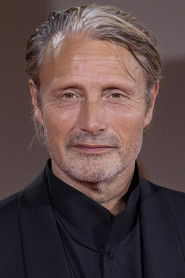 Mads MikkelsenLudvig Kahlen
 Amanda CollinAnn Barbara
 Simon BennebjergFrederik de Schinkel
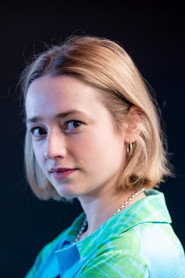 Kristine Kujath ThorpEdel Helene
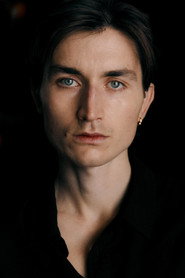 Gustav LindhAnton Eklund
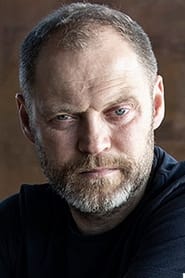 Jacob LohmannTrappaud
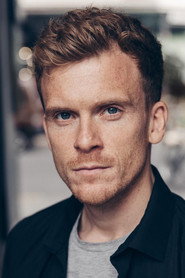 Morten Hee AndersenJohannes Eriksen
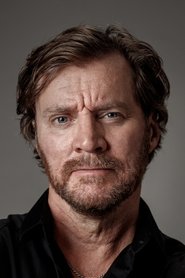 Magnus KrepperHector
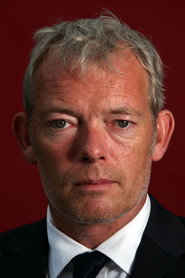 Søren MallingPaulli
 Morten BurianLauenfeldt
 Morten BuusColonist
Directing
- Brian WestfallAdditional Second Assistant Director
- Andrea ÖstlundAssistant Director
- Nikolaj ArcelDirector
- Jan MenšíkFirst Assistant Director
- Jakub StrangmüllerSecond Assistant Director
- Brian WestfallSecond Second Assistant Director
- Adam HashemiSecond Unit Director
- Filip HolecSecond Unit First Assistant Director
- Kristýna RouskováThird Assistant Director
Writing
- Ida JessenNovel
- Anders Thomas JensenWriter
- Nikolaj ArcelWriter
Production
- Ida HarderAssociate Producer
- Amanda-Lie RasmussenCasting
- Arwa SalmanovaCasting
- Jette TermannCasting
- Maggie WidstrandCasting
- Pernille HøierCasting
- Tanja GrunwaldCasting
- Ulrike MüllerCasting
- Fabian GasmiaCo-Producer
- Katja LebedjewaCo-Producer
- Lizette JonjicCo-Producer
- Tine MikkelsenCo-Producer
- Anne Falkesgaard HansenController
- Bohumil MacecekExtras Casting
- Tommy DuusExtras Casting Assistant
- Jessica BalacLine Producer
- Klaus SpinnlerLine Producer
- Kristina KornumLine Producer
- Marianne Jul HansenLine Producer
- Mouns OvergaardLine Producer
- Pavel MullerLine Producer
- Alexander FrankLocation Assistant
- Hanni MättigLocation Assistant
- Jens ItterLocation Assistant
- Jens NoackLocation Assistant
- Josef UrbanLocation Assistant
- Ludwig EngerLocation Assistant
- Rostislav SvobodaLocation Assistant
- Christian DahlLocation Coordinator
- Petr RuckaLocation Manager
- Stephan BuschLocation Manager
- Charlotte BuchPost Producer
- Louise VesthProducer
- Emilie DiattaProduction Assistant
- Agnes ParkrudProduction Coordinator
- Anja Søgaard ChristiansenProduction Coordinator
- Katharina GapskiProduction Coordinator
- Pavlína FarkásováProduction Coordinator
- Sofia BrandtProduction Coordinator
- Tilde WolffbrandtProduction Coordinator
- Kathrin KrückebergProduction Manager
- Lina BachProduction Manager
- Martina PálkováProduction Manager
- Katharina GapskiUnit Manager