
Film
The Promised Land
Other titles called The Promised Land: the 2019 film, the 2023 film.
Andrzej Wajda's epic follows three men of different faiths building a textile empire in 1890s Łódź, Poland's industrial crucible. Nearly three hours of ambition, greed, and the grinding human cost of capitalism. Stern, patient, utterly absorbing—a historical drama that moves like a thriller and asks hard questions about progress, loyalty, and what we're willing to sacrifice.
If you liked this
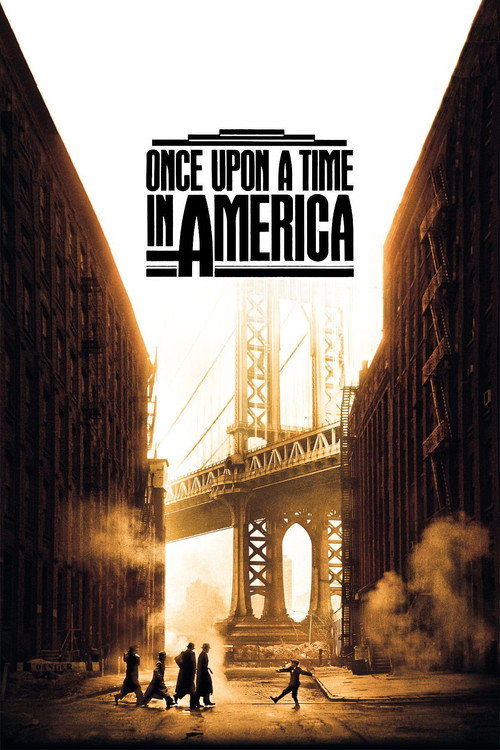
Once Upon a Time in America1984
Sergio Leone's four-hour meditation on friendship, betrayal, and the American Dream. Like Wajda, he traces the long arc of ambition from youth to ruin, with the same moral weight and refusal to simplify.
But Glacially paced in places, difficult to follow chronologically, and deeply melancholic. Not a film that rewards passive viewing.
The Best Years of Our Lives1946
Post-war America seen through the eyes of working men trying to rebuild. Shares Wajda's commitment to showing how systems shape individual lives, with comparable moral seriousness and length.
But The romance subplot can feel dated. It's very much a product of its moment, which some find limiting.

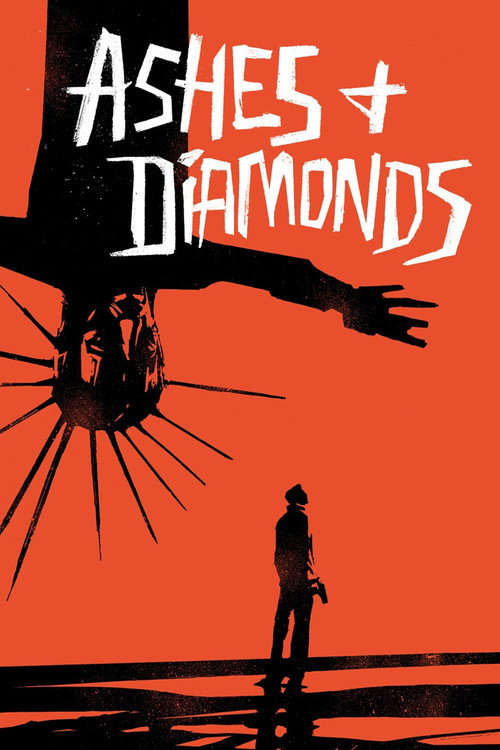
Ashes and Diamonds1958
Wajda's own masterpiece about Poland in the chaos of 1945. If you're moved by The Promised Land, this is essential—his visual language is more assured, the stakes more immediately devastating.
But Black and white, deliberately slow in its revelations. The historical moment may feel distant unless you know Polish history.
Not sure tonight? Get a pick in a minute, starting from The Promised Land
The wildcard
Something you would not have found on your own.
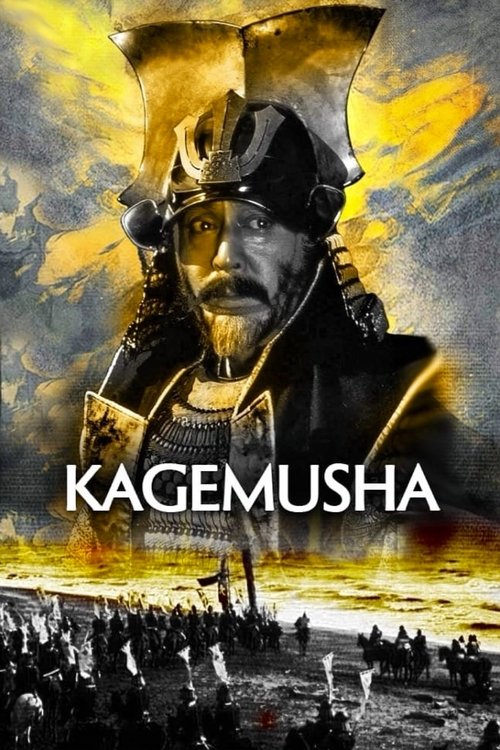
Kagemusha1980
Both are epics about power, succession, and the cost of maintaining systems that consume those within them. Both suggest that ambition and loyalty are ultimately incompatible.
Kurosawa's epic about a man impersonating a dead warlord to hold power. Same year as The Promised Land's Western circulation, same preoccupation with ambition, loyalty, and the machinery of empire. Visually and structurally quite different—more mythic, more visual—but the moral question is identical.
But Three hours in Japanese with a plot that requires patience to follow. The historical setting is feudal Japan, not industrial Europe, which may feel further away than you want to go.
More like this (8)
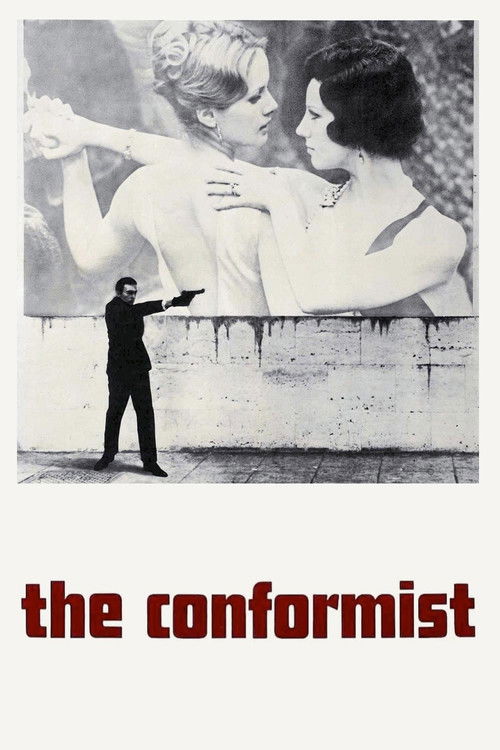
The Conformist1971
Bertolucci's study of a man compromising himself for power and belonging. Same era as Wajda's film, same moral anatomy—how ordinary people become complicit in systems that degrade them.
But Very stylized and abstract in places. The politics are woven into mood rather than stated, which frustrates some viewers.
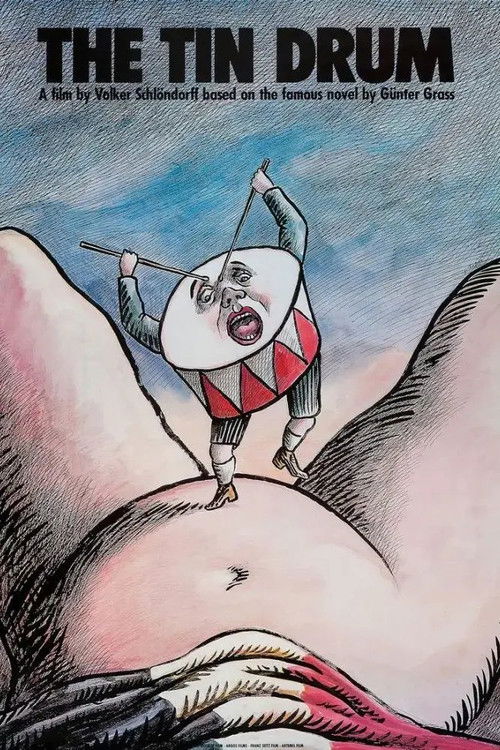
The Tin Drum1979
Volker Schlöndorff's epic of German history and industrial Europe. Comparable scope, comparable unflinching view of how ambition corrupts, and the same willingness to take three hours to earn its conclusions.
But Surreal and grotesque by design. The magical-realist elements alienate viewers looking for straightforward historical drama.
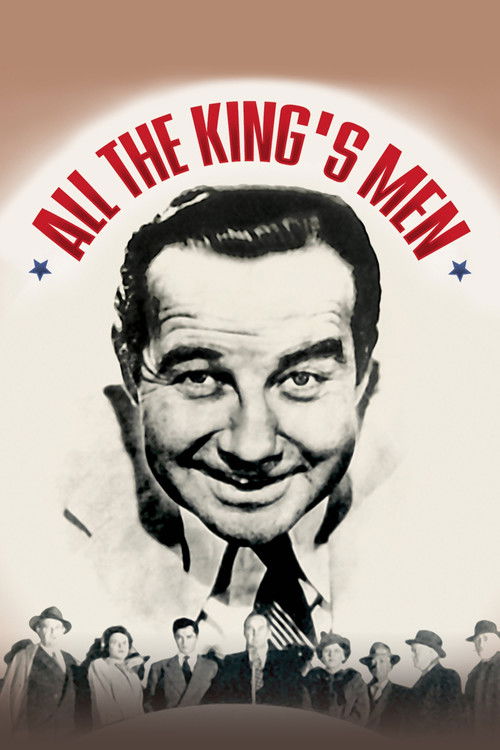
All the King's Men1949
American political drama about a man's rise through charm and ruthlessness. Shares the anatomy of ambition, the cost of compromise, and the question of whether ideals survive contact with power.
But Dated cinematically, and the moral lessons sometimes feel heavy-handed compared to Wajda's subtlety.
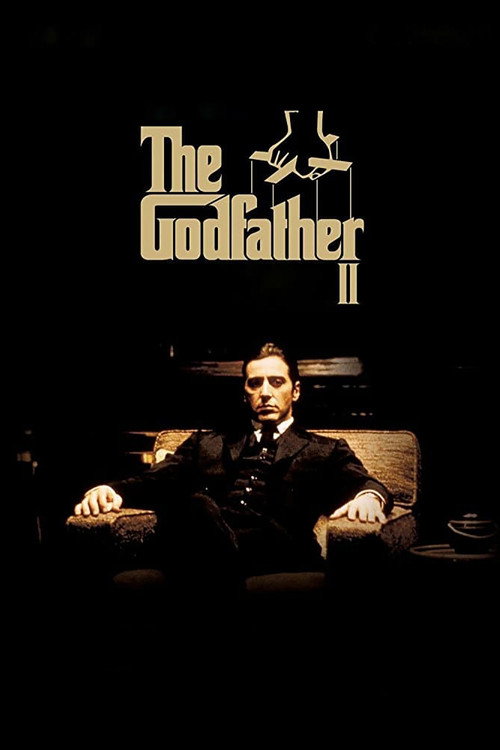
The Godfather Part II1974
Coppola cuts between past and present to show how empires are built and how they corrupt those who build them. Epic in scope, intimate in execution, with the same refusal to make villainy simple.
But Crime drama, not historical, which changes the register entirely. Some find it too operatic, too much myth-making rather than analysis.
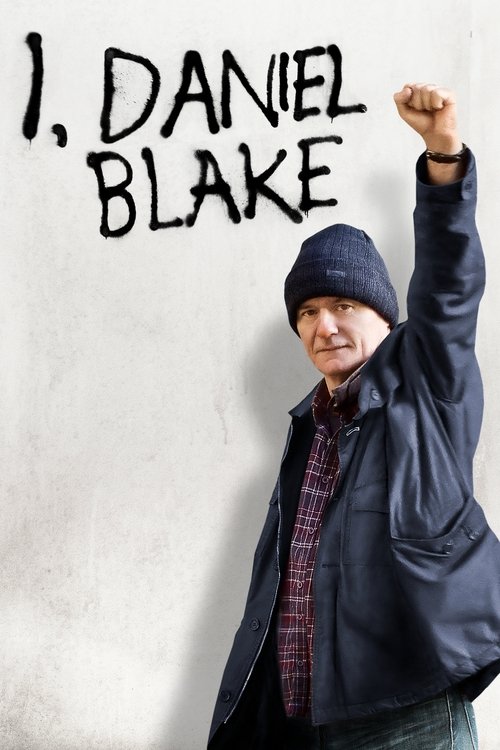
I, Daniel Blake2016
Ken Loach's modern dissection of how systems grind people down. Different era, different register, but the same unflinching eye on how capitalism functions and who pays the cost.
But Deliberately unglamorous and emotionally punishing. The anger is overt rather than embedded in structure, which some find didactic.
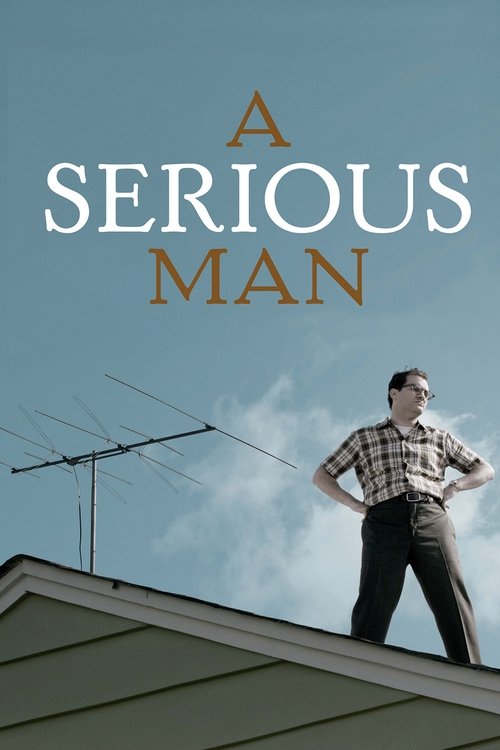
A Serious Man2009
Coen Brothers' tragicomedy about a man watching his world collapse through no real fault of his own. Shares the darkly comic fatalism about fate and the machinery of history that runs through Wajda.
But Comic in tone, which jars with the suffering. The ending offers no resolution, which infuriates viewers looking for clarity.
Possession1981
Both explore how systems—economic, political, emotional—destroy the bonds between people. Both are Polish or Polish-adjacent artists grappling with their moment through intense, uncompromising cinema.
Andrzej Żuławski's hallucinogenic horror-drama set in Cold War Berlin. Shares Wajda's Eastern European sensibility and his interest in how ideology corrodes intimacy. Radically different in form—surreal, visceral, almost unwatchable—but the same anatomy of betrayal.
But Genuinely disturbing and bizarre. If you want historical realism, this will feel like watching something from another planet. Some consider it unfinished and incoherent.

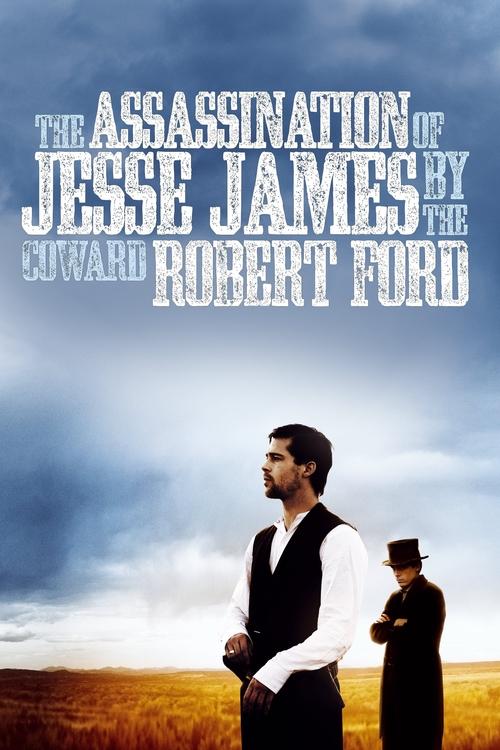
The Assassination of Jesse James by the Coward Robert Ford2007
Both films spend three hours watching men build something, then watching that creation turn against them. Both suggest that the machinery of ambition runs by its own logic, indifferent to the good intentions of its architects.
Andrew Dominik's slow-burn Western about fame, legacy, and the men who build empires only to be consumed by them. Different setting and era, but the same patient examination of how ambition and violence create the conditions for betrayal.
But Extremely slow, beautifully composed but austere. Some find it glacial and prefer narrative momentum. The Western setting may feel like escapism rather than history.
People
Cast
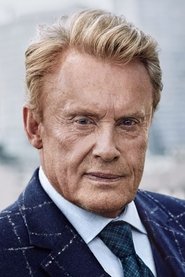 Daniel OlbrychskiKarol Borowiecki
 Wojciech PszoniakMoryc Welt
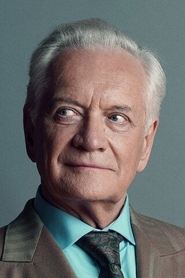 Andrzej SewerynMaks Baum
 Kalina JędrusikLucy Zuckerowa
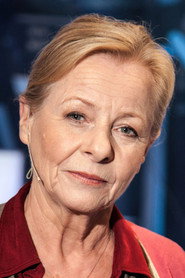 Anna NehrebeckaAnka
 Bożena DykielMada Müller
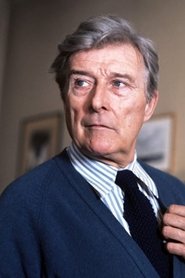 Andrzej SzalawskiHerman Bucholz
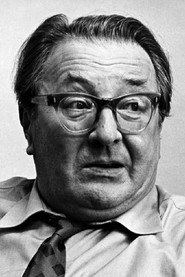 Stanisław IgarGrünspan
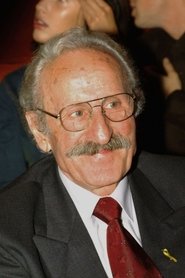 Franciszek PieczkaMüller
 Kazimierz OpalińskiMaks' Father
 Andrzej ŁapickiTrawiński
 Wojciech SiemionWilczek
Directing
- Jerzy ObłamskiAssistant Director
- Krystyna GrochowiczAssistant Director
- Michał RatyńskiAssistant Director
- Andrzej WajdaDirector
- Andrzej KotkowskiFirst Assistant Director
- Jerzy DomaradzkiFirst Assistant Director
- Jadwiga ZurakowskaScript Supervisor
- Magdalena StelmaszczykScript Supervisor
- Teresa SkoczylasScript Supervisor
Writing
- Władysław ReymontNovel
- Andrzej WajdaScreenplay
Production
- Wanda HelbertAdministration
- Alina KlobukowskaAssistant Production Manager
- Barbara PietrakowskaAssistant Production Manager
- Elżbieta KozłowskaAssistant Production Manager
- Jerzy SzebestaAssistant Production Manager
- Kazimierz SiomaAssistant Production Manager
- Waldemar KrólAssistant Production Manager
- Angelika WegenerProduction Consultant
- Antoni ByszewskiProduction Consultant
- Antoni SzramProduction Consultant
- Czesław DziumowiczProduction Consultant
- Małgorzata LaurentowiczProduction Consultant
- Włodzimierz KryńskiProduction Consultant
- Wojciech WalczakProduction Consultant
- Barbara Pec-ŚlesickaProduction Manager
- Janina KrassowskaProduction Manager