
Film
Kagemusha
Kurosawa's stately, elegiac epic about a thief drafted to impersonate a dead warlord, and what happens when the mask starts wearing the man. It's less about battles than the terrifying, seductive process of becoming a symbol. Gorgeous, deliberate, occasionally overwhelming in scale — for viewers happy to sit with long silences between the spectacle.
If you liked this
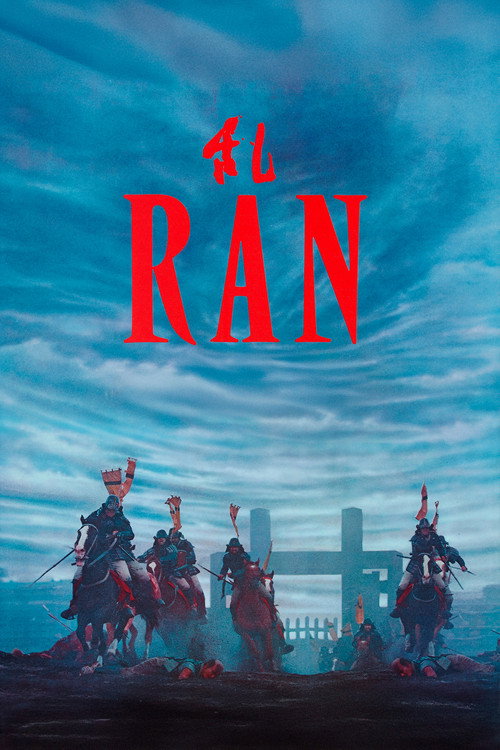
Ran1985
Kurosawa's own follow-up, a Lear-inflected epic even more visually staggering than Kagemusha, with colour used like a weapon and battle scenes that still feel unmatched.
But Longer, bleaker, and even more unforgiving in its tragedy — less a companion piece than an intensification.
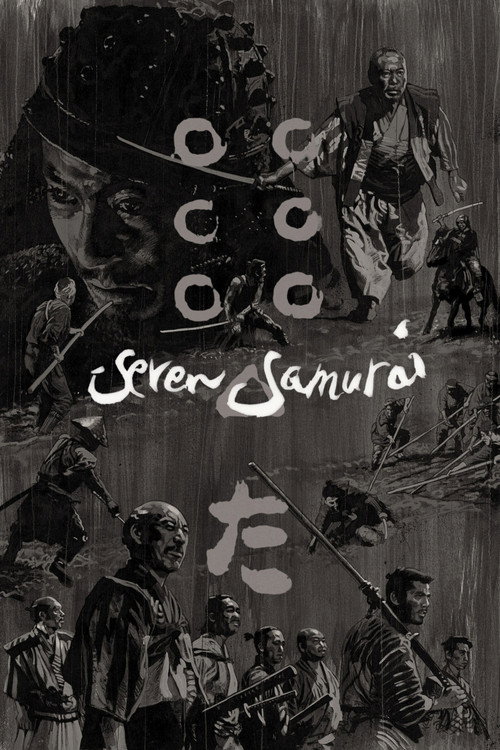
Seven Samurai1954
The film that basically invented the modern samurai epic: thrilling, humane, funny in places, and endlessly influential on everything that followed it.
But Three hours, black and white, and a warmer, scrappier adventure tone than Kagemusha's cold formal grandeur.
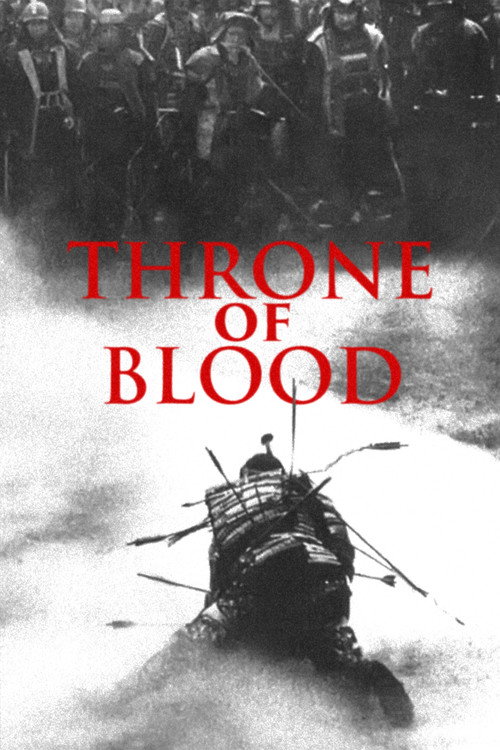
Throne of Blood1957
Kurosawa transplants Macbeth into feudal Japan with Mifune unraveling magnificently — fog, ghosts, and dread rendered in stark, painterly black and white.
But More supernatural horror than war epic, and considerably shorter and stranger than Kagemusha's scale.
The wildcard
Something you would not have found on your own.
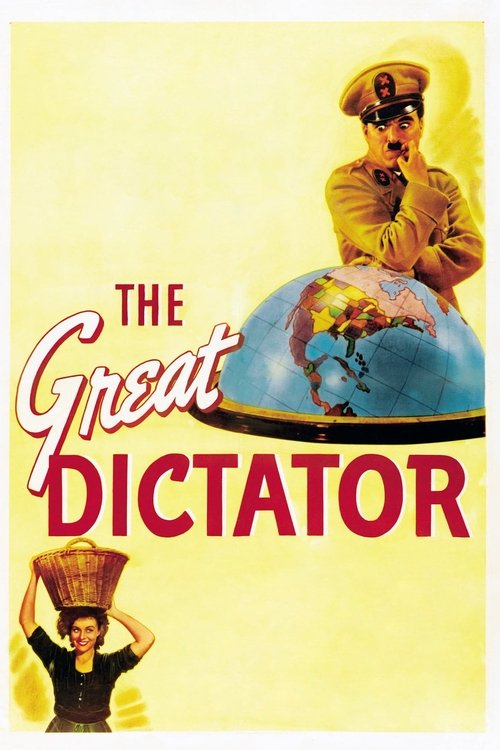
The Great Dictator1940
Chaplin plays both the tyrant and the lookalike mistaken for him, who ends up ruling in his place — Kagemusha's imposture-becomes-power structure, decades earlier, rendered as anti-fascist farce.
Chaplin's genius physical comedy fused with genuinely pointed political fury — astonishing to watch the same 'double takes the throne' premise turned into pure comic velocity.
But Broad slapstick and a soapbox finale sit a universe away from Kurosawa's solemn restraint.
More like this (8)
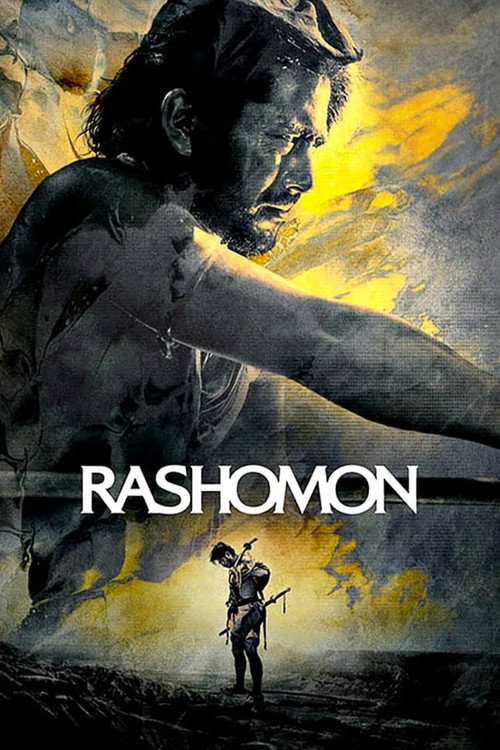
Rashomon1950
The Kurosawa film everyone should see once: a taut, endlessly quotable investigation into truth and self-deception, tight where Kagemusha is expansive.
But Courtroom-style structure and no battles at all — a completely different shape of story.
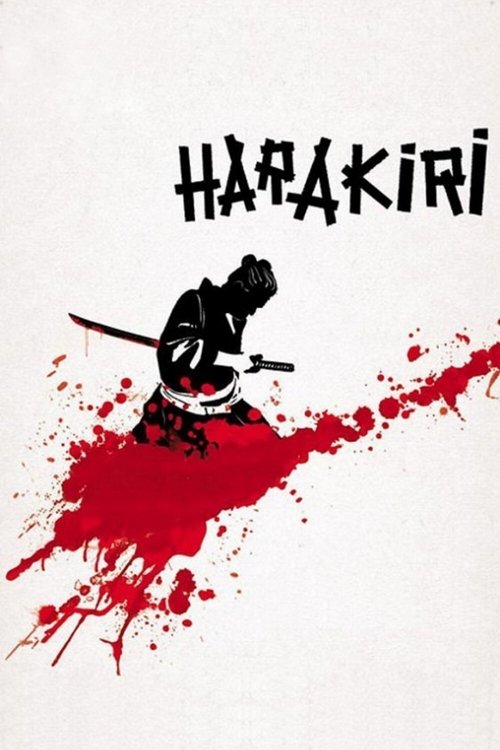
Harakiri1962
Kobayashi's devastating dismantling of samurai honour codes, patient and merciless, building to one of the genre's great gut-punch endings.
But Slower and colder than Kagemusha, with almost no action until it detonates late.
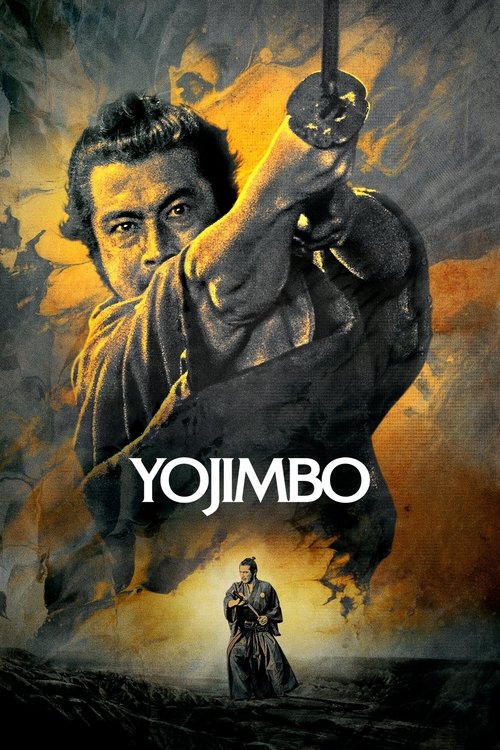
Yojimbo1961
Kurosawa and Mifune at their most swaggering and playful — a lean, funny, endlessly quotable samurai thriller with real bite underneath the wit.
But Tonally the opposite of Kagemusha's solemnity; this one wants to entertain you, not overwhelm you.
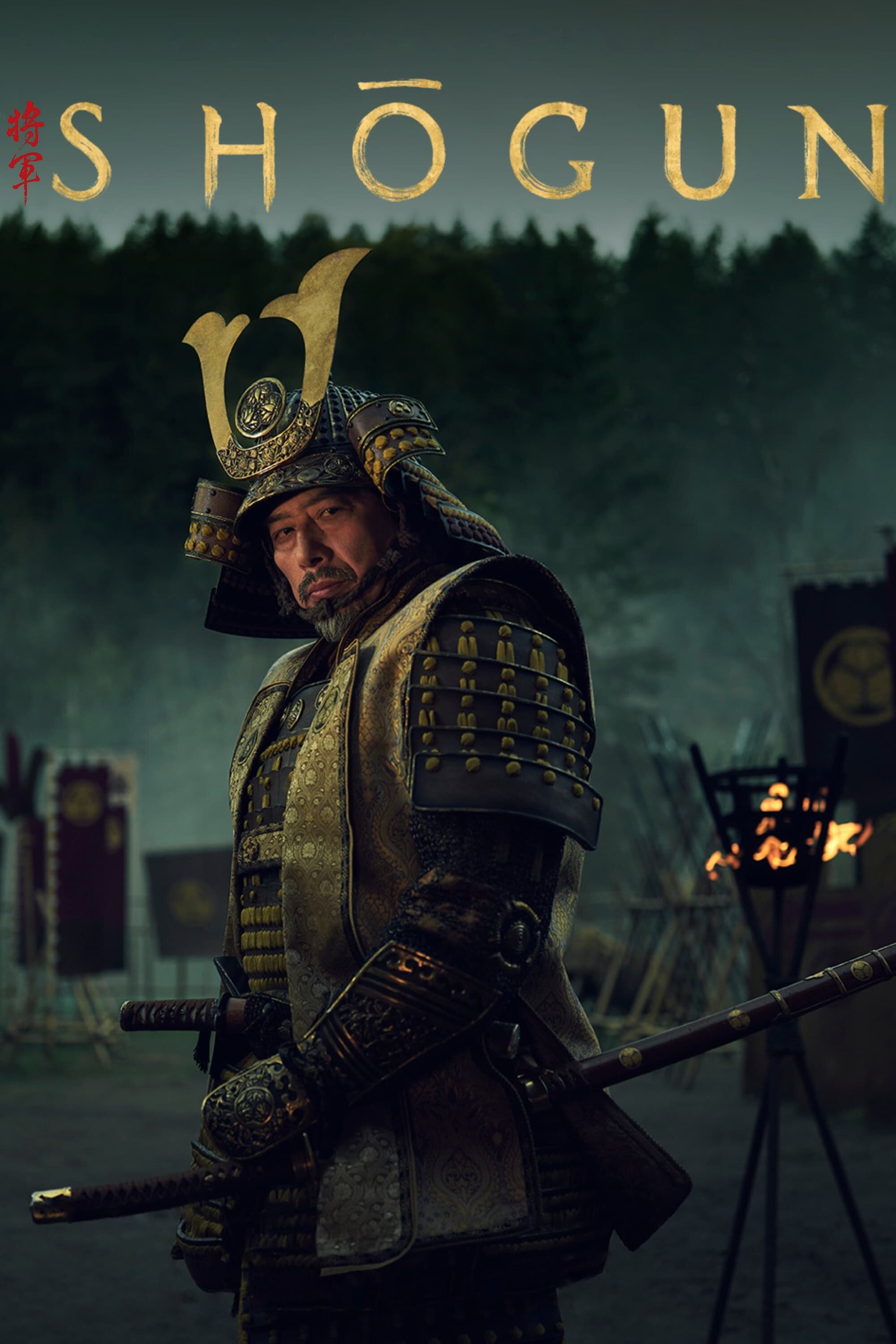
Shōgun2024
A gorgeously mounted modern epic of feudal Japanese politics, treachery, and pageantry, with the scale and patience to match Kurosawa's ambitions.
But Ten hours of TV commitment, and a wholly different story with none of Kagemusha's meditative stillness.
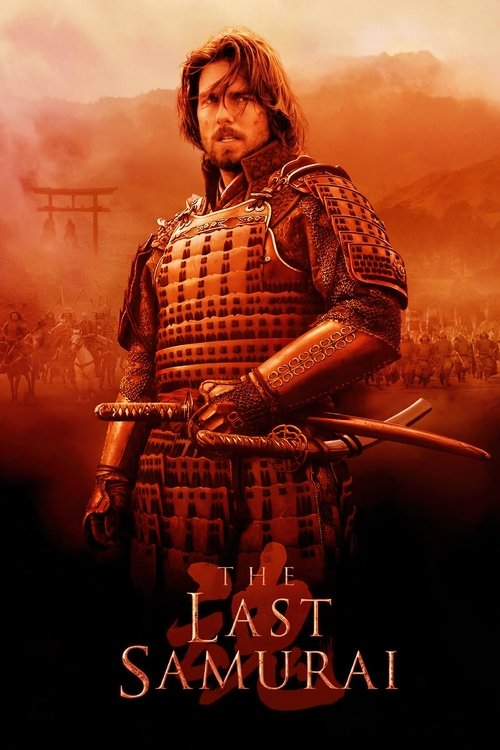
The Last Samurai2003
An accessible, handsomely shot entry point into samurai spectacle for anyone who wants the scale without the subtitles or the runtime.
But Romanticised through a Western hero's eyes, with far less moral complexity than anything Kurosawa made.
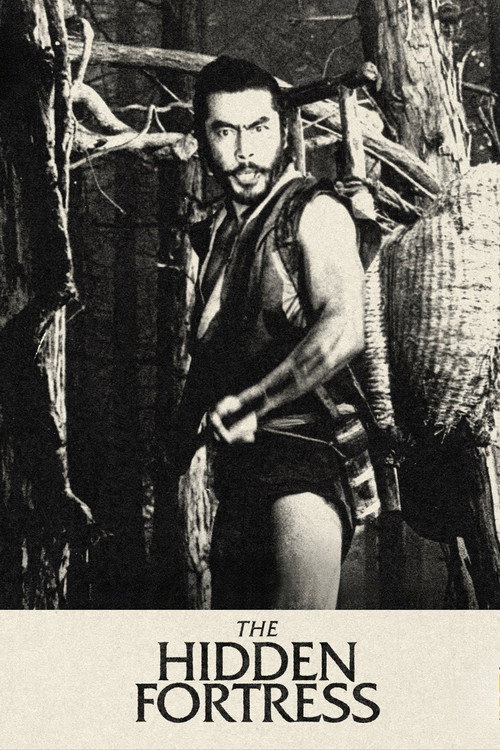
The Hidden Fortress1958
Kurosawa's earlier, lighter play with disguise and hidden royalty — brisk, funny, adventurous, and famously an influence on Star Wars.
But Much breezier and more comic than Kagemusha, closer to a rollicking caper than a meditation on identity.
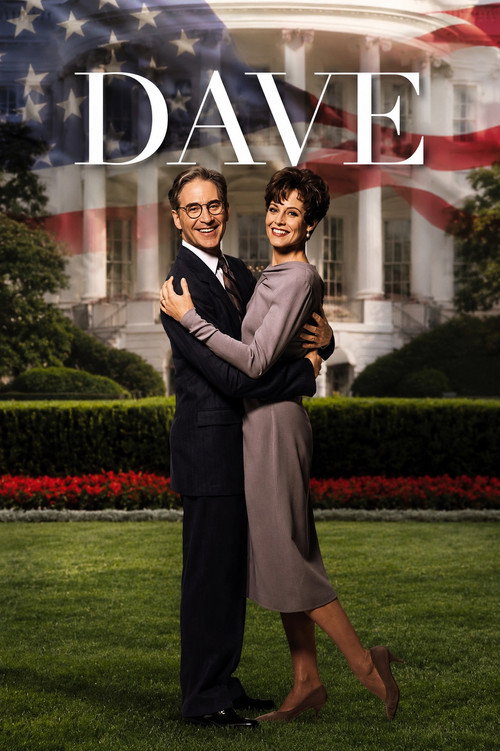
Dave1993
A look-alike is recruited to impersonate an incapacitated leader and gradually grows into the role — Kagemusha's plot beat for beat, replayed as American political comedy.
Sweet, funny, and unexpectedly moving, with Kevin Kline delightful as an ordinary man who starts making real decisions of consequence while wearing another man's face.
But Cosy and feel-good where Kagemusha ends in tragedy — expect warmth, not weight.
The Devil's Double2011no page yet
Based on the real body double for Saddam Hussein's son, it's the same imposture-as-survival premise stripped of restraint and soaked in blood and spectacle.
Dominic Cooper's ferocious dual performance turns the 'fake ruler' idea lurid and visceral — a nasty, propulsive thriller based on a true story of forced impersonation.
But Gratuitous violence and pulp excess replace Kurosawa's stillness entirely; this is trash cinema, not meditation.
People
Cast
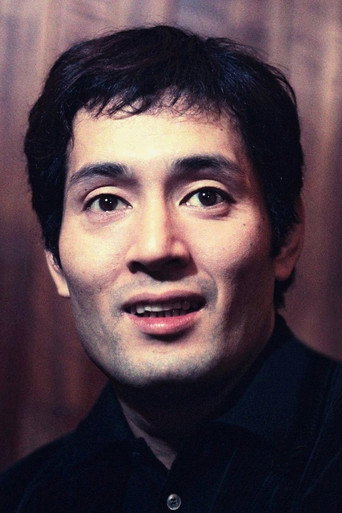 Tatsuya NakadaiShingen Takeda / Kagemusha
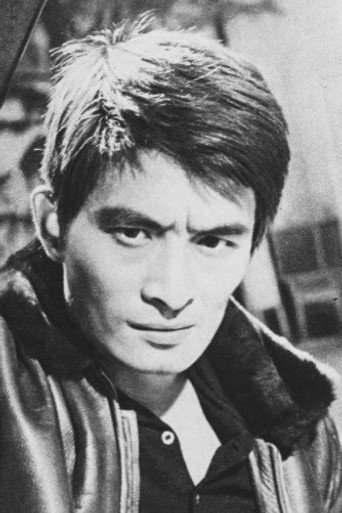 Tsutomu YamazakiNobukado Takeda
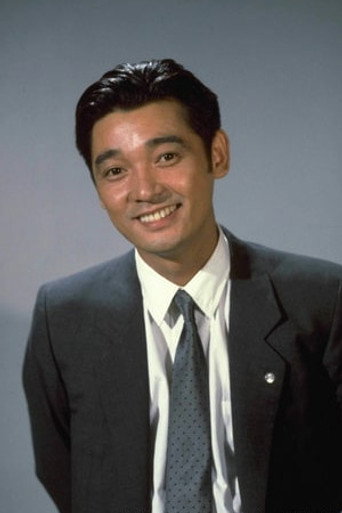 Kenichi HagiwaraKatsuyori Takeda
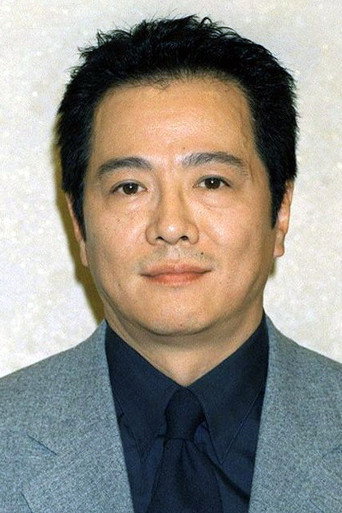 Jinpachi NezuSohachiro Tsuchiya
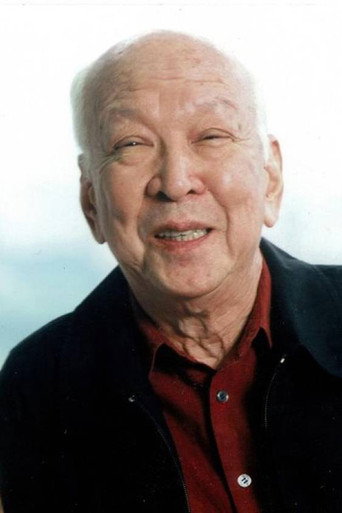 Hideji ŌtakiMasakage Yamagata
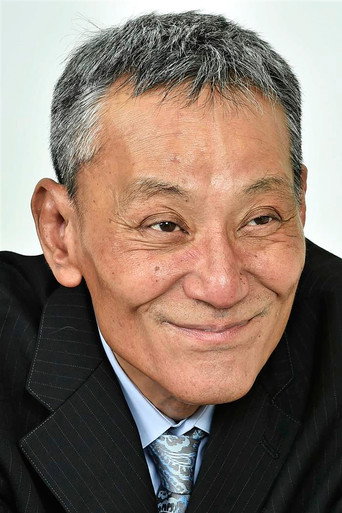 Daisuke RyūNobunaga Oda
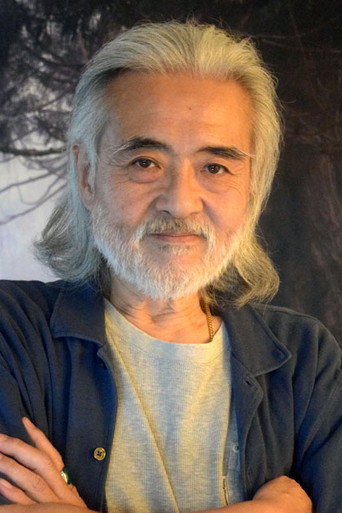 Masayuki YuiIeyasu Tokugawa
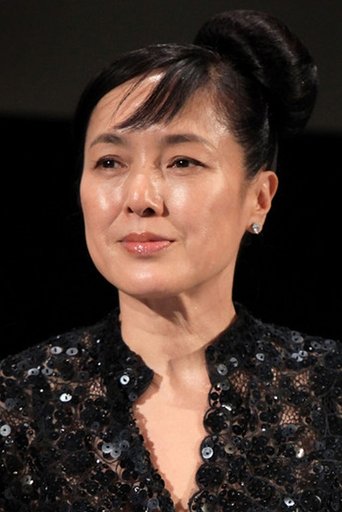 Kaori MomoiOtsuyanokata
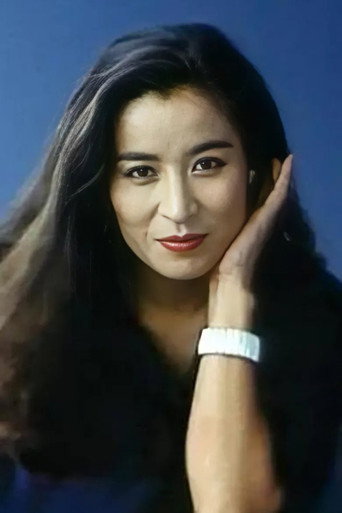 Mitsuko BaishoOyunokata
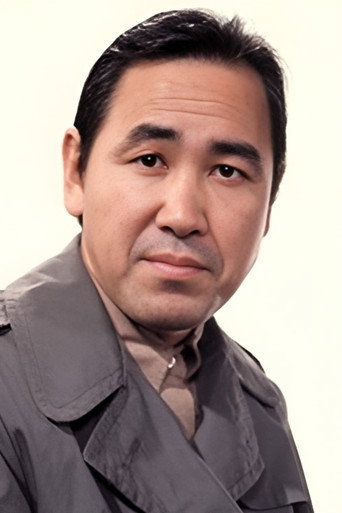 Hideo MurotaNobufusa Baba
- Takayuki ShihoMasatoyo Naito
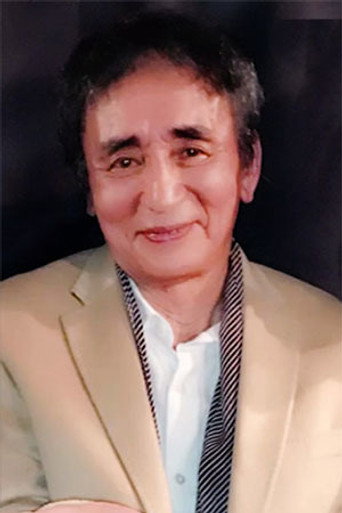 Kōji ShimizuKatsusuke Atobe
Directing
- Ishirō HondaAssistant Director
- Takao OkawaraAssistant Director
- Akira KurosawaDirector
- Teruyo NogamiScript Supervisor
Writing
- Akira KurosawaScreenplay
- Masato IdeScreenplay
Production
- Teruyo NogamiAssociate Producer
- Francis Ford CoppolaExecutive Producer
- George LucasExecutive Producer
- Tomoyuki TanakaExecutive Producer
- Akira KurosawaProducer
- Toshiaki HashimotoProduction Manager
Recommended by
Ran, The Hidden Fortress, The Court Jester, Sanjuro, The Prisoner of Zenda, Dave, Harakiri, Overlord, Scaramouche, Samurai Rebellion, Ivan the Terrible, Part I