
Film
The Taking of Power by Louis XIV
Roberto Rossellini's 1966 film watches Louis XIV consolidate absolute power after Mazarin's death with surgical precision. It's a quietly gripping political thriller dressed in baroque costume, where the real drama unfolds in whispered conversations and calculated gestures rather than swordplay. For anyone fascinated by how power actually works—the money, the leverage, the performance—rather than how it's romanticised.
If you liked this
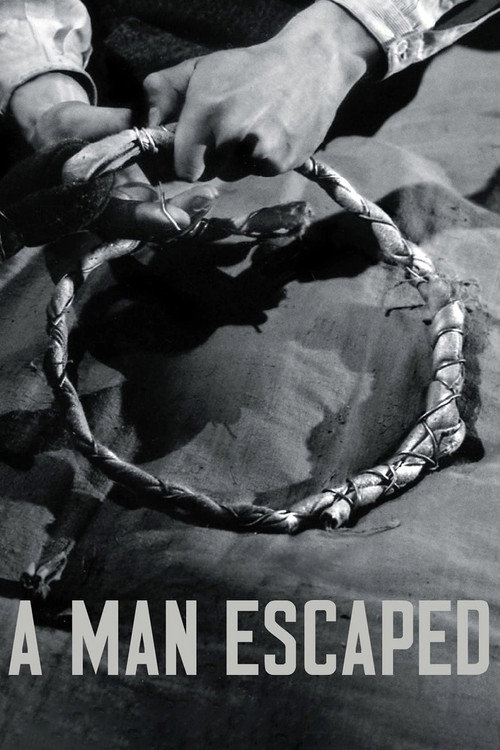
A Man Escaped1956
Bresson's masterpiece about a French officer planning escape from a Nazi prison. Like Louis XIV, it's about meticulous will triumphing through patient strategy, every detail calculated. Hypnotic and morally serious.
But Deliberately austere filmmaking with non-professional actors and minimal music. Some find it slow; it demands active attention rather than carrying you along.
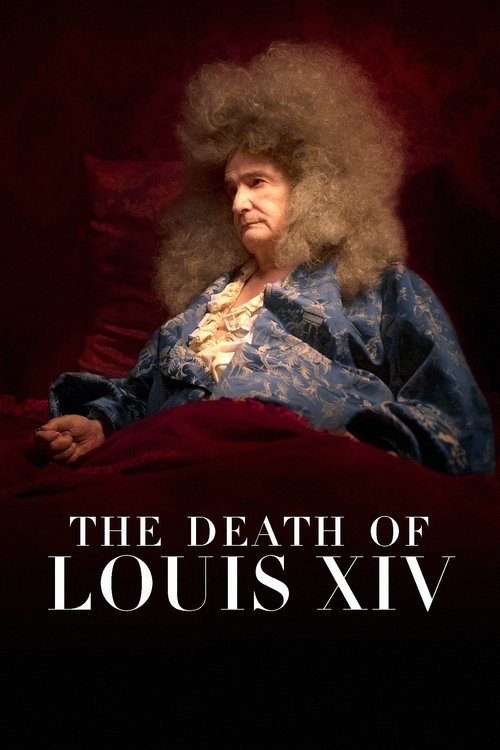
The Death of Louis XIV2016
Albert Serra's 2016 film (yes, really about the death) is a companion piece exploring the same king at life's end, equally fascinated by power's mechanics and the body's betrayal. Darkly witty and visually sumptuous.
But Mostly the Sun King dying in his bedroom for 90 minutes. It's deliberately anti-dramatic and will feel to many like watching paint peel, or worse.
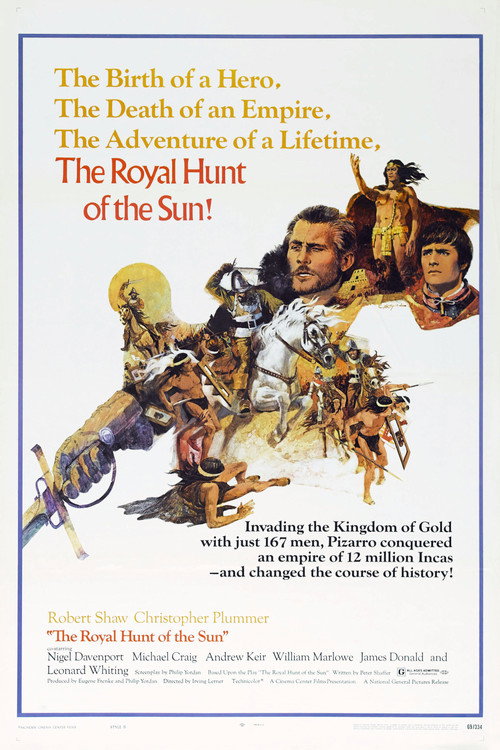
The Royal Hunt of the Sun1969
Peter Brook directing a conquest drama with visual poetry and genuine moral weight. Like Rossellini, it treats history as intellectual inquiry, not adventure fantasy. Stunning and strange.
But Theatrical in register and often theatrical in execution. The pacing is deliberate; it won't satisfy anyone wanting a conventional narrative drive.
Not sure tonight? Get a pick in a minute, starting from The Taking of Power by Louis XIV
The wildcard
Something you would not have found on your own.
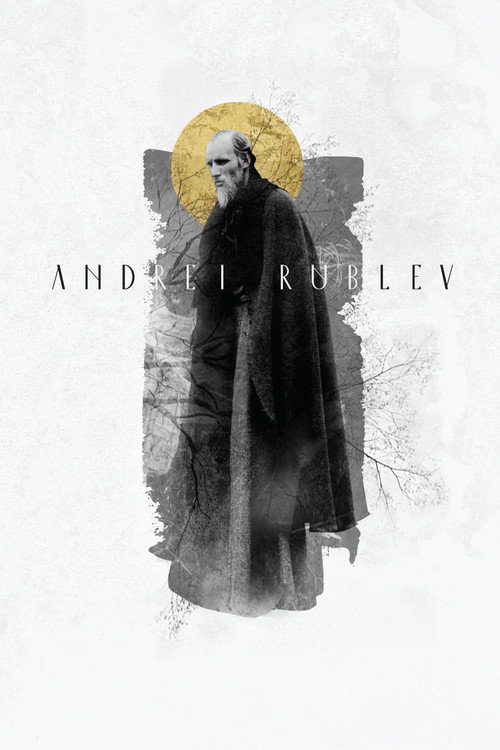
Andrei Rublev1966
Both treat history as philosophical inquiry rather than event; both are about how individual will operates within systemic constraint; both require viewers to think rather than feel their way through.
Tarkovsky's seven-hour meditation on the Russian icon painter is a historical film that abandons narrative entirely for immersion and moral inquiry. Like Rossellini, it's about will and creation under constraint, but it moves at geological time and asks spiritual questions instead of political ones. A different way of being serious about history.
But Seven hours, black-and-white, deliberately paced to test patience. The final colour sequence is stunning but arrives after you've already decided if this is for you. Many will find it impenetrable.
More like this (8)
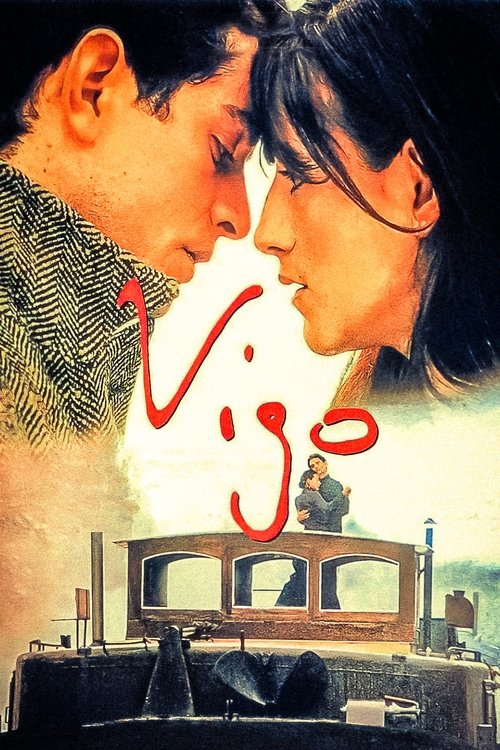
Vigo1998
Jalil Lespert on the filmmaker Jean Vigo, structured as a series of intimate conversations about art and mortality. Same DNA as Rossellini—history as the study of individual will against circumstance.
But Quietly introspective, mostly people talking. The subject (an obscure French director) is niche, and the film refuses to sensationalize or dramatize.
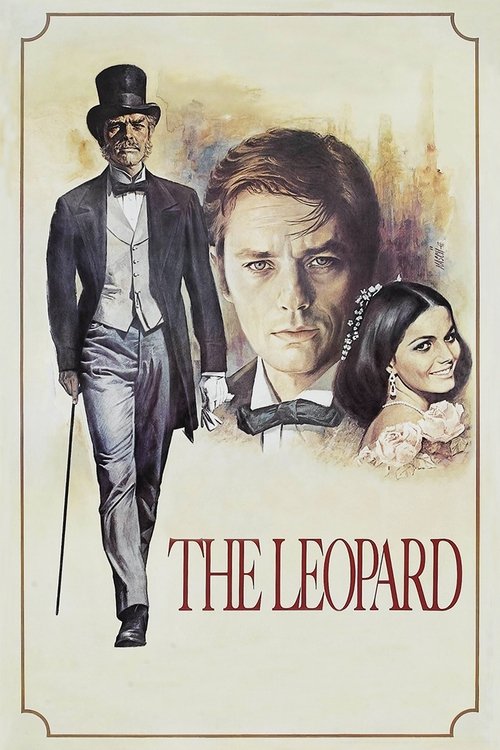
The Leopard1963
Visconti's baroque epic about Sicilian aristocracy during the Risorgimento. Sumptuous filmmaking about power transforming, not being seized. Visual grandeur with intellectual depth about history's currents.
But Three and a half hours, occasionally slow pacing, and the 1963 restoration is patchy. Some find Visconti's style overwrought; others call it essential.
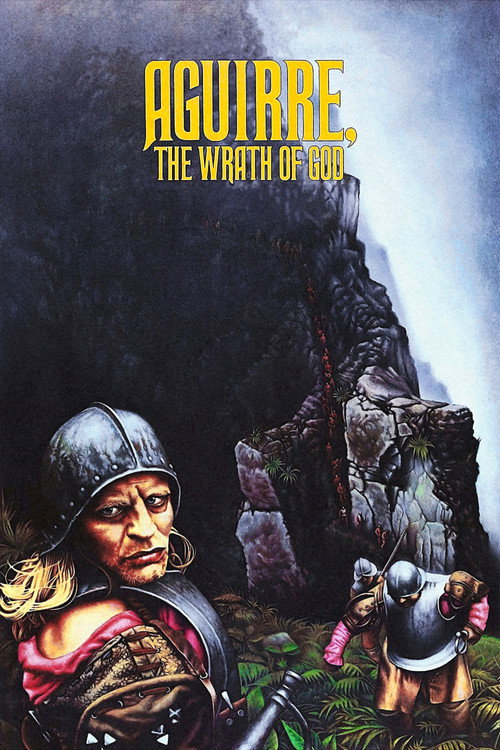
Aguirre, the Wrath of God1972
Herzog's conquistador fever dream about will and madness. Like Louis XIV, it examines obsessive character driving history forward, but with a nightmarish register. Unforgettable and feverish.
But Genuinely unsettling and bleak, with a gruelling descent into chaos. Its vision of power is nihilistic rather than clarifying.
Hiroshima Mon Amour1959
Resnais and Duras making a film about memory, loss, and the weight of history on intimate life. Formally inventive and philosophically rigorous, it shares Rossellini's intellectual hunger about how the past shapes the present.
But Non-linear structure, abstract in patches, and the narrative is oblique. Some viewers find it deliberately frustrating rather than rewarding.
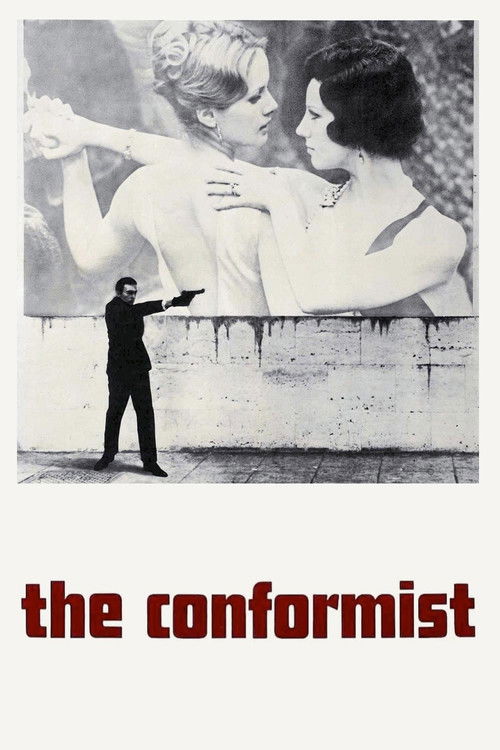
The Conformist1971
Bertolucci's masterpiece about a man complicit in fascism through passive accommodation. Gorgeous and morally complex, it examines how systems work through individual compliance—Colbert and Louis's machinery by other means.
But Visually sumptuous but glacially paced in places. The political content is often subtext rather than statement, which some find elusive.
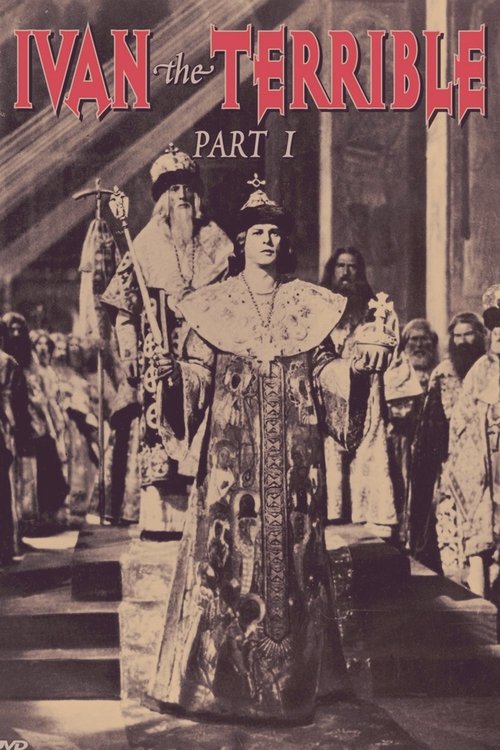
Ivan the Terrible, Part I1944
Eisenstein's operatic study of autocratic will during the founding of the Russian state. Formally radical, psychologically probing, and genuinely terrifying about the cost of absolute power.
But Eisenstein's montage style is assaultive; black-and-white, heavily stylised, and deeply grim. The 1940s Soviet context means every frame is dense with propaganda and theory.
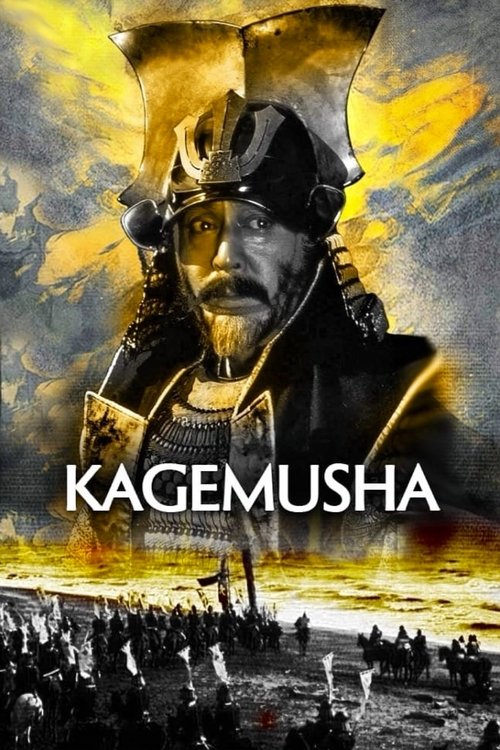
Kagemusha1980
Both examine how power is maintained through performance and careful control of information; both show leaders building systems rather than winning battles; both are sceptical about legitimacy as anything more than collective acceptance.
Kurosawa's samurai epic about a peasant impersonating a dead warlord to hold his clan together. It's the same political intelligence as Louis XIV—power as performance, legitimacy as construction—but in a completely different aesthetic and moral register. Visually staggering.
But Over two hours, and the pacing is deliberate. Some Kurosawa fans find it more interested in pageantry than psychology. The dub is occasionally rough.
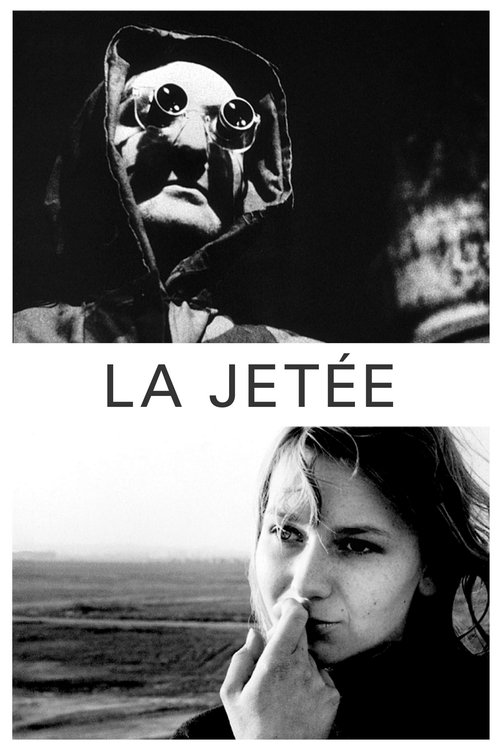
La Jetée1962
Both are about the weight of historical moment and how individuals navigate forces larger than themselves; both refuse to sentimentalize; both are about power—one external, one internal—as something that shapes everything that follows.
Chris Marker's 28-minute science fiction film told entirely in still photographs with voiceover. It's about memory, time, and the inescapable past—history not as event but as psychological prison. Formally radical and emotionally devastating, it asks what history actually is in a way Rossellini never quite does.
But It's 28 minutes of photographs. If you need moving images or conventional narrative momentum, you will hate it. Some find the concept brilliant but the execution thin.
People
Cast
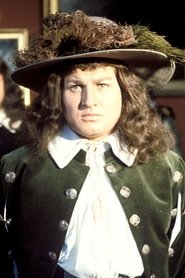 Jean-Marie PatteLouis XIV
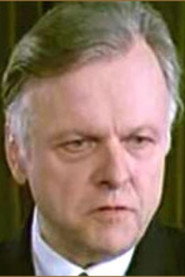 Raymond JourdanJean Baptiste Colbert
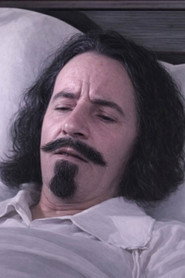 SilvagniCardinal Mazarin
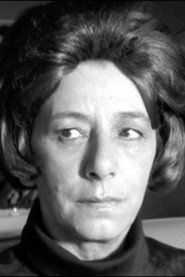 Katharina RennAnne d'Autriche
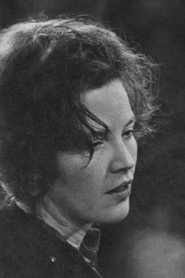 Dominique VincentMadame Du Plessis
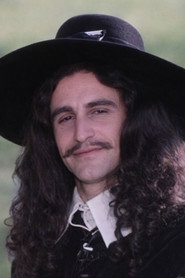 Pierre BarratNicolas Fouquet
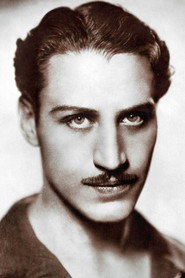 Fernand FabreMichel Le Tellier
- Françoise PontyLouise de la Vallière
- Joëlle LaugeoisMarie-Thérèse
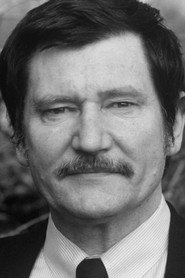 Maurice BarrierD'Artagnan
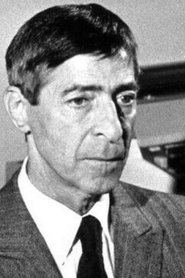 André DumasLe Père Joly
- François MiranteM. de Brienne
Directing
- Roberto RosselliniDirector
Writing
- Michelle PodroznikScenario Writer
- Jean GruaultWriter
- Philippe ErlangerWriter
- Roberto RosselliniWriter
Production
- Claude BaksProducer