
Film
Napoleon
Other titles called Napoleon: the 1927 film, the 2002 series (France 2).
Ridley Scott's sprawling Napoleon follows the general's meteoric rise and catastrophic fall through his obsessive, destructive marriage to Josephine. It's a two-and-a-half-hour spectacle of battles and bedrooms, ambitious and uneven, for viewers who want their history epic and intimate, messy and grandiose, all at once.
If you liked this
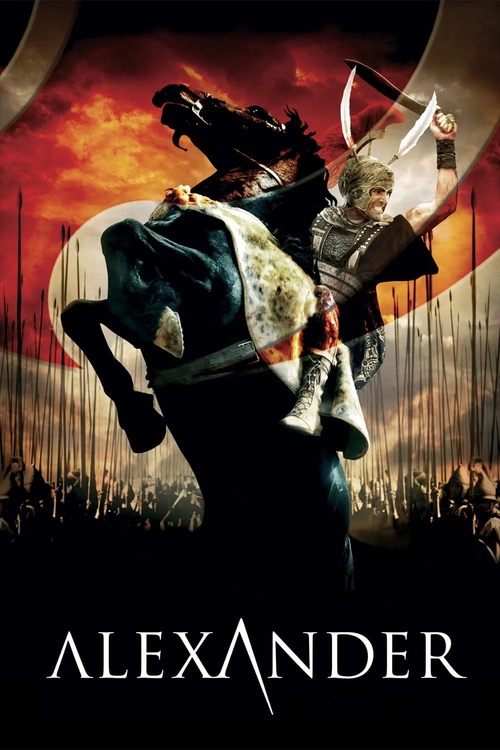
Alexander2004
Oliver Stone's lavish biography of another world-conquering idealist, structured as an intimate psychological study wrapped in massive battle sequences and exotic locations. Explores ambition's toll.
But Wildly uneven in tone and execution, with pacing problems that make even its best moments feel like wading through sand. Some find Stone's approach to the material overwrought.
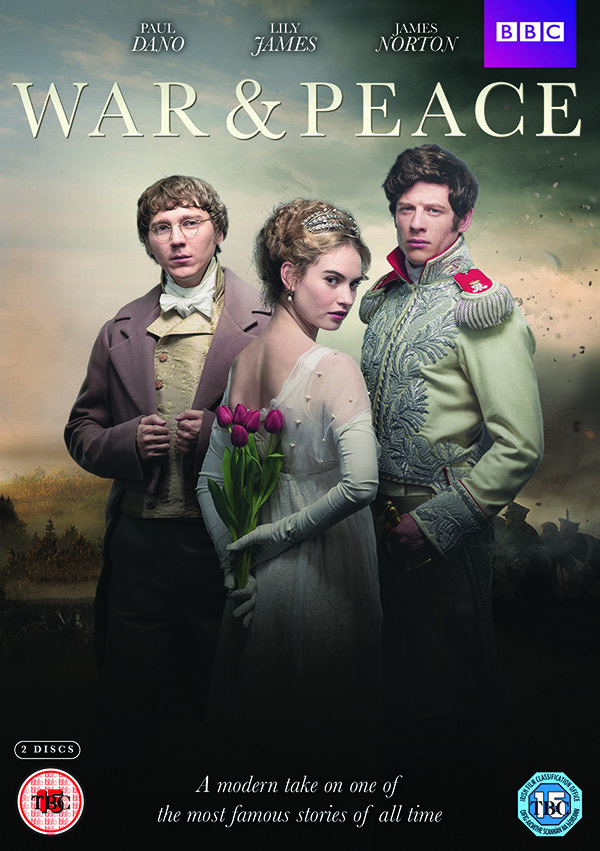
War & Peace2016
BBC's five-part adaptation captures epic historical drama more deftly than most films attempt. Balances spectacle with genuine emotional intimacy and character development across its generous runtime.
But It's British television restraint, not Hollywood spectacle. If you're coming for battle scenes the size of Scott's, you'll find something smaller and more deliberately paced.
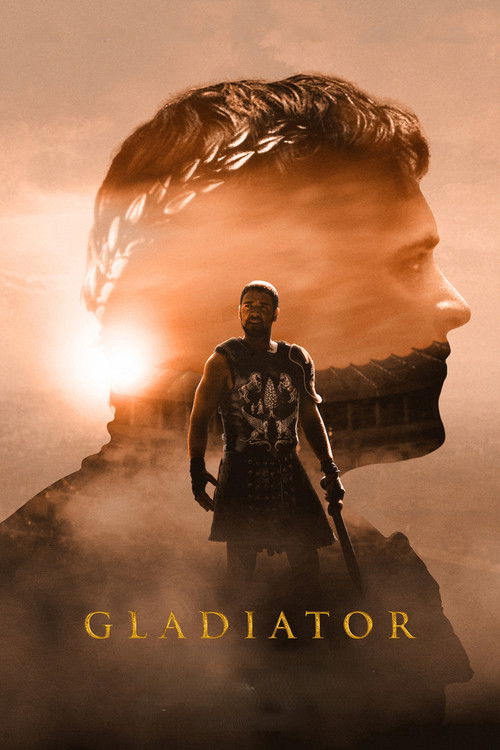
Gladiator2000
Scott's own masterpiece: another outsider who rises through merit and charisma, then finds power hollow. The obsession with a single relationship (to his lost wife) drives the narrative engine beautifully.
But Quite long, and some of the political maneuvering drags. The arena spectacle overshadows character work in stretches, which might frustrate if you want drama over action.
Not sure tonight? Get a pick in a minute, starting from Napoleon
The wildcard
Something you would not have found on your own.
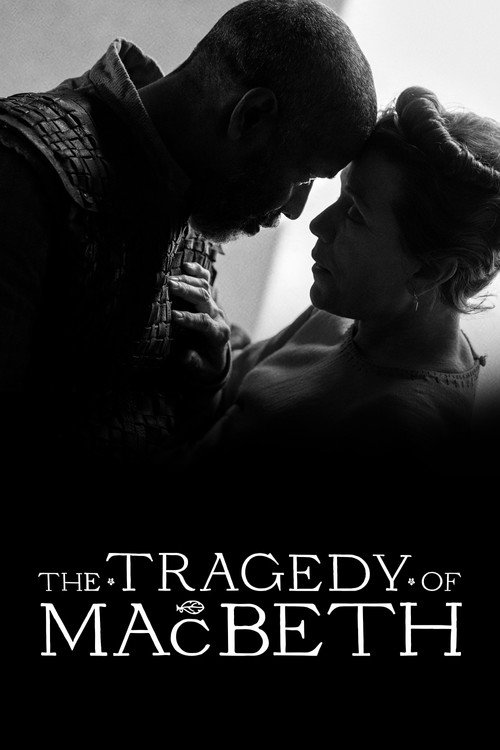
The Tragedy of Macbeth2021
Both trace an outsider's ruthless climb to absolute authority and his subsequent unravelling, but Welles strips away historical specificity to show the universal pattern beneath it—ambition as tragedy, not spectacle.
Welles' stark, expressionist version transforms Shakespeare's power-hungry tyrant into a study of ambition's corruption. It's Napoleon's rise-and-fall as gothic noir, arguing something similar: absolute power is absolutely destabilizing.
But Shot in black-and-white on a soundstage with theatrical artifice everywhere. Nothing feels historical or realistic; it's pure psychological abstraction, which some find alienating rather than illuminating.
More like this (8)
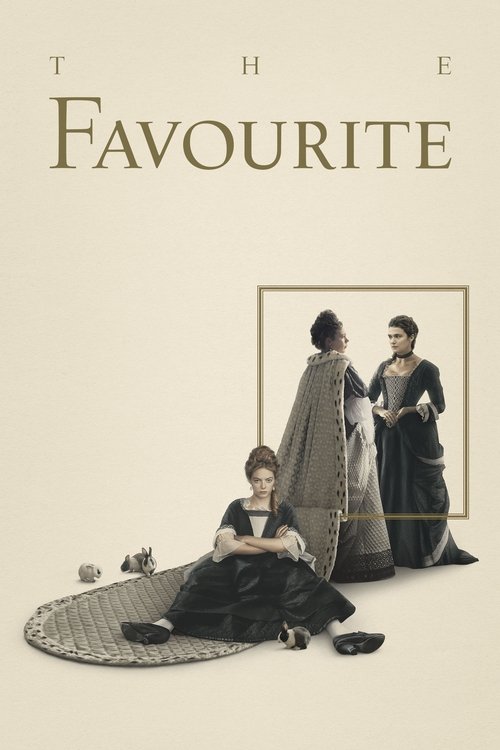
The Favourite2018
A royal court twisted by obsessive love and political ambition, told with dark comedy and verve. Yorgos Lanthimos makes palace intrigue genuinely thrilling, and the central triangle crackles with energy.
But Aggressively stylised and arch—nothing feels naturalistic. If you want your history straight and your drama earnest, this film's theatrical artifice will feel like constant irony.
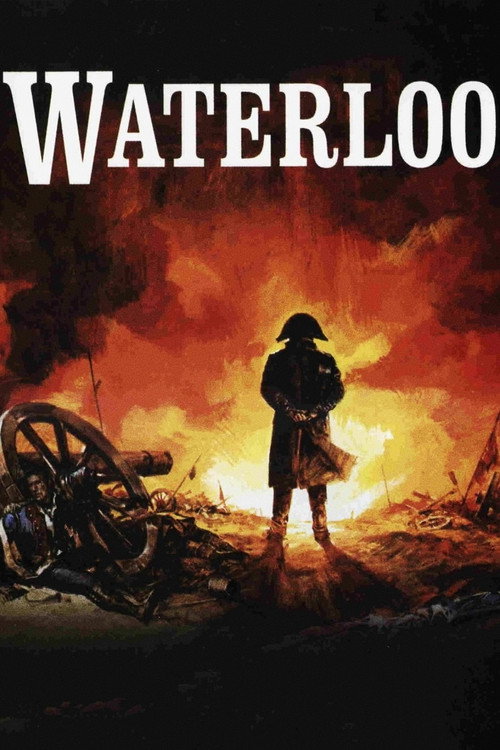
Waterloo1970
A Soviet-Italian co-production that treats Napoleon not as hero but as historical force—a more detached, analytical take than Scott's intimate approach, yet riveting in its scale and philosophical inquiry.
But Made in 1970, it feels like it: slower-paced, with dated aesthetic choices. The philosophical bent means less character drama than you might expect from a Napoleon film.
The Taking of Power by Louis XIV1966
Rossellini's crystalline study of another ambitious power-seeker obsessed with controlling his image. Quiet and precise where Scott is bombastic, yet equally absorbing about the machinery of empire-building.
But Deliberately austere and slow. If you came for battles and passion, you'll find formal court ritual and intellectual inquiry instead. Demands patience.
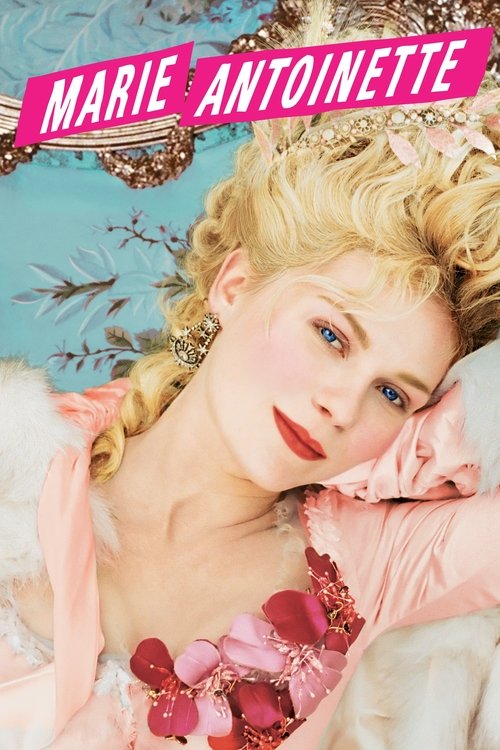
Marie Antoinette2006
Sofia Coppola's dreamy, pop-scored take on another doomed royal figure caught in history's gears. Shows how individual desires collide catastrophically with historical forces beyond anyone's control.
But Deliberately anachronistic and airily romantic where it could cut deeper. Some find the tone frivolous when the subject deserves gravity, and the film doesn't always earn its lack of seriousness.
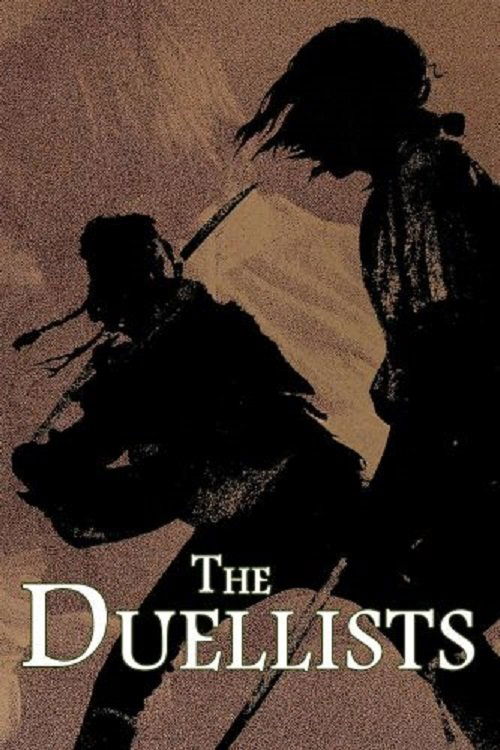
The Duellists1977
Ridley Scott's own baroque meditation on masculine obsession and honour across decades. Two men destroying each other over principle: it's intimate epic, and the cinematography is breathtaking throughout.
But Glacially paced and almost entirely about mood and visual composition. Plot barely moves; if you need narrative momentum, you'll find this hypnotic but exhausting.
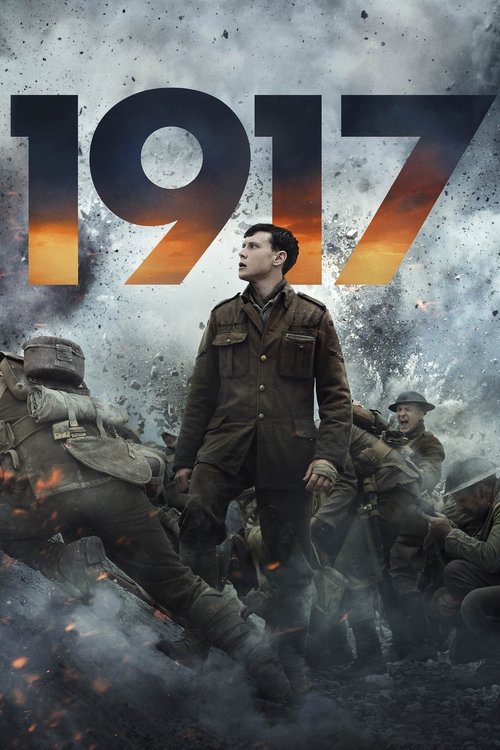
19172019
A different war film, but similar in ambition: Scott-like in scope and technical achievement, structured as a relentless human journey through historical chaos. Visceral and moving without needing a love story.
But The gimmick—appearing as one long take—becomes distracting rather than deepening. Some find the emotional payoff slight given the technical virtuosity demanded of the filmmaking.
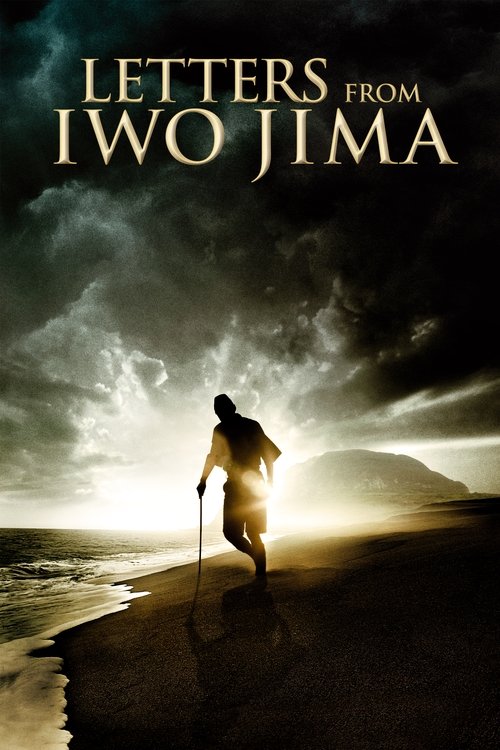
Letters from Iwo Jima2006
Like Napoleon, it's about powerful individuals caught in historical currents beyond their control, but told through letters and intimate moments rather than battles and ego. Same shape, opposite emotional register.
Clint Eastwood's Japanese perspective on a WWII battle, built entirely around the letters and memories of soldiers preparing for defeat. It finds humanity and dignity in inevitable collapse—the opposite of Napoleon's grandiosity.
But A war film told from the enemy's viewpoint with minimal combat, more elegiac than epic. If you want heroism or triumph, you'll find resignation, duty, and grief instead. Intentionally unheroic.
The Leopard1963
Napoleon shows power's rise-and-fall through one man's obsession; The Leopard shows it through one man's helpless witness to dissolution. Same historical thesis—empires cannot hold—told as observation rather than autobiography.
Visconti's Sicilian epic observes an aristocratic order collapsing under historical change—a man watching the world he built dissolve. Gorgeous, mournful, and it argues that grandeur is always temporary, all empires are already dying.
But Three hours of Burt Lancaster watching decline from a ballroom. Plotting is minimal; it's pure mood and philosophy about time. Visually sumptuous but narratively static in ways that will bore anyone wanting clear story momentum.

People
Cast
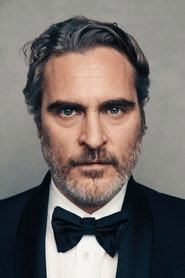 Joaquin PhoenixNapoleon Bonaparte
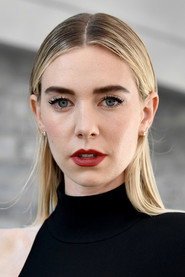 Vanessa KirbyJosephine Bonaparte
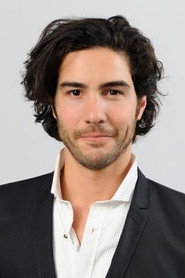 Tahar RahimPaul Barras
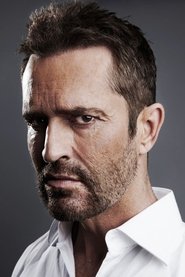 Rupert EverettDuke of Wellington
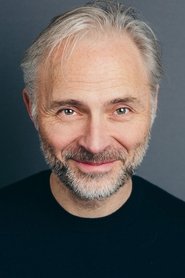 Mark BonnarJunot
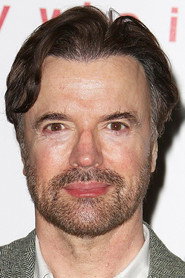 Paul RhysTalleyrand
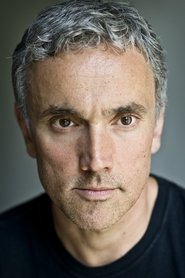 Ben MilesCaulaincourt
 Riana DuceLucille
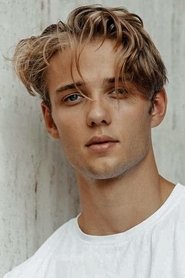 Edouard PhilipponnatTsar Alexander
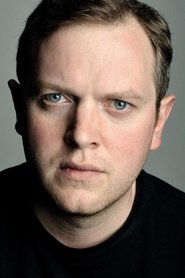 Miles JuppEmperor Francis I
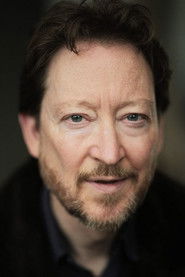 Scott HandyMarshal Berthier
 Youssef KerkourMarshal Davout
Directing
- Mohamed AtbirAssistant Director
- Ridley ScottDirector
- Raymond KirkFirst Assistant Director
Writing
- Paul Thomas AndersonScript Consultant
- David ScarpaWriter
Production
- Kate Rhodes JamesCasting
- Kat EdmondsCasting Assistant
- Sophie QuinnCasting Assistant
- Janine ModderCo-Producer
- Raymond KirkCo-Producer
- Teresa KellyCo-Producer
- Winston AzzopardiCo-Producer
- Ahmed AbounouomExecutive Producer
- Aidan ElliottExecutive Producer
- Michael A. PrussExecutive Producer
- Joaquin PhoenixProducer
- Kevin J. WalshProducer
- Mark HuffamProducer
- Ridley ScottProducer
- Souheil HallaouiProduction Manager
- Janine ModderUnit Production Manager