
Film
Letters from Iwo Jima
Eastwood's companion piece to Flags of Our Fathers retells the same battle from inside the losing army's tunnels and caves, following General Kuribayashi and the exhausted men under his command. Quiet, mournful, almost entirely in Japanese, it strips away triumphalism to find fear, obedience, and small flickers of tenderness in soldiers who already know their fate. For anyone tired of war films that ask you to cheer for a side.
If you liked this
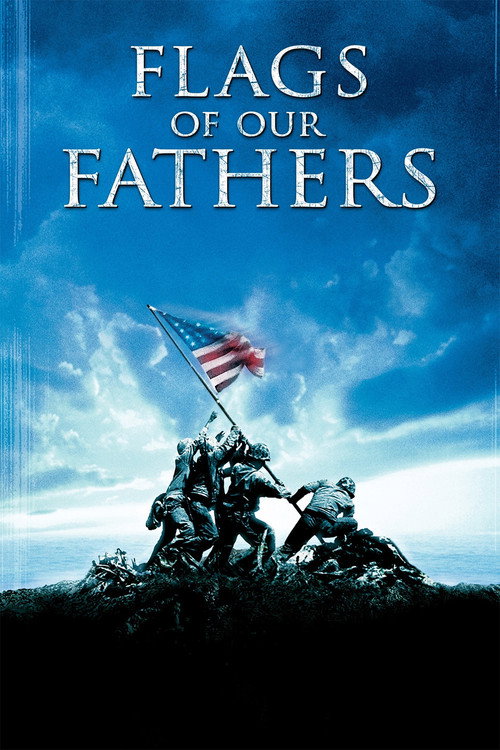
Flags of Our Fathers2006
Eastwood's companion piece, shot back-to-back with Letters, tells the American side of the same battle — watching both together doubles the tragedy and reveals how deliberately he refused heroism on either side.
But More fragmented and less focused than its companion; the flashback structure dilutes some of the immediacy.
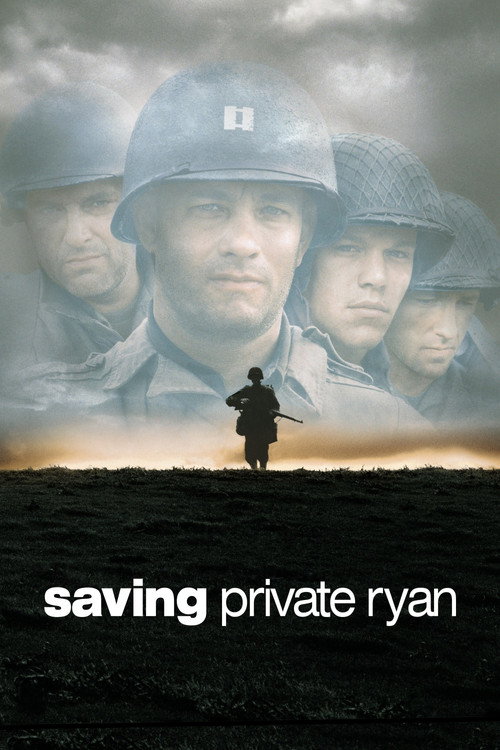
Saving Private Ryan1998
Spielberg's D-Day opening remains the benchmark for visceral combat, and the mission that follows asks hard questions about what one life is worth in a war of millions.
But More conventionally heroic and American-centered — this is the mirror image in tone, not the echo.
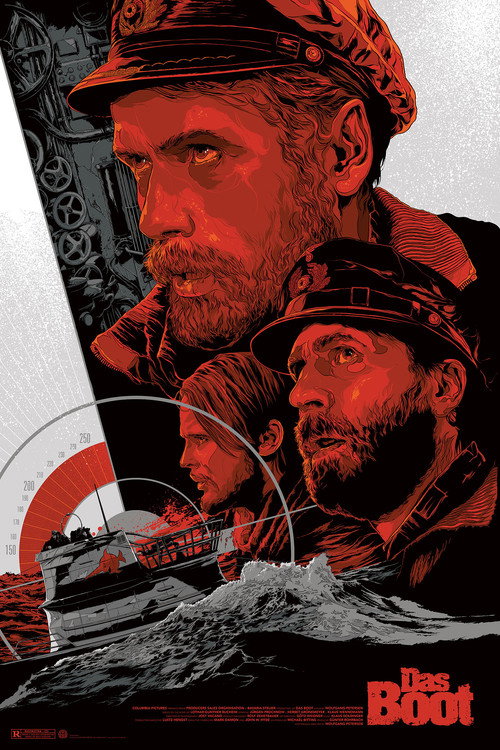
Das Boot1981
A claustrophobic U-boat crew, doomed and exhausted, fighting for a cause the film refuses to glorify — the same slow dread of men trapped underground, waiting to die.
But Long even in its shorter cuts, and the submarine setting can feel airless if it doesn't fully grip you.
The wildcard
Something you would not have found on your own.
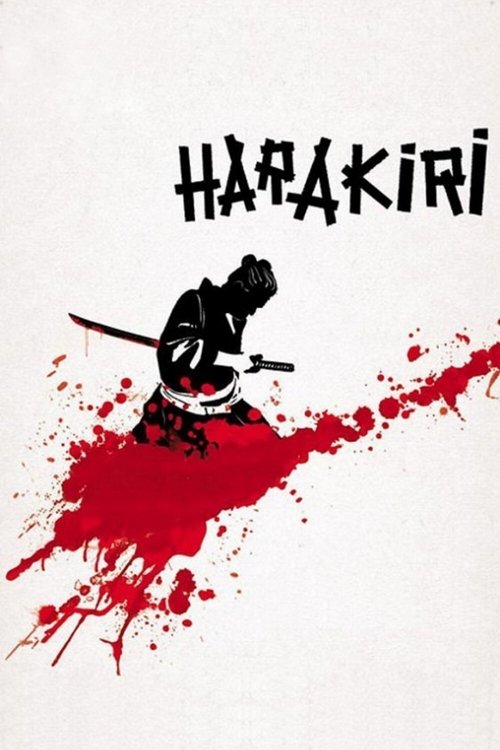
Harakiri1962
Same culture, same warrior code, turned inside out — Eastwood asks you to feel for men trapped by duty, Kobayashi asks you to be furious at the duty itself.
A ronin's simple request to a samurai clan unravels into a devastating attack on honor codes that demand meaningless sacrifice — the same bushido ethic Kuribayashi's men live and die inside, dissected with icy fury.
But Black-and-white, deliberately slow-burning, and its anger is aimed squarely at the very tradition some viewers come to war films to admire.
More like this (8)
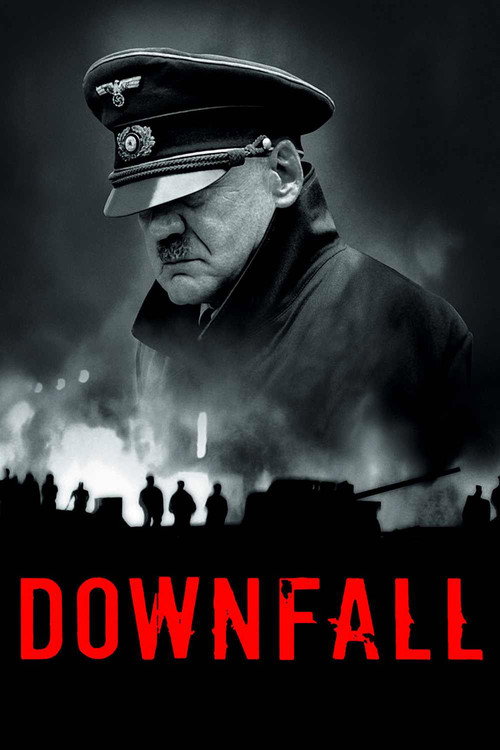
Downfall2004
Bruno Ganz's Hitler in his final bunker days is the other great humanize-the-unthinkable performance of the 2000s, showing collapse from deep inside the enemy's command structure.
But Deliberately uncomfortable rather than moving — watching monstrous men be merely human unsettles some viewers.
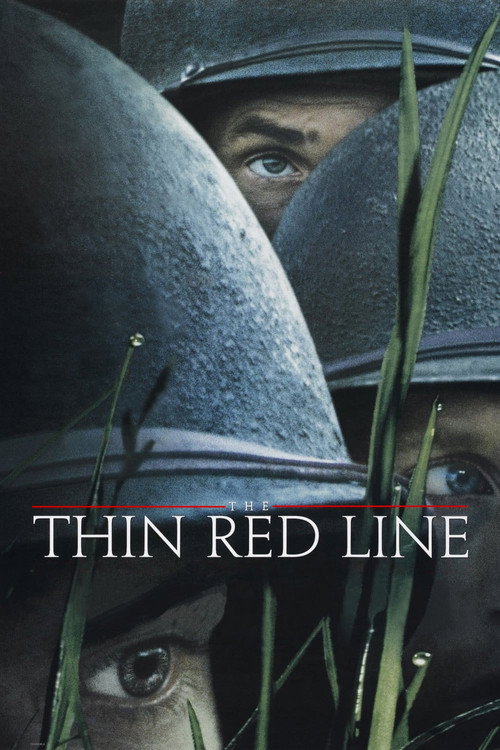
The Thin Red Line1998
Malick trades plot for meditation, soldiers' inner voices drifting over the horror of Guadalcanal — a poetic cousin to the quiet interiority of Kuribayashi's letters home.
But Nearly three hours of voiceover and nature imagery with minimal narrative momentum; patience required.
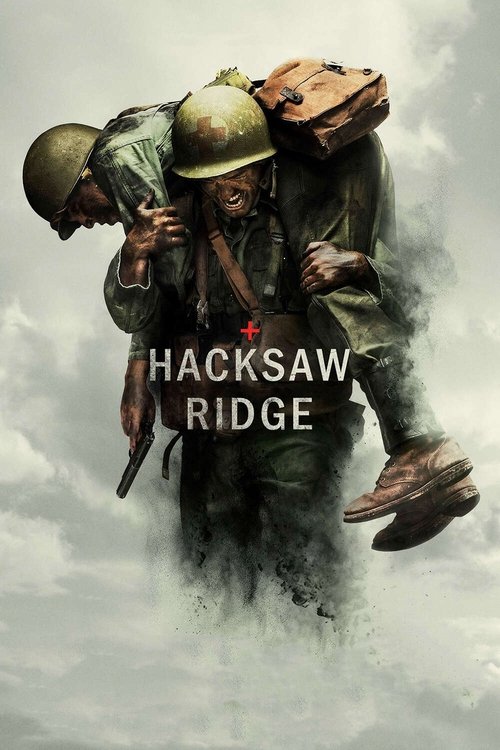
Hacksaw Ridge2016
Gibson's brutal, unflinching Okinawa sequences sit at the far end of the Pacific War's horror, and its conscientious-objector hero offers a strikingly different kind of courage.
But Swings hard between saccharine biography and extreme gore — the tonal whiplash frustrates some viewers.
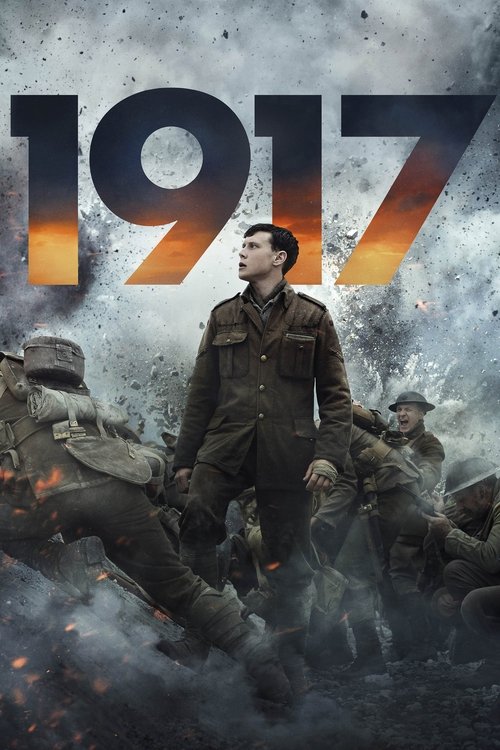
19172019
Mendes' real-time, single-shot illusion turns a WWI errand into a nerve-shredding ordeal, proof that intimate scale can carry a war film as powerfully as grand strategy.
But The technical showmanship occasionally calls attention to itself, and the story is thinner than the craft holding it up.
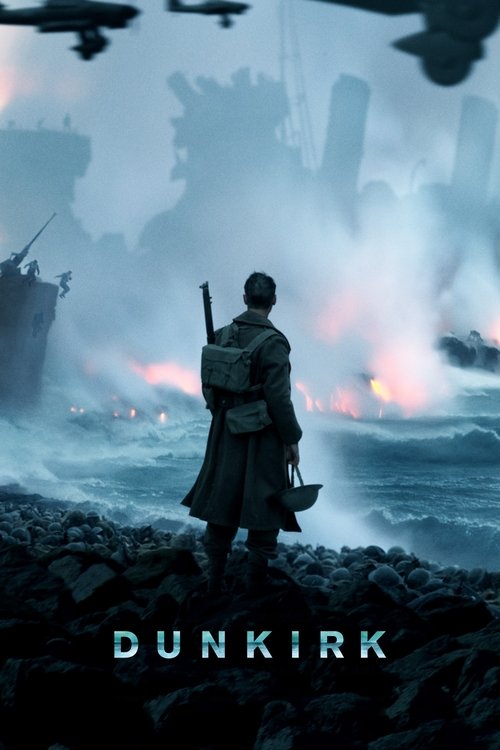
Dunkirk2017
Nolan strips away dialogue and backstory for pure survival, three interlocking timelines building unbearable tension around men waiting to be saved rather than charging to win.
But Characters stay deliberately sketchy — if you need to know people to care about them, this will frustrate you.
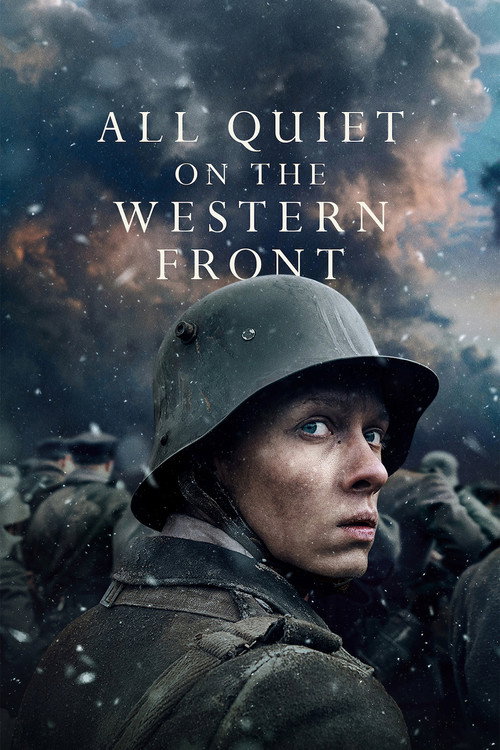
All Quiet on the Western Front2022
This German-language adaptation shows WWI entirely from the losing side, young men chewed up by a war they never understood, echoing Letters' refusal of nationalist comfort.
But Unrelentingly grim with almost no relief, and some purists still prefer the restraint of the 1930 original.
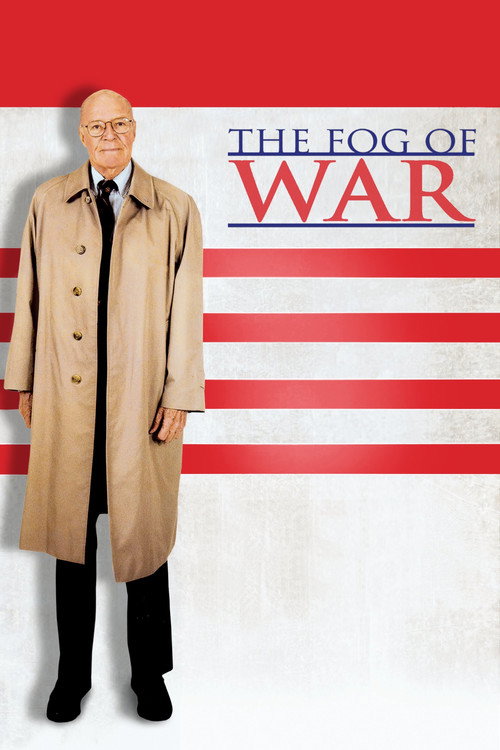
The Fog of War2003
It's the view from the other end of the telescope: the strategic calculus that made Iwo Jima's soldiers a rounding error in someone else's decision-making.
Errol Morris interviews Robert McNamara about the firebombing campaigns that turned Japanese cities to ash — the bureaucratic machinery behind the war Kuribayashi's men were dying to delay.
But No combat at all, just one old man's face and voice reckoning with arithmetic that killed hundreds of thousands.
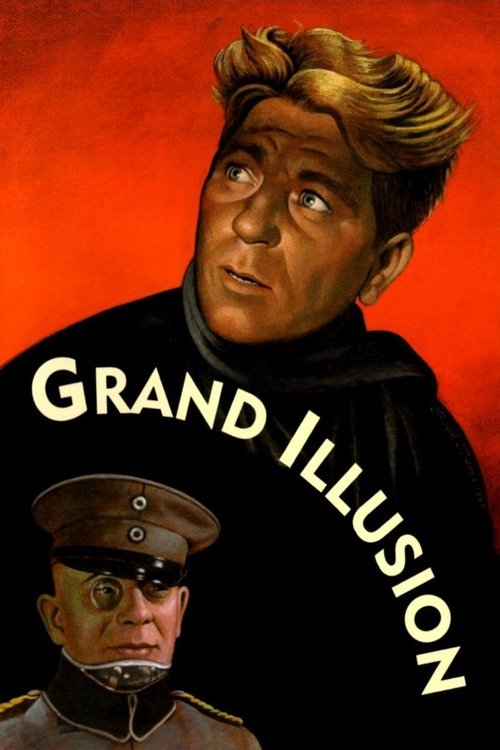
Grand Illusion1937
Both films find honor on the 'wrong' side of the line, seventy years apart — Renoir got there first, before it was fashionable to ask whether the enemy deserved sympathy.
Jean Renoir's WWI classic finds unexpected fellowship between French prisoners and their German captors, insisting that decency survives even inside a war machine — the same tenderness Eastwood locates decades later.
But Talky and slow by modern pacing, and its class-conscious subplot sometimes crowds out the war story.
People
Cast
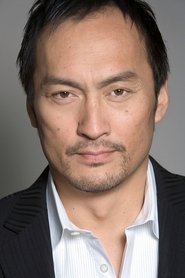 Ken WatanabeGeneral Tadamichi Kuribayashi
 Kazunari NinomiyaPrivate Saigo
 Tsuyoshi IharaColonel Baron Nishi
 Ryo KasePrivate Shimizu
 Shido NakamuraLieutenant Ito
 Hiroshi WatanabeLieutenant Fujita
- Takumi BandoCaptain Tanida
 Yuki MatsuzakiPrivate Nozaki
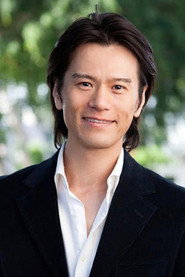 Takashi YamaguchiKashiwara
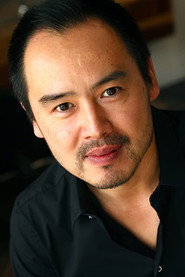 Eijiro OzakiLieutenant Okubo
 Nae YuukiHanako
- Nobumasa SakagamiAdmiral Ohsugi
Directing
- Clint EastwoodDirector
- Mable Lawson-McCraryScript Supervisor
- Peter DressSecond Second Assistant Director
Writing
- Tadamichi KuribayashiBook
- Iris YamashitaScreenplay
- Iris YamashitaStory
- Paul HaggisStory
Production
- Phyllis HuffmanCasting
- Steve BeimlerLocation Manager
- Clint EastwoodProducer
- Paul HaggisProducer
- Robert LorenzProducer
- Steven SpielbergProducer
Recommended by
The Pacific, The Wind Rises, The Thin Red Line, Godzilla Minus One, In This Corner of the World, Flags of Our Fathers