
Film
Hiroshima
Other titles called Hiroshima: the 1953 film.
- Drama
- Very dark
A three-hour Japanese-Canadian co-production that unfolds the decision-making machinery behind the atomic bombings through dramatised conversations between world leaders, interwoven with archival footage and survivor testimony. Sepia tones blur the line between reconstruction and historical record. It's a film about power, urgency, and the terrible weight of choices made in the fog of war—not a verdict, but an examination.
If you liked this
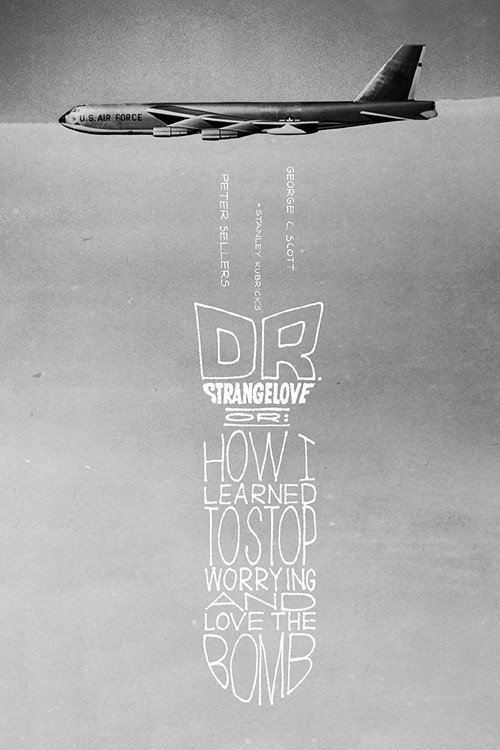
Dr. Strangelove or: How I Learned to Stop Worrying and Love the Bomb1964
Kubrick's darkly comic masterpiece also fixates on nuclear decision-making, but through the lens of Cold War absurdity. If you want to understand how systems fail, this is essential viewing.
But It's a satire, not a drama, and some find its tone—even about thermonuclear war—glib or dated. The humour doesn't work for everyone.
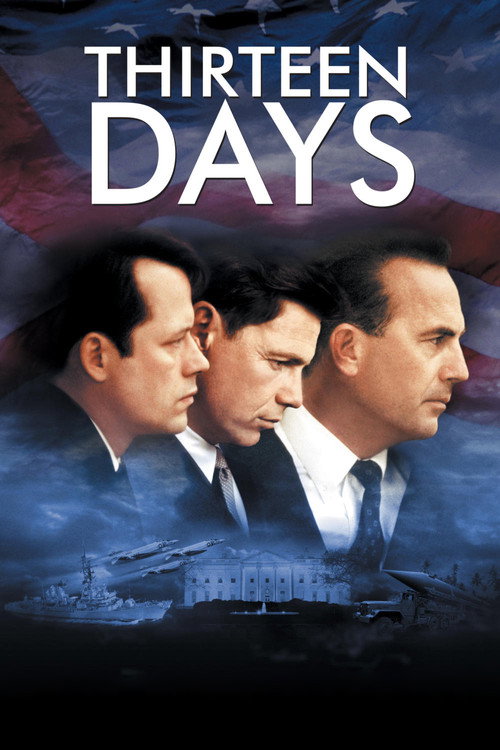
Thirteen Days2000
Roger Donaldson's account of the Cuban Missile Crisis captures that same suffocating tension of world leaders trapped in a room, calculating odds with civilisation in the balance. Gripping and thoughtful.
But It's a fairly conventional historical thriller. If you want something as formally ambitious as Hiroshima's documentary-drama hybrid, this won't surprise you.
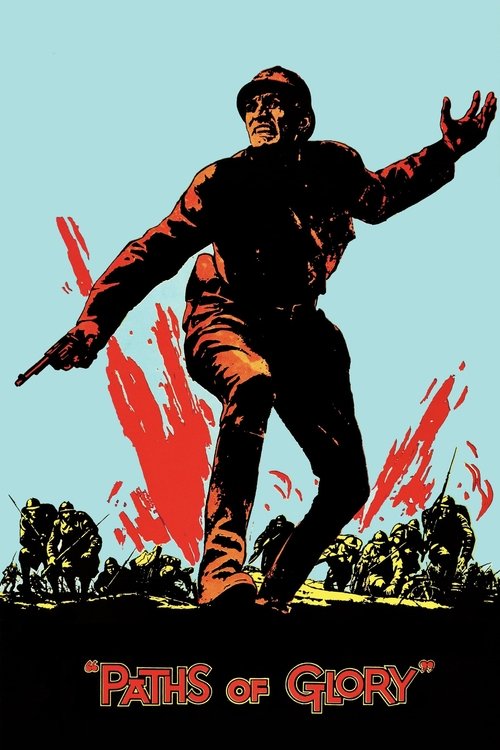
Paths of Glory1957
Kubrick's WWI masterpiece about generals sacrificing soldiers for strategy. The moral clarity is devastating, and it shows how little changes about power's calculus across decades.
But It's black and white, from the 1950s, and the pacing is glacial by modern standards. The courtroom finale divides viewers—some find it cathartic, others anticlimactic.
Not sure tonight? Get a pick in a minute, starting from Hiroshima
The wildcard
Something you would not have found on your own.
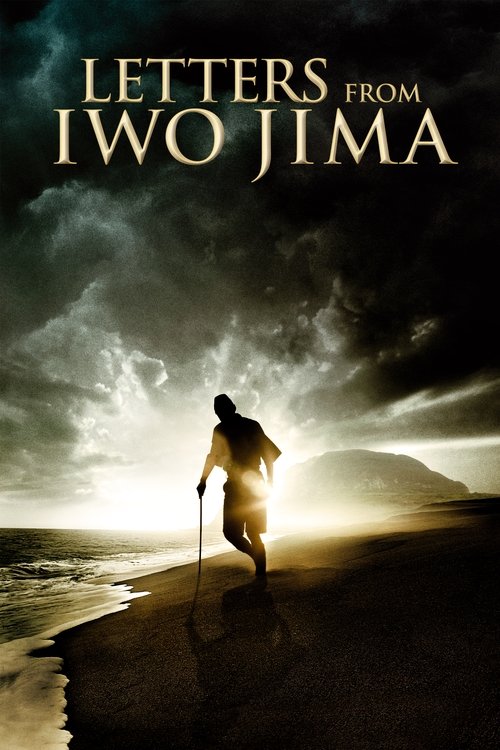
Letters from Iwo Jima2006
Hiroshima shows the high command's decision-making; Letters from Iwo Jima shows the ground-level cost of the choices leaders make. One is in rooms with maps; one is in trenches with dying men. Both refuse easy patriotism.
Clint Eastwood's Japanese-language film reverses the usual Hollywood perspective, following Japanese soldiers defending an island they know they'll lose. It's about waiting for death with dignity—the soldier's experience of the war that produced the atomic choice.
But It's a war film with sustained combat sequences and brutal casualties. Eastwood's style is spare, almost cold—no catharsis, just attrition. Some find it emotionally distant.
More like this (5)
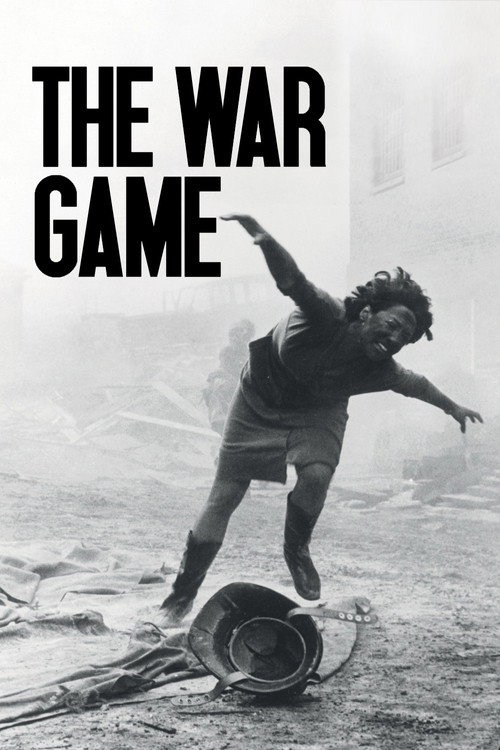
The War Game1966
Peter Watkins' banned BBC docudrama imagines a nuclear strike on Britain with horrifying specificity. If Hiroshima asks how leaders decide, this asks what it costs. Extraordinary and necessary.
But It's deeply, intentionally disturbing—images of mass casualties presented as reconstructed news footage. The BBC wouldn't broadcast it for twenty years. Not for a casual evening.
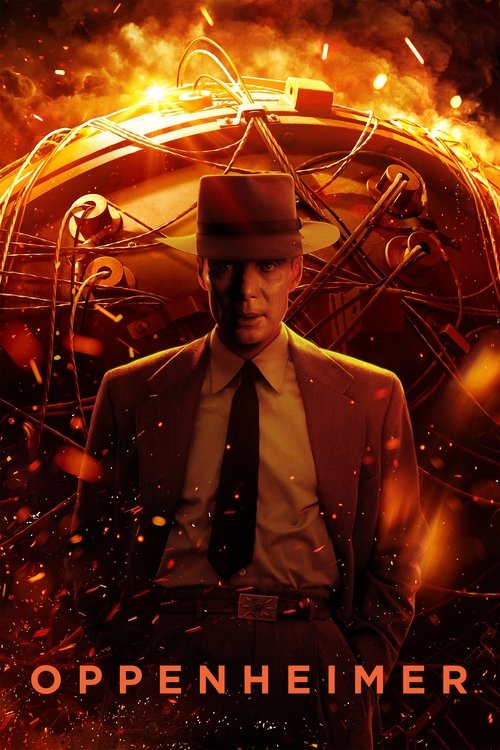
Oppenheimer2023
Nolan's recent film follows the man who built the bomb, from genius to moral reckoning. It's visually ambitious and wrestles with the gap between technical triumph and human consequence.
But At three-and-a-half hours, it's a demanding watch with complex narrative structure and noisy sound design. Some feel Nolan's style overwhelms the substance.
Come and See1985
Elem Klimov's Belarusian masterpiece about a boy caught in WWII's Eastern Front is the most devastating war film ever made. It shatters any romantic notion of conflict and shows its true price.
But It's viscerally brutal and shows atrocities in unflinching detail. Many people find it unwatchable. Not for when you want to feel okay afterwards.

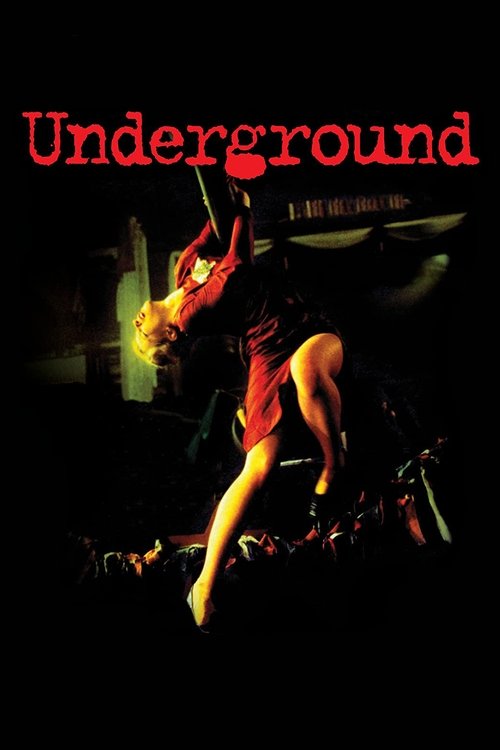
Underground1995
Emir Kusturica's surreal epic uses the Balkans War as backdrop for a hallucinatory family saga that spans decades. Formally wild, refusing simple answers about complicity and chaos.
But It's three hours of maximalist baroque storytelling with unreliable narration. Some see it as a masterpiece; others find it self-indulgent and exhausting.
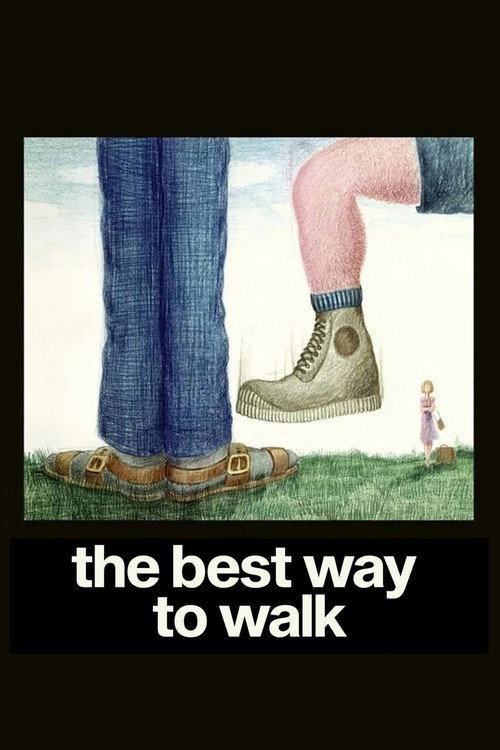
The Best Way to Walk1976
Claude Miller's quiet French drama about two men's friendship in a post-war world, shaped by unspoken trauma. It's humanistic where Hiroshima is structural—the personal cost of historical events.
But Very little happens. It's a film about silences and glances. If you want narrative momentum, you'll be frustrated. If you need plot, skip it.
People
Cast
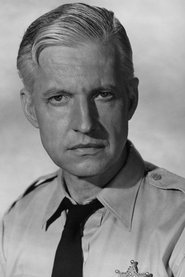 Wesley AddySecretary of War Henry L. Stimson
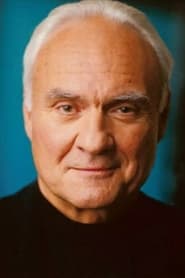 Kenneth WelshPresident Harry S Truman
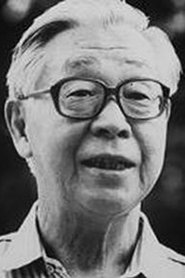 Tatsuo MatsumuraPrime Minister Kantaro Suzuki
- J. Winston CarrollChief Justice Stone
Directing
- Koreyoshi KuraharaDirector
- Roger SpottiswoodeDirector
Writing
- John HopkinsWriter
- Toshirō IshidōWriter
Recommended by
White Light/Black Rain: The Destruction of Hiroshima and Nagasaki