
Film
White Light/Black Rain: The Destruction of Hiroshima and Nagasaki
Steven Okazaki's quiet, devastating documentary lets survivors of Hiroshima and Nagasaki describe plainly what happened to their bodies and their cities, alongside the American airmen who dropped the bombs. There's no score built for tears, no narrator smoothing the edges — just testimony, archival footage, and photographs that are genuinely hard to look at. Essential, not comfortable.
If you liked this
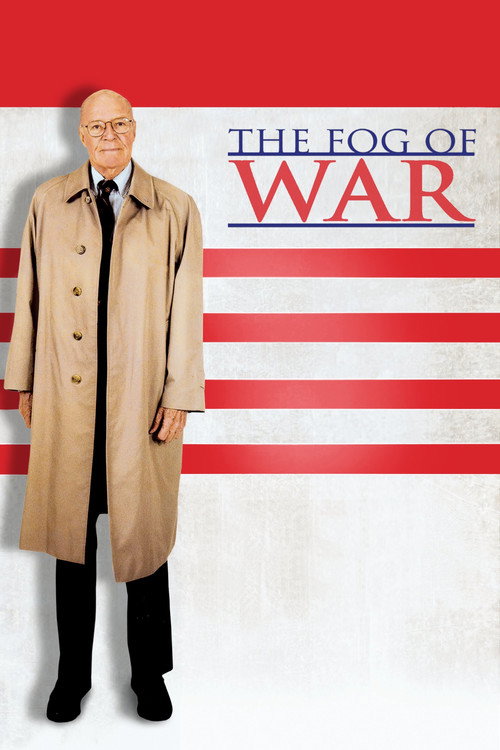
The Fog of War2003
Errol Morris interviews Robert McNamara about Vietnam and, crucially, about the firebombing of Japan he helped plan before Hiroshima — a chilling companion piece on how ordinary men rationalize mass death.
But McNamara is articulate and self-serving in equal measure; some viewers find his lack of full contrition infuriating rather than illuminating.
Shoah1985
Claude Lanzmann's nine-hour epic of Holocaust testimony shares this film's core method — put survivors and perpetrators in front of a camera and let memory do the rest, with no shortcuts taken.
But It's nine hours long, entirely interviews and train tracks, with no music and no relief. This is a commitment, not an evening.
Night and Fog1956
Alain Resnais's thirty-two-minute confrontation with the concentration camps, shot a decade after liberation, is the film that taught documentary how to look at atrocity without flinching or explaining it away.
But Its brevity is deceptive — the imagery is unfiltered and stays with you far longer than the runtime suggests.
The wildcard
Something you would not have found on your own.
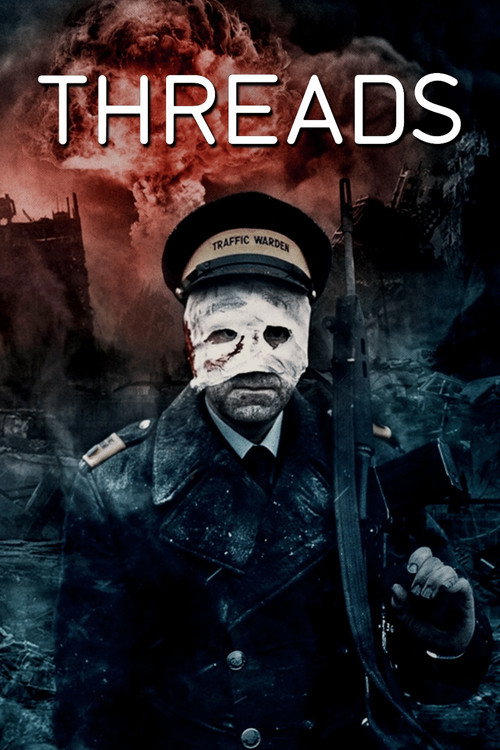
Threads1984
Like Okazaki's survivors, this BBC film treats nuclear war as bureaucratic, mundane, and utterly annihilating — it just does it as speculative fiction about a British city, using the same clinical, unsparing camera eye on a catastrophe that hasn't happened yet.
The bleakest thing British television ever produced, imagining a nuclear strike on Sheffield with documentary-style detachment. It shares the same refusal to look away that makes White Light/Black Rain so hard to shake.
But It is relentlessly grim with zero hope by design; many viewers watch it once and never again.
More like this (7)
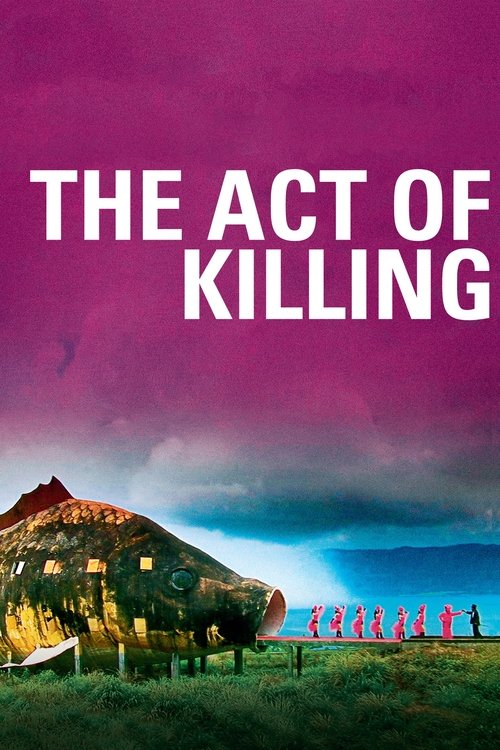
The Act of Killing2012
Joshua Oppenheimer persuades Indonesian death squad leaders to reenact their 1965 massacres for the camera, producing a documentary about how perpetrators, not victims, remember and justify horror.
But It's formally audacious and deliberately unsettling in a way that some viewers find exploitative rather than illuminating.
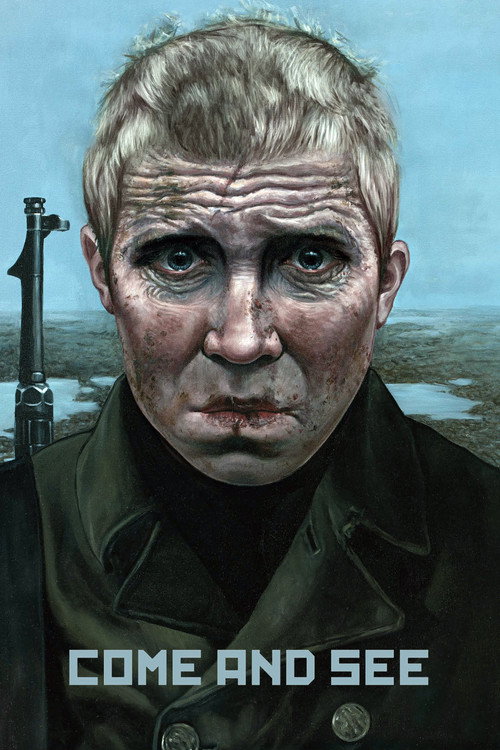
Come and See1985
Elem Klimov's fictional account of a Belarusian boy caught in the Nazi occupation is often called the most devastating war film ever made — pure sensory horror rather than analysis.
But It's a narrative feature, not a documentary, and some of the imagery is almost unwatchably brutal.
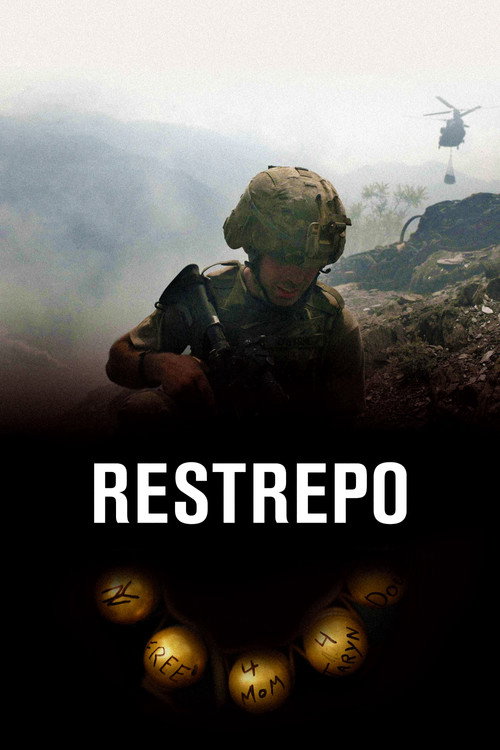
Restrepo2010
Embedded with a US platoon in Afghanistan's Korengal Valley, this is war stripped of narration or hindsight — just the boredom, fear, and camaraderie of men doing a brutal job.
But It offers no political context and no resolution, which is the point, but frustrates viewers wanting analysis.
Testament1983
A quiet, devastating American drama about a suburban family slowly dying of radiation sickness after a nuclear attack — the domestic, unglamorous aftermath the genre usually skips.
But It's slow and almost entirely interior; nothing explodes on screen, which some viewers find undramatic.
Hiroshima1995no page yet
A Japanese-Canadian co-production that dramatizes the bombing and the decision-making on both sides, mixing actors with survivor testimony — a bridge between drama and documentary on this exact subject.
But Its docudrama seams show; the dramatized scenes lack the force of the real interviews it's built around.
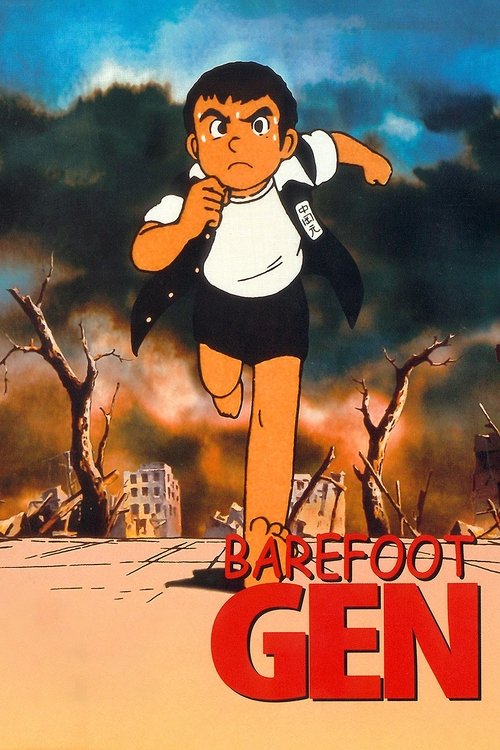
Barefoot Gen1983
Adapted from a survivor's own manga, this animated feature puts a child's-eye view on the same Hiroshima morning the documentary's witnesses describe — proof that animation can carry testimony as honestly as a camera can.
A Hiroshima survivor's own memories, drawn rather than filmed, following a boy through the bombing and its radioactive aftermath with unexpected tenderness and horror in equal measure.
But The animation style is dated and occasionally clashes tonally with just how graphic the violence gets.
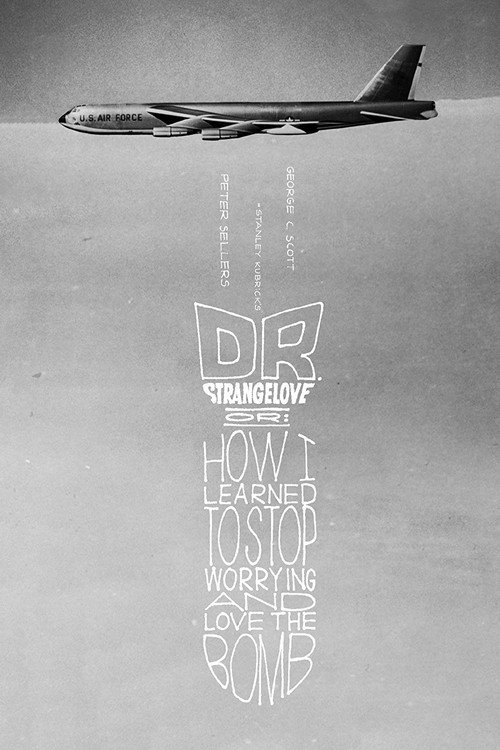
Dr. Strangelove or: How I Learned to Stop Worrying and Love the Bomb1964
The American servicemen in White Light/Black Rain describe the bomb with a strange detachment; Kubrick's satire imagines the men who'd push the button next, and finds them not just detached but gleefully, farcically insane.
Kubrick's pitch-black comedy about accidental nuclear annihilation is the tonal opposite of solemn testimony, but it's asking the same question — how do ordinary, credentialed men end up doing this?
But If you've just watched survivor testimony, laughing at nuclear war might feel like the wrong response entirely.
People
Cast
- Harold AgnewSelf
 Shuntaro HidaSelf
- Kiyoko ImoriSelf
- Morris JeppsonSelf
- Pan Yeon KimSelf
- Etsuko NaganoSelf
- Keiji NakazawaSelf
- Chiemi OkaSelf
- Shigeko SasamoriSelf
- Sakue ShimodairaSelf
- Yasuyo TanakaSelf
Directing
- Steven OkazakiDirector
Writing
- Steven OkazakiWriter
Production
- Ryoichi IshibashiProduction Manager
Recommended by
Godzilla, When the Wind Blows, Akira, Barefoot Gen, The Atomic Cafe