
Film
Testament
Testament strips the nuclear disaster movie down to its bones: no mushroom cloud, no politics, no heroics, just a mother in a small California town watching the world end in slow motion through her children's illnesses and the town's dwindling supplies. It's quiet, unbearably intimate, and more devastating for its restraint. Watch it for Jane Alexander, not for spectacle — this is grief cinema, not disaster cinema.
If you liked this
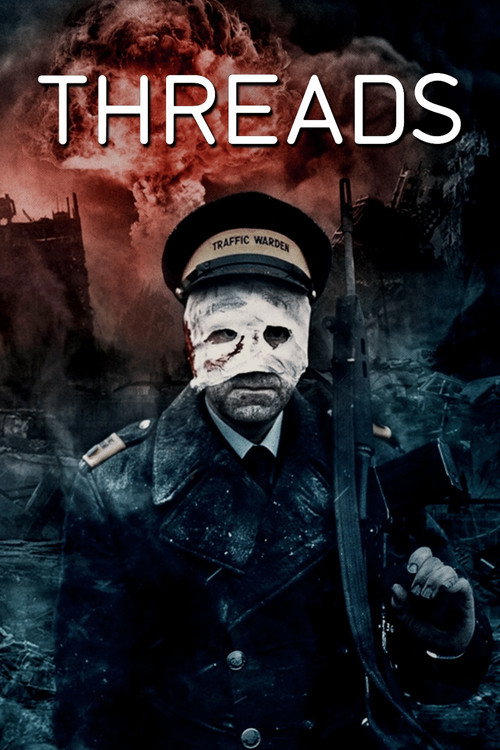
Threads1984
The film Testament gets compared to constantly, and for good reason — it pushes the same slow-motion catastrophe even further, following a Sheffield family through the attack and the decades of ruin after. Bleaker, more procedural, no comfort anywhere.
But It is punishing in a way Testament never quite is — there's no held-back tenderness, and the final act is almost impossible to sit through twice.
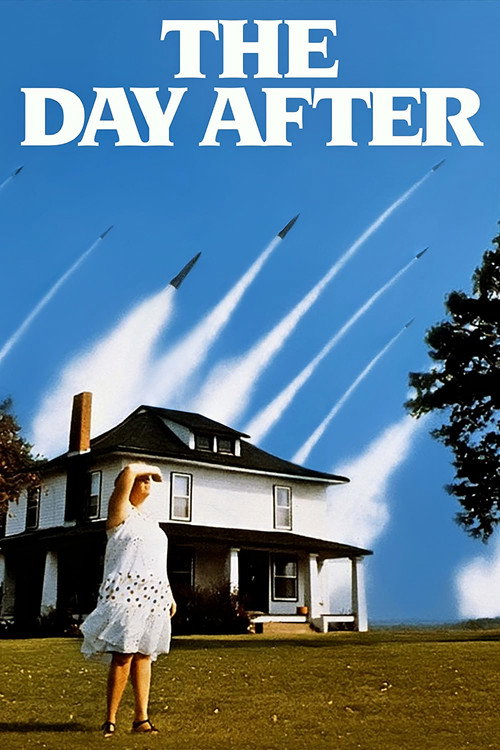
The Day After1983
Broadcast the same year as Testament, this was the TV event that terrified an entire nation — Kansas neighbors watching missiles rise, then the unthinkable arriving. Less intimate, more visceral, still historically enormous.
But The effects and pacing show their age, and the sprawling ensemble spreads focus thin compared to Testament's tight family lens.
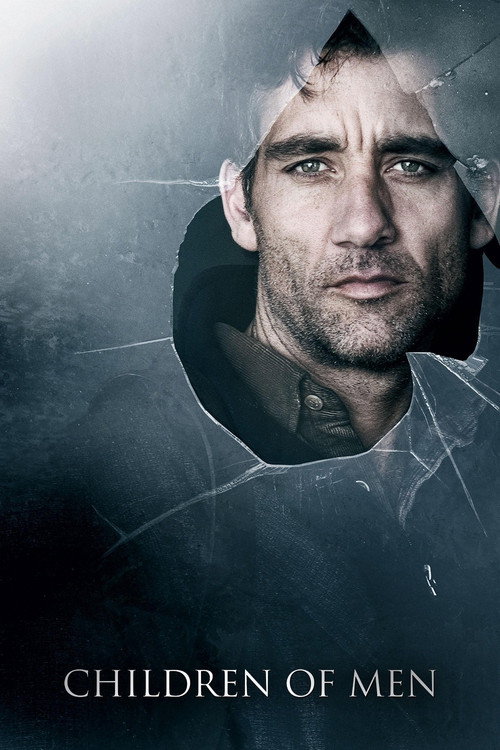
Children of Men2006
A different apocalypse — infertility, not radiation — but the same question: what do you owe a child in a world that's ending? Cuarón turns dread into something almost holy.
But It's a chase thriller at heart, with action beats Testament never bothers with — if you wanted stillness, this swaps some of it for adrenaline.
The wildcard
Something you would not have found on your own.
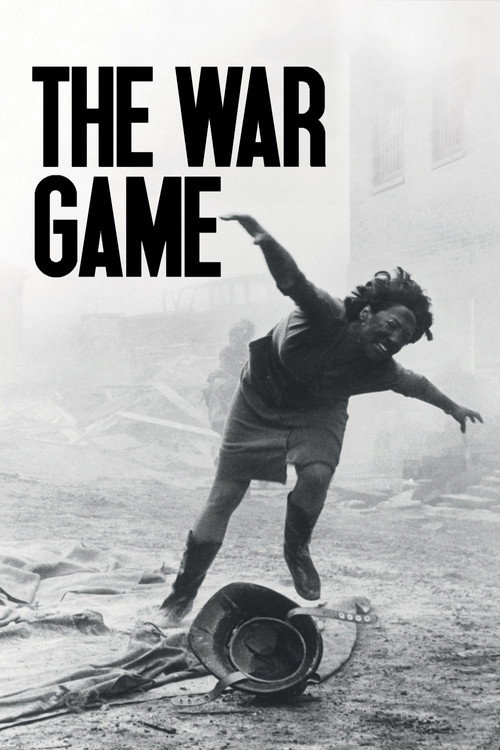
The War Game1966
Testament came eighteen years later and chose intimacy over information; this is the blueprint it quietly rewrote — a fake-newsreel account of nuclear attack on an English town so convincing the BBC banned it from broadcast for two decades.
Shot like grim wartime newsreel, it predicts firestorms, radiation sickness and social breakdown with chilling procedural detail — the film that proved nuclear disaster stories didn't need Hollywood scale to terrify.
But Its documentary flatness and clinical narration are the opposite of Testament's emotional close-ups — deliberately cold, and some will find it more lecture than story.
More like this (8)
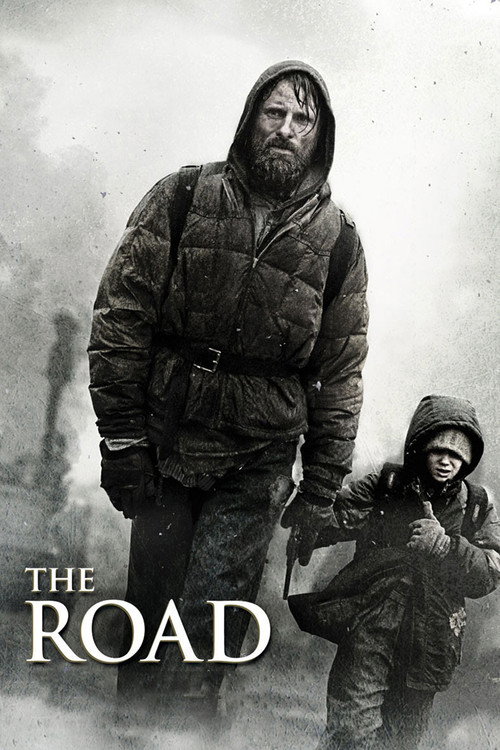
The Road2009
Strip away the town, the neighbors, the illusion of normal life, and you get this — a father and son alone in the ash, testing exactly how far tenderness can survive collapse.
But It's relentlessly grim with almost no relief, and some find its bleakness numbing rather than moving after the first hour.
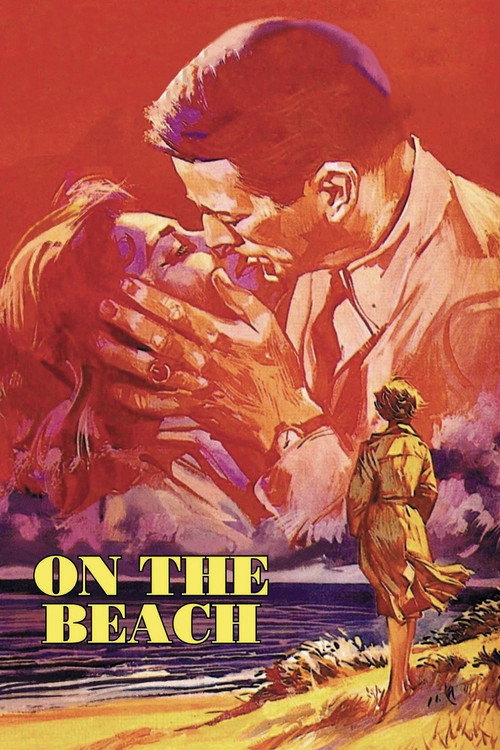
On the Beach1959
The granddaddy of nuclear-countdown dramas — Australians waiting for radioactive fallout to arrive, going about ordinary life with extraordinary calm. Testament's hushed dread has roots here.
But Its 1959 pacing and melodrama will feel slow and stagey to anyone used to modern restraint; the romance subplot dates it badly.
Right at Your Door2006no page yet
A dirty bomb hits Los Angeles and a husband seals himself inside his house waiting for his wife — claustrophobic, domestic, and quietly devastating in exactly Testament's register.
But It's a small, low-budget film with limited scope — one house, two characters — so it never opens up the way Testament's town does.
Panic in Year Zero!1962no page yet
An older, pulpier cousin — a family flees Los Angeles after a nuclear strike and has to decide how far they'll go to survive. Blunter, but its moral unease is real.
But It leans into B-movie thrills more than Testament ever would, and its gender politics have aged badly.
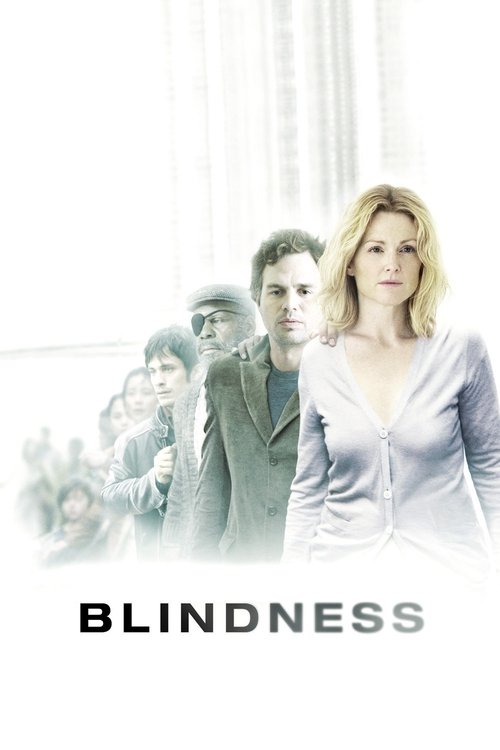
Blindness2008
Swap radiation for a mysterious plague of blindness and you get the same slow social collapse — quarantine, scarcity, the fraying of decency — filtered through one family trying to hold together.
But It's harsher and more grotesque than Testament, with an unflinching midsection some viewers find gratuitous rather than illuminating.
Miracle Mile1989no page yet
A stranger romance turns into a race against a rumored incoming strike over one frantic Los Angeles night — Testament's dread compressed into real time and adrenaline instead of slow accumulation.
But Tonally it's a wilder ride — part thriller, part fever dream — and its ambiguous ending frustrates viewers wanting Testament's grounded realism.
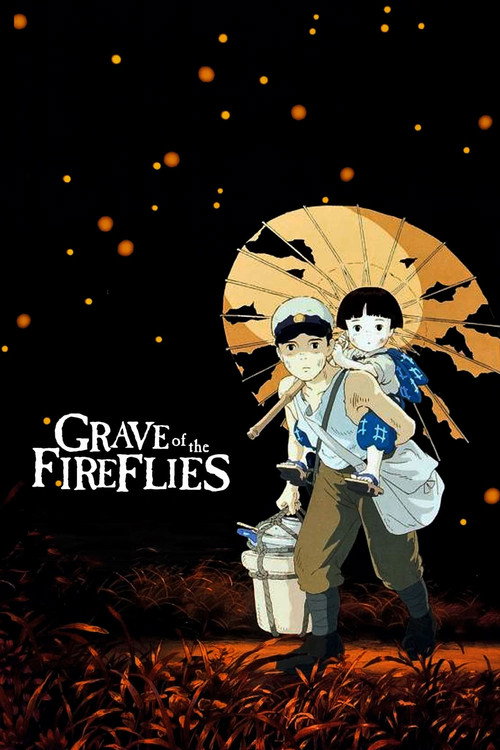
Grave of the Fireflies1988
Trade radiation for firebombing and California for Kobe, and you get Testament's same unbearable subject — children left to survive amid the wreckage of adult decisions — told in animation, which somehow makes it hit harder, not softer.
A brother and sister navigate starvation and loss after the firebombing of their city, rendered with a tenderness that makes its devastation almost unbearable to watch — animation used for grief, not escape.
But It is one of the saddest films ever made, full stop — go in braced, and maybe not alone.
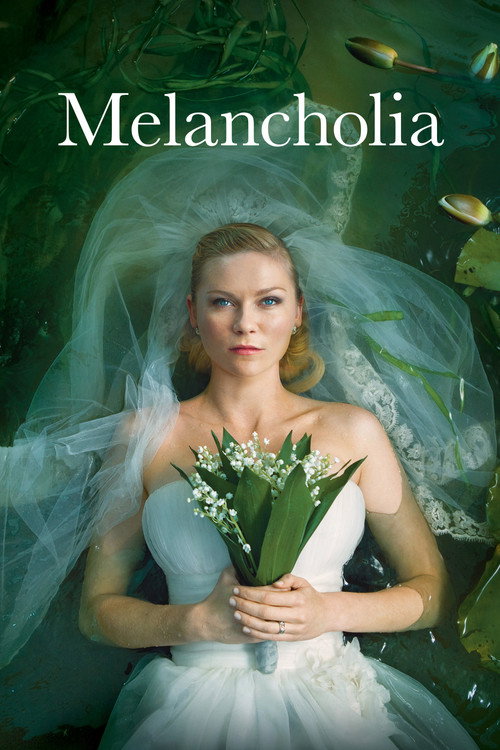
Melancholia2011
Same premise as Testament, turned inside out — the end of the world experienced entirely through one family's domestic space, dread measured not in supplies or sickness but in mood, dinner parties, and a planet slowly filling the sky.
Von Trier stages the apocalypse as psychological weather — depression made literal, catastrophe as slow-motion beauty — with a family drama at its core that's every bit as intimate as Testament's.
But It trades Testament's grounded realism for arthouse abstraction and surreal imagery; if you want plausibility over metaphor, this won't satisfy.
People
Cast
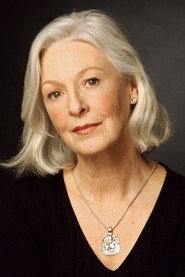 Jane AlexanderCarol Wetherly
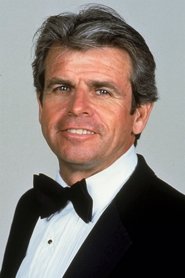 William DevaneTom Wetherly
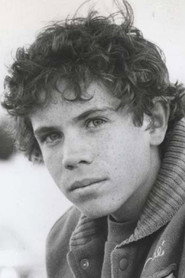 Rossie HarrisBrad Wetherly
 Roxana ZalMary Liz Wetherly
 Lukas HaasScottie Wetherly
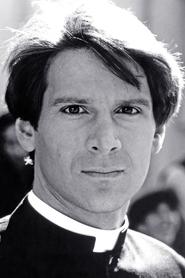 Philip AnglimHollis
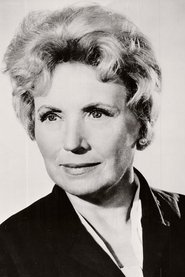 Lilia SkalaFania
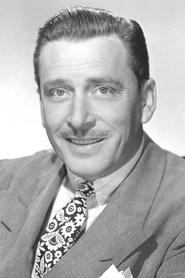 Leon AmesHenry Abhart
 Lurene TuttleRosemary Abhart
 Rebecca De MornayCathy Pitkin
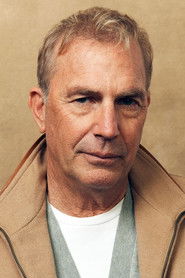 Kevin CostnerPhil Pitkin
 MakoMike
Directing
- Lynne LittmanDirector
- Peter BogartFirst Assistant Director
- William HassellFirst Assistant Director
- Ralph S. SingletonSecond Assistant Director
- Richard GravesSecond Assistant Director
Writing
- John Sacret YoungScreenplay
- Carol AmenStory
Production
- Andrea AsimowAssociate Producer
- Margery SimkinCasting
- Jonathan BernsteinProducer
- Lynne LittmanProducer
Recommended by
Threads, The Day After, When the Wind Blows, The War Game, On the Beach, White Light/Black Rain: The Destruction of Hiroshima and Nagasaki