
Film
Panic in Year Zero!
- Post-apocalyptic
- Very dark
A 1962 nuclear-apocalypse thriller following a father forced into moral compromise when his family becomes refugees in a lawless wasteland. Ray Milland anchors a taut, unglamorous survival story that treats the collapse of civilization as practical horror rather than spectacle. It's claustrophobic and intelligent, asking what you'd actually do when society evaporates.
If you liked this
On the Beach1959
Released the same year, this handles nuclear dread with operatic fatalism—watching humanity face extinction while maintaining grace. A companion piece that chose philosophical resignation where Panic chose animal pragmatism.
But The pacing is glacial and the inevitability can feel suffocating. Some will find the restraint tedious.

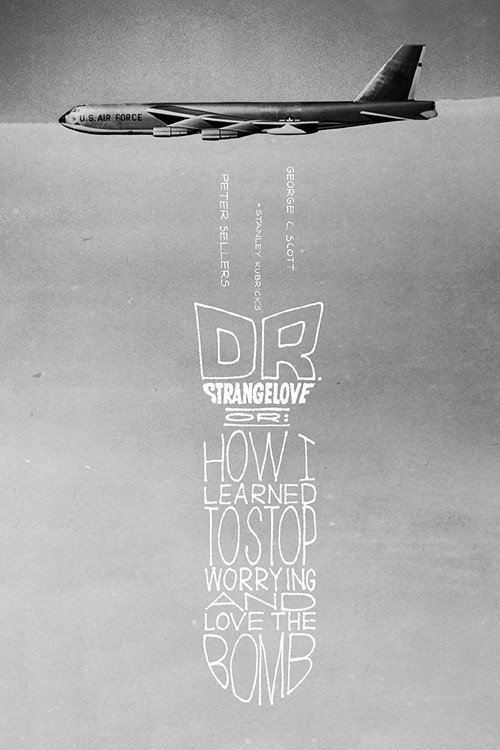
Dr. Strangelove or: How I Learned to Stop Worrying and Love the Bomb1964
Kubrick's dark comedy dissects the same nuclear horror but from the war room instead of the roadside. Both films understand that atomic apocalypse is a failure of human systems, not an act of God.
But The absurdist tone is a complete tonal shift. If you want survival tension, not satirical detachment, this will feel like a different language.
The Road2009
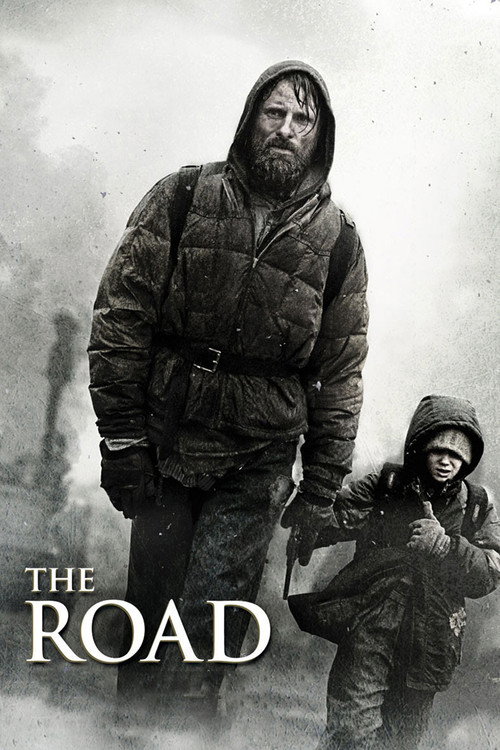
Cormac McCarthy's post-apocalyptic parable with Viggo Mortensen—a father and son moving through ash, forced into the same impossible choices. Same moral gravity, different catastrophe.
But Relentlessly bleak and slow. The child's presence makes it emotionally harder, not easier. Viewers seeking action will find it punishing.
Not sure tonight? Get a pick in a minute, starting from Panic in Year Zero!
The wildcard
Something you would not have found on your own.
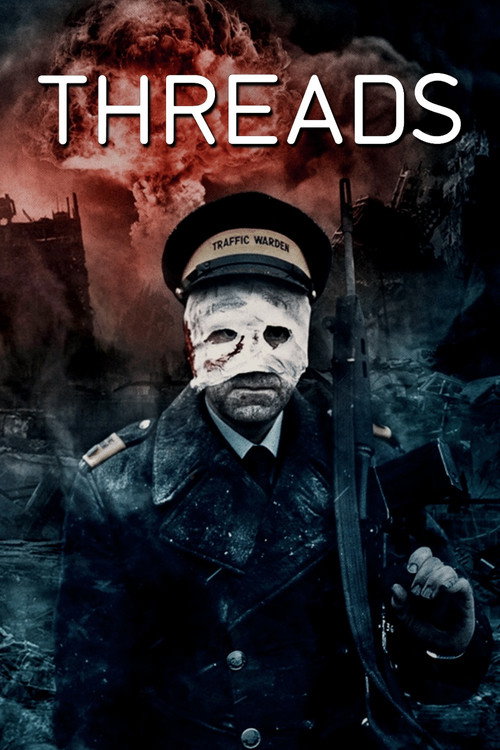
Threads1984
Both refuse the adventure-story frame for nuclear war. They show the collapse of civilization as a practical, unglamorous grind where ordinary people become unrecognizable.
A British docudrama depicting nuclear war in Sheffield with forensic horror. No escape, no heroes, no family making it out—just the physics of what a bomb does to a city and its people. The apocalypse Panic fears becomes documentary fact.
But It's brutal in a way that feels like punishment to watch. Bleak doesn't cover it. Some viewers find it too punishing to finish.
More like this (8)
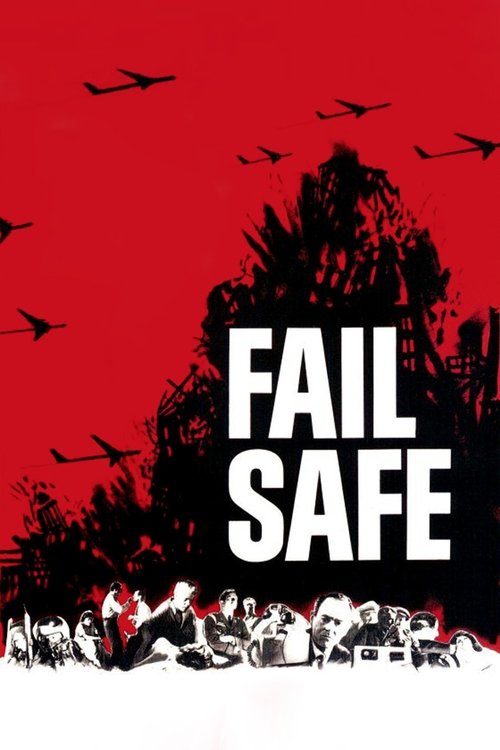
Fail Safe1964
A procedural nightmare where nuclear war happens by accident, not enemy attack. Same era, same dread about technological systems failing, but from inside the command structure watching it unfold.
But It's a chess game in a room. No outdoor survival, no family dynamic. Pure bureaucratic helplessness—which some find less involving than personal stakes.
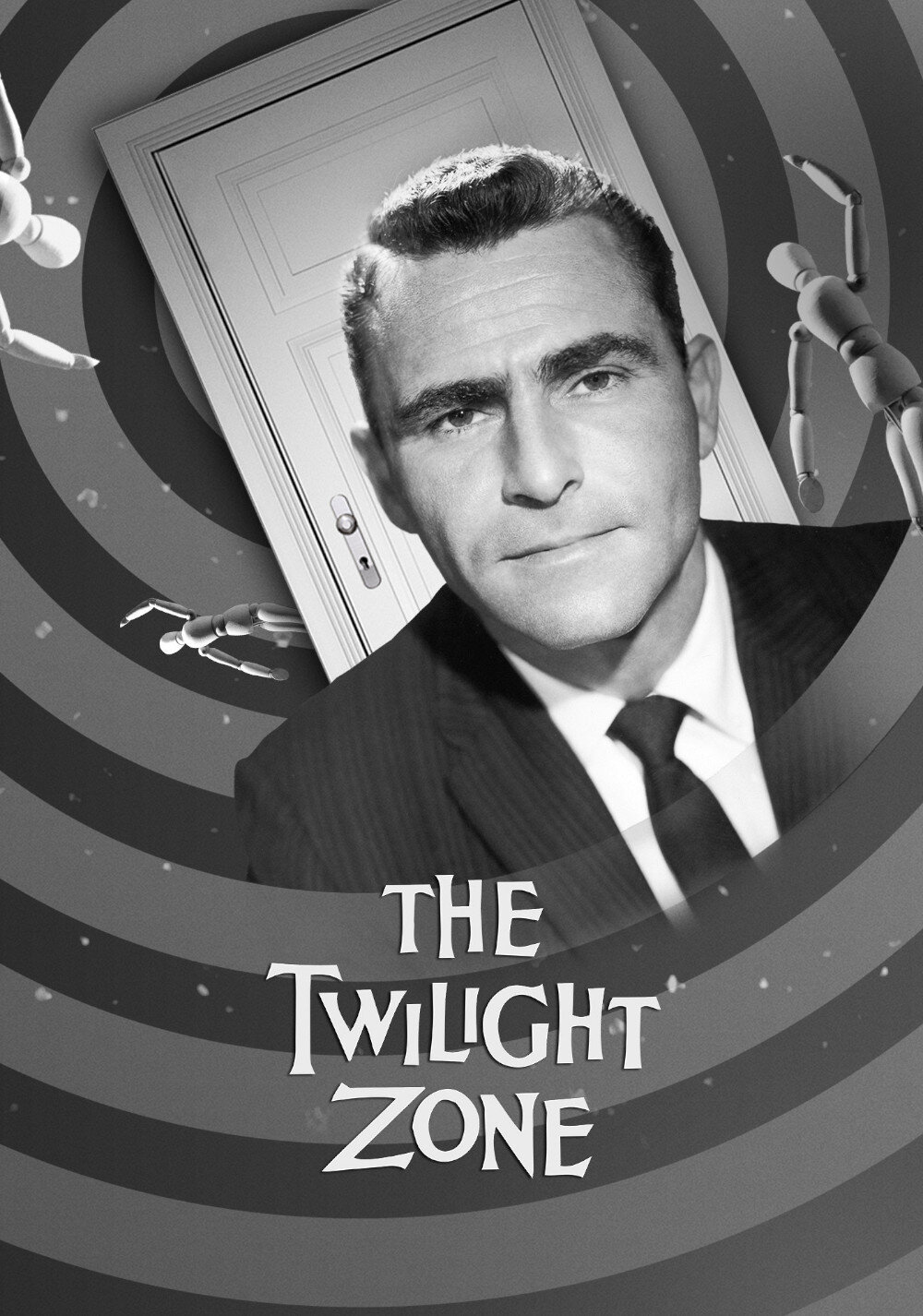
The Twilight Zone1959
Serling's anthology spent five seasons interrogating atomic-age paranoia with surgical precision. Episodes like 'Time Enough at Last' and 'The Midnight Sun' share Panic's interest in how people behave when rules disappear.
But Episodic means uneven—some stories are hokum. And the twist-ending formula can feel dated if you're not in the mood for it.
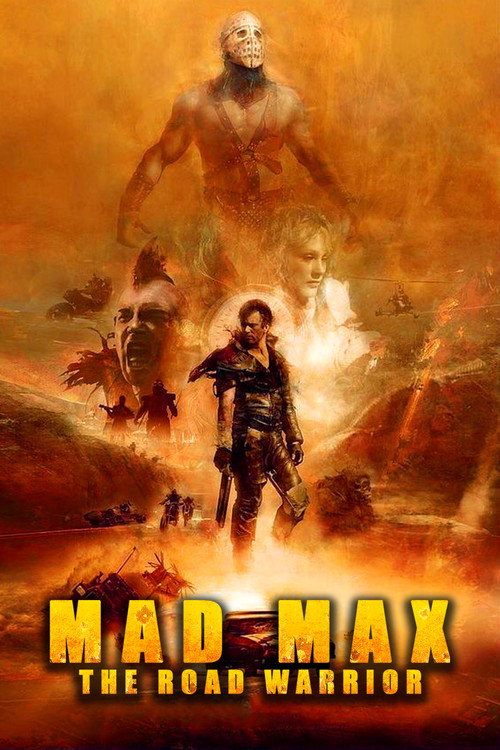
Mad Max 21981
Post-apocalyptic chaos with a taciturn father figure protecting his family's survival. Miller's film is more action-driven, but it understands the same thing: civilization is a thin membrane.
But It's operatic and kinetic where Panic is intimate and grinding. If you want realism, not mythmaking, this will feel cartoonish.
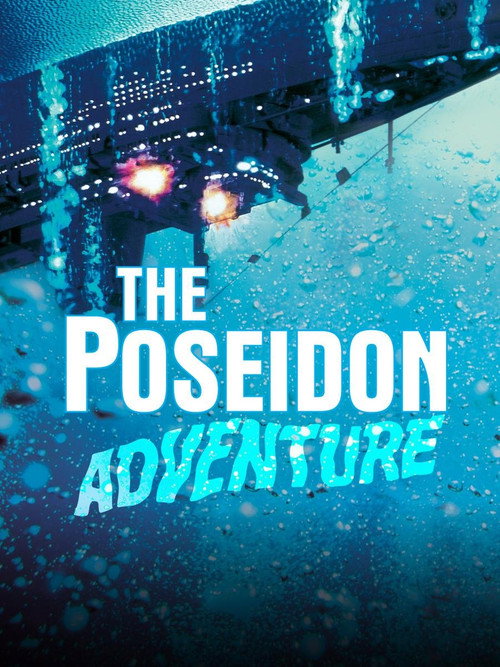
The Poseidon Adventure1972
A survival thriller where a disaster forces ordinary people into sudden, terrible choices. The ensemble cast mirrors Panic's interest in how different people respond when everything collapses.
But It's a disaster film first—spectacle and heroism matter more. The moral complexity is thinner than in Panic.
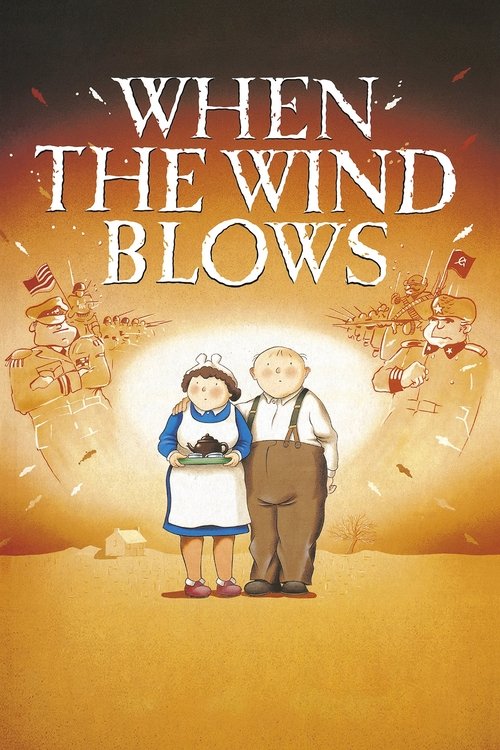
When the Wind Blows1986
An animated British film about a retired couple preparing for nuclear war with staggering naïveté. It shares Panic's refusal to look away from what atomic conflict actually means for families.
But It's animated, which softens nothing—the heartbreak is worse for it. Many find it almost unwatchable.
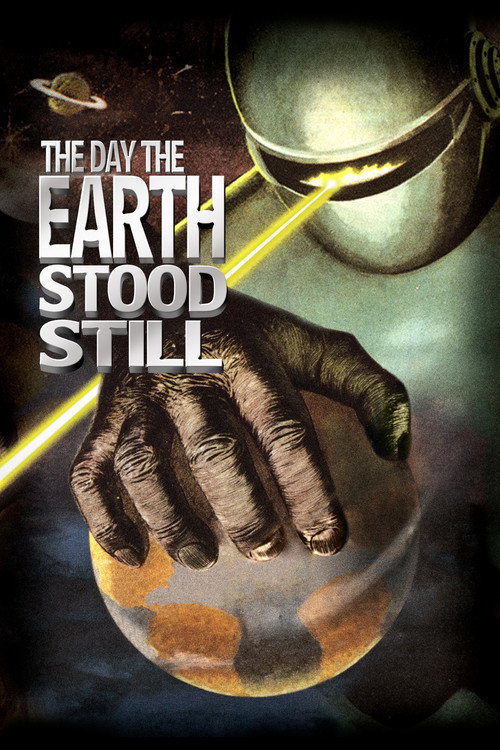
The Day the Earth Stood Still1951
Alien visitor forced to judge humanity during the atomic age. It's science fiction about the same historical moment, asking whether we deserve to survive our own weapons.
But It's more philosophical fable than thriller. If you want tension, not meditation, the pacing will feel slack.
A Boy and His Dog1975
Both understand that survival in lawless conditions strips away civilization's veneer. Both ask: what do people actually become when the rules vanish? But this one answers with real nihilism.
Harlan Ellison's adaptation about survival in a post-nuclear wasteland where a man and his dog hunt for food. It's grimy, sexual, morally corrosive—the same world as Panic but filtered through 1970s exploitation cinema and willing to go places Panic couldn't.
But It's transgressive in ways that feel dated and uncomfortable. The violence and sexual content are not ornamental. Many will find it ugly rather than compelling.

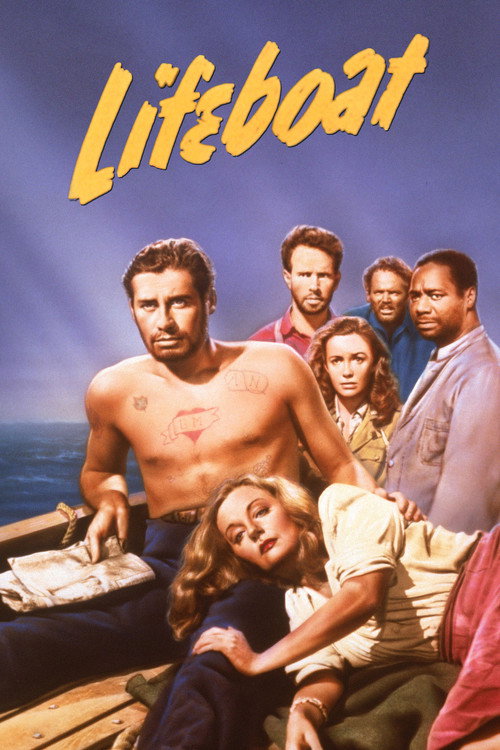
Lifeboat1944
Both trap a family (or pseudo-family) in confined circumstances and watch how desperation rewrites human behavior. Both understand that the real threat is the people in the boat, not the danger outside.
Hitchcock's locked-room thriller set in a lifeboat after a shipwreck—a microcosm of society where trust evaporates and resources vanish. The same claustrophobic examination of human nature under extreme scarcity, just at sea instead of in the hills.
But It's wartime propaganda wrapped in a thriller, and the ideology can feel heavy-handed. Also much slower than you'd expect from Hitchcock.
People
Cast
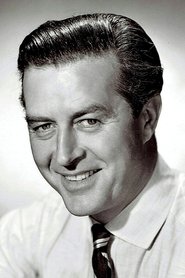 Ray MillandHarry Baldwin
 Jean HagenAnn Baldwin
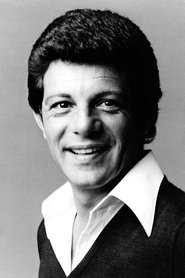 Frankie AvalonRick Baldwin
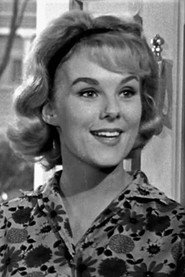 Mary MitchelKaren Baldwin
 Joan FreemanMarilyn Hayes
 Richard BakalyanCarl
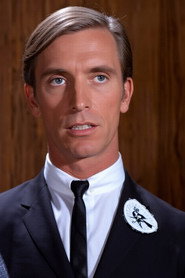 Rex HolmanMickey
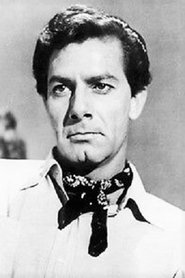 Richard GarlandEd Johnson
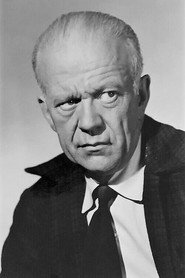 Willis BoucheyDr. Powell Strong
 Neil BurstynAndy
 O.Z. WhiteheadHogan
 Russ BenderHarkness
Directing
- James EngleAssistant Director
- Ray MillandDirector
Writing
- Jay SimmsScreenplay
- John MortonScreenplay
- Jay SimmsStory
Production
- James H. NicholsonExecutive Producer
- Samuel Z. ArkoffExecutive Producer
- Arnold HoughlandProducer
- Lou RusoffProducer
- Bartlett A. CarréProduction Supervisor
- Robert AgnewUnit Manager