
Film
X: The Unknown
A creature born from radiation emerges from a Scottish fissure to feed on energy, leaving a trail of burned victims and baffled officials. Tense, tactile 1950s sci-fi: all shadow and Geiger counters, with an American scientist and a dogged British inspector racing to stop something they barely understand. For anyone who loves their monsters mysterious and their paranoia earned.
Should you watch it?
Watch it if you enjoy slow-building 1950s British science fiction where the dread comes from methodical detective work and a creature glimpsed in fragments rather than constant action.
Skip it if you want brisk monsters and modern effects; the creature work is cheap by today's standards and the middle stretch leans on talky investigation between the scares.
What it asks of you: Around eighty minutes, unhurried at first, with patience for procedural dialogue and a grimy, lamplit atmosphere before the pace picks up.
Not sure? Find tonight's pick in a minute.
If you liked this
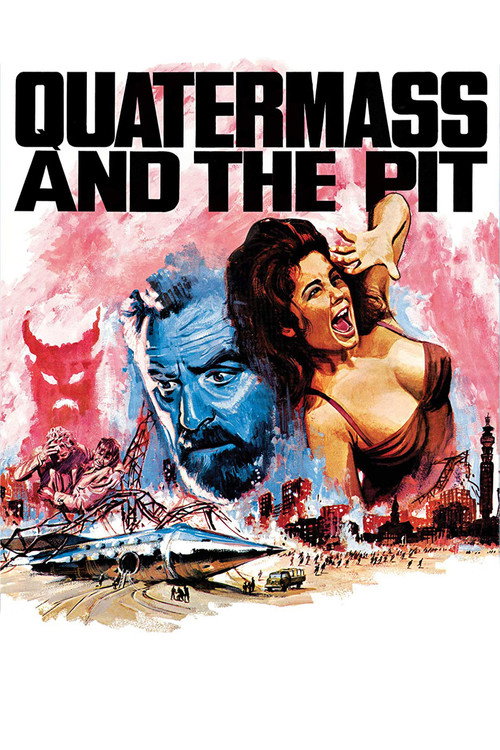
Quatermass and the Pit1967
British sci-fi at its finest: a buried spacecraft, unexplained phenomena, and that same creeping dread. The mystery unfolds methodically, the fear is psychological, and the payoff respects your intelligence.
But Nearly two and a half hours, and the pacing is deliberately slow. The climax is abstract rather than visceral, which some find frustrating.
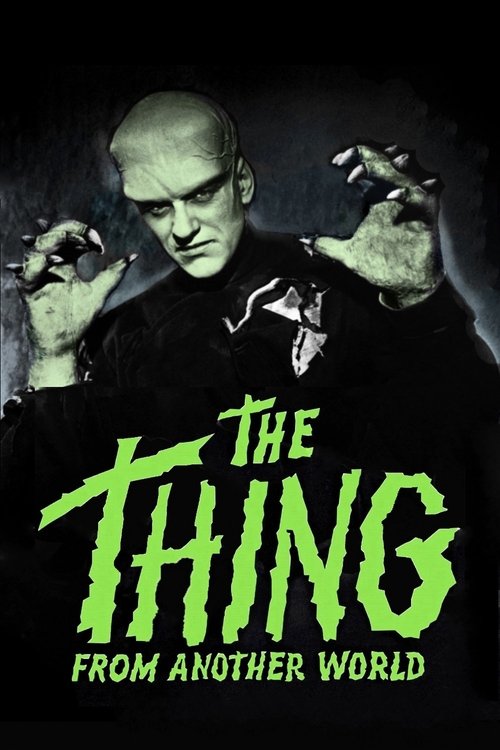
The Thing from Another World1951
An invisible, shape-shifting threat stalking men in an isolated base. The paranoia is suffocating, the cat-and-mouse logic is airtight, and the ensemble cast does terrified competence brilliantly.
But Very much a product of Cold War politics—the metaphor is blunt and the female characters are sidelined. It's also more action than mystery.
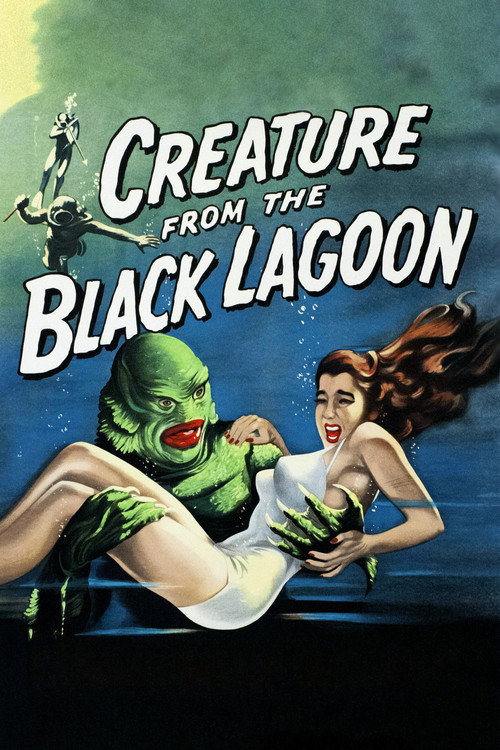
Creature from the Black Lagoon1954
A monster that earns its presence: graceful underwater sequences, genuine atmosphere, and a design that still holds up. The mystery of what it is and where it came from drives everything.
But The human drama is thin, the dialogue is stilted, and the monster's behaviour sometimes defies its own logic.
Not sure tonight? Get a pick in a minute, starting from X: The Unknown
The wildcard
Something you would not have found on your own.
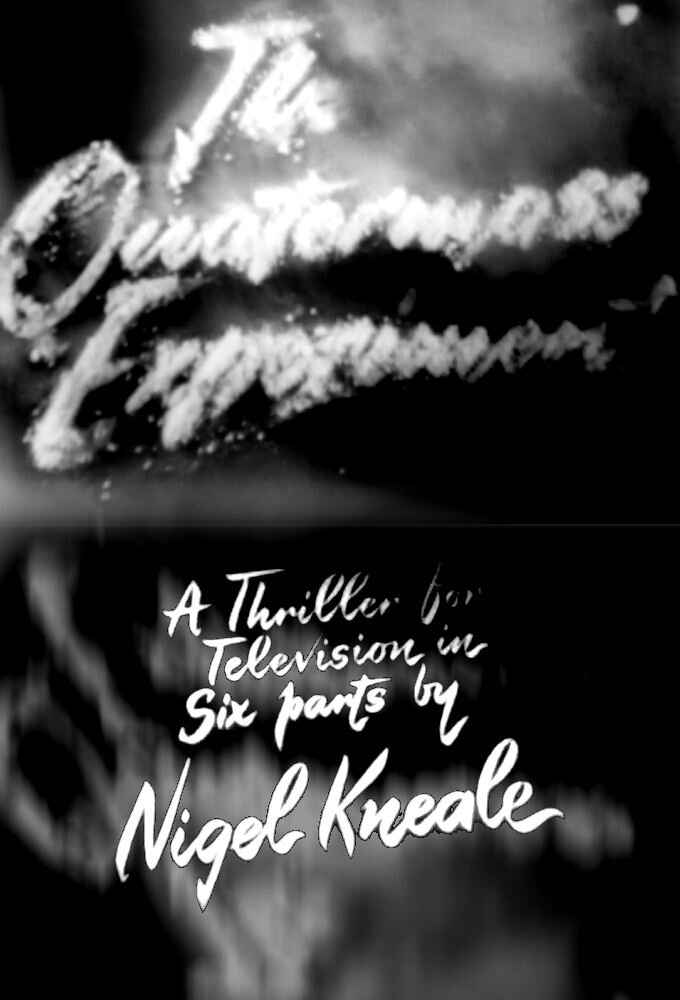
The Quatermass Experiment1953
Rialto Films restored both this and X for theatrical release in the 2010s—they're spiritual siblings in Hammer/Exclusive's vision of British sci-fi as paranoid, procedural, and rooted in the texture of real panic.
A live BBC serial about a returning spaceship and its contaminated crew—Britain's answer to American sci-fi, made for television when that meant something raw and unstable. Six episodes of escalating cosmic horror, transmitted live, with the paranoia of contagion and the unknown woven into the grain.
But Survive on reputation and scripts alone; most episodes are missing, and what remains is sometimes just audio or reconstructions. The pacing is glacial by modern standards.
More like this (7)
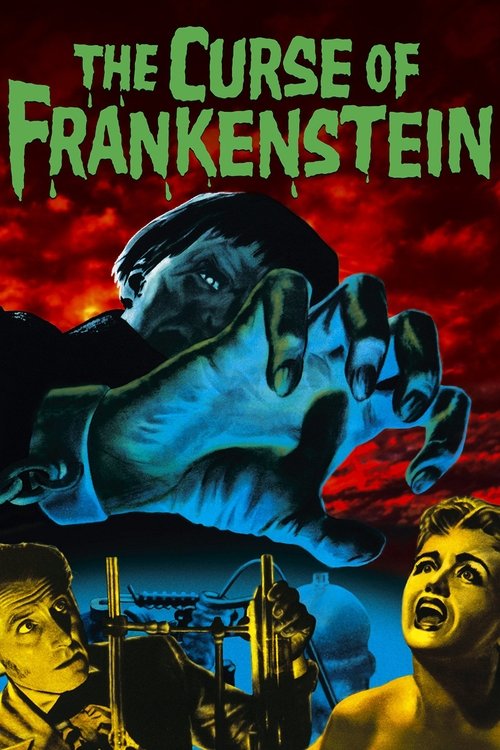
The Curse of Frankenstein1957
Hammer's breakthrough: colour, gore, and psychological cruelty replacing Universal's gothic restraint. Peter Cushing is hypnotic as a scientist consumed by his own ambition, and the atmosphere is claustrophobic and rich.
But The monster itself is frankly disappointing—barely on screen. And if you find body horror distressing, this pushes buttons.
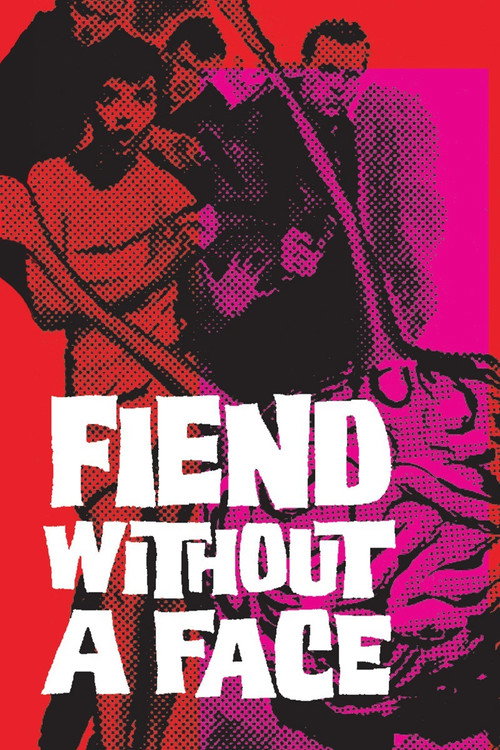
Fiend Without a Face1958
A Canadian gem about invisible creatures made visible by radiation. The stop-motion sequences are genuinely unsettling, the logic is sound, and it builds dread through restraint before unleashing chaos.
But The climax is visceral and grotesque in a way that turns some people off. And it's deeply, anxiously anti-nuclear in ways that feel dated to modern ears.
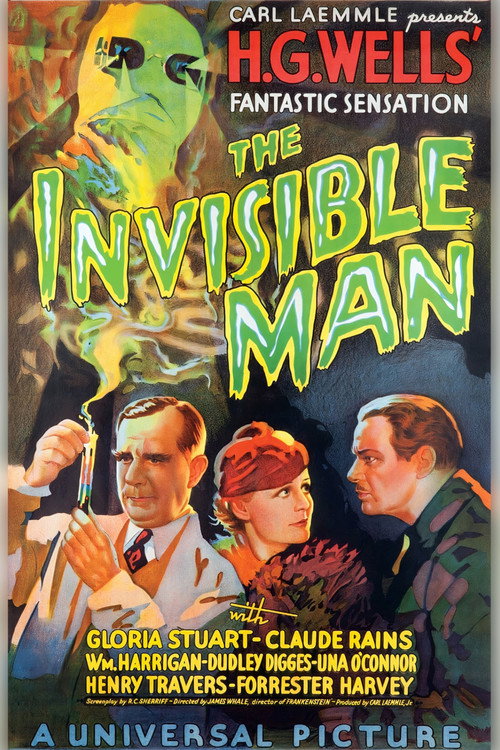
The Invisible Man1933
The source text for every invisible-threat film that followed. James Whale's direction is playful and vicious, the special effects are inventive, and Claude Rains is mesmerizing as a man unmoored by his own power.
But It's ninety years old and shows it—the pacing is theatrical and some of the humour undercuts the horror. The science is nonsense.
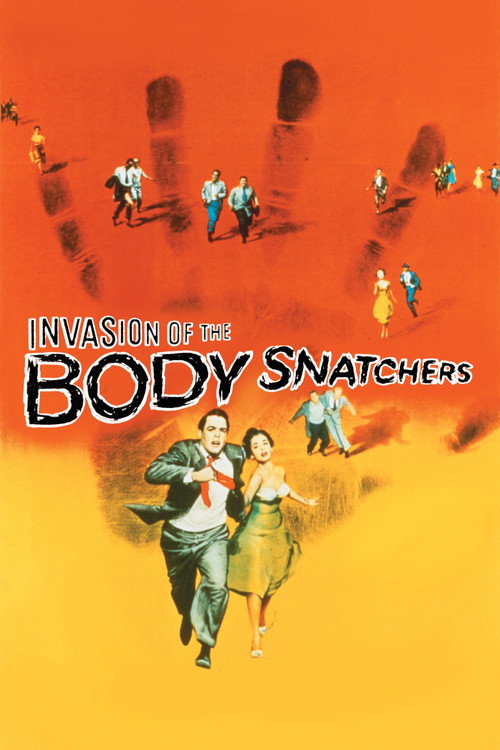
Invasion of the Body Snatchers1956
Released the same year, same paranoid spirit: a threat that mimics the familiar and turns society inside out. Tense, intelligent, and genuinely frightening because the monster is us.
But If you've seen the remake or know the twist, the original's power diminishes. And it's a little talky by modern standards.
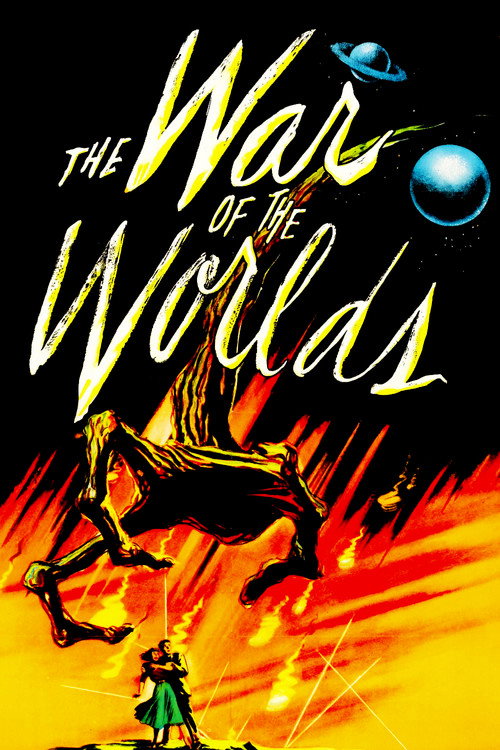
The War of the Worlds1953
A vastly superior adaptation of Wells, with colour, scale, and genuine awe. The Martians are unknowable and unstoppable, the panic is contagious, and the finale is surprisingly moving.
But The middle sags badly. And the religious resolution will either resonate or jar, depending on your patience for 1950s moralizing.
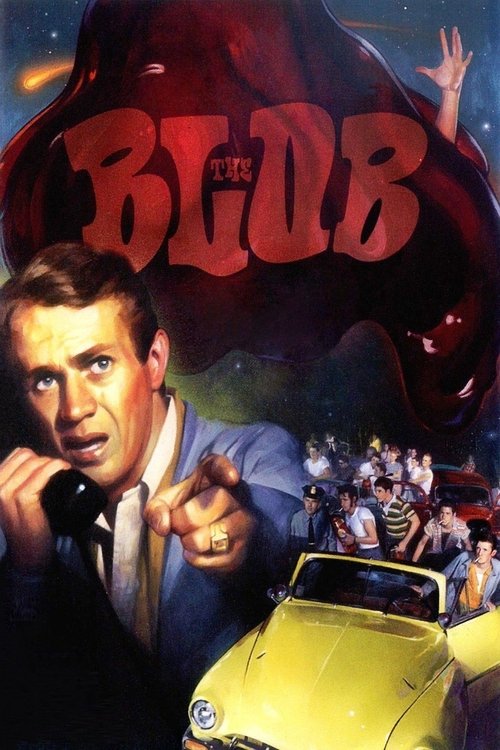
The Blob1958
Both films pit rational investigators against a thing that breaks the rules of biology. But where X is austere and grey, The Blob is lurid and alien—same engine, totally different register.
An American B-movie about a gelatinous extraterrestrial consuming a small town. Absurd on the surface, genuinely unsettling in execution: the monster is truly alien (it has no anatomy to understand), it cannot be negotiated with or reasoned away, and the film lets ordinary people be terrified and largely helpless.
But The politics are aggressively conventional; the teenage characters exist to remind you about rock and roll. It's campy in a way that undermines the threat.
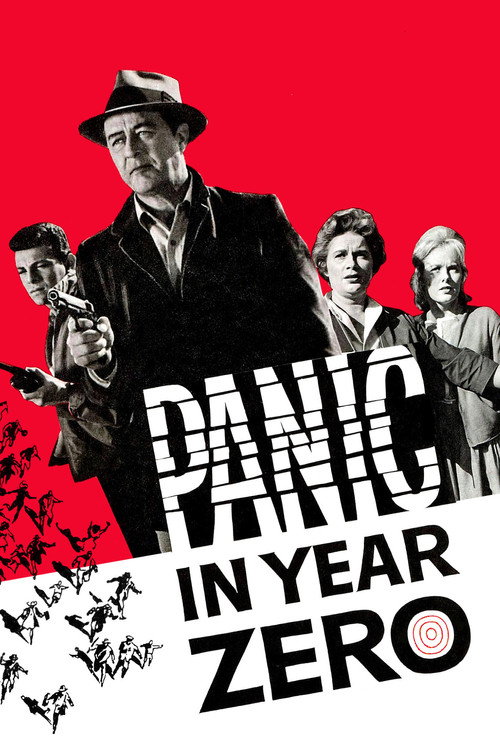
Panic in Year Zero!1962
Same era, same atomic anxiety, same belief that the real monster is invisible and spreading. But where X is about a creature feeding on radiation, this is about radiation feeding on a marriage and a conscience.
Ray Milland directs and stars in a film about a family fleeing atomic fallout into the California desert. It's a procedural survival film with science-fiction dressing, tense and claustrophobic, about ordinary people making impossible choices. The horror is social and moral, not creature-based, but the paranoia is total.
But The gender politics are retrograde—the women exist to be protected. The pacing drags in the middle and the dialogue is functional. It's bleak in ways that feel opportunistic now.
People
Cast
 Dean JaggerDr. Adam Royston
 Leo McKernInspector McGill
 William LucasPeter Elliott
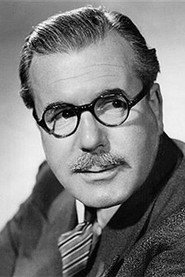 Edward ChapmanJohn Elliott
 John HarveyMaj. Cartwright
 Michael RipperSgt. Harry Grimsdyke
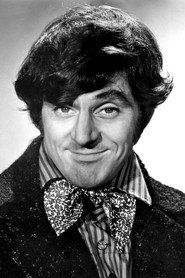 Anthony NewleyLCpl. 'Spider' Webb
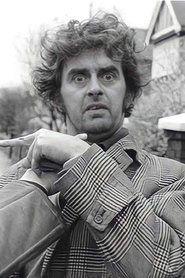 Ian MacNaughtonPvt. Haggis
 Peter HammondLt. Bannerman
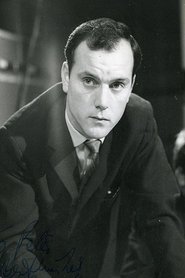 Kenneth CopePvt. Lansing
- Michael BrookeWillie Harding
 Frazer HinesIan Osborn
Directing
- Christopher SuttonAssistant Director
- June RandallContinuity
- Leslie NormanDirector
Writing
- Jimmy SangsterScreenplay
- Jimmy SangsterStory
Production
- Michael CarrerasExecutive Producer
- Anthony HindsProducer
- Jimmy SangsterProduction Manager
Recommended by
The Blob, Quatermass II, The Giant Behemoth, The Trollenberg Terror, The Unearthly