
Film
The Trollenberg Terror
A 1958 British sci-fi horror film about mysterious disappearances near a Swiss Alpine observatory, blamed on a strange radioactive cloud. It's got genuine atmosphere, practical creature effects that still unsettled people in 1958, and a smart premise that unfolds slowly. For fans of creature features who appreciate restraint and mood over spectacle.
If you liked this
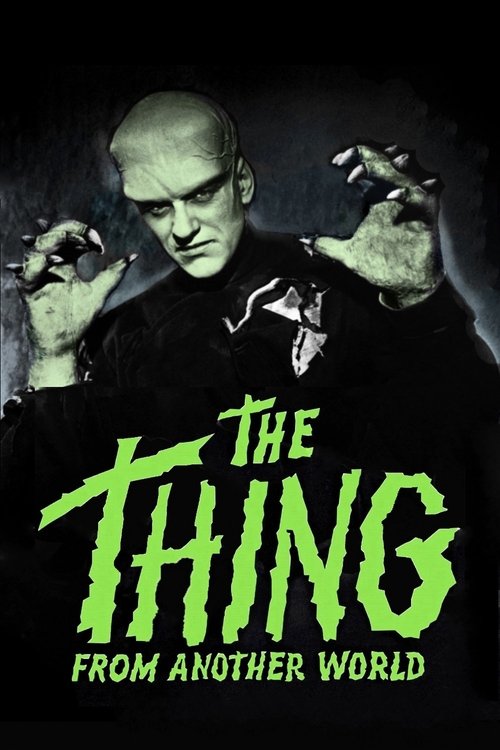
The Thing from Another World1951
Howard Hawks' prototype alien-invasion thriller: claustrophobic, tense, and driven by the question of who or what you can trust. If you like Trollenberg's isolated-base setup, this is where it came from.
But The pacing is glacial by modern standards, and the creature itself stays mostly hidden—which is intentional but asks patience.
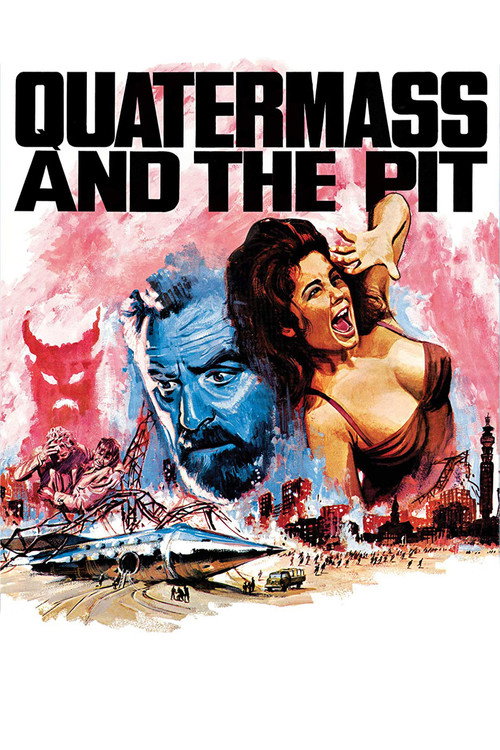
Quatermass and the Pit1967
British sci-fi horror at its absolute peak: a construction crew unearths something ancient and wrong beneath London. Same era, same sensibility, with a script that trusts the audience to follow a genuinely weird idea.
But It's slow-burn cerebral, not action-driven. The final act gets operatic in a way that either lands or doesn't.
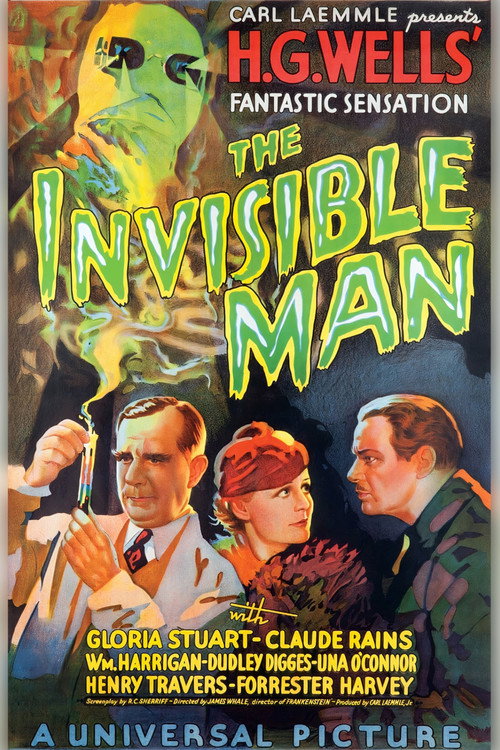
The Invisible Man1933
James Whale's masterpiece of suspense and special effects wizardry. A man becomes invisible and absolutely loses his mind—it's horror as tragedy, with genuine dread underneath the spectacle.
But It's 1933, so expect some dated attitudes and a slower rhythm than you might want from your creature features.
Not sure tonight? Get a pick in a minute, starting from The Trollenberg Terror
The wildcard
Something you would not have found on your own.
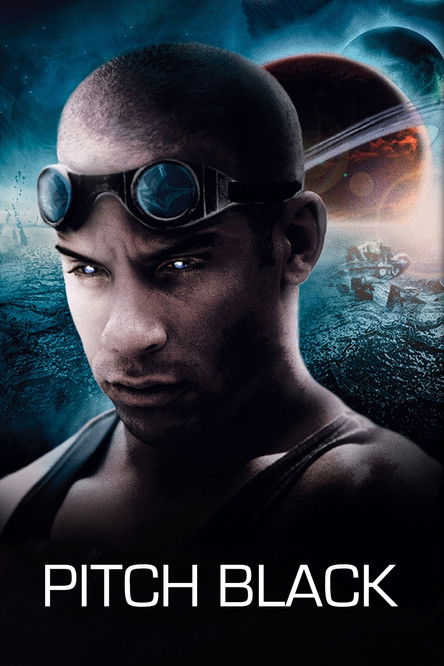
Pitch Black2000
Both build dread through environmental mystery: the threat is inhuman and indifferent, and survival hinges on understanding what you're actually dealing with.
What Trollenberg does with cloud, Pitch Black does with darkness—a mystery that slowly reveals itself as something far worse than expected. Vin Diesel in a creature feature that actually has ideas. Same engine of dread, different era and tone.
But It's aggressively late-90s action cinema, with quips and kinetic editing that's the opposite of Trollenberg's restraint.
More like this (8)
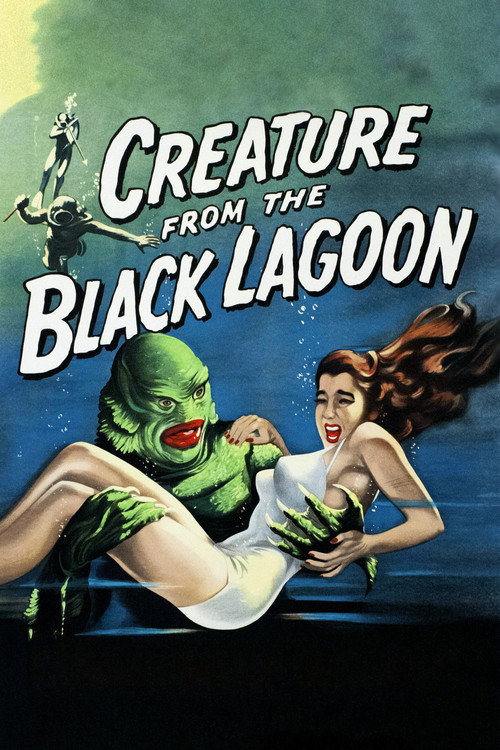
Creature from the Black Lagoon1954
A dive into a mysterious lagoon goes catastrophically wrong. Gorgeous cinematography, a sympathetic monster, and the sense that we're intruding on something that was fine until we showed up.
But The creature design is iconic but the plot is straightforward, and it plays things remarkably safe for how imaginative the setup is.
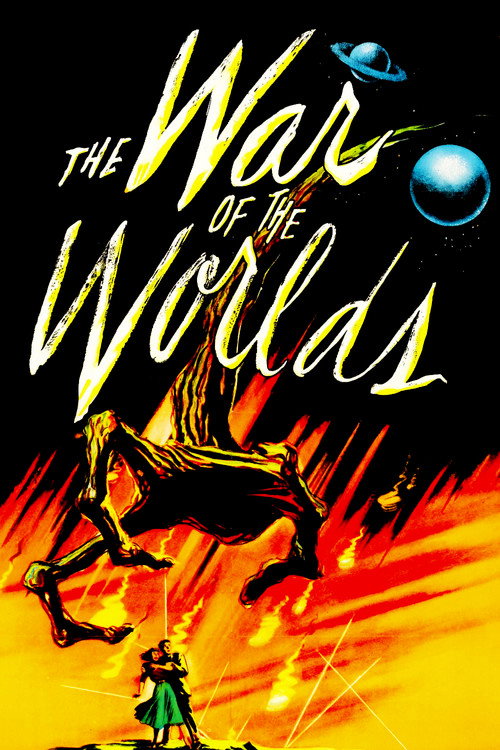
The War of the Worlds1953
Spielberg-before-Spielberg: Welles' adaptation is less about Martians and more about how civilization crumbles the moment something unknowable appears. Visually stunning and genuinely apocalyptic.
But It's more about atmosphere and scale than character. If you need humans to root for, this might feel distant.
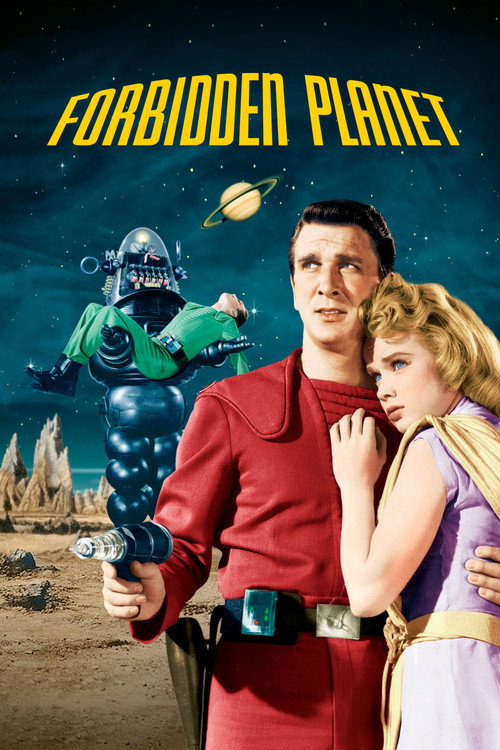
Forbidden Planet1956
Shakespeare's The Tempest remade as space opera with a real monster, real tension, and Robby the Robot stealing every scene he's in. It's smart science fiction with genuine menace lurking underneath.
But It's glossy 1950s optimism wrapped around a darker story, which creates a tonal weirdness some find jarring.
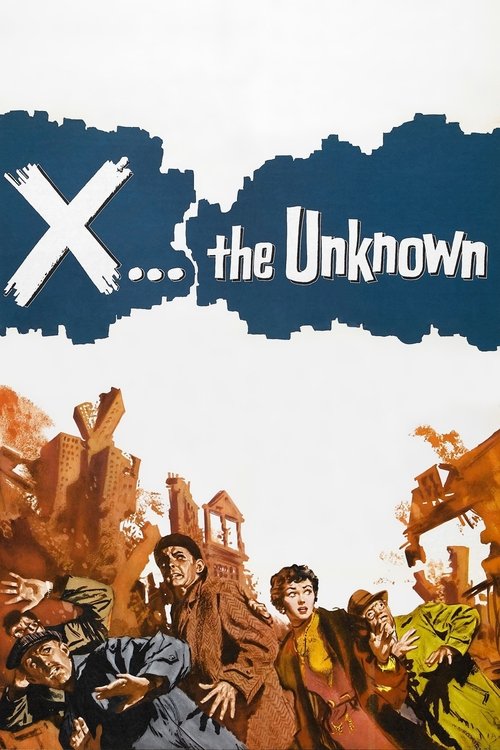
X: The Unknown1956
Hammer Films' answer to The Quatermass Experiment: a radioactive entity emerges from the Scottish earth and hunts anything warm-blooded. Lean, nasty, and faster-paced than Trollenberg.
But The creature is mostly invisible, so you're watching characters react to something off-screen. Low budget means limited spectacle.
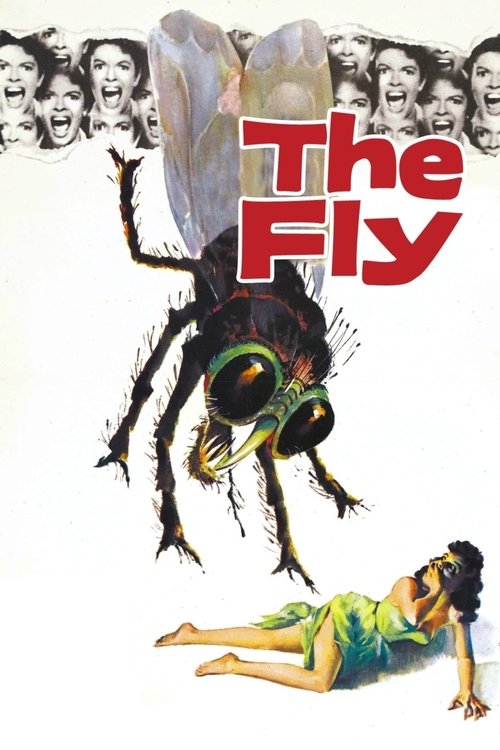
The Fly1958
Released the same year as Trollenberg. A scientist's teleportation experiment goes catastrophically wrong—it's body horror played straight, genuinely unsettling, with a script that earns your sympathy.
But The transformation scenes are grotesque in a way that some find exploitative rather than tragic.
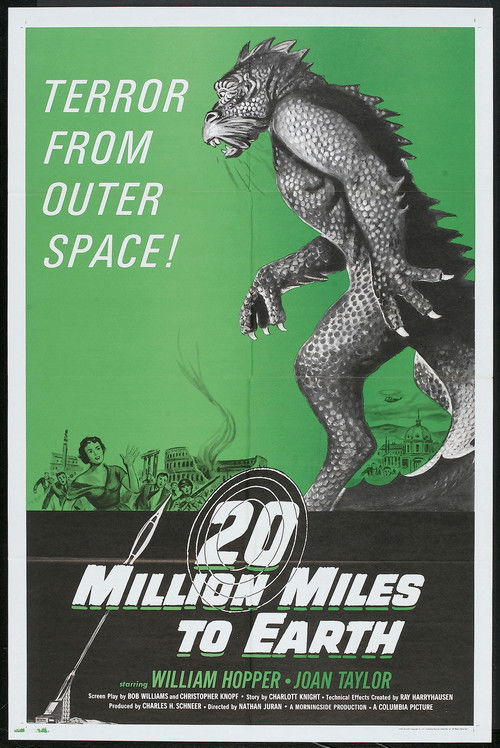
20 Million Miles to Earth1957
A creature from Venus crashes to Earth and grows to enormous size. It's got Ray Harryhausen stop-motion effects, real atmosphere, and an interestingly sympathetic take on the monster.
But The plot is thin even by monster-movie standards, and it exists largely as a vehicle for the effects sequences.
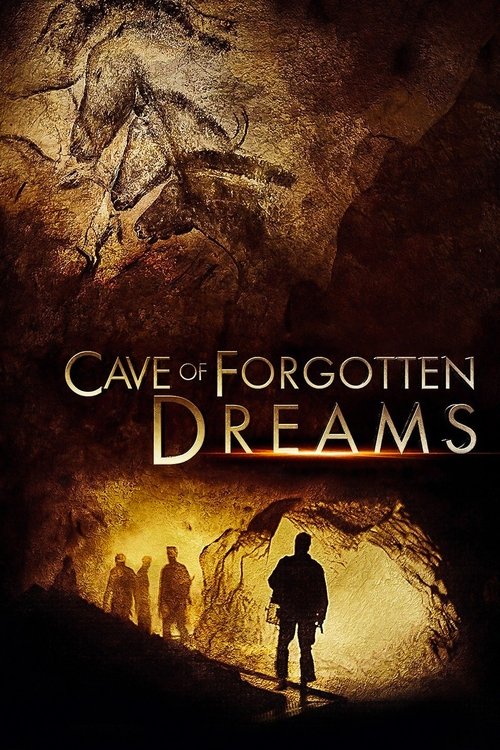
Cave of Forgotten Dreams2010
Both are about confronting something ancient and alien to human understanding—encountering otherness that rewrites what we thought we knew.
Werner Herzog documents the world's oldest cave paintings in 3D. It's not a creature feature—it's something far stranger: the record of human consciousness awakening 32,000 years ago. Eerie, hypnotic, philosophically unsettling.
But It's a documentary essay, not narrative. Herzog's voiceover is beautiful but idiosyncratic, and if you wanted monsters, this offers something harder to categorize.
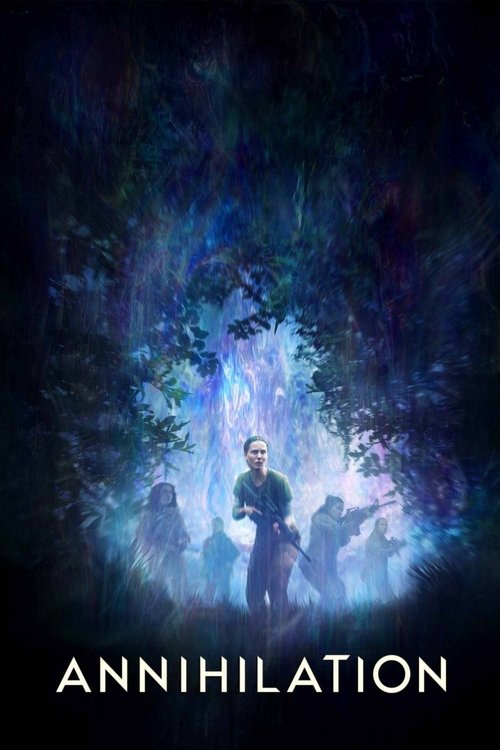
Annihilation2018
Both films trust silence and visual mystery over exposition. The threat is unknowable because it *is* alien—not a person in a suit, but something that operates by rules we can't quite grasp.
A mysterious shimmer has taken over a zone. A team goes in to investigate. It's sci-fi horror that treats the premise with absolute seriousness: a slow-unfolding nightmare about mutation and loss of self.
But It's cryptic and weird in a way that frustrates people wanting answers. The ending is deliberately unsatisfying, which some see as bold and others as withholding.
People
Cast
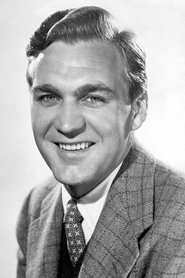 Forrest TuckerAlan Brooks
 Jennifer JayneSarah Pilgrim
 Janet MunroAnne Pilgrim
 Laurence PaynePhilip Truscott
 Warren MitchellProf. Crevett
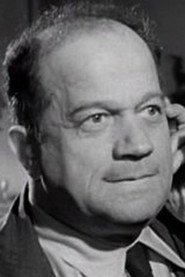 Frederick SchillerMayor Klein
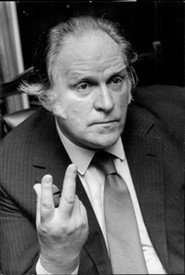 Colin DouglasHans
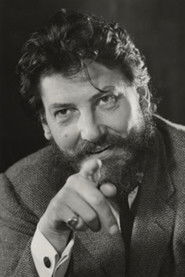 Andrew FauldsBrett
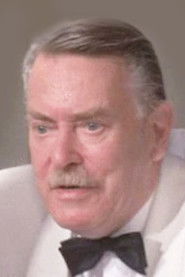 Stuart SaundersDewhurst
- Derek SydneyWilde
- Richard GoldingFirst Villager
- George HerbertSecond Villager
Directing
- Norman HarrisonAssistant Director
- Yvonne RichardsContinuity
- Quentin LawrenceDirector
Writing
- Jimmy SangsterScreenplay
- George F. KerrStory
- Giles CooperStory
- Jack CrossStory
Production
- Monty BermanProducer
- Robert S. BakerProducer
- Charles PermaneProduction Manager
- Ronald LilesProduction Supervisor