
Film
Cave of Forgotten Dreams
- Slow-burning
Werner Herzog descends into the Chaucer Cave to film the oldest known human art—32,000-year-old paintings in their pristine darkness. It's a trance-like experience: cave acoustics, flickering torchlight, Herzog's hypnotic narration, and the unsettling recognition that human hands made these. Profound and intimate, less about archaeology than encountering consciousness across millennia.
Should you watch it?
Watch it if you love documentaries that treat a single place as a character, and you want a patient, almost meditative look at ancient art, with Herzog's wondering narration guiding you through the dark.
Skip it if you need brisk pacing or plenty of talking heads, since long stretches simply drift through the cave with the camera and the lingering silences can feel like a test of patience.
What it asks of you: Ninety minutes of unhurried watching, with long quiet passages and little urgency; it rewards attention to texture and atmosphere rather than a steady stream of information.
Not sure? Find tonight's pick in a minute.
If you liked this
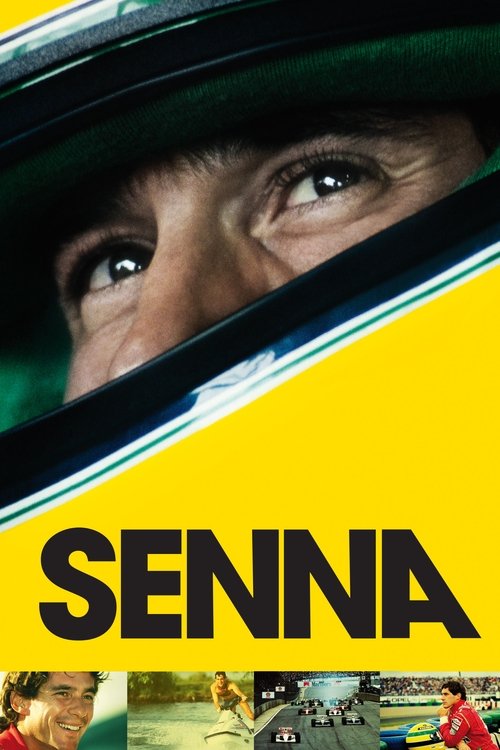
Senna2010
Asif Kapadia's portrait of obsession and excellence uses archive footage like Herzog uses cave chambers—as containers for something ineffable about human drive and mortality. Deeply moving without sentiment.
But It's about Formula 1, which you may not care about. The rhythmic editing can feel mannered if you're not in the right headspace.
The Act of Killing2012
Joshua Oppenheimer creates a space where perpetrators of genocide confront themselves through theatrical reconstruction. Formally inventive and morally urgent, it builds toward devastating understanding.
But It's extremely difficult viewing—extended scenes of violence reenacted, and the weight of what you're watching becomes claustrophobic. Not cathartic.

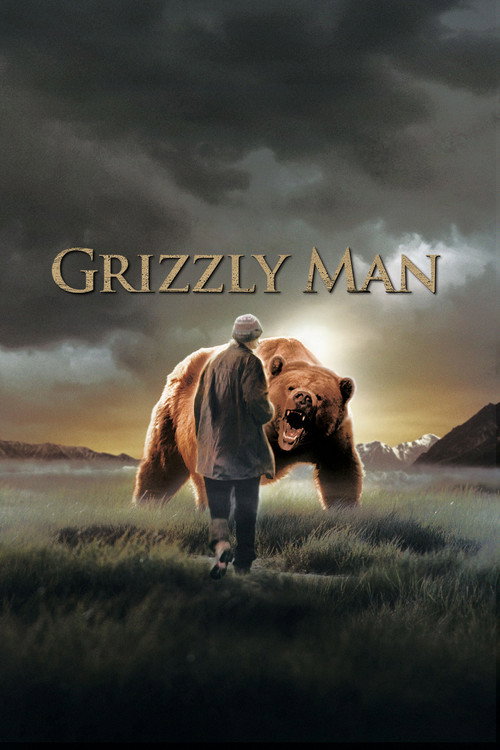
Grizzly Man2005
Herzog investigates a man who lived among bears and was killed by them. It's a study in obsession and delusion, tender and horrifying, narrated by Herzog himself with that particular mixture of wonder and dread.
But The premise invites a certain macabre curiosity that the film partly satisfies and partly resists. Some may find it exploitative.
Not sure tonight? Get a pick in a minute, starting from Cave of Forgotten Dreams
The wildcard
Something you would not have found on your own.
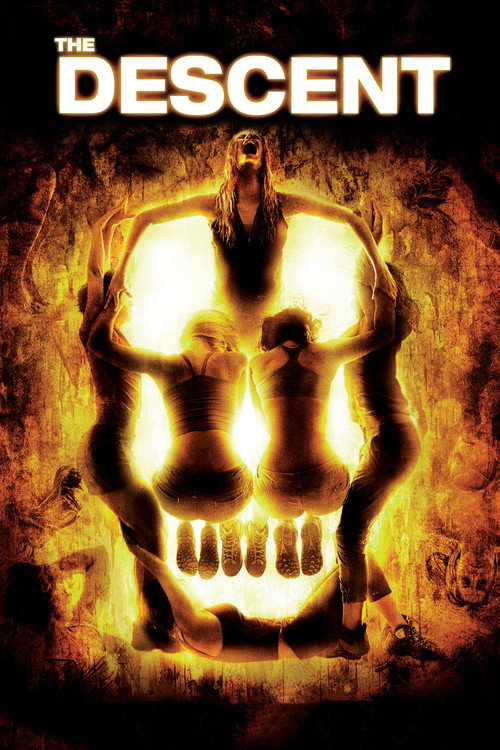
The Descent2005
Both films understand caves as a threshold—Herzog to the human past, Marshall to primal fear. Both use darkness and confinement as more than backdrop: as the actual subject. Where Herzog whispers, Marshall screams, but both are asking what we find when we descend.
Neil Marshall traps a group of women inside an unmapped cave system where claustrophobia and horror become inseparable. It's genre filmmaking that respects its setting as a character—texture, darkness, the weight of stone.
But It's a creature-feature horror film with genuine gore. If you came to *Cave of Forgotten Dreams* for reverence, this inverts that into terror.
More like this (8)
Stalker1979
Andrei Tarkovsky's sci-fi pilgrimage through a mysterious zone is meditative and hypnotic—long takes, philosophical dialogue, the sense of approaching something sacred. It trusts the viewer completely.
But At 163 minutes with minimal plot momentum, it demands absolute patience. The slowness will feel like punishment if you're not aligned with his aesthetic.

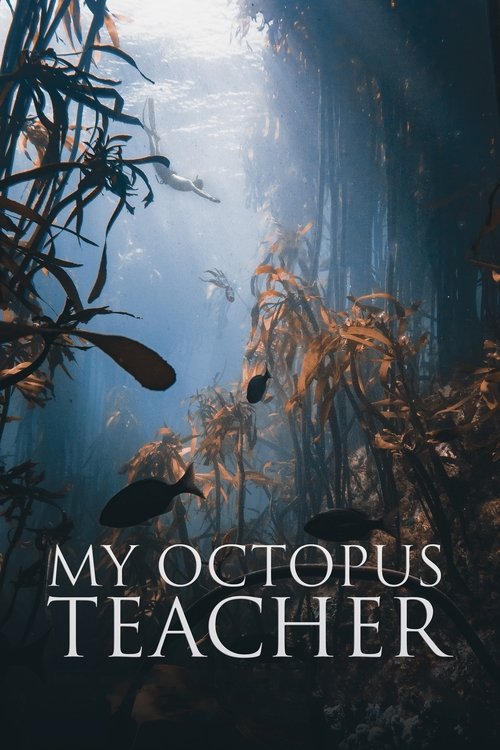
My Octopus Teacher2020
A filmmaker develops a year-long relationship with a wild octopus in a South African kelp forest. Visually gorgeous and genuinely moving without treacle, it captures the sublime in the everyday.
But The personal essay framework can feel slight if you're after documentary rigor. Some will find the emotional tone precious.
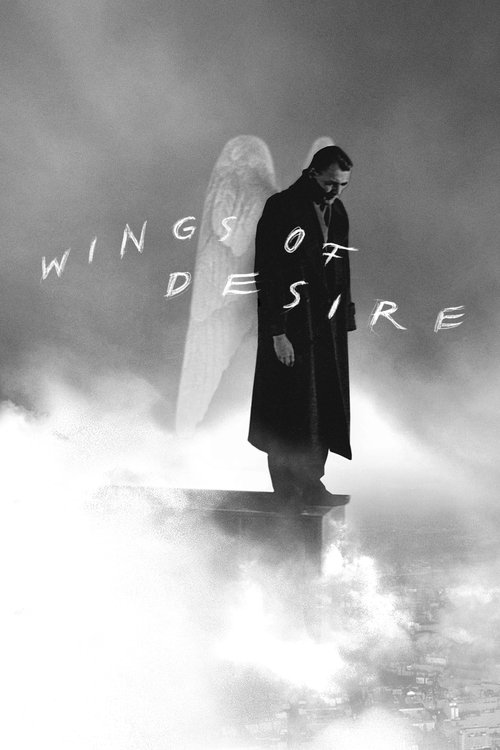
Wings of Desire1987
Wim Wenders observes Berlin through the eyes of angels—philosophical, tender, suffused with longing. It's about attention itself, about what it means to witness. Gorgeous black-and-white cinematography.
But It's oblique and unhurried. The angelology might feel pretentious. Long stretches have no conventional plot.
The Ascent1977
Larisa Shepitko's stunning color film follows two Soviet partisans through a snowy landscape toward spiritual reckoning. Mythic and intimate, formally perfect, devastatingly sad.
But It's slow and wordless for stretches. The religious imagery may alienate viewers uncomfortable with that register.

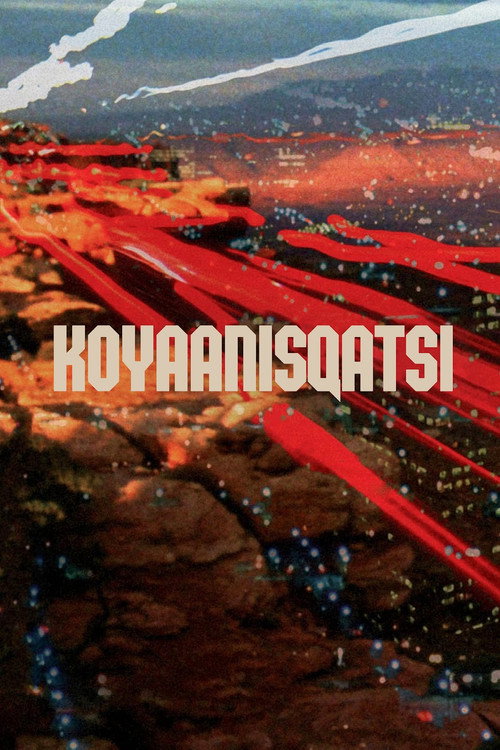
Koyaanisqatsi1983
Ron Fricke's wordless visual poem uses hyperlapse and time-lapse to show modern civilization as an overwhelming, often beautiful, often terrifying system. Philip Glass's score is inseparable from the experience.
But There's no narrative, no characters, minimal context. If you need story scaffolding, this will feel like watching screensavers for 87 minutes.
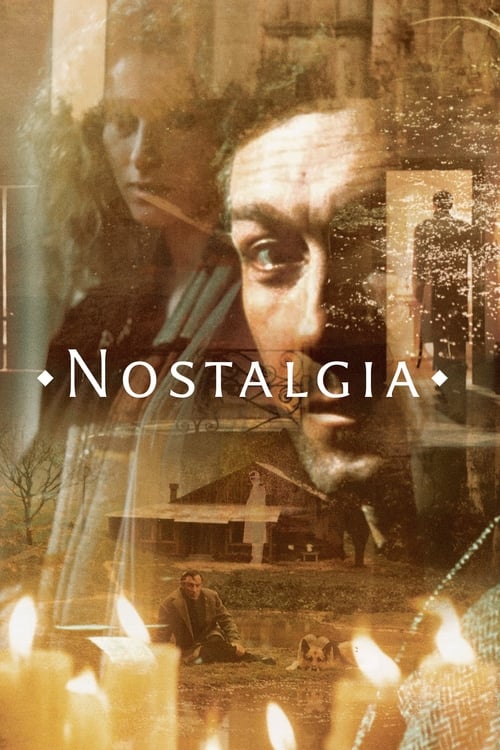
Nostalgia1983
Tarkovsky's meditation on memory, faith, and creative paralysis unfolds in Italy and Russia. Formally audacious—the final shot alone justifies the entire journey. A masterwork for patient viewers.
But It's 163 minutes of slow revelation. The emotional landscape is interior. Many will find it impenetrable or pretentious.
Strip the Cosmos2014
Both are meditation-documentaries about human insignificance and wonder in the face of deep time. Herzog points backward to the earliest humans; Tyson points outward and upward. Both suggest that understanding our smallness is the point, not a depressing conclusion.
Neil deGrasse Tyson's reboot of Carl Sagan's series searches for cosmic perspective and human significance across 13 luminous episodes. Formally inventive, conceptually thrilling, accessible without condescension.
But It's mainstream science television. Some purists prefer Sagan's original. The tone is occasionally sentimental about humanity's place in things.
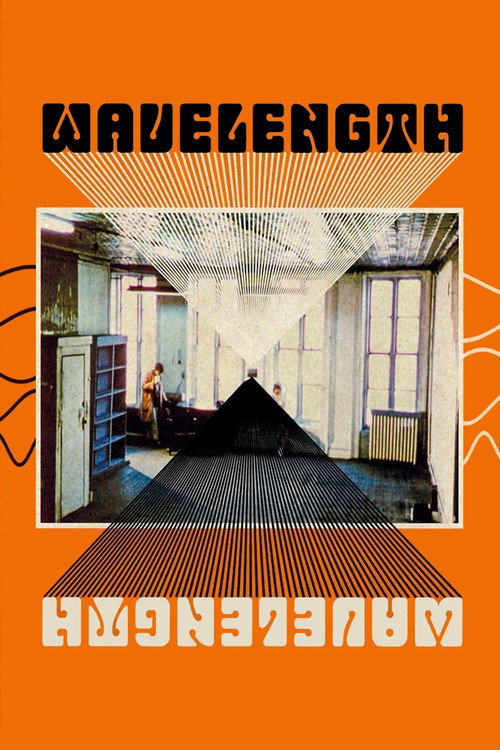
Wavelength1967
Both films make durational experience their subject. Herzog asks you to sit in darkness and witness. Snow asks you to watch a single space transform through time. Neither offers narrative rescue. Both are about presence and attention—what happens to consciousness when you refuse to look away.
Michael Snow's 45-minute camera zoom across a loft is conceptual art that becomes hypnotic and emotional. A locked viewpoint for which a human figure moves, dies, exists—it's about cinema itself and duration and forgetting.
But It's a experimental film with almost no conventional content. The zoom is deliberate and glacial. Patience isn't optional; it's the entire work.
People
Cast
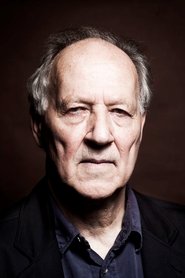 Werner HerzogNarrator (voice)

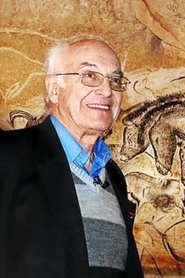 Jean ClottesSelf
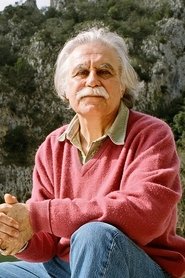
- Michel PhilippeSelf
- Gilles ToselloSelf
- Carole FritzSelf
- Maria MalinaSelf
- Nicholas ConardSelf
- Valerie FeruglioSelf
- Wulf HeinSelf
- Maurice MaurinSelf
Directing
- Werner HerzogDirector
Writing
- Judith ThurmanScreenplay
- Werner HerzogScreenplay
Production
- Adrienne CiuffoProducer
- Dave HardingProducer
- David McKillopProducer
- Erik NelsonProducer
- Julian P. HobbsProducer
Recommended by
Encounters at the End of the World, Journey to the Center of the Earth, Oceans, Bleed for This, As Above, So Below, Unknown White Male, The White Diamond, Eternal Love, Caveman, Unbranded, Two Years at Sea, A Fire Inside, Liyana, Summertime, The Song of Sparrows, Grief, The Trollenberg Terror, Black Sun, Adopt a Highway, Stacey Dooley's Australia: Off the Beaten Track