
Film
Liyana
Liyana is a lyrical hybrid film where animated sequences bring to life a story created by orphaned children in Eswatini. A group of kids collectively imagine a heroine's perilous journey, narrated by the magnificent Gcina Mhlophe. It's intimate yet universal—a testament to imagination's power to transform difficult circumstances into art.
Should you watch it?
Watch it if you are drawn to stories about invented worlds made by children themselves, and to documentaries that let the making of a tale become the subject.
Skip it if the fantasy scenes can feel slighter than the real-life frame, and a tightly plotted adventure or hard-hitting social account may leave you wanting more.
What it asks of you: Seventy-seven minutes, unhurried and gently paced, with a warm low-key attention rather than constant plot demands; its wonder arrives slowly, in layers you settle into.
Not sure? Find tonight's pick in a minute.
If you liked this
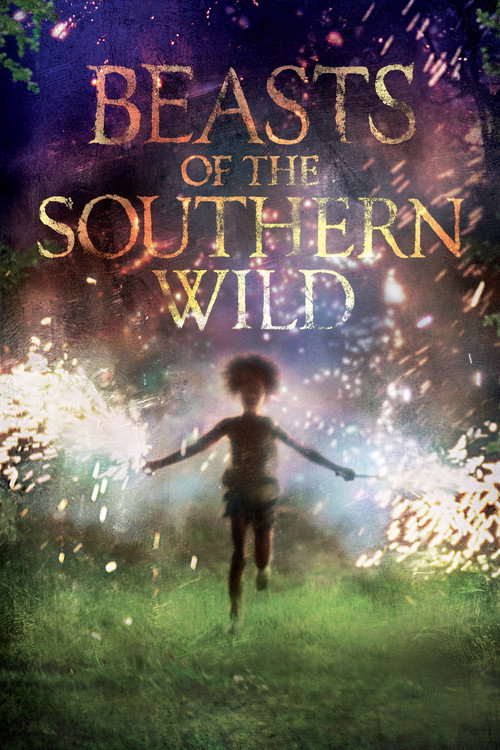
Beasts of the Southern Wild2012
A girl in the Louisiana bayou conjures her own mythology through will and imagination. Like Liyana, it trusts children's inner lives completely and lets magical thinking bloom from real hardship without sentimentality.
But Deliberately strange and dreamlike in structure. The dialect and editing may feel mannered or difficult if you want conventional narrative clarity.
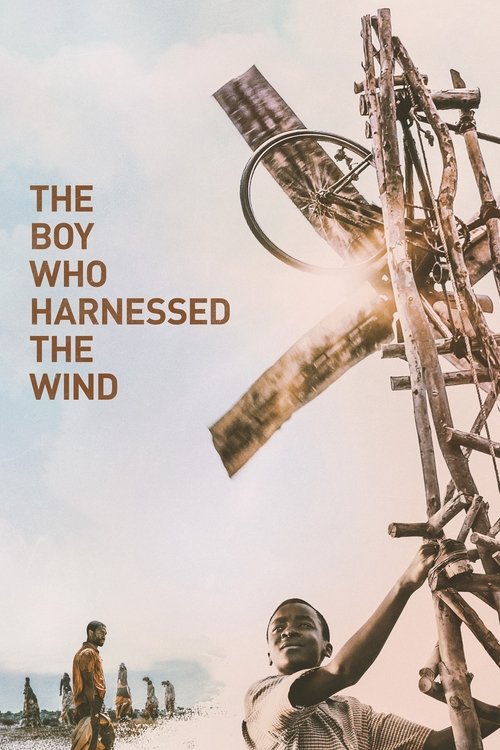
The Boy Who Harnessed the Wind2019
Based on true events in Malawi, it follows a boy's ingenuity and determination amid poverty and crisis. Both films celebrate African ingenuity and resilience without patronising those they depict.
But Follows a fairly recognisable biographical arc. It's rousing but less formally innovative than Liyana, which might feel safer than you want.
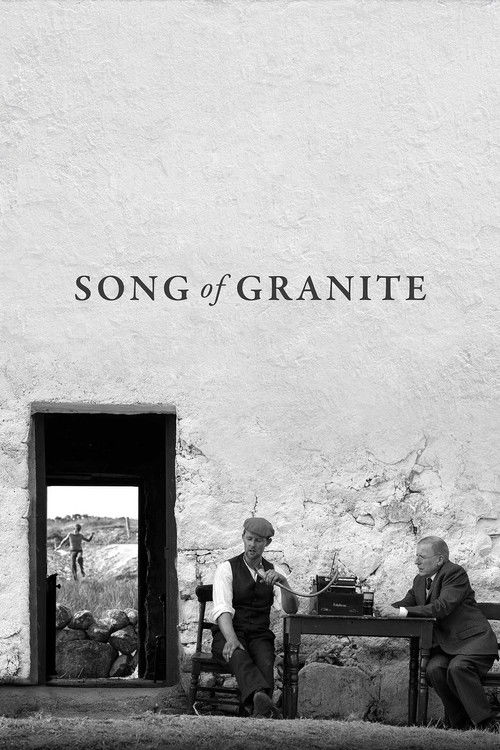
Song of Granite2017
A documentary-animation hybrid about Irish traditional music and memory, narrated by Brendan Gleeson. Like Liyana, it weaves lived testimony with gorgeous, purposeful animation to create something neither medium could alone.
But Slow-paced and elegiac. If you want plot momentum or conventional character arcs, this will feel more like a poem than a story.
Not sure tonight? Get a pick in a minute, starting from Liyana
The wildcard
Something you would not have found on your own.
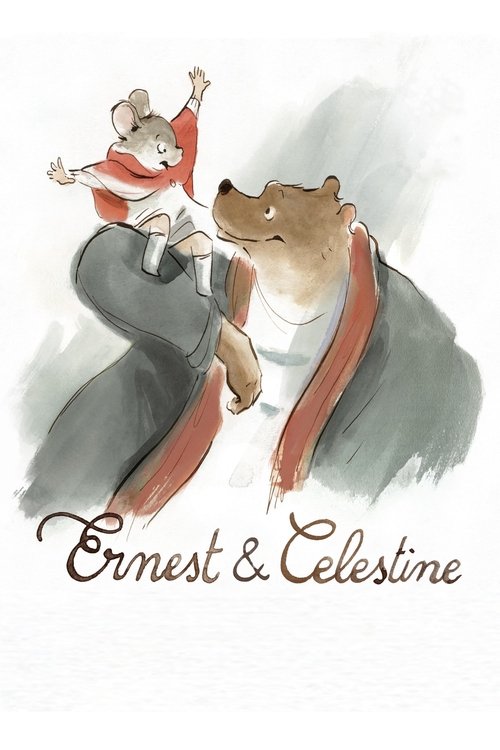
Ernest & Celestine2012
Both believe that children's imagination and storytelling—whether real or fictional—is a form of resilience and dignity worth treating with complete seriousness.
A hand-drawn animated film about an unlikely friendship between a bear and a mouse, made by a French-Belgian-Luxembourg team. While Liyana documents real children imagining stories, this is pure imaginative play—but it has the same warmth and belief in gentleness as a radical act.
But Defiantly soft and whimsical in a world that often dismisses such things. The aesthetic gentleness may feel sentimental if you distrust kindness.
More like this (8)
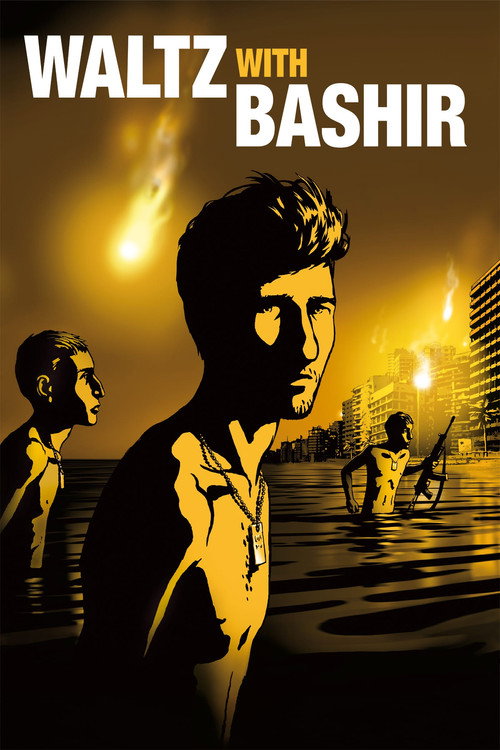
Waltz with Bashir2008
An animated documentary about memory and trauma, where animation lets the filmmaker explore truth that live-action footage cannot. Shares Liyana's belief that animation can reach emotional truths documentary can't alone.
But Deals with military violence and psychological damage. Visually beautiful but dealing with dark historical material that requires emotional investment.
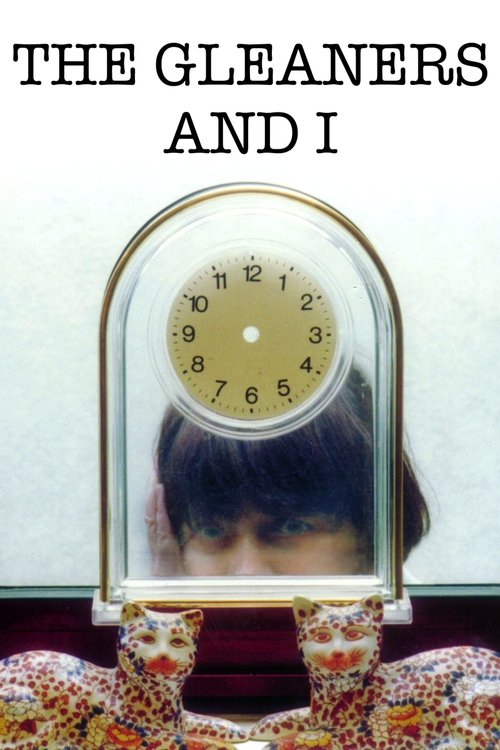
The Gleaners and I2000
Agnès Varda's essay-film about resourcefulness, community, and finding dignity in the margins. It has Liyana's eye for hidden lives and the quiet poetry of ordinary resilience.
But Structurally digressive and meditative rather than dramatic. No traditional story arc; it asks you to think rather than follow a plot.
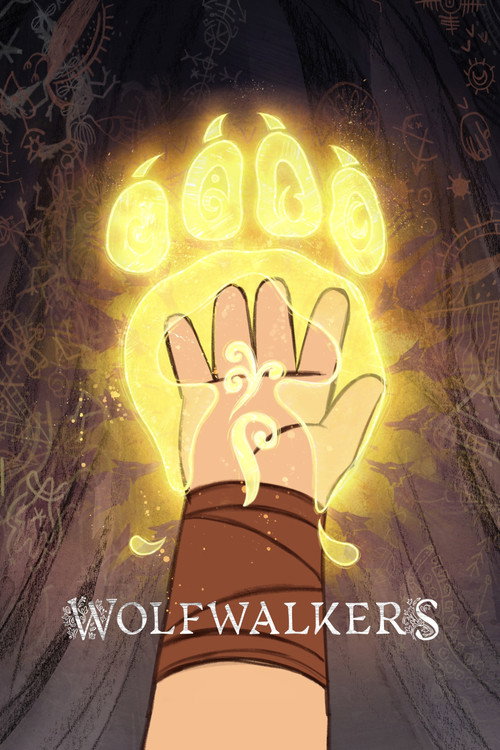
Wolfwalkers2020
Gorgeous hand-drawn animation about connection between children and nature in 17th-century Ireland. Shares Liyana's sense that animation can express spiritual and emotional truths about resistance and belonging.
But More conventionally beautiful and family-friendly than Liyana. If you want the rawness of real testimony, the stylisation might feel too polished.
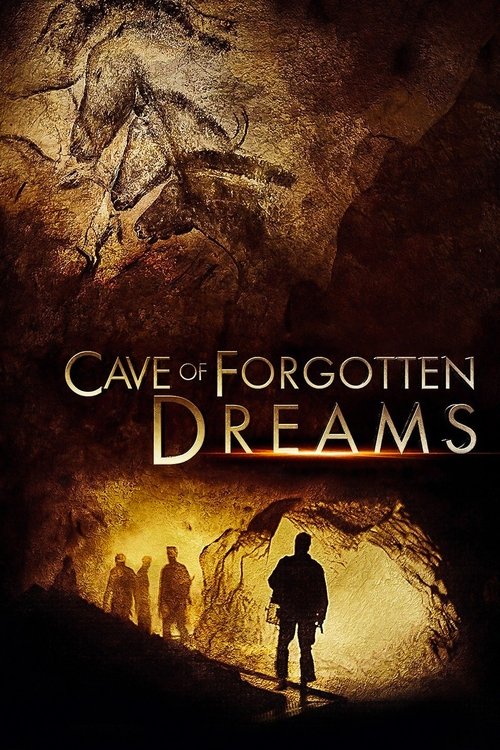
Cave of Forgotten Dreams2010
Werner Herzog's 3D documentary about ancient cave paintings and human creativity. Both films are quietly astonished by the human impulse to create meaning and beauty against odds.
But Philosophical and digressive. Some will find the 3D distracting; others will feel it adds pretension to the subject matter.
The Act of Killing2012
A documentary that asks perpetrators of violence to recreate their crimes in theatrical scenes. Harrowing and formally inventive, it shows how re-enactment can reveal truths that straight testimony cannot.
But Profoundly disturbing material about genocide. Some will feel the formal playfulness is inappropriate to its subject; the length is punishing.

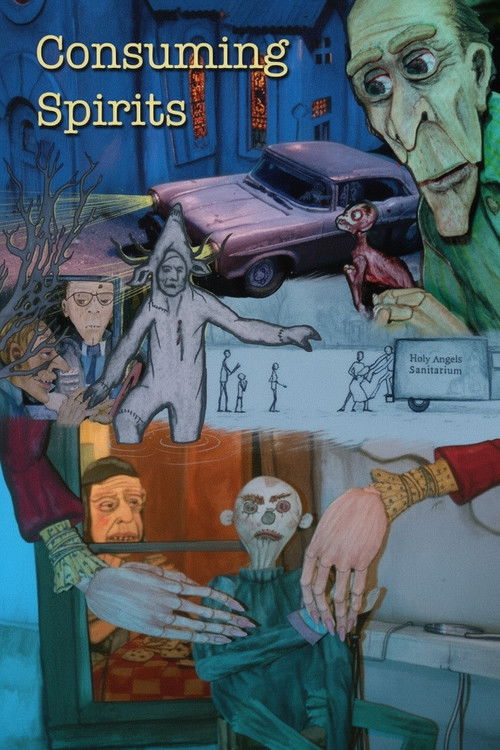
Consuming Spirits2012
Slow, hand-animated documentary about three generations of a German family. Hypnotic and meditative, it shares Liyana's faith in animation as a way to access emotional memory that photography can't reach.
But Deliberately, severely paced. If you expect momentum, this will test your patience hard.
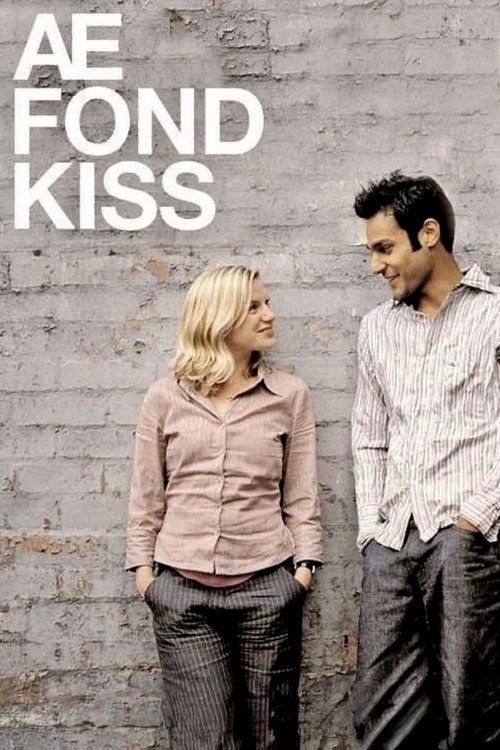
Ae Fond Kiss...2004
Both treat lives usually rendered invisible in mainstream cinema with absolute seriousness and tenderness, without ever becoming sentimental about hardship.
Ken Loach's film about a young Pakistani-Scottish DJ and Indian-Scottish woman navigating faith, family and love in Glasgow. Like Liyana, it centres marginalised voices and treats their everyday struggles and joy as genuinely important, shot with documentary naturalism but structured like narrative drama.
But Very slow, with long silences and unglamorous settings. Some will find the kitchen-sink realism depressing; others will feel it's didactic about its politics.
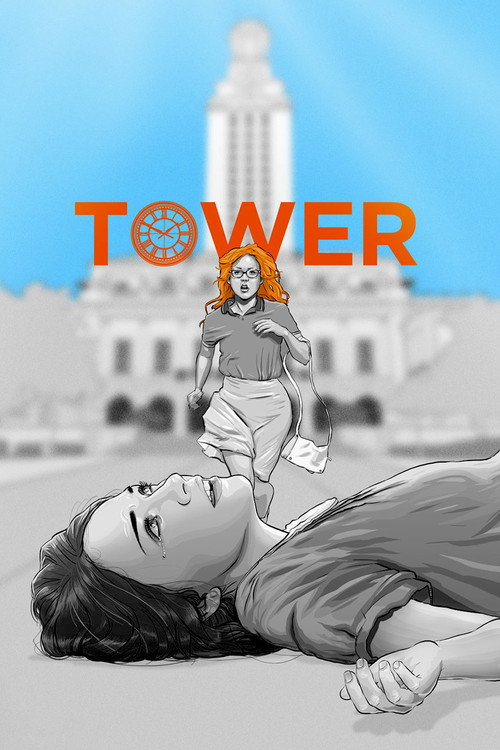
Tower2016
Both prove animation can be a documentary tool of profound moral weight, used not for spectacle but to honour difficult truths that straight footage somehow cannot quite capture.
Keith Maitland's documentary about the 1966 University of Texas shooting uses rotoscope animation over archival footage and interviews. Like Liyana, it uses animation not as escape but as a form of testimony—a way to enter historical trauma with empathy and precision.
But Depicts mass violence in detail and requires sitting with difficult emotions. The rotoscoped animation may feel gimmicky to some, or uncomfortably beautifying tragedy.
People
Cast
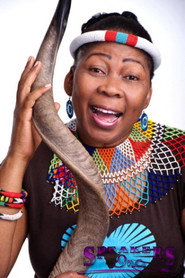 Gcina MhlopheSelf
Directing
- Aaron KoppDirector
- Amanda KoppDirector
Writing
- Gcina MhlopheStory
Production
- Alison Greenberg MilliceAssociate Producer
- Anna LernerAssociate Producer
- Arlene ShwayderAssociate Producer
- Don ShwayderAssociate Producer
- Donna ClarkAssociate Producer
- Erik BrandbergAssociate Producer
- Hannah J. ReyesAssociate Producer
- Jim KelleyAssociate Producer
- Kyna Saam KatzAssociate Producer
- Laura CuetaraAssociate Producer
- Lee MorseAssociate Producer
- Lora MahluzaAssociate Producer
- Mary Jean KoppAssociate Producer
- Michele KellyAssociate Producer
- Myrth MorseAssociate Producer
- Peter KoppAssociate Producer
- Ted MilliceAssociate Producer
- Vuyani MahluzaAssociate Producer
- Abigail DisneyCo-Executive Producer
- Gini RetickerCo-Executive Producer
- John CaulkinsCo-Executive Producer
- Bridget PickeringCo-Producer
- Albie HechtExecutive Producer
- Lisa Schejola AkinExecutive Producer
- Susan MacLauryExecutive Producer
- Thandiwe NewtonExecutive Producer
- Aaron KoppProducer
- Amanda KoppProducer
- Ani MercedesProducer
- Daniel JungeProducer
- Davis CoombeProducer
- Sakheni DlaminiProducer
- Alexandra BlaneyProduction Coordinator
- Kara MacLeanPublicist
- Kevin McLeanPublicist