
Film
Consuming Spirits
- Social drama
- Very dark
Consuming Spirits is a hand-drawn animated feature about three isolated people in a declining industrial town, bound by poverty, loneliness, and small-town stasis. It's deliberately paced, visually austere, and emotionally unflinching—animation used not for escape but for unflinching realism. For viewers who want depth over plot, and who don't need their sadness softened.
Should you watch it?
Watch it if you like grim, sprawling character studies where animation serves bleak, adult realism and you have patience for a slow accumulation of small cruelties.
Skip it if you want animation as a light escape, since this is a long, heavy drift through poverty, neglect and bad luck with little relief along the way.
What it asks of you: Over two hours at a deliberate, unhurried pace, lingering on ordinary rooms and faces, with a heaviness that builds and stays with you between scenes.
Not sure? Find tonight's pick in a minute.
If you liked this
Winter Light1963
Bergman's spare study of spiritual emptiness in a small Swedish parish. Cold, unforgiving, and structured around the weight of ordinary suffering—the same terrain Consuming Spirits inhabits.
But Nearly three hours of people talking in near-silence about despair. If you need narrative momentum or warmth, this will feel like penance.

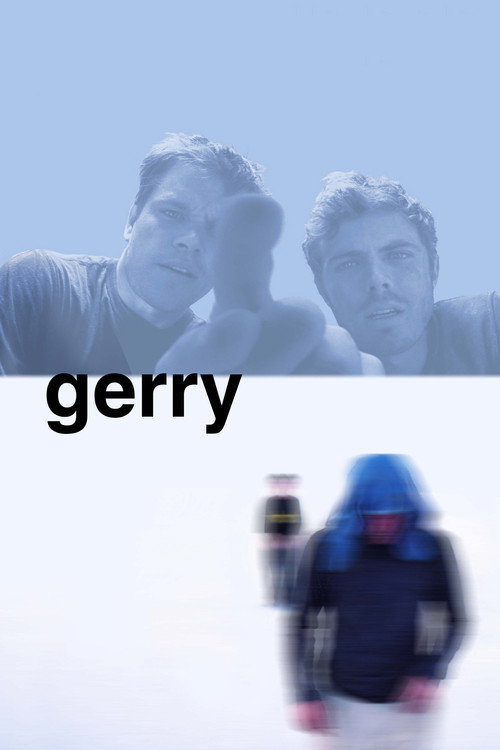
Gerry2002
Gus Van Sant's two-hour drift with two men walking through a landscape. Hypnotic, visual storytelling that trusts silence and repetition. Same commitment to boredom as a philosophical position.
But A film about almost nothing happening, shot in real time. Patience is not optional. Many find it maddening rather than meditative.
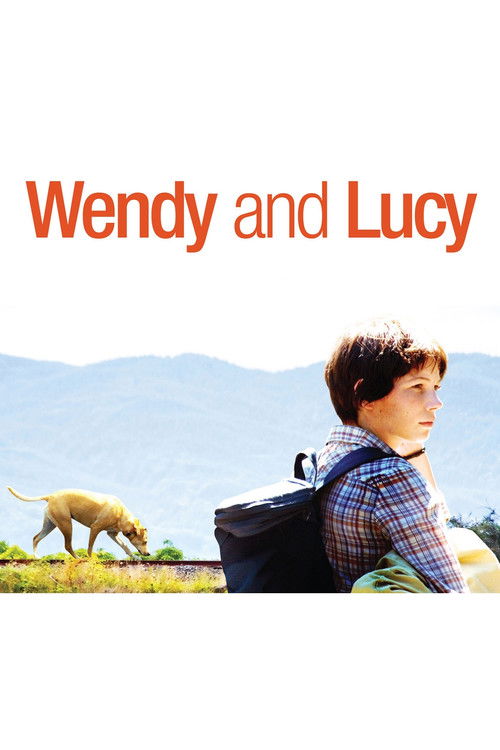
Wendy and Lucy2008
Kelly Reichardt's portrait of a woman and her dog in economic freefall. Quiet, precise, and devastating—small gestures carry enormous weight. The same attention to the unglamorous margins of American life.
But Deliberately modest in scale and feeling. Some viewers mistake restraint for emptiness. There is no catharsis, only clarity.
Not sure tonight? Get a pick in a minute, starting from Consuming Spirits
The wildcard
Something you would not have found on your own.
Synecdoche, New York2008
Both orbit the same moral center: how isolation and economic stagnation warp the self. Consuming Spirits achieves it through withdrawal; Synecdoche does it through maximalist collapse. Same wound, opposite responses.
Charlie Kaufman's theatre director slowly loses grip on reality and scale as his life and art collapse into each other. Alive with formal ambition but grounded in the same small-town American malaise and emotional damage—just far more baroque and hallucinatory.
But A three-hour puzzle-box that rewards analysis but exhausts patience. Metaphorical density can read as pretentious. Its baroque excess is the opposite of Consuming Spirits' restraint.

More like this (6)
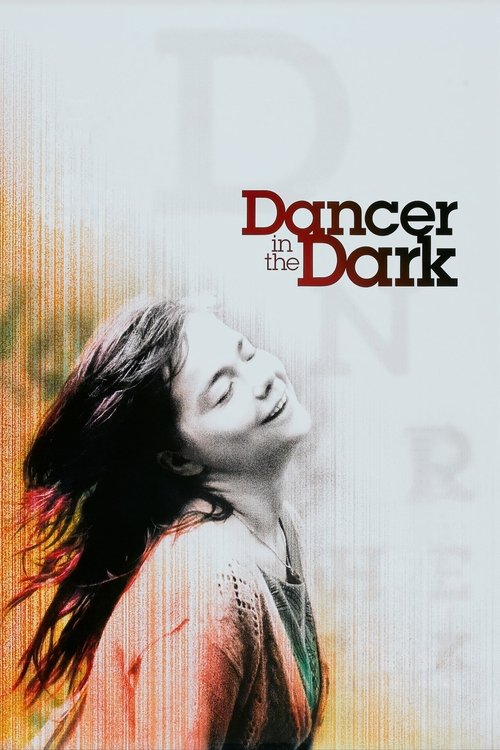
Dancer in the Dark2000
Lars von Trier's Dogme film with Björk as a factory worker in rural America heading toward tragedy. Hand-held, unflinching, raw—animation's live-action cousin in its refusal to look away from suffering.
But Relentlessly bleak and deliberately painful. The final act is engineered to wound. Some see it as manipulation rather than art.
Mulholland Drive2001
Lynch's fractured Los Angeles fever dream connects small people to vast emptiness. Visually ravishing where Consuming Spirits is austere, but the same obsession with how loneliness breeds delusion.
But Three hours of narrative ambiguity. If you need to understand what you're watching, this will frustrate you thoroughly.

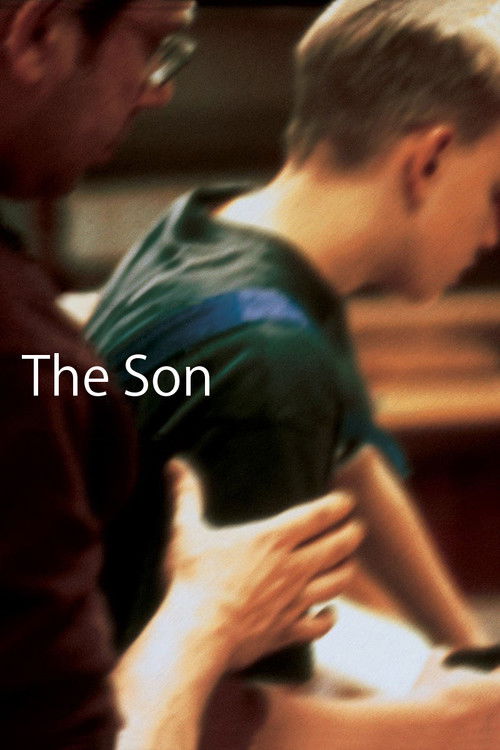
The Son2002
Dardenne brothers' portrait of a woodwork teacher and the troubled teenager who upends his life. Handheld and naturalistic, moving through small rooms and small moments toward moral complexity.
But Minimal plot. Long, awkward silences. The drama lives in faces and breathing, which some find tedious rather than gripping.
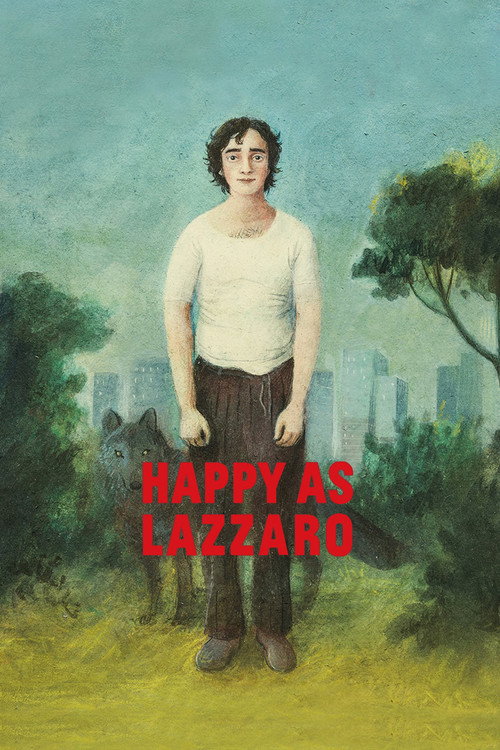
Happy as Lazzaro2018
Paolo Sorrentino's allegorical tale of a saint-like man in rural squalor. Fable-like yet specific, steeped in landscape and resignation. Similar commitment to spiritual emptiness in modest places.
But Deliberately paced and elliptical. The magic-realist turn may feel like tonal whiplash. Not everyone welcomes the shift into the surreal.
The Turin Horse2011
Béla Tarr's final film: Nietzsche's groom and horse in a dying world. Monumental, bleak, hypnotic—black-and-white repetition as meditation on entropy and the end of things.
But 155 minutes of grey, cold, silence and decay. Watching it feels like witnessing abandonment. The slowness is the point, and if you resist it, it's torture.

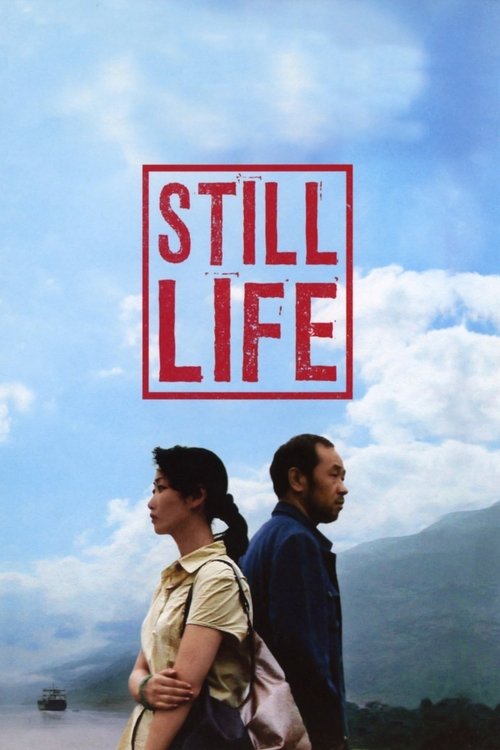
Still Life2006
Jia Zhang-ke's portrait of a man searching for his ex-wife in a town about to be flooded for a dam. Observational, patient, pooling small human moments into a meditation on displacement and time.
But Formally challenging and deliberately slow. Shot in long takes with minimal music. Many find it inert rather than contemplative.
People
Cast
- Nancy AndrewsGentian Violet (voice)
 Chris SullivanVictor Blue (voice)
- Judith RafaelMother Beatrice Elastica (voice)
- Mary Lou ZelaznyIda Blue (voice)
- Chris HarrisPeabody Shampling (voice)
- Robert LevyEarl Gray (voice)