
Film
Oceans
Oceans is a breathtaking visual essay on marine life across the planet, filmed in extraordinary detail by the filmmakers behind Winged Migration. It's part thriller—predators, prey, survival—and part elegy for ecosystems under threat. Gorgeously shot, narratively loose, and designed to make you feel small and amazed in equal measure. For anyone moved by nature documentary or fascinated by what lives beyond the surface.
If you liked this
Planet Earth2006
The gold standard of nature documentary, with similar scale and ambition but structured into digestible episodes. David Attenborough's narration anchors sequences of stunning animal behaviour and vast landscapes. You'll recognize the DNA.
But The format means it's episodic rather than immersive; you're more likely to dip in and out than surrender to the whole thing at once. Also nearly two decades old, so the 4K footage everyone remembers is from the remaster, not the original broadcast.
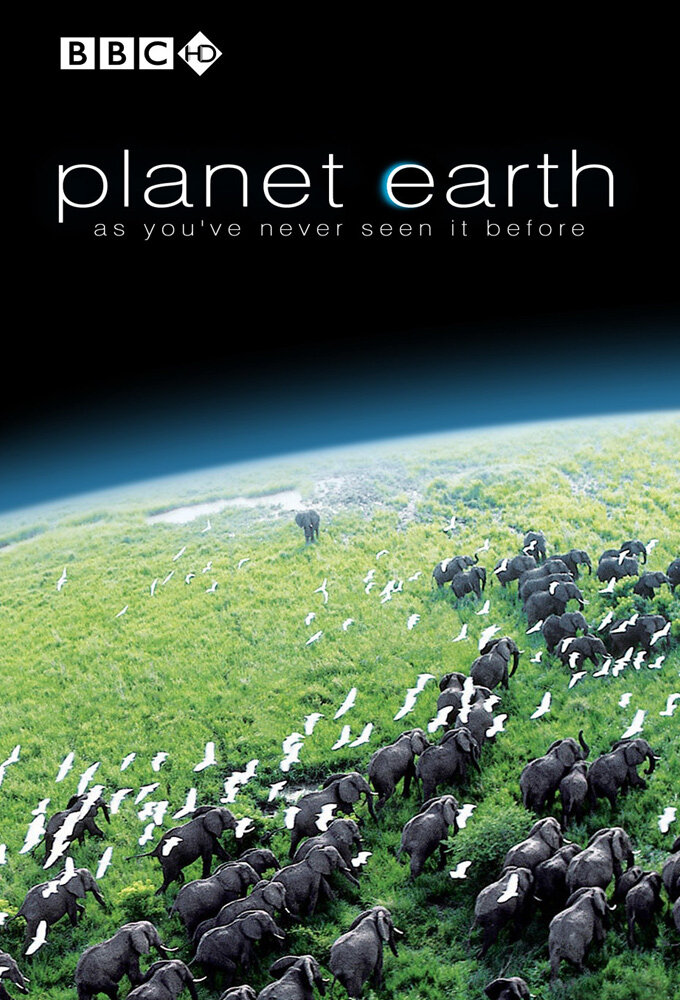
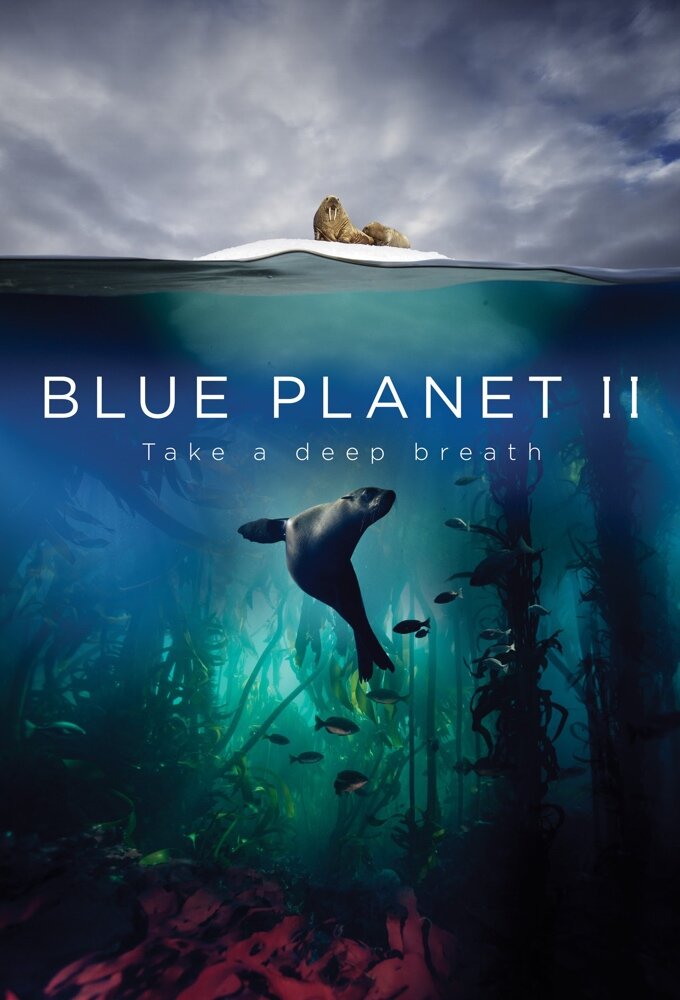
Blue Planet II2017
The ocean-focused sequel to Planet Earth, with upgraded cameras that capture detail never before filmed. Attenborough's narration is warmer here, and the urgency about climate change and human impact feels integrated rather than preachy.
But If you've already seen the original Blue Planet, this risks feeling like a remix rather than a revelation, however good. Some sequences lean toward spectacle over story.
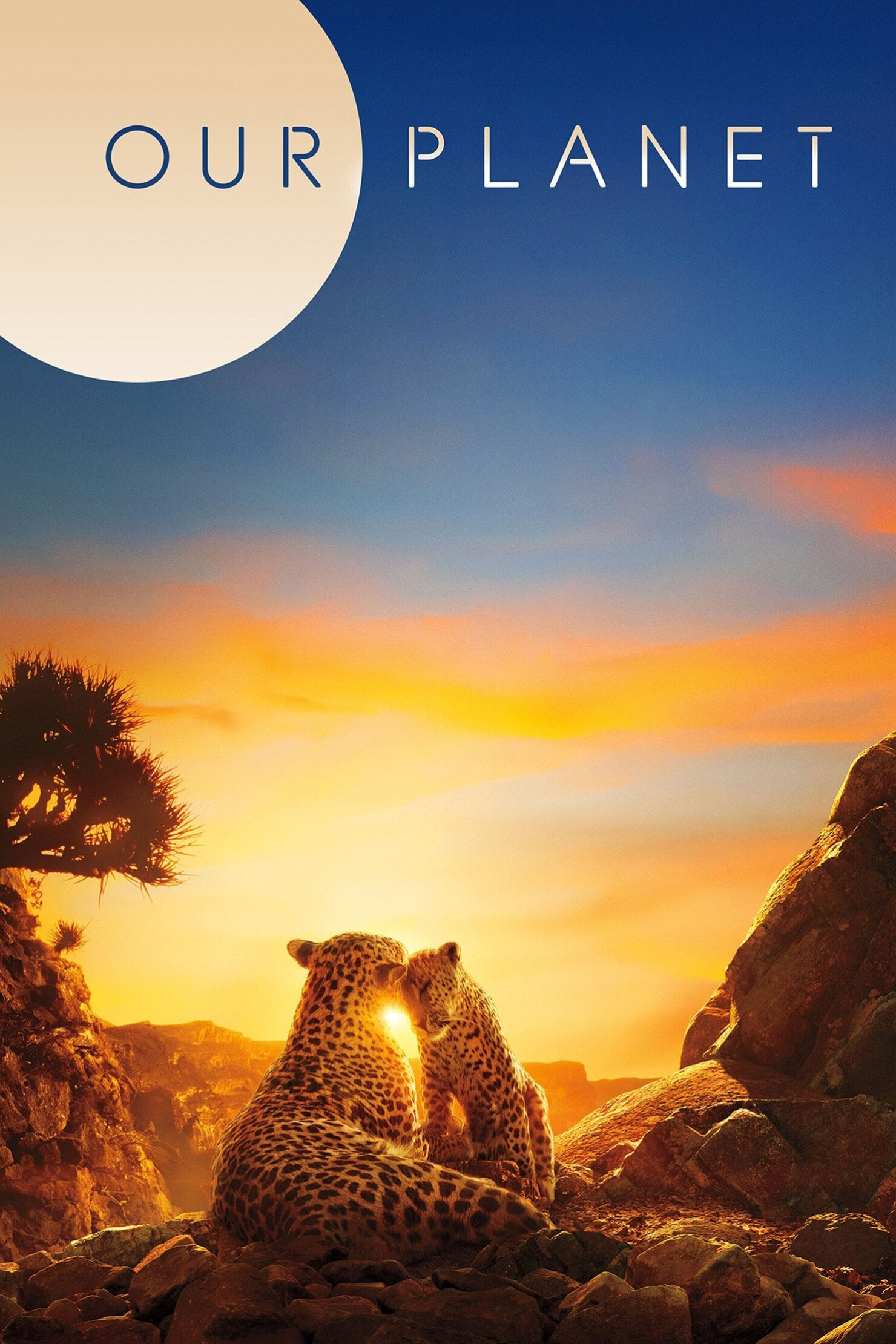
Our Planet2019
Another Attenborough collaboration with Netflix, striking the same balance between wonder and environmental concern. The underwater sequences rival anything in cinema, and the whole series moves at a contemplative pace.
But By the time this came out, the formula had been perfected so many times that even excellence felt familiar. If nature documentary fatigue is setting in, this won't cure it.
Not sure tonight? Get a pick in a minute, starting from Oceans
The wildcard
Something you would not have found on your own.
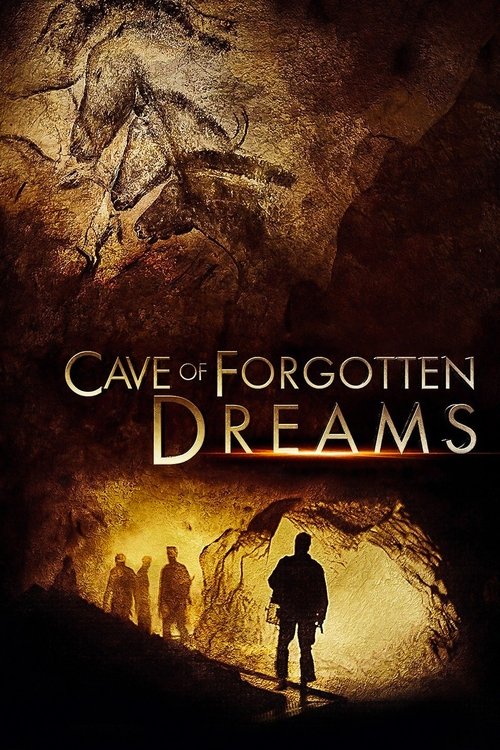
Cave of Forgotten Dreams2010
Both are immersive visual essays on living systems (one marine, one human artistic tradition) that treat their subject with reverence rather than spectacle. Each asks: what survives, and why should we care?
Werner Herzog filming 30,000-year-old cave paintings in 3D, treating them as profound art rather than artifact. It's about wonder and deep time, just as Oceans is, but the subject is human creation preserved in stone. Similarly meditative and deeply moving.
But The 3D gimmick is occasionally distracting and feels unnecessary. Herzog's philosophical monologues won't appeal to everyone, and the runtime is deceptive—it feels longer. Also obscure enough that finding it in the right format is work.
More like this (7)
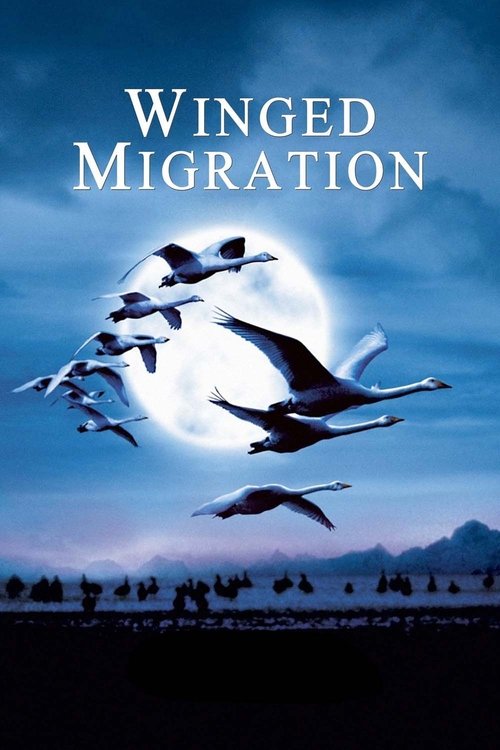
Winged Migration2001
From the same filmmakers as Oceans, following bird migration across continents. Pure cinema: minimal dialogue, maximum visual poetry. This is the spiritual predecessor to Oceans and deserves the same kind of rapt attention.
But The narrative is almost purely visual and the pacing contemplative to the point of stillness. If you need plot or character, you'll find this maddening.
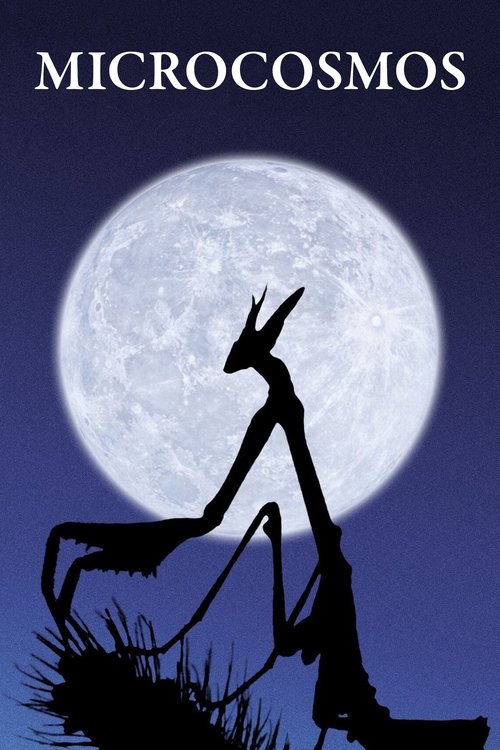
Microcosmos1996
A macro-photography meditation on insect life, scored gorgeously and filmed with such intimacy that a dewdrop becomes a landscape. It shares Oceans' gift for making the invisible feel vivid and urgent.
But The soundtrack is a bit precious and the pacing very slow. Shot on film in the mid-90s, so image quality varies. Some find it more gallery installation than narrative.
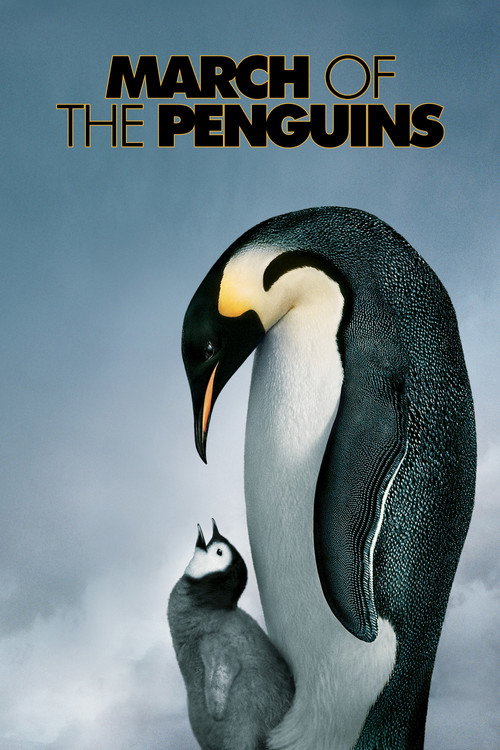
March of the Penguins2005
A survival story wrapped in documentary; penguins trek across Antarctica and you're genuinely invested in their journey. Morgan Freeman's narration gives it dramatic shape without sentimentalizing the animals.
But Some sequences are explicitly tragic and unsettling. Also, the original French version is superior to the American one, which re-dubbed and re-edited significant portions.
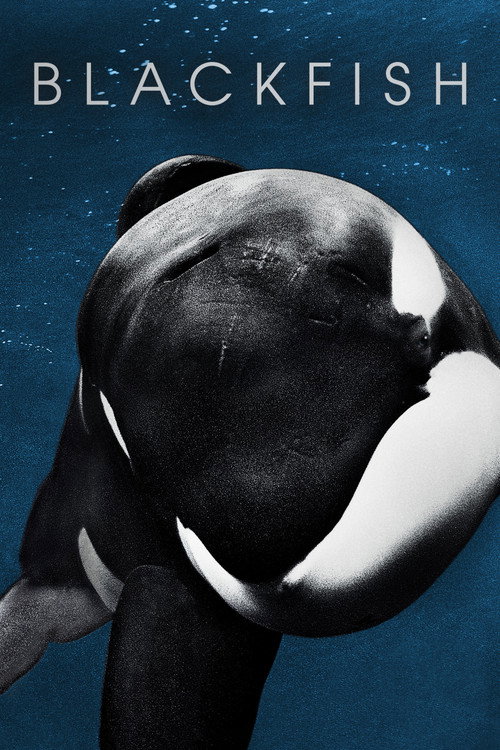
Blackfish2013
Documentary about orca captivity at SeaWorld, it builds like a thriller while making a forceful case about animal suffering. Angry and urgent without being didactic, it feels more like investigative journalism than nature doc.
But It's a polemic with a point to make, not neutral observation. Some of its claims have been disputed, and watching it requires emotional stamina for distressing footage.
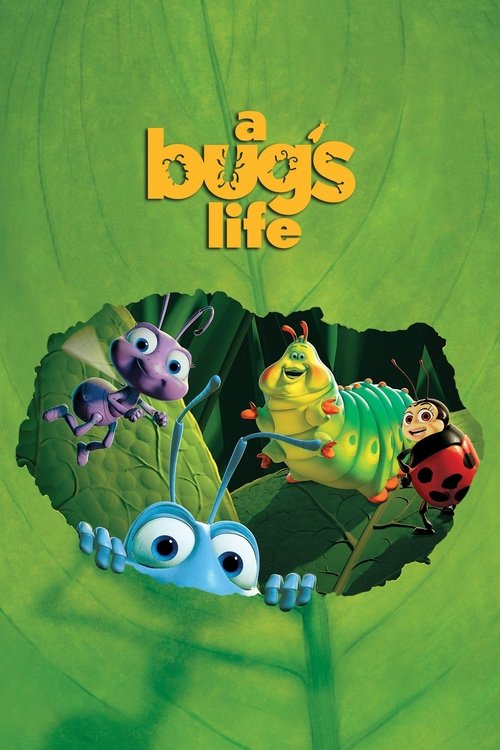
A Bug's Life1998
BBC nature doc that mirrors the structure of Planet Earth but with a more philosophical tone. David Attenborough's narration touches on evolutionary strategy and survival economics. Technically stunning.
But It predates the modern revival of ultra-high-definition nature television, so some sequences look dated now. The episodic structure can feel like homework if you're not in the right mood.
The Tale of The Princess Kaguya2013
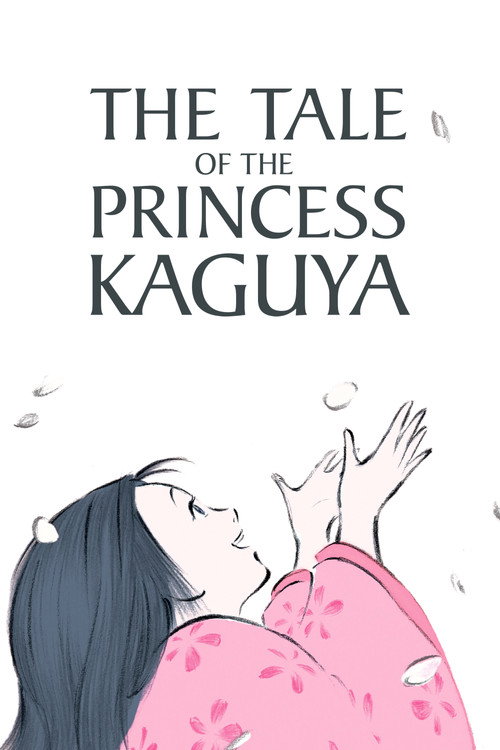
Both are artistic statements about the fragility of beauty and presence. Both trust visual poetry over explanation. Both ask you to slow down and witness rather than consume.
Takahata's animated masterpiece is structured like no other film—it breathes, pauses, lets scenes unfold in watercolor silence. It's about mortality and loss, and it finds grace in observation. Technically and emotionally unlike anything else you've seen.
But It's a painting more than a narrative; plot barely exists. The frame-rate varies deliberately, which some find beautiful and others find broken. At 137 minutes, it's demanding in a completely different register from Oceans.
The Act of Killing2012
Like Oceans, it's a documentary that moves beyond reporting into something more like artistic vision. Both ask fundamental questions about what we choose to see and what we hide from. Both are about ecological collapse—one planetary, one moral.
A documentary where the filmmaker invites Indonesian death-squad leaders to stage dramatizations of their own atrocities. It's a meditation on guilt, performance, and complicity that reveals psychological truth through re-enactment. Profoundly unsettling and essential.
But It's extremely difficult to watch—graphic violence, moral ugliness, and genuine terror throughout. The formal experiment can feel exploitative. Not a comfort film by any measure, and some may feel it doesn't condemn forcefully enough.

People
Cast
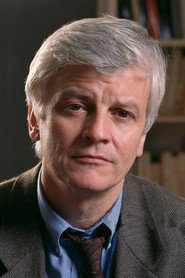 Jacques PerrinSelf - Narrator (voice)
Directing
- Jacques CluzaudCo-Director
- Jacques PerrinDirector
Writing
- Christophe CheyssonWriter
- François SaranoWriter
- Jacques CluzaudWriter
- Jacques PerrinWriter
- Laurent DebasWriter
- Laurent GaudéWriter
- Stéphane DurandWriter
Production
- Don HahnExecutive Producer
- Jake EbertsExecutive Producer
- Kirk WiseExecutive Producer
- Connie Nartonis ThompsonProducer
- Jacques PerrinProducer
- Manuel MonzónProducer
- Nicolas MauvernayProducer