
Television series
Blue Planet II
The sequel that finally has the technology to match the ambition: submersibles, longer dive times, and cameras that catch fish using tools, sharks hunting in packs at night, and coral spawning in one great synchronized exhale. It's the planet's most alien landscape rendered intimate and strange, narrated by the one voice that makes wonder feel like fact rather than hype.
If you liked this
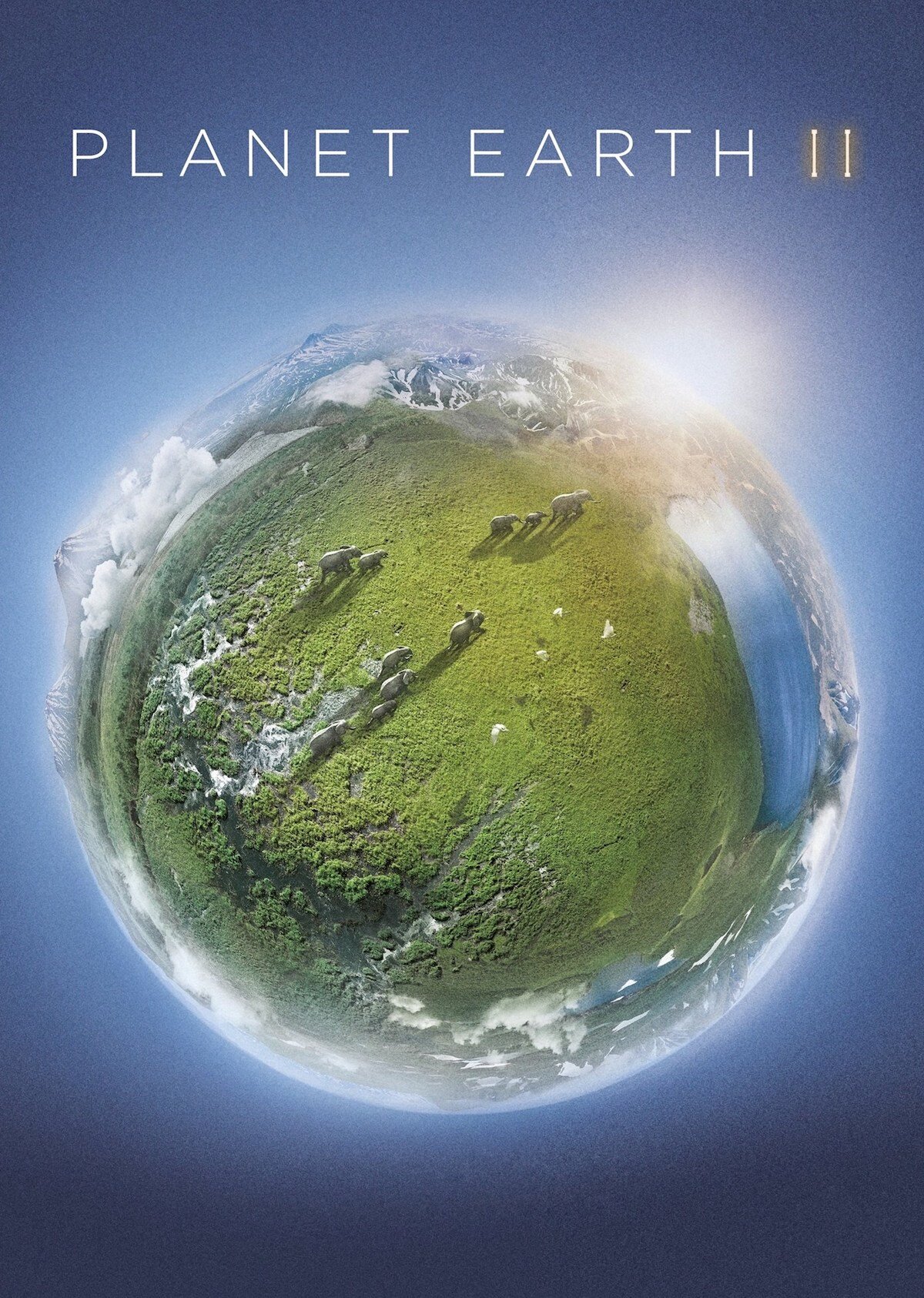
Planet Earth II2016
Same team, same scale, but on land — snakes chasing iguanas across beaches, wolves hunting on frozen lakes. If you loved the craft here, this is the closest thing to more of it.
But It's essentially the same format and the same crew, so the novelty is lower than the first watch.
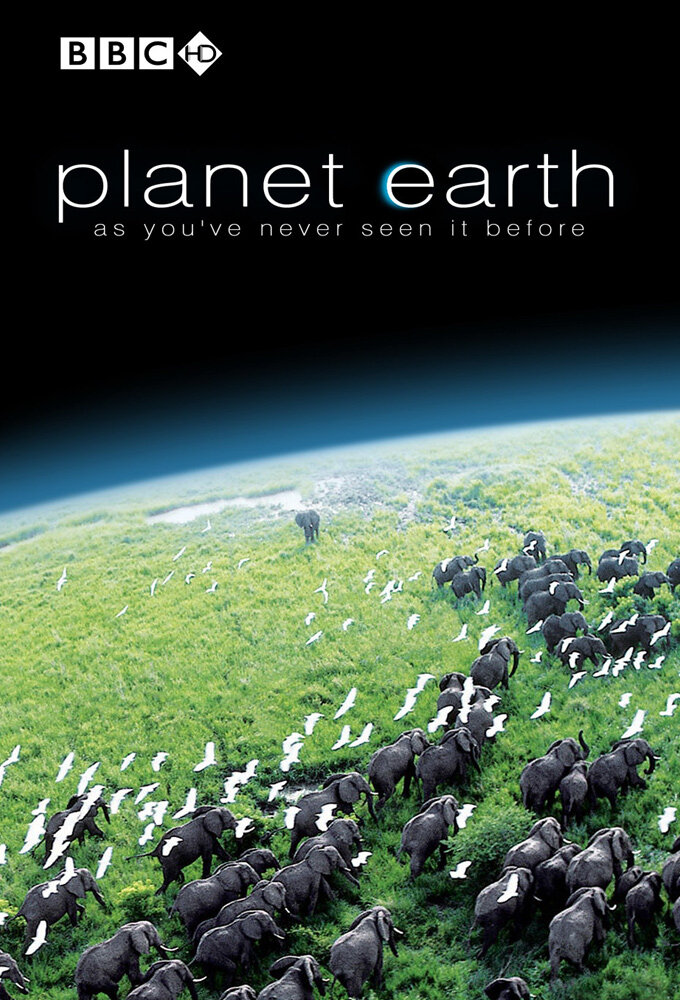
Planet Earth2006
The original that started the modern nature-doc boom, and the one where you can feel the format being invented in real time. Slightly rougher, no less astonishing.
But The footage, groundbreaking at the time, looks a touch dated next to the 4K polish of later series.
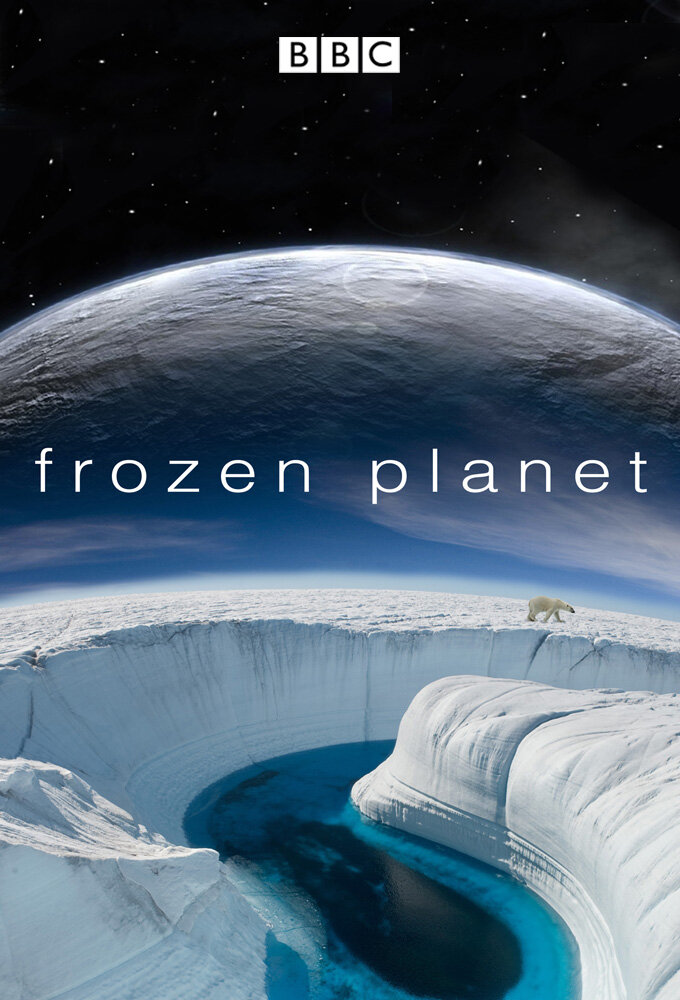
Frozen Planet2011
Attenborough at the poles instead of underwater — polar bears, orcas working together to wave-wash a seal off ice, and a bleak final episode on climate change that doesn't flinch.
But The cold, white palette gets visually monotonous compared to the color and variety of reef and open-ocean footage.
The wildcard
Something you would not have found on your own.
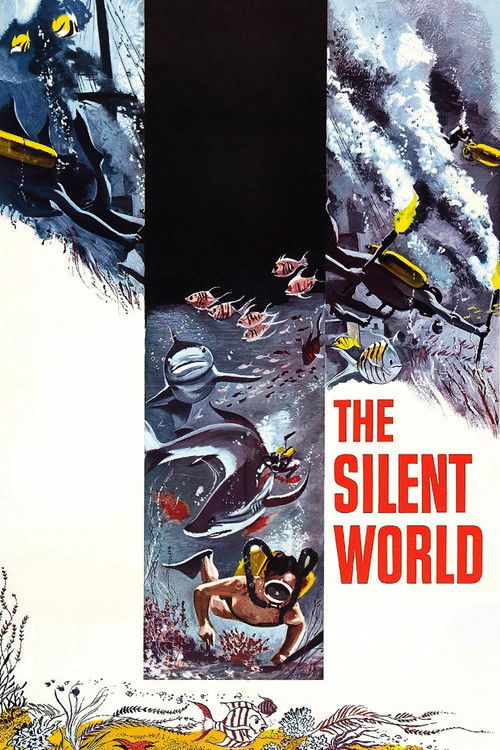
The Silent World1956
This is the ancestor: Cousteau invented the ocean-documentary grammar Blue Planet II perfected sixty years and infinitely more technology later.
Jacques Cousteau's Palme d'Or-winning film is where the underwater camera essentially learns to talk — hand-built rigs, early scuba, real danger, and a sense of discovery no CGI-era production can fake.
But By modern standards it's ethically uncomfortable in places — the crew kills sharks on camera, treated then as normal, now as jarring.
More like this (8)
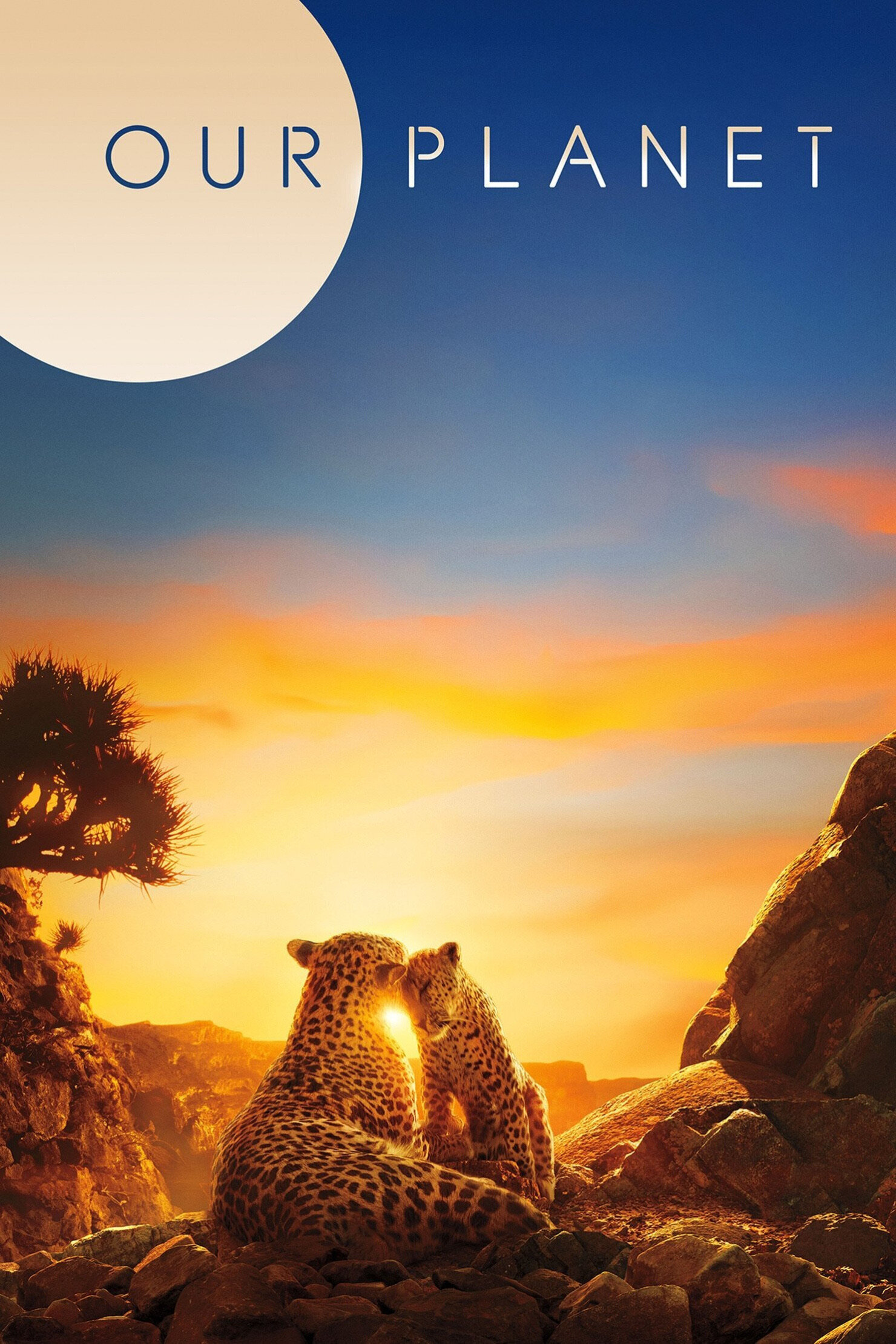
Our Planet2019
Same crews, same jaw-dropping camera work, but with a sharper conservation edge and a walrus stampede sequence that's genuinely hard to watch. Attenborough narrates with more urgency here.
But It leans harder into environmental messaging, which some viewers find preachy compared to the more observational BBC style.
The Blue Planet2001no page yet
The original ocean series this one is a sequel to — worth seeing for how far the technology has come, and because the storytelling instincts were already fully formed.
But The picture quality is standard-definition era, and a few sequences feel slow next to the newer series' pace.
Seven Worlds, One Planet2019no page yet
Continent by continent instead of habitat by habitat, with a focus on how isolation shaped wildly different species. Antarctica's episode is one of the best things Attenborough's ever narrated.
But Structurally it repeats beats you've already seen in Planet Earth and Blue Planet — same format, different geography.
Life2007
Organized by survival strategy rather than location, so you get a weirder, more thematic tour — carnivorous plants, dancing spiders, an octopus that walks on land.
But Narrated by Oprah Winfrey in the US version, David Attenborough in the UK one — track down the right cut or the tone shifts entirely.
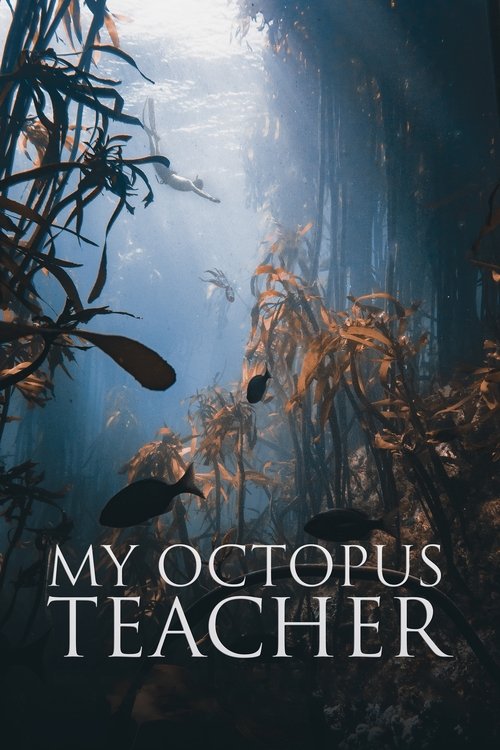
My Octopus Teacher2020
One man, one octopus, one kelp forest, filmed obsessively over a year. It's the intimate, single-subject counterpoint to Blue Planet's globe-trotting scale, and it will wreck you a little.
But It's unabashedly personal and emotional rather than authoritative — a diary, not a survey of the ocean.
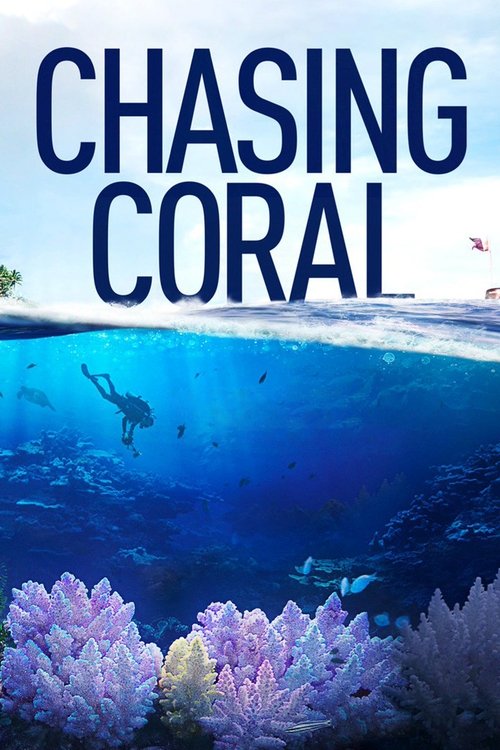
Chasing Coral2017
A tighter, angrier film about the exact thing Blue Planet II shows you in one gorgeous spawning sequence — and what's actually happening to reefs while cameras aren't rolling.
But It's a campaigning documentary with talking heads and graphs, not the immersive, narration-led experience you came for.
The Life Aquatic with Steve Zissou2004no page yet
It's a loving, sideways portrait of the same explorer-narrator archetype Attenborough embodies straight-faced — same reverence for the sea, filtered through irony and heartbreak.
Wes Anderson's deadpan comedy about an aging Cousteau-esque oceanographer chasing the shark that ate his best friend — melancholy, absurd, and stuffed with fake sea creatures that are somehow more charming than real ones.
But It's a comedy about grief wearing a diving suit, not a nature film — if you wanted more ocean footage, this isn't it.
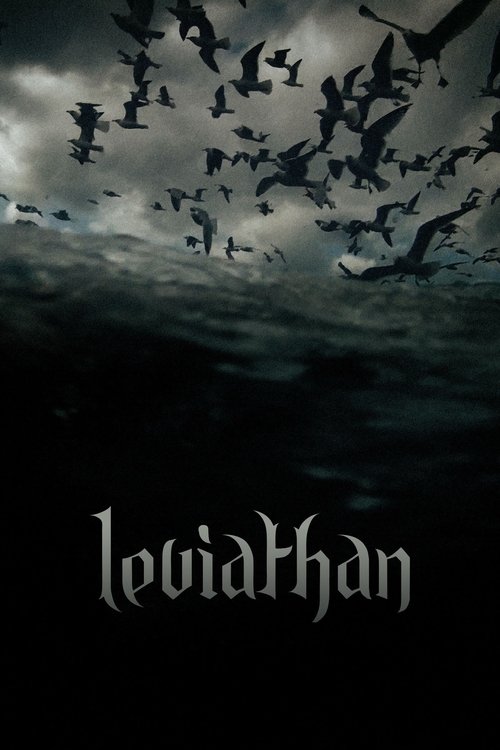
Leviathan2013
It shows the part of the ocean story Blue Planet II mostly keeps offscreen: the industrial machinery of the fishing fleet, harvesting the same waters those cameras made beautiful.
GoPros strapped to a commercial fishing trawler, no narration, no talking heads — just the industrial, nocturnal churn of hauling the ocean's life onto a boat. Overwhelming, hypnotic, occasionally nauseating.
But There's no Attenborough, no explanation, barely any dialogue — it's pure sensory immersion and some viewers will find it punishing.
People
Cast
 David AttenboroughPresenter
Production
- Jennifer HileConsulting Producer
- James HoneyborneExecutive Producer
- Mark BrownlowProducer
- Orla DohertyProducer
Recommended by
Winged Migration, March of the Penguins, Earth, Planet Earth II, My Octopus Teacher, Planet Earth, Cosmos, Our Planet, Frozen Planet, The Silent World, Prehistoric Planet, Meerkat Manor, Walking with Dinosaurs