
Film
The Life Aquatic with Steve Zissou
Wes Anderson's deadpan aquatic odyssey follows a washed-up oceanographer, his newfound son, and a pregnant journalist aboard a ship chasing both a legendary shark and some kind of redemption. It's achingly funny and oddly melancholic—a film that moves like honey and looks like a storybook. For anyone who treasures style, loneliness, and the absurd dignity of failure.
Should you watch it?
Watch it if you love deadpan, meticulously composed comedy where every frame looks like a carefully arranged diorama and the jokes land in the gaps between characters who cannot quite say what they feel.
Skip it if you need a story that moves briskly toward a clear goal, since its episodic detours, stylised stillness and wry melancholy can feel like wandering rather than sailing.
What it asks of you: It runs just under two hours and stays patient, rewarding attention to small gestures and awkward silences more than plot momentum or big emotional payoffs.
Not sure? Find tonight's pick in a minute.
If you liked this
The Grand Budapest Hotel2014
Anderson at his most exquisite: a caper wrapped in nostalgia, with the same formal precision and emotional ache. If you loved the deadpan humour and painterly composition of Aquatic, this refines that language into something even tighter.
But It can feel more like a beautiful object than an experience. Some find the mannered aesthetic exhausting rather than charming.

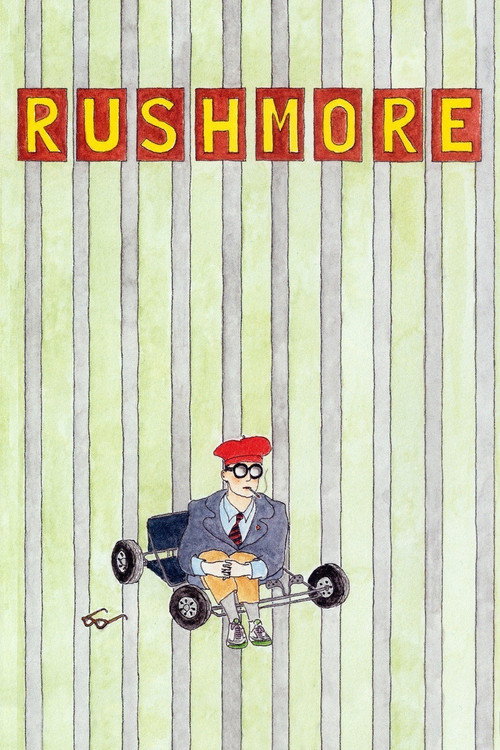
Rushmore1998
Anderson's breakthrough is looser and rawer than Aquatic, but shares its core: loneliness masquerading as ambition, brilliant failures, and genuine tenderness buried under eccentricity. Jason Schwartzman is phenomenal.
But The tone whiplashes between comedy and real sadness more violently here. It won't feel as controlled as later Anderson films.
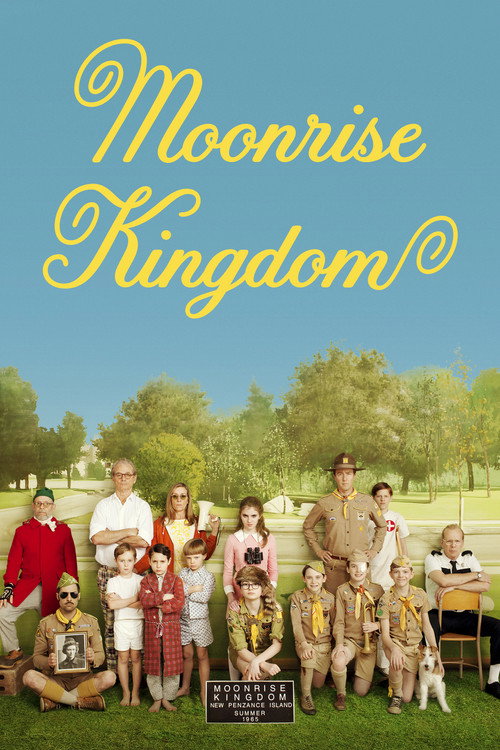
Moonrise Kingdom2012
Another Anderson voyage into the melancholic and strange, this time narrated by nature documentaries. It has the same bittersweet romance, the same eye for colour, the same ache about adolescence and adults who've lost their way.
But It's smaller and simpler than Aquatic—if you came for grand adventure, you'll find a quieter story instead.
Not sure tonight? Get a pick in a minute, starting from The Life Aquatic with Steve Zissou
The wildcard
Something you would not have found on your own.
Stalker1979
Both films are quests that aren't really about the destination. A protagonist chasing something he'll never obtain, accompanied by people who want different things, moving through beautiful spaces that reflect inner emptiness. The real journey is psychological.
Tarkovsky's science-fiction meditation on desire and disappointment. A guide leads two men through a mysterious zone toward a room that grants wishes—but the real film is the slow, gorgeous breakdown of their certainties. It moves at the speed of doubt.
But It's 163 minutes of deliberate, hypnotic Russian cinema. If you're hungry for plot or pace, this will feel like punishment.

More like this (8)
Fantastic Mr. Fox2009
Stop-motion Anderson is somehow even more precise. A heist film about a father and son, styled within an inch of its life, funny and genuinely moving. Same DNA as Aquatic: style as substance, never decoration.
But It's a children's film that doesn't talk down. Some adults find animation a barrier; others find it too whimsical for the emotional beats.

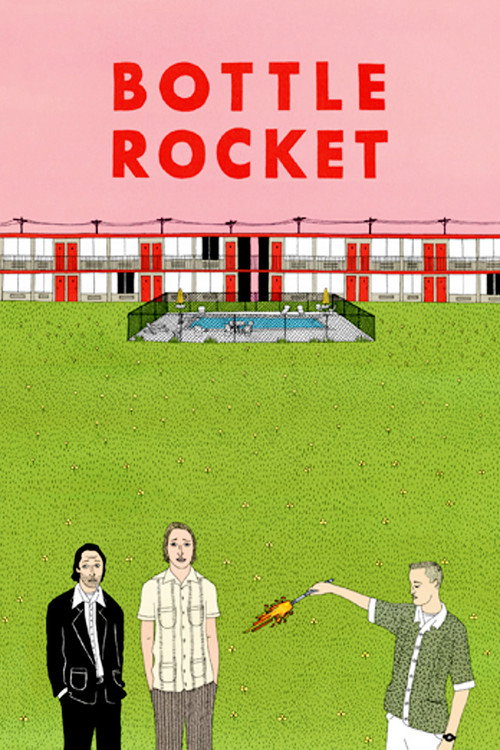
Bottle Rocket1996
Anderson and Owen Wilson's debut collaboration is scrappy and half-formed compared to later work, but it has the seed of everything: small-scale crime, friendship, failure, and the romance of aimlessness. Essential genealogy.
But It's rough. The technique isn't there yet. If you need polish, this will feel like a sketch instead of a finished film.
The French Dispatch of the Liberty, Kansas Evening Sun2021
Anderson's most baroque film, a love letter to print journalism wrapped in his most elaborate production design. It's excessive and joyful, stuffed with stories and colour. A glorious, maximalist cousin to Aquatic's restraint.
But The excess can feel like style without substance. It's also fragmented—if you need narrative coherence, the anthology structure will frustrate.

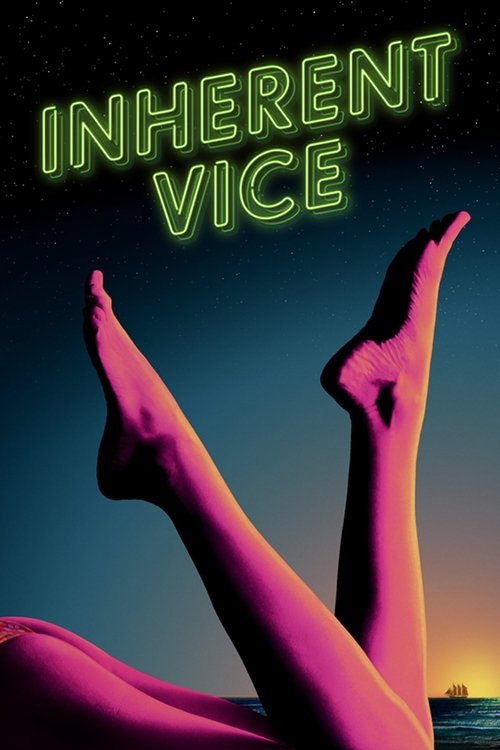
Inherent Vice2014
Paul Thomas Anderson (no relation) makes a stoner detective story that shares Aquatic's commitment to atmosphere over plot, melancholy over resolution, and the strange beauty of failure. Joaquin Phoenix adrift in 1970s California.
But It's deliberately confusing. The plot doesn't add up, which is intentional but maddening if you want clarity.
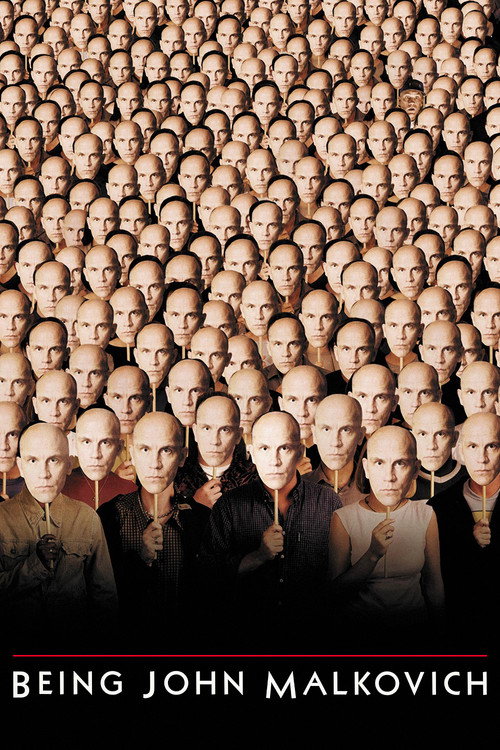
Being John Malkovich1999
Spike Jonze's debut has Aquatic's surreal logic and its emotional precision. It's bizarre and hilarious and deeply sad, a portrait of longing and performance. The same balance of high concept and real human ache.
But The premise is strange enough to derail some viewers. It requires you to sit with discomfort and weirdness without traditional plot scaffolding.
Synecdoche, New York2008
Charlie Kaufman's directorial debut mirrors Aquatic's architecture: an aging artist mounting an increasingly unstable quest, surrounded by people he doesn't know how to love, pursuing something he'll never catch. Haunting and hilarious.
But It's relentlessly bleak and abstract. For a film about theatre and creation, it's airless rather than playful. Not a date-night watch.

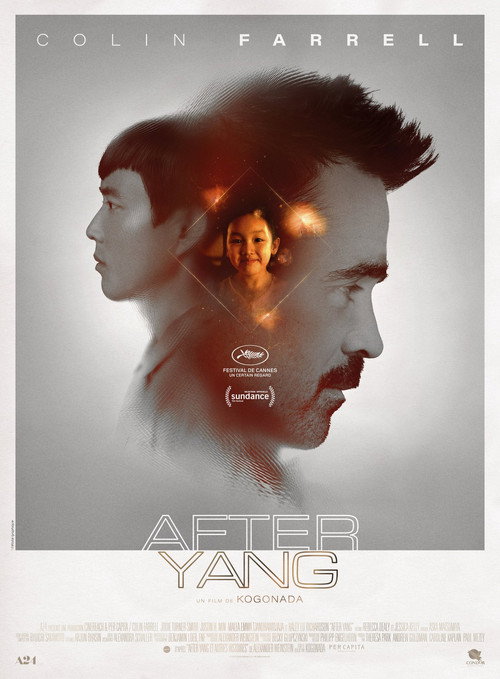
After Yang2022
Both films use formal precision (colour, symmetry, sound design) as a language for emotional failure. Both understand that sadness can be funny, and both let characters fail without punishing them for it. Both are about the things we chase that don't save us.
Kogonada's film about a family whose android companion malfunctions is science fiction disguised as a tone poem. Minimalist, patient, and achingly human—it finds profound melancholy in colour and silence. Like watching someone grieve in real time.
But Almost nothing happens. It's a film about feeling rather than doing. The pacing is glacial and deliberately sparse.
La Haine1995
Both films follow characters who are lost and know it, drifting through their world rather than conquering it. Both use visual style not as decoration but as meaning. Both end where they begin: with nothing resolved, nothing won, only the companionship of failure.
Mathieu Kassovitz's black-and-white masterpiece follows three young men drifting through Paris for a day after police brutality. It's funny, furious, and formally brilliant—handheld and claustrophobic where Anderson is composed and distant, but equally committed to capturing failure and drift.
But It's politically urgent in ways that can feel didactic. The tone is angrier than Aquatic—this is about rage, not melancholy.

People
Cast
 Bill MurraySteve Zissou
 Owen WilsonNed Plimpton
 Cate BlanchettJane Winslett-Richardson
 Anjelica HustonEleanor Zissou
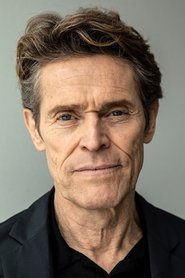 Willem DafoeKlaus Daimler
 Jeff GoldblumAlistair Hennessey
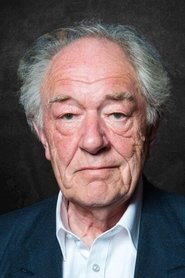 Michael GambonOseary Drakoulias
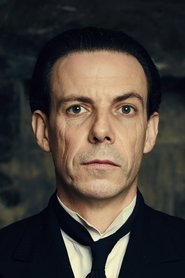 Noah TaylorVladimir Wolodarsky
 Bud CortBill Ubell
 Seu JorgePelé dos Santos
 Robyn CohenAnne-Marie Sakowitz
 Waris AhluwaliaVikram Ray
Directing
- Wes AndersonDirector
- Inti CarboniFirst Assistant Director
- Sam HoffmanFirst Assistant Director
- Annemarie van de MondScript Supervisor
- Simonetta ValentiniSecond Assistant Director
- Edoardo FerrettiSecond Second Assistant Director
- Edoardo PettiSecond Second Assistant Director
- Roman CoppolaSecond Unit Director
- Luigi SpoletiniSecond Unit First Assistant Director
Writing
- Noah BaumbachWriter
- Wes AndersonWriter
Production
- Marco OlivieriAssistant Location Manager
- Matteo von NormannAssistant Location Manager
- Maurizio BaratellaAssistant Location Manager
- Nicola FedrigoniAssistant Location Manager
- Silvia RioloAssistant Production Coordinator
- Manuela CacciamaniAssistant Unit Manager
- Dan BeersAssociate Producer
- Douglas AibelCasting
- Stephanie HolbrookCasting Associate
- Enzo SistiCo-Producer
- Rudd SimmonsExecutive Producer
- Andrea PassalacquaLocation Manager
- Enrico LatellaLocation Manager
- Erik PaolettiLocation Manager
- Barry MendelProducer
- Scott RudinProducer
- Wes AndersonProducer
- Norma Marie MasciaProduction Coordinator
- Stefania SistiProduction Secretary
- Federico FotiUnit Manager
- Vito ColazzoUnit Production Manager
Recommended by
Nadia: The Secret of Blue Water, The Royal Tenenbaums, Blue Planet II, The Darjeeling Limited, The French Dispatch of the Liberty, Kansas Evening Sun, The Men Who Stare at Goats, Rosencrantz & Guildenstern Are Dead, King of Hearts, I ♥ Huckabees, The Wonderful Story of Henry Sugar, The Big Year, Indiana Jones and the Kingdom of the Crystal Skull, Fortuna