
Film
Rosencrantz & Guildenstern Are Dead
- Absurdist comedy
- Strange
Tom Stoppard's audacious 1991 film adaptation of his own play, where two minor Hamlet characters become the heroes of their own existential comedy. It's a clever, wordy, visually inventive riff on Shakespeare that asks what happens in the wings while the tragedy plays out centre stage. Ideal for people who love language, philosophy served with a smile, and don't mind rewatching to catch everything.
Should you watch it?
Watch it if you love theatre-minded comedy where wordplay about fate, chance and coin tosses slowly turns into genuine melancholy, and you enjoy a film that talks about its own stage.
Skip it if you want a plot that moves forward, since much of the film is two men circling the same bewildered conversations, and its absurdist talk can feel like a long wait for a payoff.
What it asks of you: It runs about two hours of mostly talky, stylised back-and-forth, so it wants patience and close listening more than it wants your attention to action.
Not sure? Find tonight's pick in a minute.
If you liked this
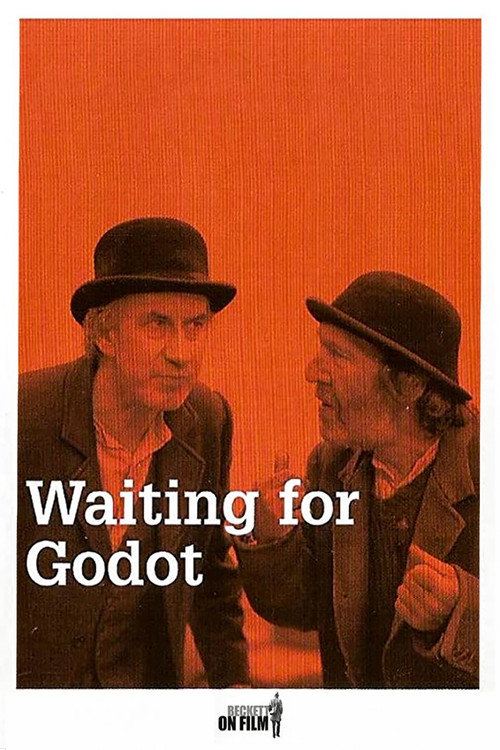
Waiting for Godot2001
Two characters waiting, talking, finding absurd meaning in nothing. Beckett's play has the same patient, circular logic and philosophical playfulness—two people trying to matter while time passes.
But It's a stage play filmed simply, and nothing happens in a literal sense. The humour is glacial and demands patience.
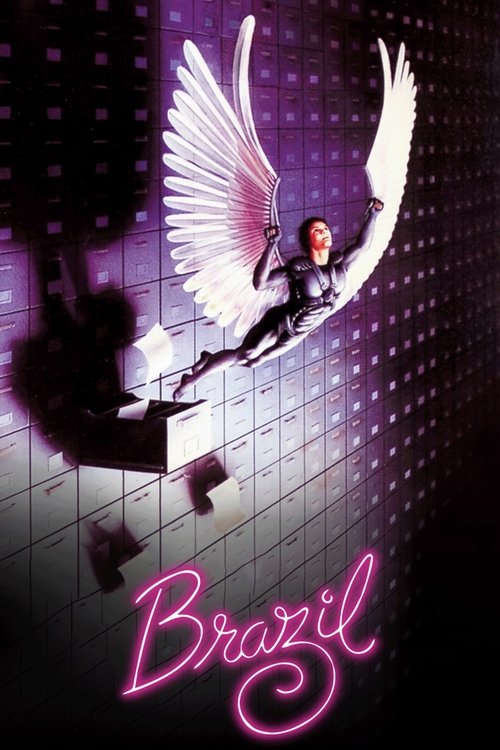
Brazil1985
Terry Gilliam's baroque, imaginative satire where bureaucracy and absurdity collide. Like Stoppard, it layers wordplay and visual invention to ask awkward questions about meaning and control.
But It's visually dense and narratively slippery. Some scenes feel more like fever dreams than plot, which frustrates people wanting clarity.
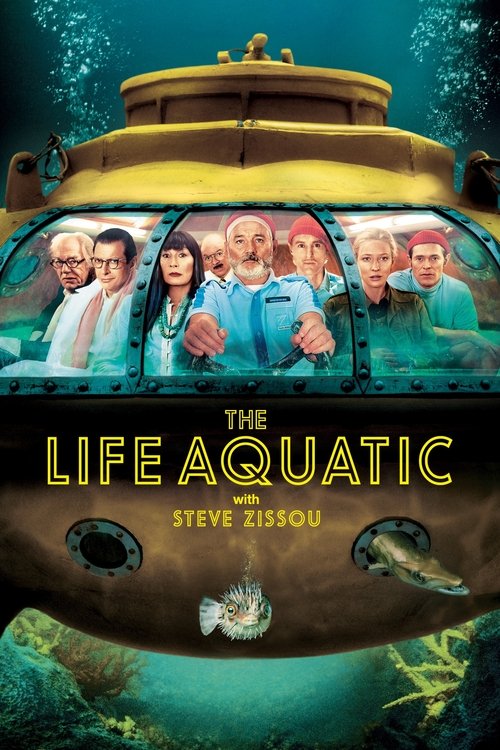
The Life Aquatic with Steve Zissou2004
Wes Anderson's deadpan comedy about misfits on a quest. Both films feature small groups of people in contained worlds, riffing on adventure while quietly exploring loneliness and purpose.
But Anderson's symmetrical, pastel-tinted aesthetic and static scenes will feel mannered if you prefer naturalism and forward momentum.
Not sure tonight? Get a pick in a minute, starting from Rosencrantz & Guildenstern Are Dead
The wildcard
Something you would not have found on your own.
La Haine1995
Both films insist that ordinary people deserve to be the centre of their own narratives, and both use formal playfulness to explore whether that matters.
Mathieu Kassovitz's three-act knockout about class, chance, and meaninglessness in Paris. Like Stoppard, it treats minor characters as philosophers and uses formal invention (reverse chronology in the epilogue) to ask whether lives matter at all.
But It's violent, tense, and morphs from comedy to genuine dread. The portrait of systemic powerlessness is unsparing, not comforting.

More like this (7)
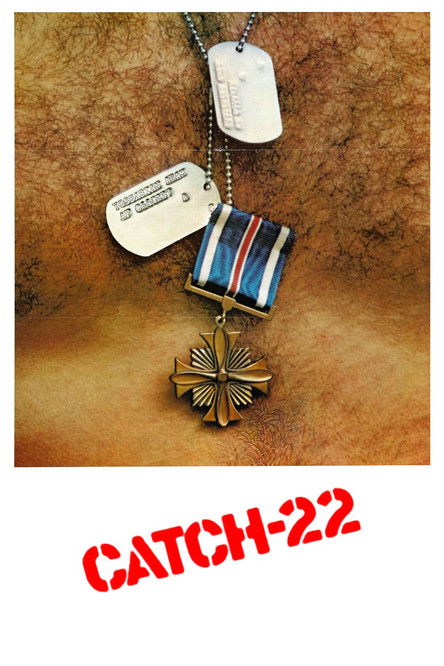
Catch-221970
Nichols' adaptation of Heller shares Stoppard's love of linguistic paradox and circular logic as a window onto absurdity. Darkly funny, verbally intricate, deeply concerned with powerlessness.
But It's episodic and sometimes loses narrative thread. The satire can feel scattered, and the tonal shifts between comedy and horror unsettle some viewers.
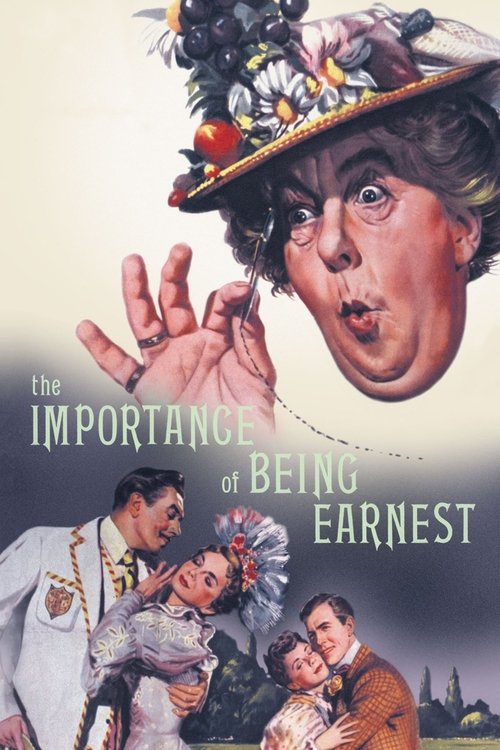
The Importance of Being Earnest1952
Wilde's play-turned-film is similarly obsessed with language as performance, identity as invention, and the comedy of characters talking past each other while saying everything.
But It's a filmed stage play with very theatrical delivery. If you find arch, patterned dialogue affected, this won't convert you.
Synecdoche, New York2008
Kaufman's baroque meditation on art, mortality, and the exhaustion of meaning. Like Stoppard, it's playfully constructed around big philosophical questions while its characters circle their own irrelevance.
But It's deliberately labyrinthine and emotionally crushing. Some see it as brilliant, others as self-indulgent and impenetrable.

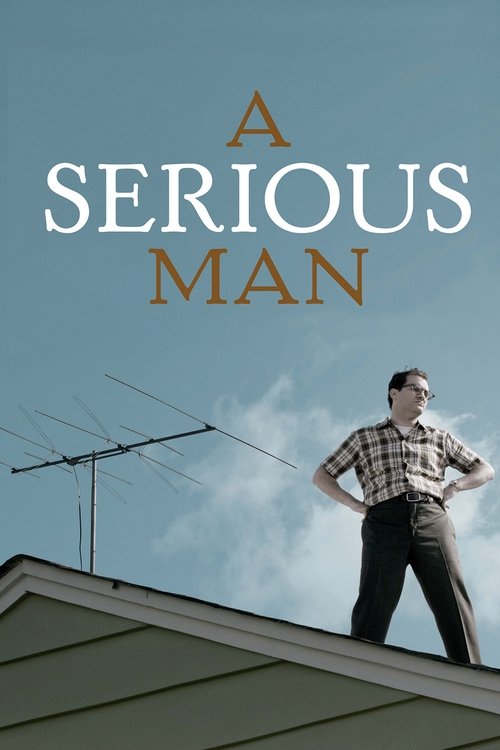
A Serious Man2009
The Coens' tragicomedy about a man trying to understand why the world is inexplicably hostile. Shares Stoppard's dry, philosophical tone and the dark humour of wrestling with meaninglessness.
But It's bleak and offers no comforting answers. The humour is caustic, and the pacing is deliberate to the point of slowness for some tastes.
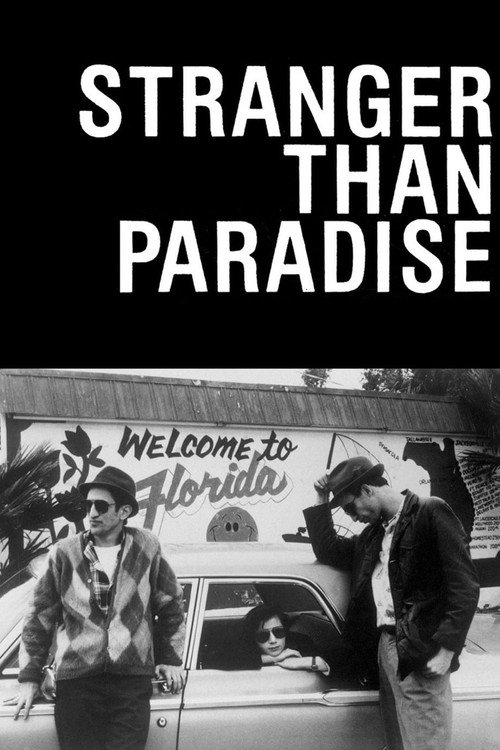
Stranger Than Paradise1984
Jarmusch's deadpan, minimal film about three drifters. Like Stoppard's work, it finds comedy and melancholy in aimlessness, and trusts language and silence equally.
But Almost nothing happens. Black-and-white, no score, long takes of people doing very little. Patience isn't optional.
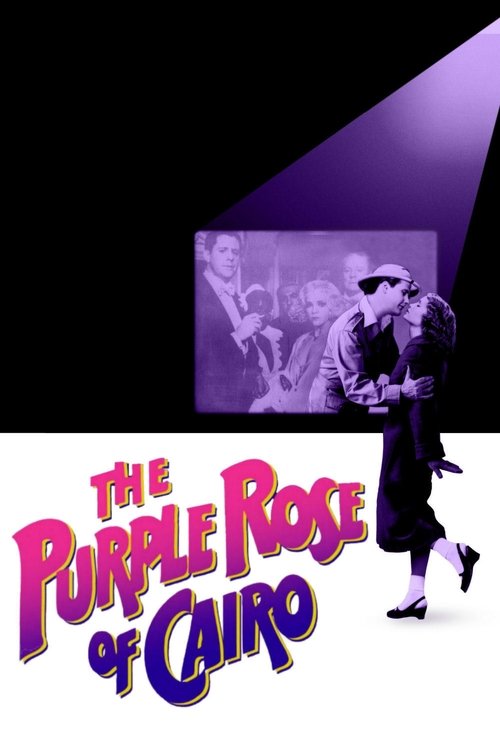
The Purple Rose of Cairo1985
Allen's bittersweet comedy about a woman who falls for a character who steps out of a film. Both examine the theatricality of existence and the gap between performance and being.
But It's gentler and more sentimental than Stoppard. If you want your metafiction colder and more cerebral, this might feel too warm.
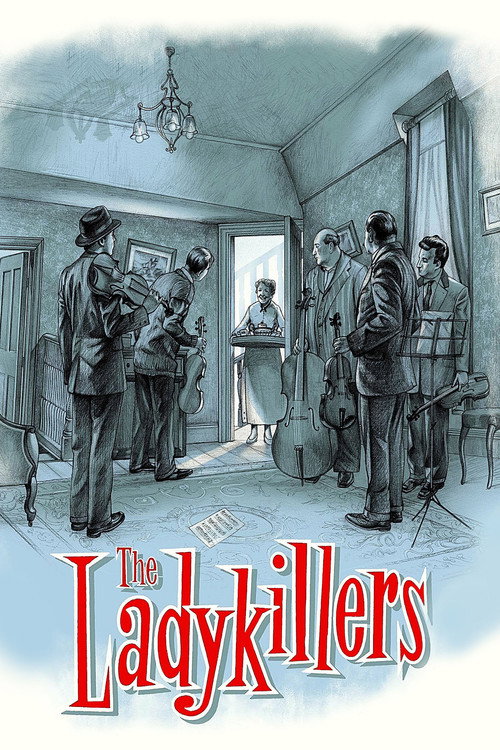
The Ladykillers1955
Stoppard admired Ealing's marriage of playfulness and darkness. Both celebrate human ingenuity and language while acknowledging that plans collapse and chance wins.
The Ealing comedy that influenced Stoppard's whole sensibility: criminals posing as musicians, elaborate deceptions, language as a weapon, dark humour threading through mechanical plotting. Pure invention within strict constraints.
But It's a 1950s British comedy, so the pace is mannered and the jokes land differently now. Some business feels creaky by modern standards.
People
Cast
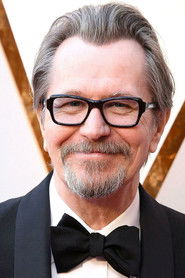 Gary OldmanRosencrantz
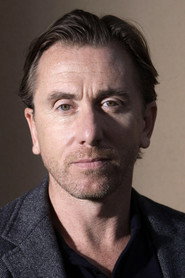 Tim RothGuildenstern
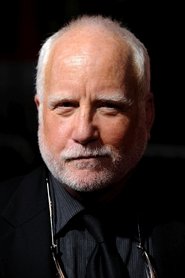 Richard DreyfussThe Player
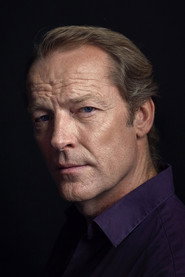 Iain GlenHamlet
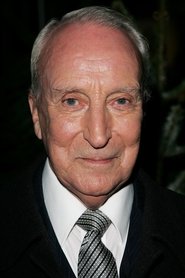 Ian RichardsonPolonius
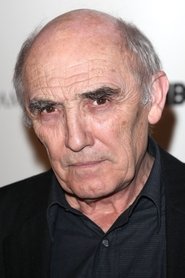 Donald SumpterClaudius
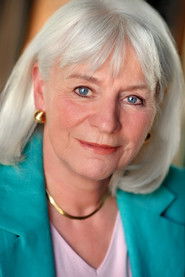 Joanna MilesGertrude
- Joanna RothOphelia
- John BurgessAmbassador from England
 Livio BadurinaTragedian (Alfred)
- Tomislav MareticTragedian
- Mare MlacnikTragedian
Directing
- Zoran BlazevicAssistant Director
- Tom StoppardDirector
- Bill WestleyFirst Assistant Director
- Zoran BudakFirst Assistant Director
- Dubravko ScherrSecond Assistant Director
- Peter CottonSecond Assistant Director
- Zoran BudakSecond Unit Director
Writing
- Tom StoppardTheatre Play
- William ShakespeareTheatre Play
- Tom StoppardWriter
Production
- Doreen JonesCasting
- Iris MerlisCo-Producer
- Patrick WhitleyCo-Producer
- Louise StephensExecutive Producer
- Thomas J. RizzoExecutive Producer
- Emanuel AzenbergProducer
- Michael BrandmanProducer
- Vicki DeasonProduction Coordinator
Recommended by
Hamlet, Waiting for Godot, Twelfth Night, Hamlet, Looking for Richard, A Midsummer Night's Dream, Measure for Measure, Twelfth Night, Love's Labour's Lost, Hamletmachine, The Skin of Our Teeth, Six Characters in Search of An Author