
Film
Love's Labour's Lost
Other titles called Love's Labour's Lost: the 2000 film.
- Comedy
- Romantic comedy
- Light-hearted
Shakespeare's wittiest comedy about four men who swear off women, then immediately break their oath. This 1985 BBC film version is brisk, playful, and genuinely alive—the dialogue sparkles without feeling dusty. It's for anyone who finds clever wordplay as seductive as romance, and who doesn't mind that the plot barely matters.
Should you watch it?
Watch it if you delight in wordplay, verbal sparring and courtship conducted as witty argument, and enjoy a stage-bound production where the language does the heavy lifting.
Skip it if you want plot momentum or modern pacing, since very little happens beyond talk, and the Elizabethan verse can feel like homework for long stretches.
What it asks of you: Roughly two hours of rapid, ornate dialogue with few breathing spaces; you need to stay alert to follow jokes that turn on double meanings.
Not sure? Find tonight's pick in a minute.
If you liked this
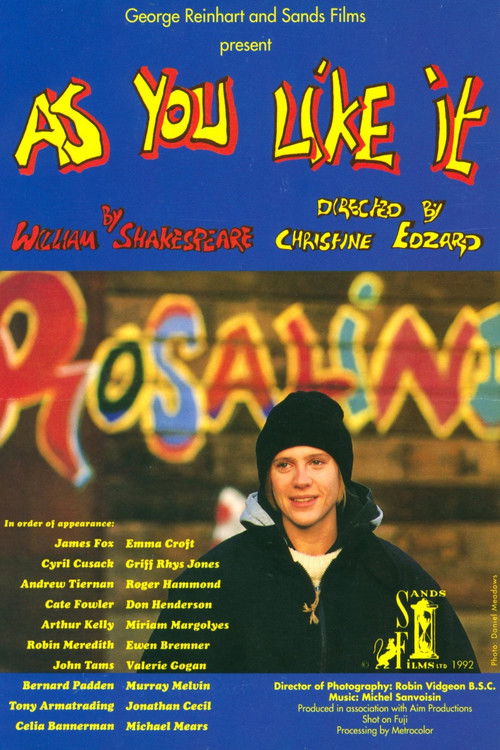
As You Like It1992
Another Shakespeare comedy where wit and misdirected love collide beautifully. The forest setting gives it a dreamy quality, and the romance feels earned rather than imposed. Genuinely romantic without losing the comedy.
But Slightly longer and the pastoral setting might feel slow if you're not in the mood for Shakespeare's gentler pace.
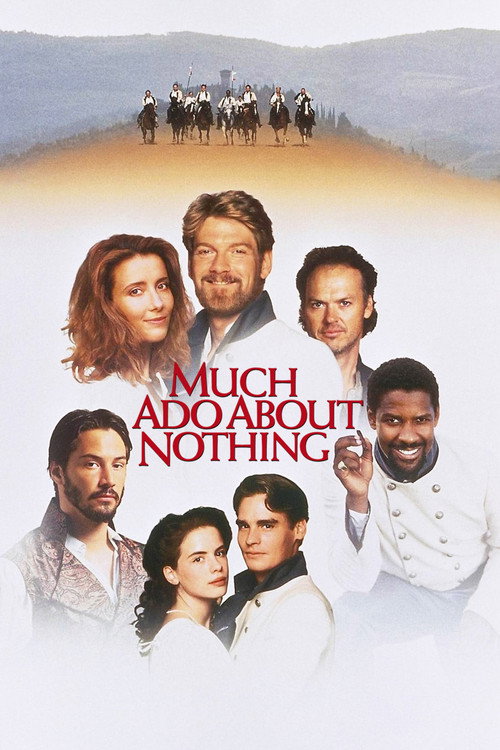
Much Ado About Nothing1993
The banter between Beatrice and Benedick is some of Shakespeare's sharpest comedy. Kenneth Branagh's film is confident and properly funny, with real chemistry and beautiful Italian locations that make the romance feel lived-in.
But The subplot involving the other couple can feel thin, and Branagh's directorial choices are sometimes overstated.
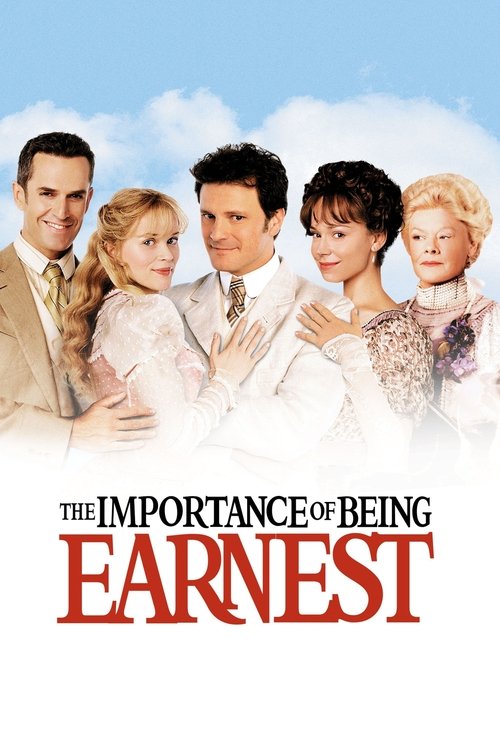
The Importance of Being Earnest2002
Similar DNA—elaborate deceptions, witty men undone by women, language as pure entertainment. Reeves's film captures the play's artificiality and speed. The humor is more arch but equally rewarding if you love clever dialogue.
But It's Wilde, not Shakespeare—the sensibility is colder, less romantic. Some might find it too theatrical.
Not sure tonight? Get a pick in a minute, starting from Love's Labour's Lost
The wildcard
Something you would not have found on your own.
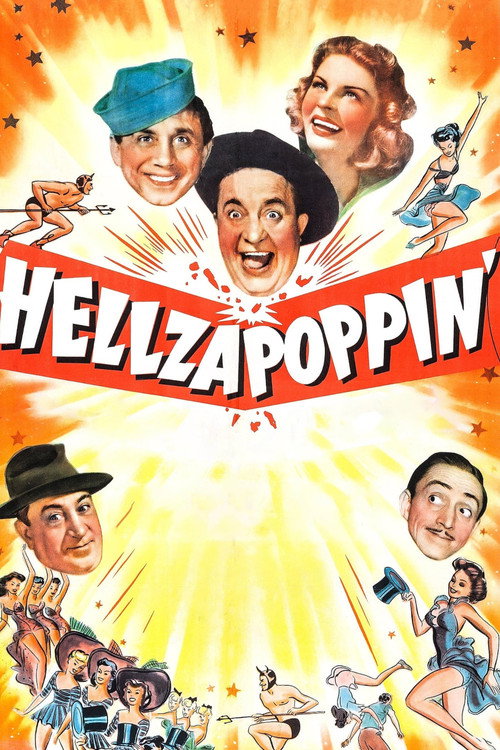
Hellzapoppin'1941
Both films treat plot as an afterthought and language/performance as everything. The joy is in watching clever people be clever, not in romantic resolution.
A vaudeville two-hander about a couple courting while chaos erupts around them. Pure verbal and physical comedy in constant motion. Like Love's Labour's Lost, the plot is scaffolding for joke-making and inventive wit.
But It's exhaustingly fast-paced and sometimes feels like a sketch show rather than a film. The humor is often cornball and depends on your patience with 1940s sensibility.
More like this (8)
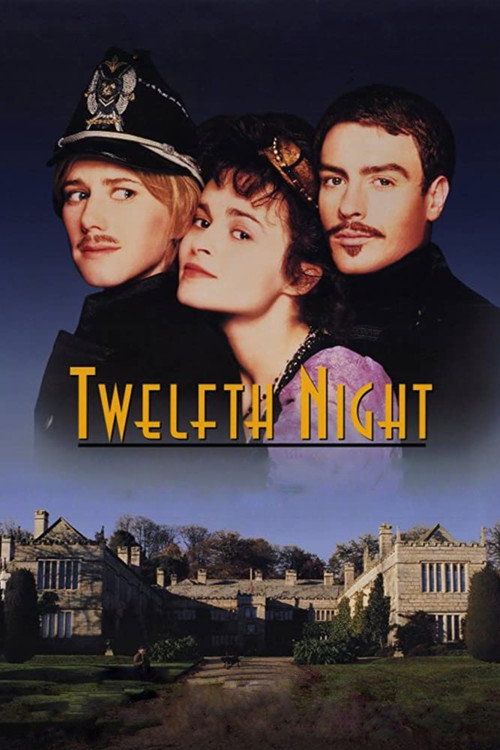
Twelfth Night1996
Shakespeare's most intricately plotted comedy. Gender confusion, mistaken identity, and genuine emotional stakes hiding under the jokes. The 1996 film is visually sumptuous and surprisingly touching.
But The plot mechanics can feel contrived, and the ending resolves things almost too neatly for modern tastes.
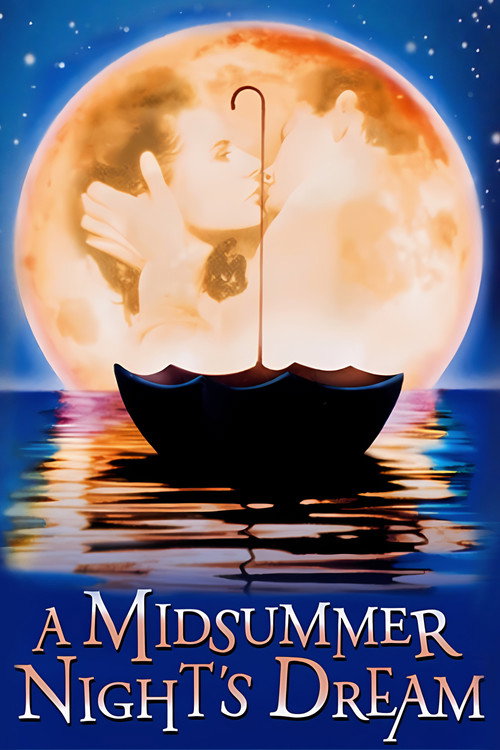
A Midsummer Night's Dream1996
Young love, supernatural meddling, and magical misunderstandings. Completely enchanting and visually stunning. The comedy comes from chaos rather than wit, but it's irresistible and has genuine sweetness underneath.
But If you want clever wordplay, this leans more on physical comedy and plot absurdity. Some actors struggle with the verse.
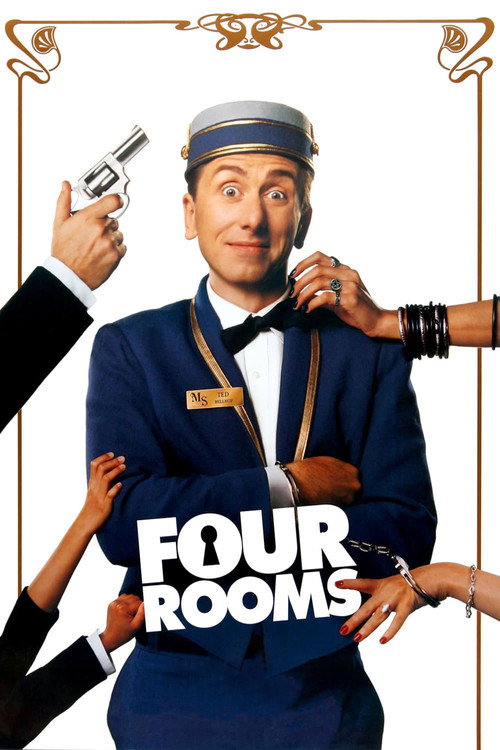
Four Rooms1995
Four separate stories in one night, each highlighting a different kind of romantic or social entanglement. Fast-paced, modern, and genuinely clever about desire and miscommunication without relying on Shakespeare's structure.
But The ensemble cast means less depth with any one character. Some stories land better than others, and the indie filmmaking style won't appeal to everyone.
Breakfast at Tiffany's1961
Romance built on witty banter and elegant evasion. Audrey Hepburn is mesmerizing, and the dialogue has the same kind of playful intelligence as Love's Labour's Lost. It's about people performing versions of themselves.
But The pacing is slow by modern standards, and some supporting characters haven't aged well in terms of stereotyping.

Singin' in the Rain1952
Pure joy. Romance, comedy, and verbal wit delivered through song and dance. The three leads have enormous charisma and the film moves at a clip while maintaining real tenderness between the characters.
But It's a musical, which requires a particular appetite. If you're not in the mood for dancing and singing, the plot itself is fairly thin.

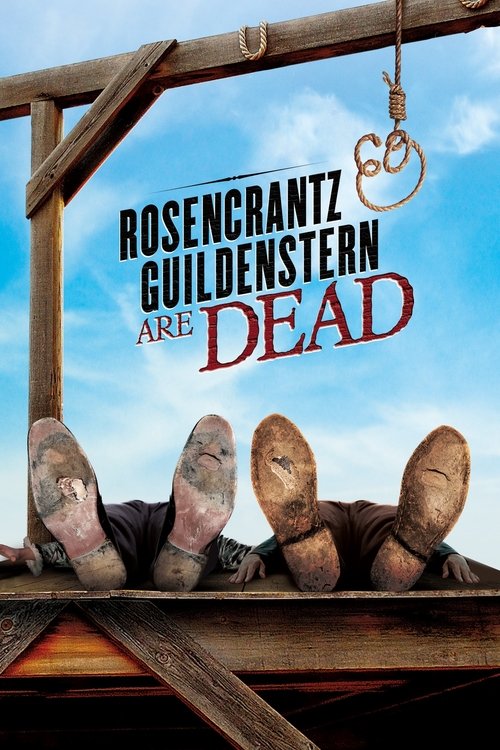
Rosencrantz & Guildenstern Are Dead1991
Two minor characters from Hamlet given the spotlight, caught in meaningless repetition. The dialogue is glittering and philosophical. It's comedy that makes you think, with genuine laughs alongside the existential dread.
But It's deliberately bleak and absurdist. If you want straightforward romance or catharsis, this will frustrate you entirely.
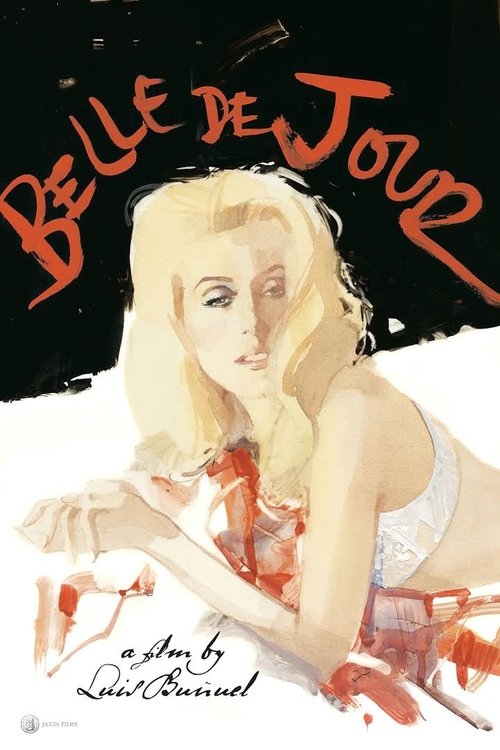
Belle de Jour1967
Both films are fundamentally about performance and self-deception. Characters construct versions of themselves for others; the real self remains hidden. Love's Labour's Lost is comic about it; Belle de jour is unsettling.
Buñuel's dreamlike story of a woman living a double life. Surreal, erotic, and genuinely mysterious. Every frame is composed like a painting, and the film works on you without ever explaining itself fully.
But It's deliberately obscure and refuses to clarify its meanings. Some will find it pretentious or frustrating. It's also not a comedy—it's something stranger.
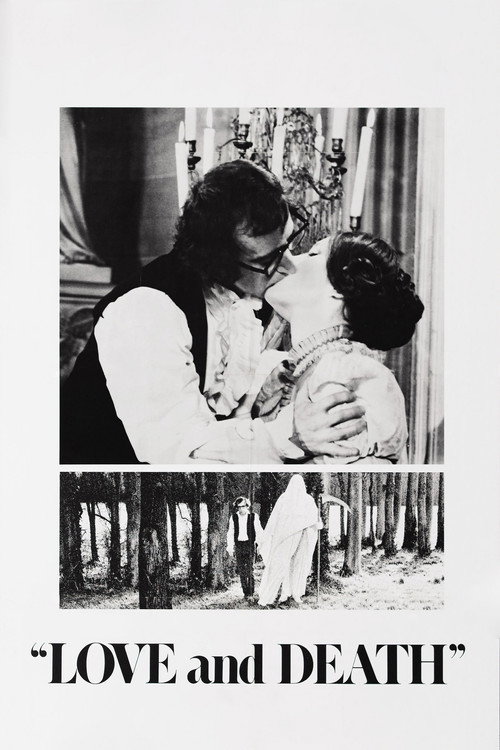
Love and Death1975
Both use comedy as a vehicle for characters to sidestep real emotion. The witty banter and elaborate schemes are ways of avoiding genuine feeling. Both films are ultimately about that avoidance being impossible.
Woody Allen's comic fever dream set during the Napoleonic Wars. Relentless verbal gags, philosophical absurdity, and genuine heart underneath. It's anarchic comedy that respects intelligence without pretension.
But Allen's style can be exhausting—the jokes come in waves and not all land. It's also deeply self-referential in a way that dates it. Some will find the tone uneven.
People
Cast
- Jonathan KentFerdinand, King of Navarre
 Christopher BlakeLongaville
 Geoffrey BurridgeDumain
 Mike GwilymBerowne
 Maureen LipmanThe Princess of France
 Jenny AgutterRosaline
 Katy BeheanMaria
 Petra MarkhamKatharine
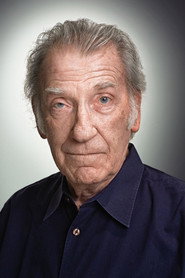 David WarnerDon Armado
- John KaneMoth
 Paul JessonCostard
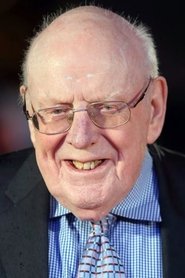 Frank WilliamsDull
Directing
- Elijah MoshinskyDirector
Writing
- William ShakespeareAuthor
- William ShakespeareTheatre Play
Production
- Shaun SuttonProducer