
Film
Love and Death
Woody Allen's absurdist romp through Napoleonic Russia, where a bumbling conscript and his cousin scheme to kill the Emperor. It's Allen at his most playfully philosophical, riffing on death, love, and the futility of grand gestures across 85 minutes of deadpan chaos. For anyone who loves brainy comedy that refuses to sit still.
Should you watch it?
Watch it if you love Woody Allen's early, joke-dense absurdism, where Russian novel gravity gets punctured by one-liners, lovestruck self-pity and parodies of Dostoevsky-sized brooding.
Skip it if you want a steady plot or a single consistent tone, since this is a loose run of sketches that leans on gags over story.
What it asks of you: Brisk and episodic, it runs about an hour and a half, asking you to ride its shifts in mood rather than settle into any one of them.
Not sure? Find tonight's pick in a minute.
If you liked this
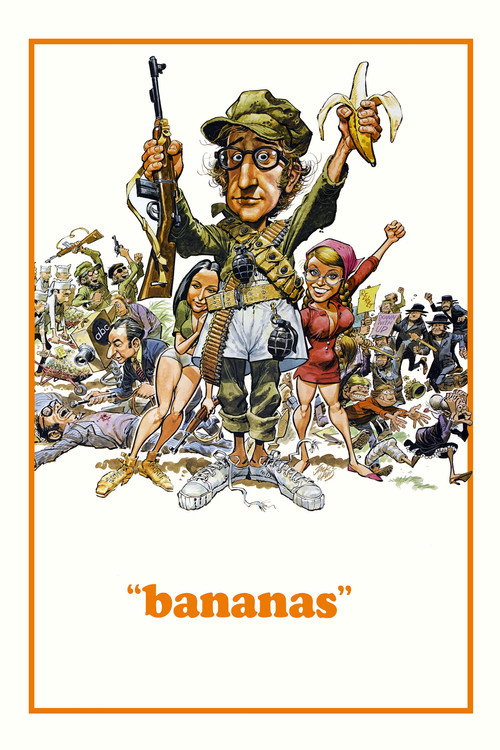
Bananas1971
Allen's earlier anarchic masterpiece about revolution and absurdity. If you loved the dizzy logic and rapid-fire jokes of Love and Death, this is where he perfected the formula with equal parts silliness and swagger.
But The political satire feels occasionally scattered, and some jokes land with a thud. It's shaggy in a way that asks patience.
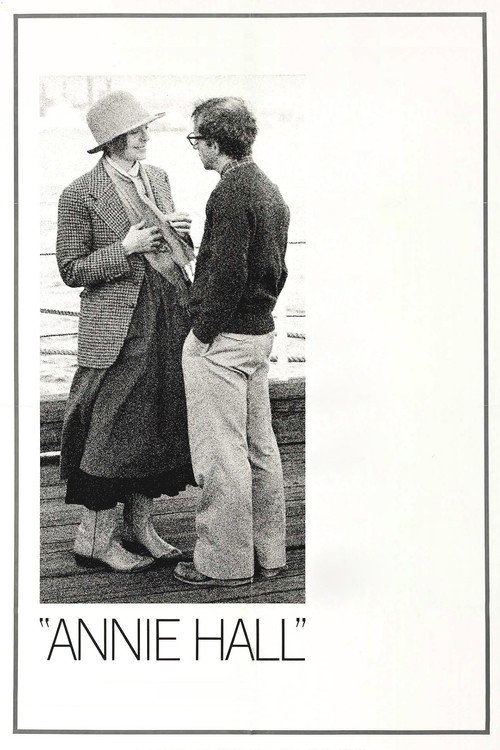
Annie Hall1977
Allen's tonal masterpiece, made just after Love and Death. It trades pure zaniness for something more poignant, but keeps the neurotic voice and New York sensibility. His finest film, and proof he could do both comedy and depth.
But It's a romance first and comedy second. If you're here strictly for the gags, the emotional sincerity might feel like a slowdown.
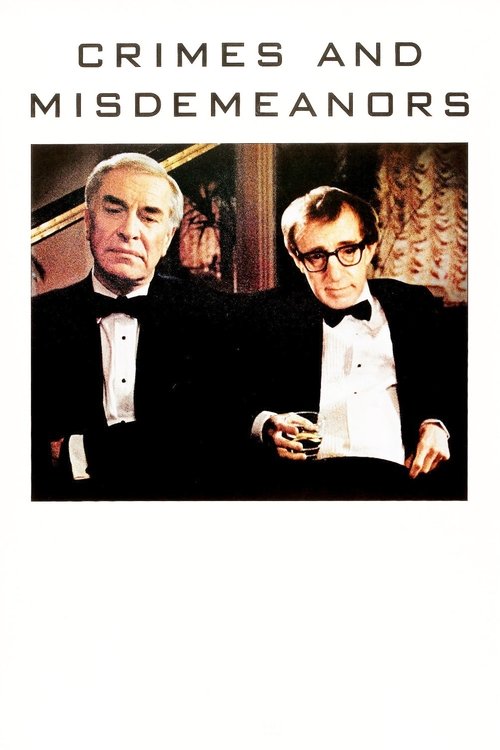
Crimes and Misdemeanors1989
Allen goes dark and philosophical without losing his voice. Two interwoven stories about morality, guilt, and how we rationalize the unforgivable. The blend of comedy and existential weight is masterful.
But It's a tonal roller-coaster that doesn't always land smoothly. Some viewers find the tonal shifts between the two plots jarring rather than clever.
Not sure tonight? Get a pick in a minute, starting from Love and Death
The wildcard
Something you would not have found on your own.
Stalker1979
Both are philosophical comedies in reverse: one uses humor to address the absurd; the other uses silence. Both ask what we're really after when we scheme and strive.
Andrei Tarkovsky's meditative science-fiction film about a guide leading seekers through a mysterious zone toward a room that grants wishes. Like Love and Death, it's deeply philosophical about desire, mortality, and meaning—but it trades Allen's jokes for haunting silence. Both films are obsessed with the human need to make sense of chaos.
But Stalker is nearly three hours of slow, glacial cinema. There are no jokes, no plot momentum, and long stretches where nothing apparent happens. Patience isn't optional; it's mandatory.

More like this (8)
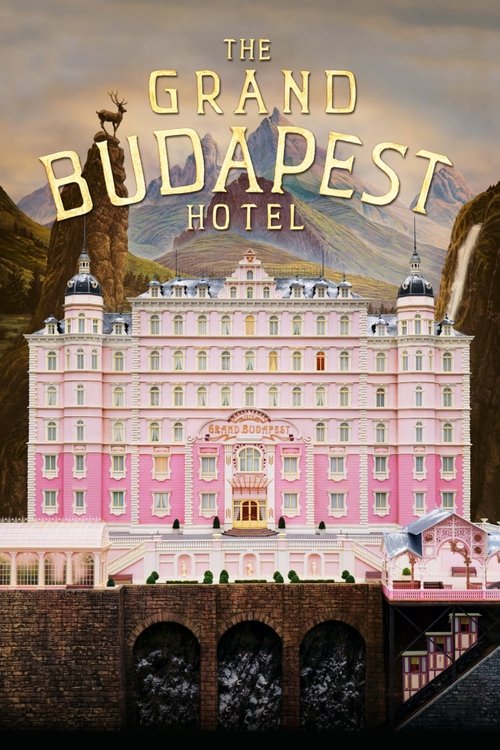
The Grand Budapest Hotel2014
Wes Anderson channels Woody Allen's verbal wit and philosophical playfulness through his own meticulous visual style. A heist caper told across decades with warmth, precision, and genuine heart. It's Allen's sensibility in different hands.
But If you don't love Anderson's symmetrical, self-aware aesthetic, it might feel airless or over-designed. The whimsy can feel precious.
Breakfast at Tiffany's1961
Diane Keaton's costar here, Audrey Hepburn, defined the charming-chaos persona that both Keaton and Allen are playing with. It's the DNA of their dynamic, beautifully captured in a film about drifters and reinvention.
But It's a much more earnest romance than Love and Death's satire. The tonal shift away from comedy can feel abrupt if you're expecting laughs throughout.

Singin' in the Rain1952
Gene Kelly and Donald O'Connor showcase a kind of physical comedy and rapid-fire charm that Allen admires. Pure joy in motion, with jokes that land through performance rather than words. Comedy that dances.
But The plot is thin and largely excuse-driven. Some find the sentimentality heavy-handed compared to modern sensibilities.

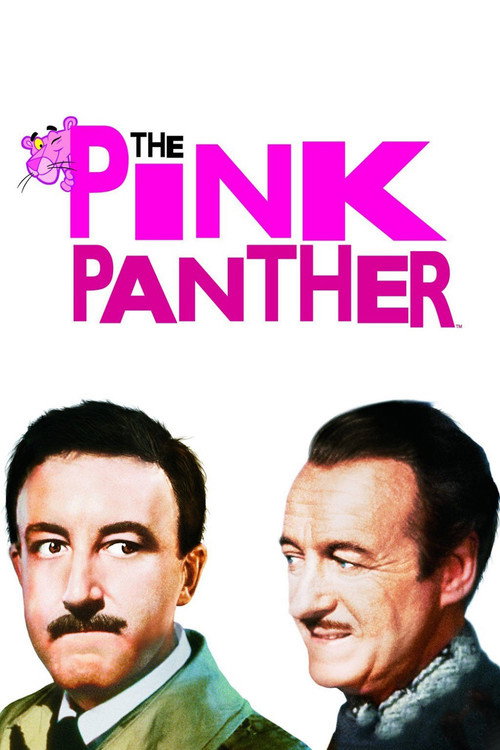
The Pink Panther1963
Peter Sellers' Inspector Clouseau is a masterclass in bumbling incompetence that shares DNA with Allen's Boris. Slapstick comedy with an anarchic edge, where the chaos is the point and it never wears out its welcome.
But The physical comedy might feel dated, and some sequences drag. It's a long film for what is essentially one joke stretched beautifully.
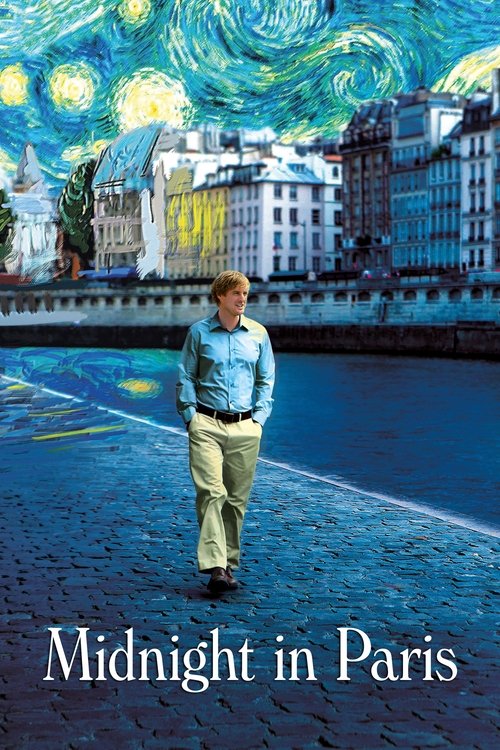
Midnight in Paris2011
A lighter Allen film for those who find his neurotic voice too much. Time-travel nostalgia wrapped in romantic comedy and Paris glamour. It's his most accessible and charming work, with genuine warmth beneath the whimsy.
But The premise is pure wish-fulfillment fantasy that some find saccharine. It's Allen on cruise control, not pushing himself, and that shows.
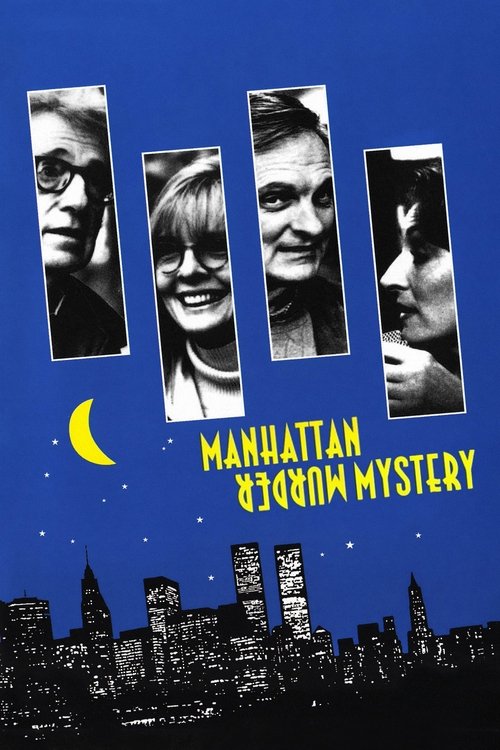
Manhattan Murder Mystery1993
Allen returns to comedy-mystery after a decade of serious work. It's lighter, breezier, and has real affection for its characters while still delivering jokes. A nice reminder that Allen can be funny without being devastated.
But It never quite coalesces into something memorable. The mystery is thin and the comedy familiar, making it feel like a pleasant but disposable Allen exercise.
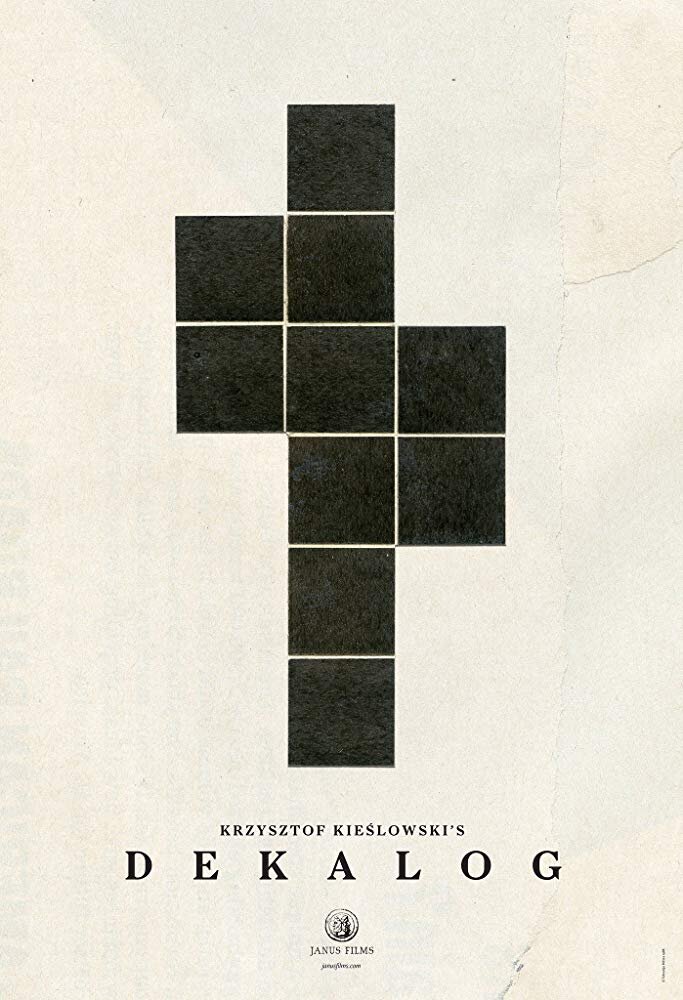
Dekalog1989
Both are anxious films about how to live in a world without clear answers. Both use humor (subtle in Kieslowski's case) to deflate pretense. Both believe philosophy belongs in art.
Kieslowski's ten-part series examining the Ten Commandments through the lives of residents in a Warsaw apartment block. Like Love and Death, it's formally playful and philosophically restless, ping-ponging between the mundane and the eternal. Each episode is a small, perfect chamber piece about mortality and moral failure.
But It's slow, deliberately obscure, and requires active interpretation. Nothing is explained. If you want clear answers about right and wrong, you won't find them here—and that's the point, which some find maddening.
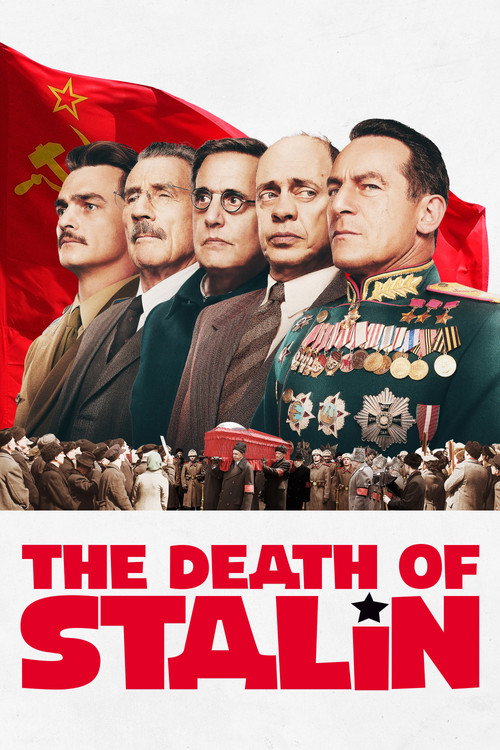
The Death of Stalin2017
Both films use comedy as a philosophical tool to examine power, mortality, and the schemes of small men. Both refuse sentimentality about the past. Both trust the audience to hold contradiction.
Armando Iannucci's pitch-black satire about the power struggle following Stalin's death. It's Allen's bone-dry intellectual comedy transplanted into Stalinist bureaucracy, where absurdity and atrocity are indistinguishable. In black-and-white, shot like a 1950s Russian film, yet ferociously funny about the machinery of totalitarianism.
But The humor is pitiless and the subject matter grave. It asks you to laugh at horror, which is morally queasy. Some find it trivializing; others find it the only honest response to tyranny.
People
Cast
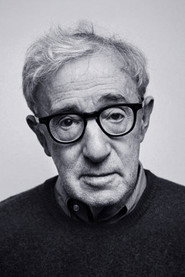 Woody AllenBoris Grushenko
 Diane KeatonSonja
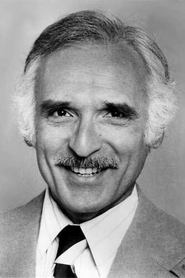 Harold GouldAnton Inbedkov
 Olga Georges-PicotCountess Alexandrovna
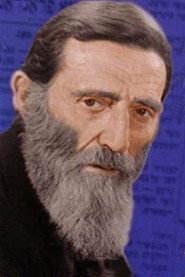 Zvee ScoolerFather
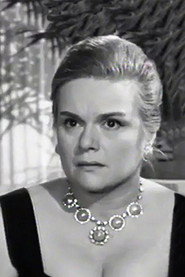 Despo DiamantidouMother
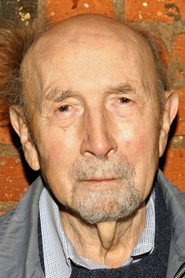 Sol FriederVoskovec
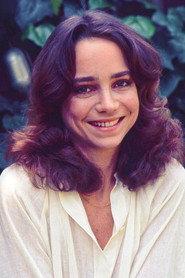 Jessica HarperNatasha
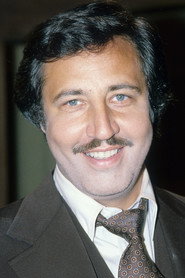 Lloyd BattistaDon Francisco
 Alfred LutterYoung Boris
 Georges AdetOld Nehamkin
- Frank AduDrill Sergeant
Directing
- Woody AllenDirector
- Paul FeyderFirst Assistant Director
- Catherine PrévertScript Supervisor
- Bernard CohnSecond Assistant Director
- Zsuzsa SzemesSecond Assistant Director
Writing
- Woody AllenWriter
Production
- Marie-Jose TestardAccountant
- Patrick GordonAssistant Unit Manager
- Fred T. GalloAssociate Producer
- Blanche WiesenfeldCasting
- Juliet TaylorCasting
- Miriam BrickmanCasting
- Martin PollExecutive Producer
- Adele SandersOther
- Charles H. JoffeProducer
- Blanche WiesenfeldProduction Secretary
- Suzanne WiesenfeldProduction Supervisor
- Jean-Marie DurandUnit Manager
Recommended by
Deconstructing Harry, Mondo Trasho, Everything You Always Wanted to Know About Sex *But Were Afraid to Ask, Mighty Aphrodite, Taking Off, Melinda and Melinda, Love's Labour's Lost