
Film
Taking Off
Miloš Forman's debut American film follows middle-class parents adrift when their teenage daughter vanishes. It's a comedy that pivots toward something stranger—a group portrait of bewildered adults learning to live again, to party, to shed the weight of parental duty. Funny and unmoored, like watching people wake up in their own lives.
Should you watch it?
Watch it if you enjoy sharp, shaggy 1970s satire of suburban manners, where awkward social comedy sits comfortably beside a loose, improvised-feeling shape and a sly eye on the grown-ups.
Skip it if you want a tight plot or punchlines landing every minute, since this is a looser, meandering film that trades momentum for mood and small observational moments.
What it asks of you: Ninety-three minutes of easygoing, digressive scenes with no urgency, so you need to be content drifting along with the characters rather than waiting for the story to snap into focus.
Not sure? Find tonight's pick in a minute.
If you liked this
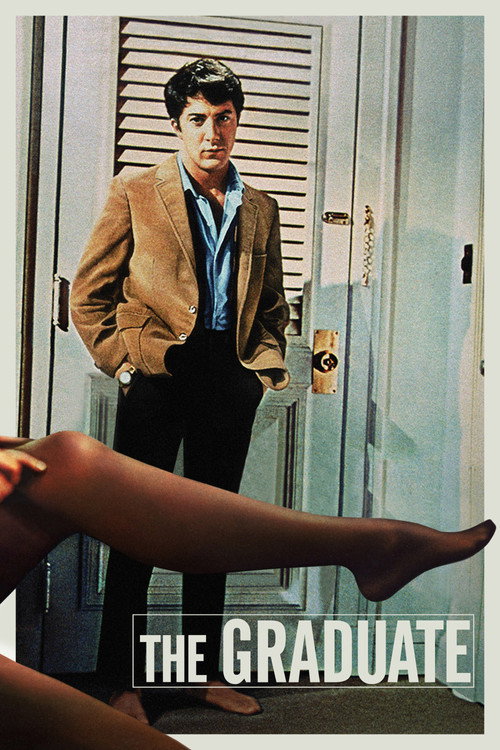
The Graduate1967
Benjamin's escape from his parents' world mirrors the Tynes' daughter fleeing theirs. Both films catch the moment when youth rebellion forces adults to question everything they've built.
But The pacing feels slow by modern standards, and Benjamin's passivity can read as indecisive rather than reflective.
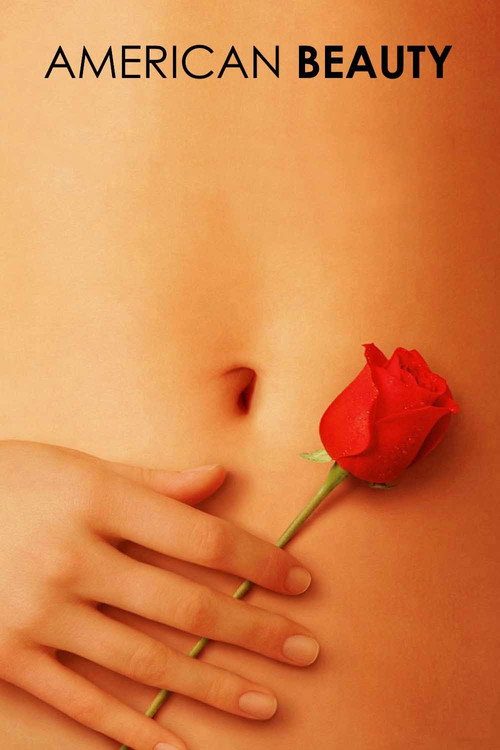
American Beauty1999
Another story of suburban malaise where parents face a reckoning with their own lives. Dark comedy wound tight around the same central question: what happens when you finally admit you're unhappy?
But It wears its metaphors heavily, and the ending oversells its own significance.
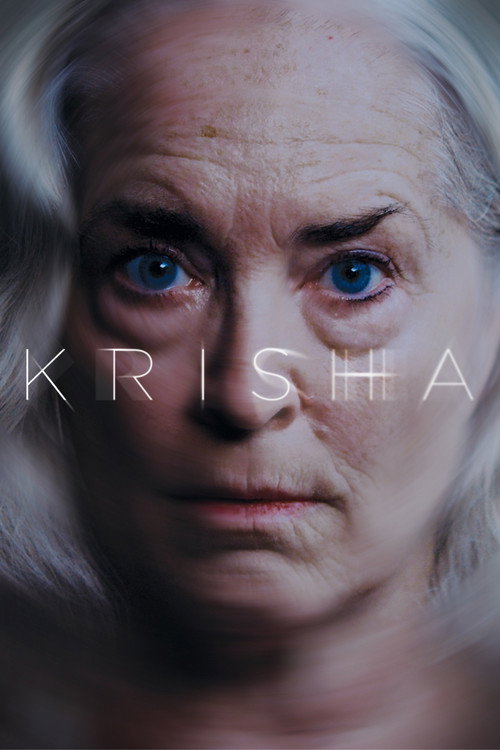
Krisha2016
A raw, semi-improvised portrait of family fracture and an addict son told from the parents' perspective. Forman would recognize this—the shock of losing someone and the slow, uncertain process of living forward.
But It's unsparing about addiction and poverty. There's almost no score, no softening, and very little comfort.
Not sure tonight? Get a pick in a minute, starting from Taking Off
The wildcard
Something you would not have found on your own.
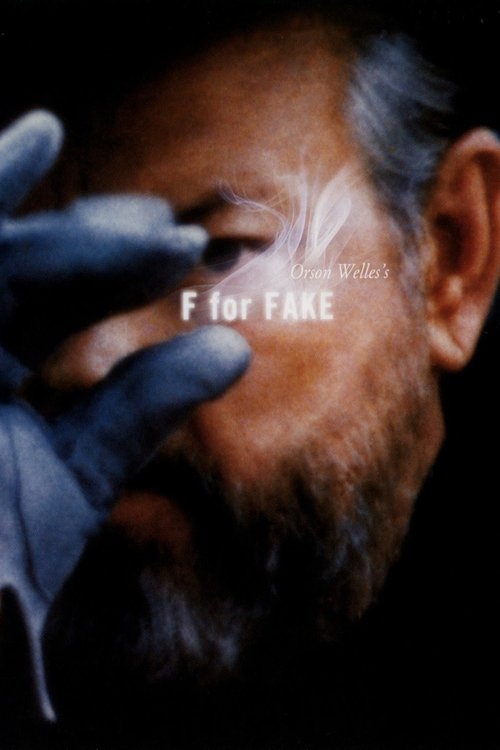
F for Fake1973
Both are films about the masks we wear and what happens when we can't tell the mask from the face. Both refuse to let audience comfort win.
Welles' kaleidoscopic essay on authenticity and deception came two years after Taking Off. It's wild, playful, disorienting—a formal mirror to Forman's inquiry into whether we know who we really are when roles fall away.
But It's avant-garde collage, not narrative. Half an hour in, you may have no idea what you're watching or if the film respects its own rules.
More like this (8)
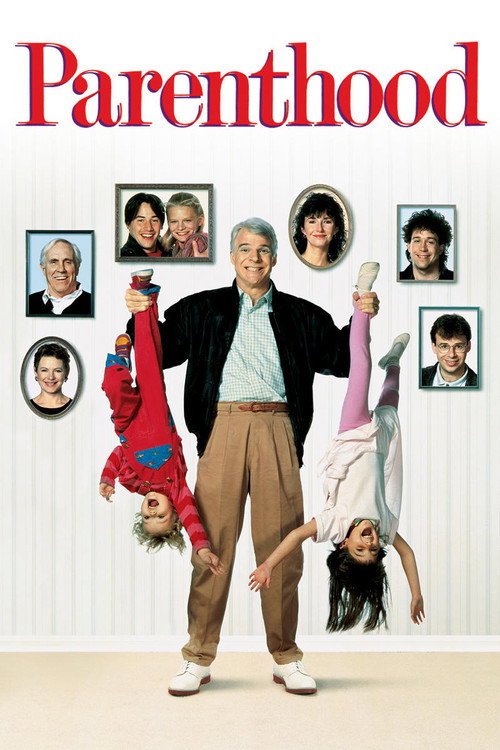
Parenthood1989
Ron Howard's ensemble explores what parenthood actually costs and what it might give back. Warm without being dishonest, it asks the same questions about who we become when children define us.
But The tone is closer to earnest drama than Forman's comedy. It wants to heal more than it wants to confuse.
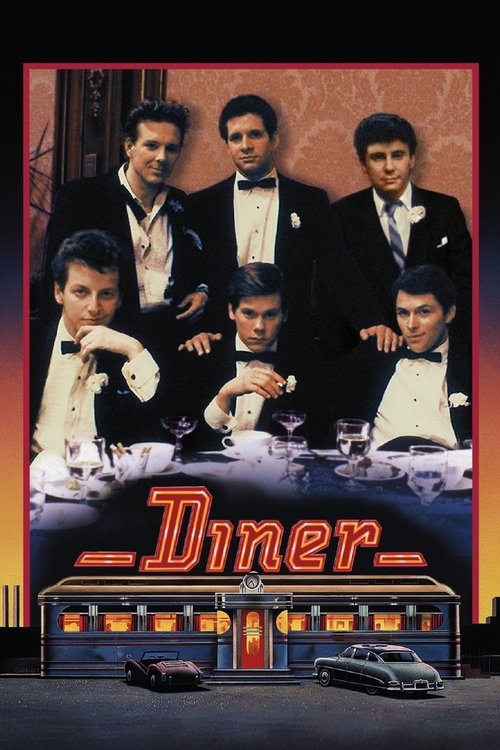
Diner1982
Barry Levinson's men at a crossroads—same era energy as Taking Off, same sense of adults trying to figure out how to live. It catches that moment before everything calcifies into routine.
But Entirely male-centered and no narrative to hang onto—if you need plot momentum, this will feel like people talking at a lunch counter.
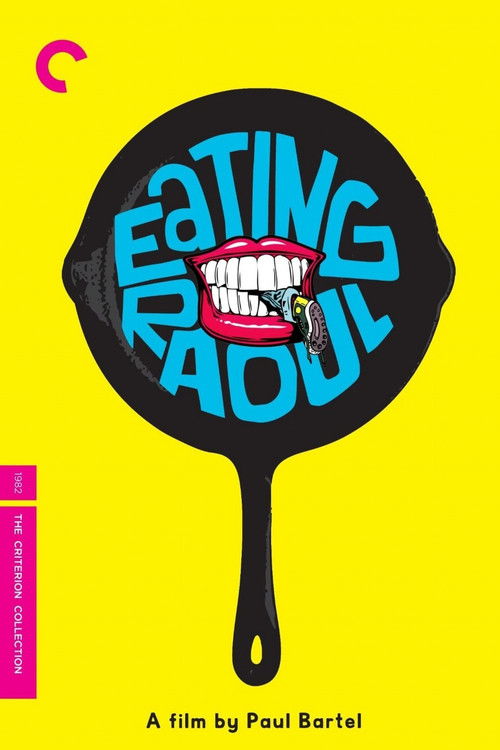
Eating Raoul1982
Dark comedy where middle-class people spiral into chaos. The same deadpan observation of how respectability erodes, how quickly normal people become strange when their world tilts.
But The humor is aggressive. Cannibalism jokes won't land if you came for gentle satire.
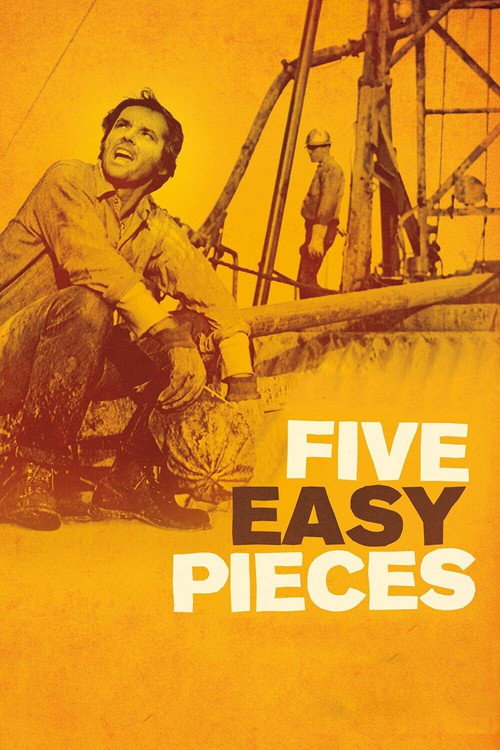
Five Easy Pieces1970
Nicholson as a man running from his own life, unable to settle into anything. Made the same year Taking Off was released—the same anxiety about authenticity, about whether you can ever really escape.
But Relentlessly bleak. There's no lightness to it, no redemption being offered, only accumulating emptiness.
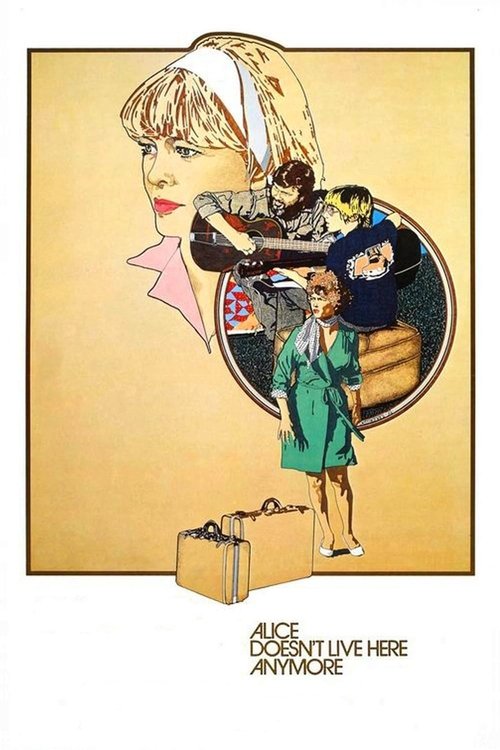
Alice Doesn't Live Here Anymore1974
Scorsese and Ellen Burstyn capture a woman becoming a person after decades of serving her family. That same tentative, sometimes hilarious first steps into freedom that Taking Off observes in the parents.
But It's a road movie that sometimes feels plotless. The episodic structure can feel shapeless if you're not invested in Burstyn's internal journey.
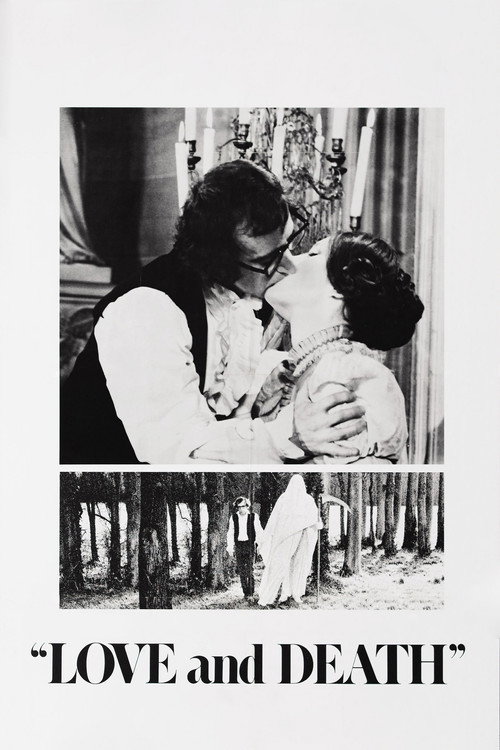
Love and Death1975
Woody Allen's marriage comedy examines what holds couples together when they've stopped trying. The same bittersweet note about desire, obligation, and whether you can ever really know your spouse.
But Allen's neurosis can be exhausting. If his particular brand of insecurity doesn't charm you, this will feel self-absorbed.
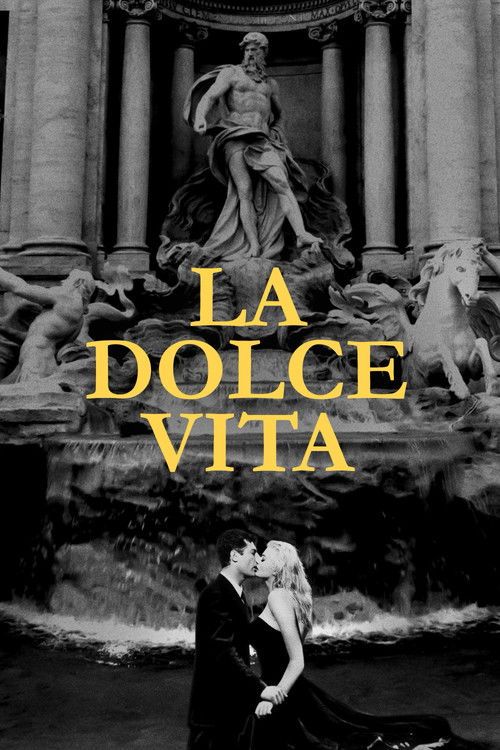
La Dolce Vita1960
Both films believe that adults need permission to be strange, to want things, to discover themselves as separate from their social function. Both watch this with compassion and comedy.
Fellini's epic poem about hedonism, boredom, and people adrift in society. The Tynes' tentative rediscovery of pleasure echoes through this—the hunger for meaning that no amount of partying quite satisfies.
But It's 174 minutes of dream logic without narrative. The episodes blur together, and if you need a story arc, you will feel lost.
Another Year2010
The same eye for social malaise, the same deadpan observation of how people try to fill emptiness. Leigh learned from Forman's playbook, but took it somewhere colder.
Mike Leigh's film observes a couple so content in their marriage and lives that everyone around them falls apart. The inverse of Taking Off—here the parents have figured it out, and everyone else is aching.
But It's bleak in a way that reads as cruel. Leigh seems to hold his unhappy characters at arm's length, and the cumulative effect is wearing.
People
Cast
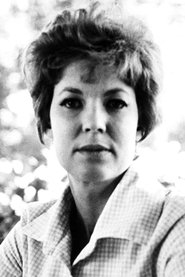 Lynn CarlinLynn Tyne
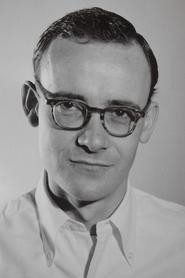 Buck HenryLarry Tyne
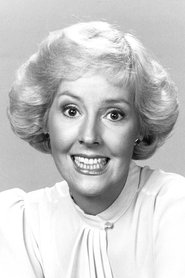 Georgia EngelMargot
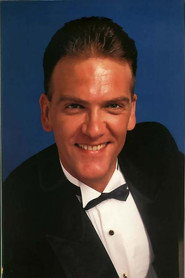 Tony HarveyTony
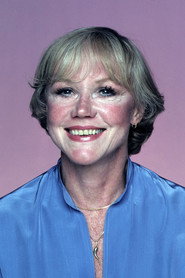 Audra LindleyAnn Lockston
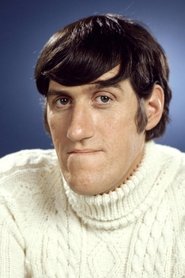 Paul BenedictBen Lockston
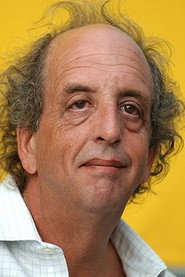 Vincent SchiavelliSchiavelli
- David GittlerJamie
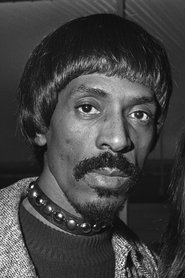 Ike TurnerSelf
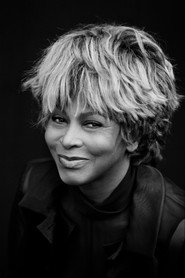 Tina TurnerSelf
- Linnea HeacockJeannie Tyne
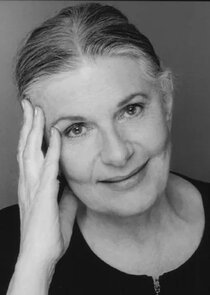 Rae AllenMrs. Divito
Directing
- Miloš FormanDirector
- Phillip M. GoldfarbFirst Assistant Director
- Edward FolgerSecond Assistant Director
Writing
- Jean-Claude CarrièreWriter
- John GuareWriter
- Jon KleinWriter
- Miloš FormanWriter
Production
- Michael HausmanAssociate Producer
- Alfred W. CrownProducer