
Film
Mondo Topless
Russ Meyer's 1966 documentary captures the topless dancing craze sweeping America with characteristic audacity. It's a time capsule of 1960s counterculture stripped down—literally and philosophically—to its essence. Part anthropological study, part exploitation, entirely fascinating as a document of how quickly social boundaries shift.
Should you watch it?
Watch it if you find a certain delight in mid-sixties sleaze presented as earnest reportage, and you want a wry time capsule of a nightlife craze that has long since faded.
Skip it if you need a story or characters, since this is a parade of dance routines strung together by a breathless voiceover that wears thin well before the hour ends.
What it asks of you: Sixty minutes of one routine after another, with little pressure to follow any thread; it is brief and loose, best taken in as a passing curiosity.
Not sure? Find tonight's pick in a minute.
If you liked this
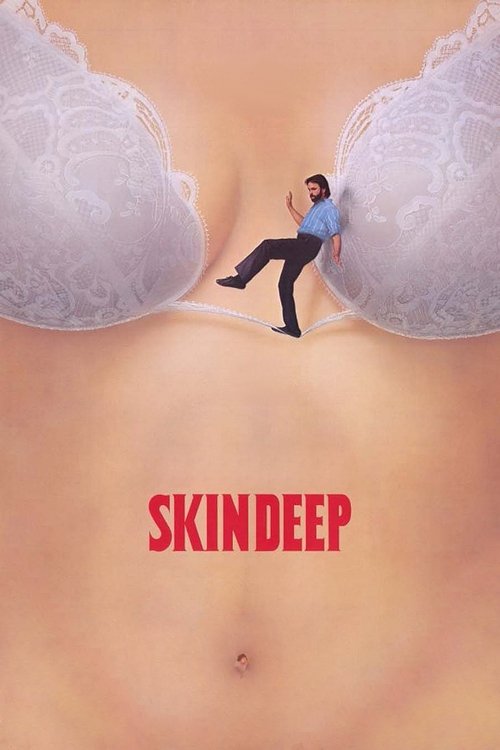
Skin Deep1989
Blake Edwards' comedy about desire and the male gaze in late-80s LA. Raunchy but smart, playing desire as both ridiculous and genuinely human.
But Dated attitudes toward women abound, even if the film is partly aware of its own complicity. Requires generous interpretation.
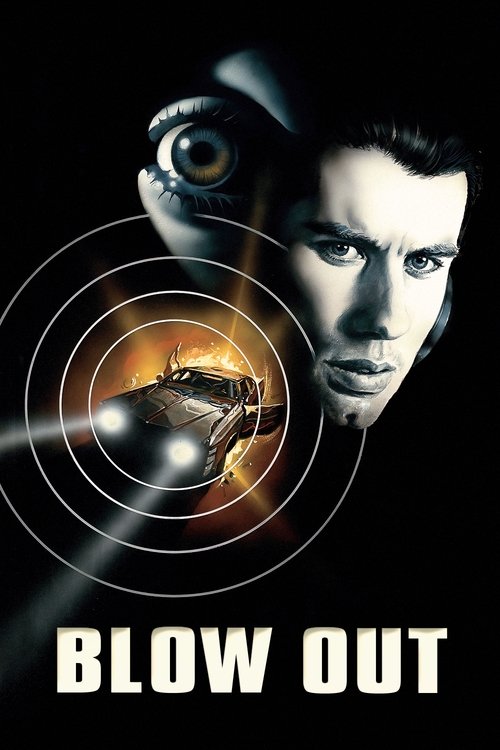
Blow Out1981
De Palma's paranoid thriller uses objectified bodies and the camera's gaze as thematic anchors. Visually baroque and morally complex in ways that reward close attention.
But Extremely violent, especially toward women. The film interrogates this but doesn't make it easy to watch.
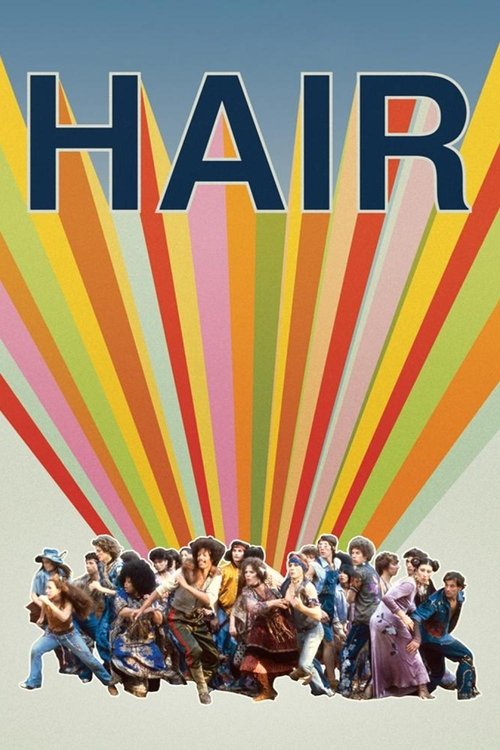
Hair1979
Milos Forman's musical captures the 1960s counterculture moment Meyer was documenting. Joyful, occasionally chaotic, genuinely moving about generational collision.
But The musical numbers won't appeal to everyone, and the sentimentality can overwhelm the political argument.
Not sure tonight? Get a pick in a minute, starting from Mondo Topless
The wildcard
Something you would not have found on your own.
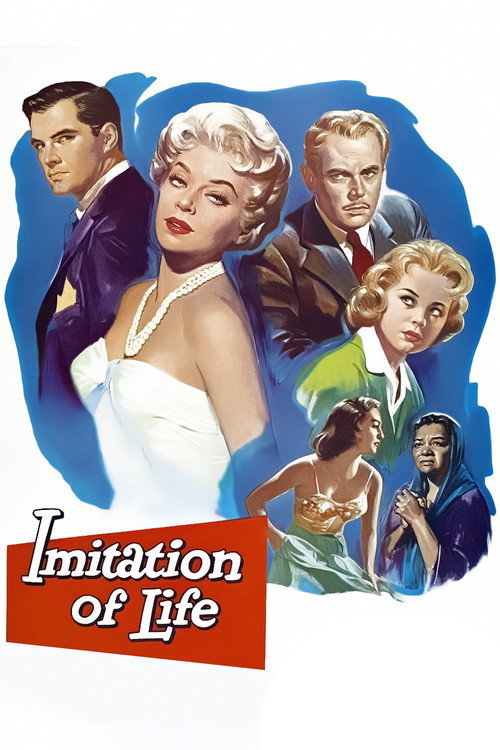
Imitation of Life1959
Both films observe how women's bodies become currency and spectacle in American culture, one with documentary cool, one with baroque emotion.
Douglas Sirk's melodrama uses spectacle—fashion, beauty, performance—as the language of female ambition and exploitation. Same era as Meyer, opposite register, equal fascination with the cost of display.
But The racial politics are deeply of their time and painful. The melodrama can read as overwrought to modern viewers.
More like this (7)
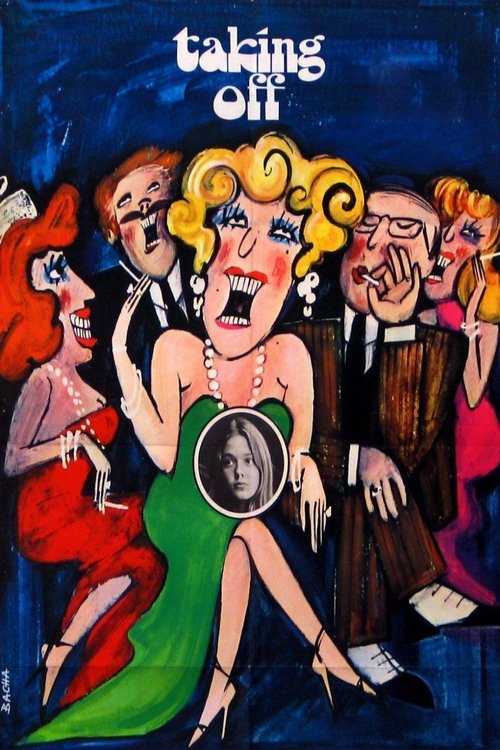
Taking Off1971
Forman's earlier American film observes the counterculture with bemused affection and real curiosity about how parents and kids speak past each other.
But The pacing is deliberate and the humor dry. Many find it slow, even boring.
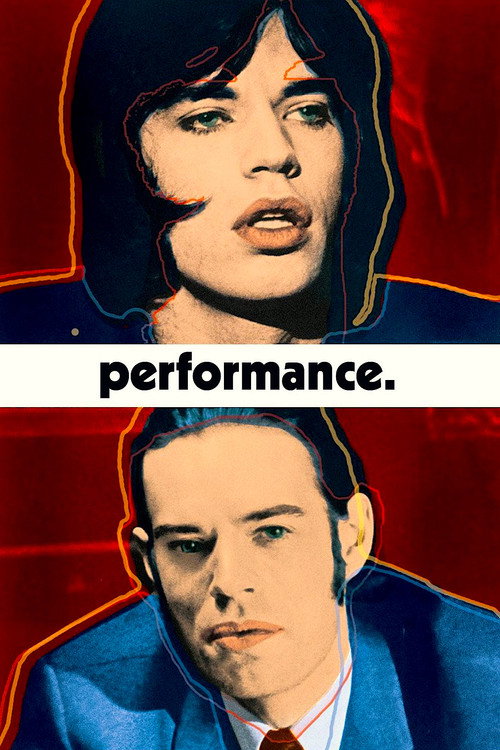
Performance.1970
Roeg and Cammell's wild gender-bending psychodrama about identity and desire. Genuinely unsettling and visually audacious; nothing quite like it.
But Deliberately obscure, occasionally pretentious, and at times deeply uncomfortable. Doesn't care if you follow the plot.
Pandora's Box1929
G.W. Pabst's silent film about a woman destroyed by male desire and society's hypocrisy. Shows how old the gaze Meyer documents actually is.
But Silent films demand patience. The print quality varies, and the pacing will feel glacial to modern eyes.

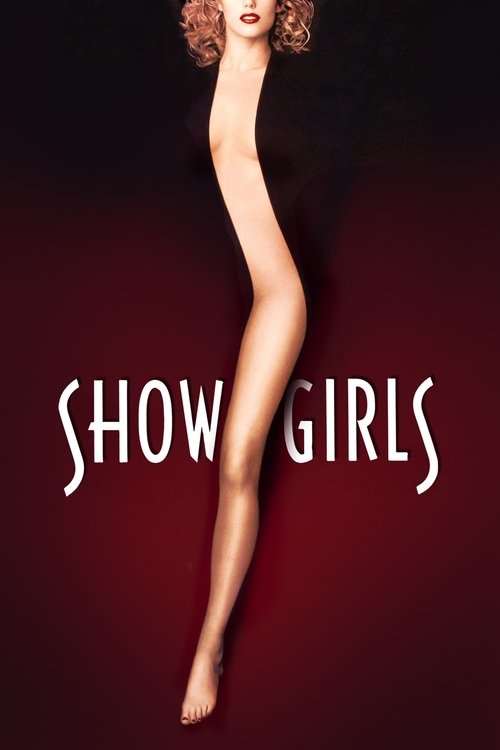
Showgirls1995
Verhoeven's notorious bomb is actually a fascinating counterpoint—exploitation cinema fully aware of its own exploitation, to the point of near-parody.
But Nearly universally despised for good reason. Inept, sometimes repugnant, and frequently unwatchable by design or accident.
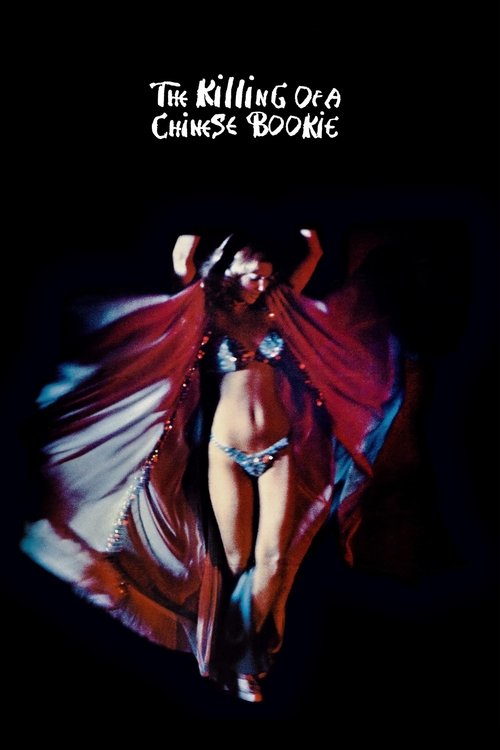
The Killing of a Chinese Bookie1976
Cassavetes sets his noir in the world of exotic dancers and low-level crime. Claustrophobic and genuinely felt, about dignity in a degrading world.
But Deliberately obscure narrative, murky cinematography, and glacial pacing. Cassavetes expects you to sit with discomfort.
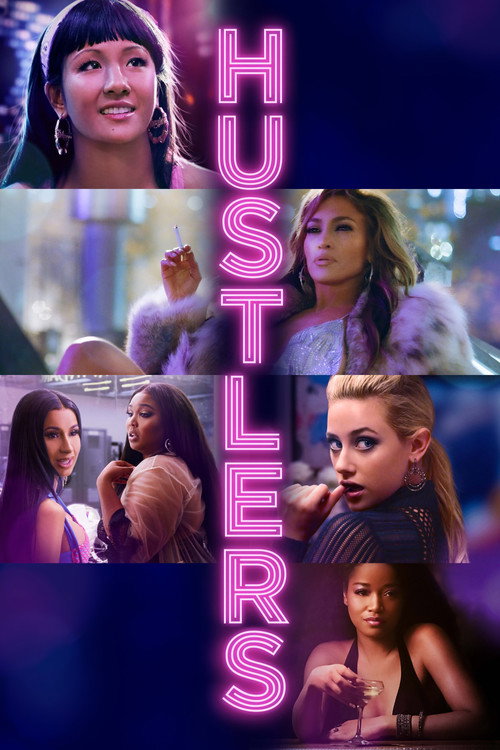
Hustlers2019
The inverse of Meyer's approach: instead of observing women as spectacle, it centers their intelligence and agency. Same world, completely different frame.
Lorene Scafaria's film reclaims the narrative from the male gaze entirely—dancers as protagonists, architects of their own lives, not subjects of documentary scrutiny. Genuinely funny and furious.
But The tone shifts wildly between comedy, crime thriller, and social commentary. Some find it tonally messy; others find that's the point.
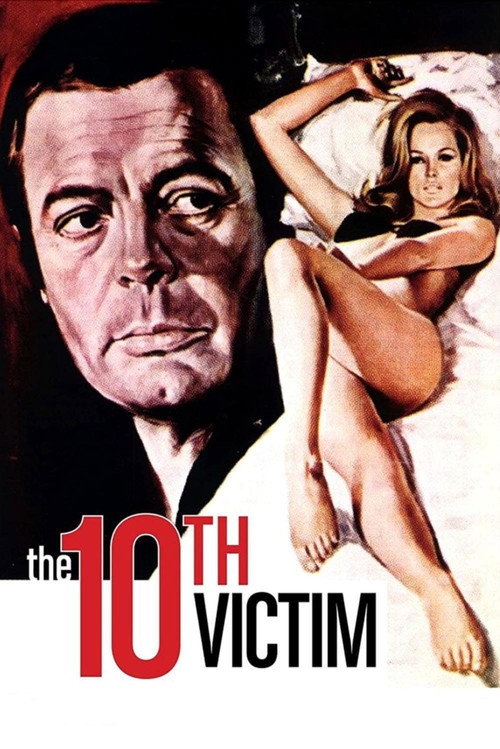
The 10th Victim1965
Both are 1960s documents of spectacle culture using transgression as their language. Meyer is documentary literalism; Petri is sci-fi fever dream. Same anxieties, different genres.
Elio Petri's Italian sci-fi satire about a future where murder is legal sport, framing violence and bodies as consumer spectacle. Visually gorgeous, conceptually wild, one year before Mondo Topless.
But Surreal logic, dubbed dialogue, and a plot that prioritizes ideas over narrative coherence. Very much a 1960s European art film.
People
Cast
- Babette BardotSelf - Bouncy Dancer
 Pat BarringtonSelf - Rambunctious Dancer
- Sin LeneeSelf - Lucious Dancer
- Darlene GreySelf - Buxotic Dancer
- Diane YoungSelf - Yummy Dancer
- Darla ParisSelf - Delicious Dancer
- Trina LamarSelf - Exciting Dancer (as Donna 'X')
- Greta ThorwaldSelf
- Denice DuvalSelf
- AbundavitaSelf
- Heide RichterSelf
Directing
- Russ MeyerDirector
Writing
- Russ MeyerScreenplay
Production
- Eve MeyerAssociate Producer
- Russ MeyerProducer