
Film
Imitation of Life
Douglas Sirk's final Hollywood film is a swooning, Technicolor tearjerker about two women's parallel struggles - one chasing Broadway stardom, one caged by America's colour line - and the daughters who pay for it. It's gorgeous, unsubtle, and engineered to make you cry against your better judgment. For anyone who thinks 'old movie' means quiet or restrained, this is the corrective.
If you liked this
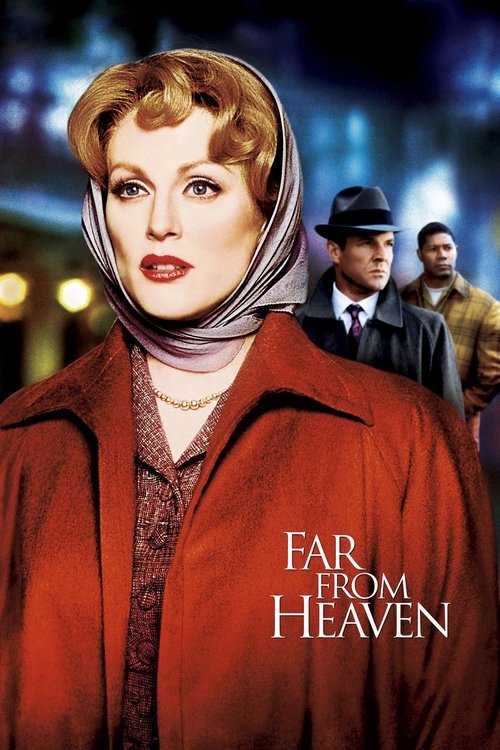
Far from Heaven2002
Todd Haynes rebuilds Sirk's visual language shot for shot to tell a story of forbidden desire and racial tension in 1950s Connecticut, and the tribute lands as hard as the original.
But The deliberate artificiality can feel distancing if you want raw realism rather than knowing pastiche.
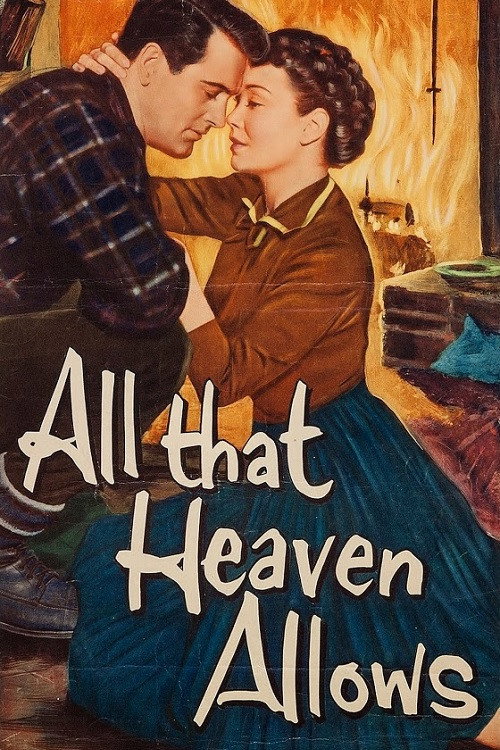
All That Heaven Allows1955
Sirk's earlier melodrama, with Jane Wyman as a widow whose children punish her for loving beneath her class - same saturated colour, same aching restraint.
But Slighter and gentler than Imitation of Life; the stakes feel smaller, almost cosy by comparison.
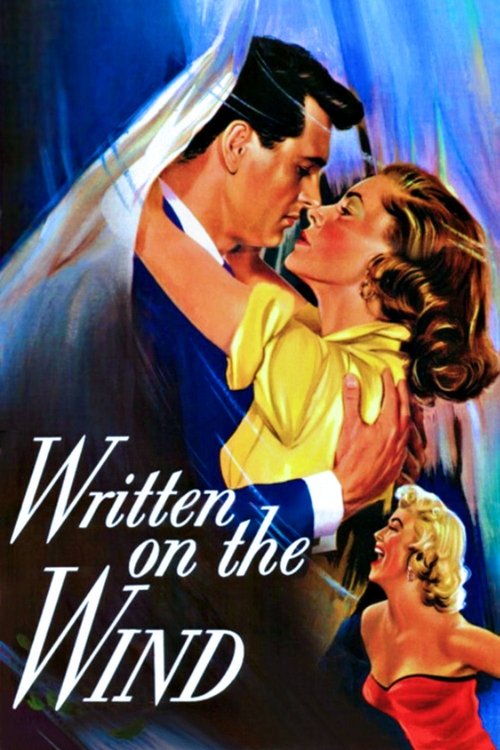
Written on the Wind1956
Sirk goes fully operatic with a Texas oil family curdling from wealth and jealousy - it's the id to Imitation of Life's superego.
But The excess tips into camp faster than you're braced for; some viewers find it silly rather than moving.
The wildcard
Something you would not have found on your own.
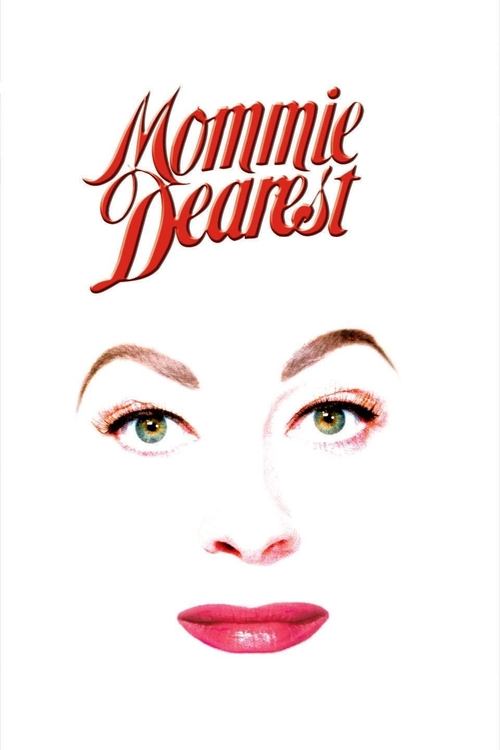
Mommie Dearest1981
Both are built on a mother whose career eclipses her child and a daughter curdling into resentment - Mommie Dearest just strips away Sirk's irony and plays it as camp horror.
Faye Dunaway's legendarily unhinged Joan Crawford turns 'ambitious mother, resentful daughter' into full camp horror - it's the same engine as Lora and Susie, just floored.
But It's trash, and knows it; if you want prestige melodrama rather than midnight-movie hysteria, this will grate.
More like this (8)
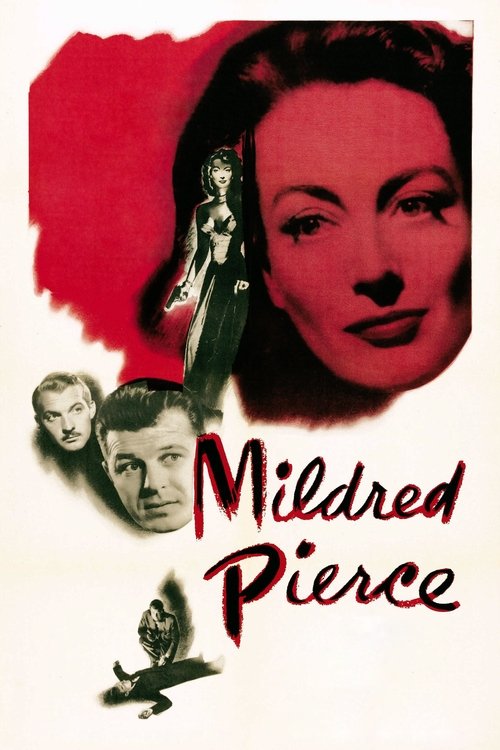
Mildred Pierce1945
Joan Crawford builds an empire on hard work and self-denial while her daughter despises her for it - a mother-daughter wound as vicious as anything here, wrapped in noir shadows.
But The murder-mystery framing device dates it and slows the emotional momentum in places.
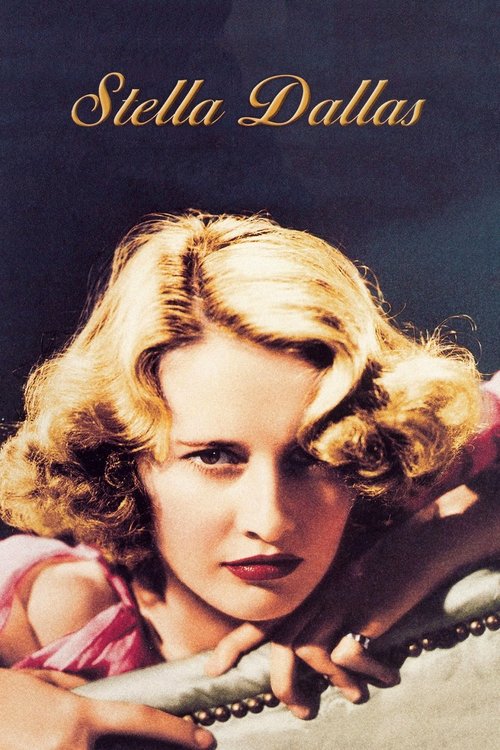
Stella Dallas1937
The mother of all self-sacrificing-mother movies, with Barbara Stanwyck giving away everything so her daughter can have a life she can't share in.
But Its 1930s pacing and stiff supporting performances ask for more patience than a modern viewer might have.
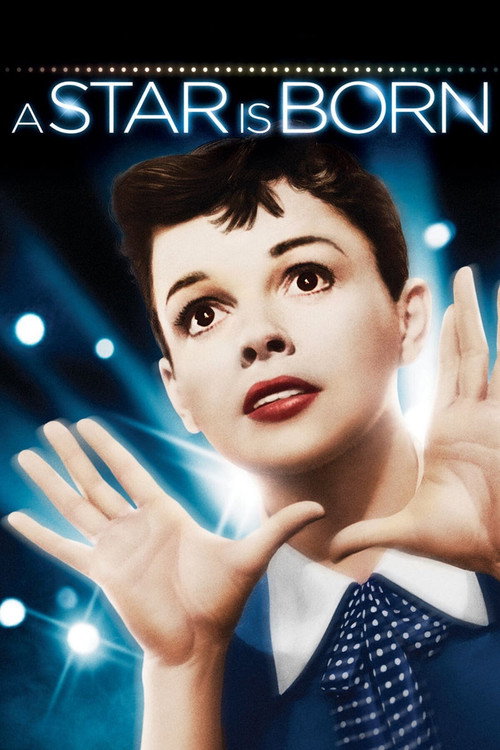
A Star Is Born1954
Judy Garland's ascent and a marriage's slow collapse make for the same kind of gorgeous, oversized heartbreak, with a lead performance that tears straight through the artifice.
But It's three hours long and the tragedy is shaped differently - about fame's cost to a marriage, not a daughter.
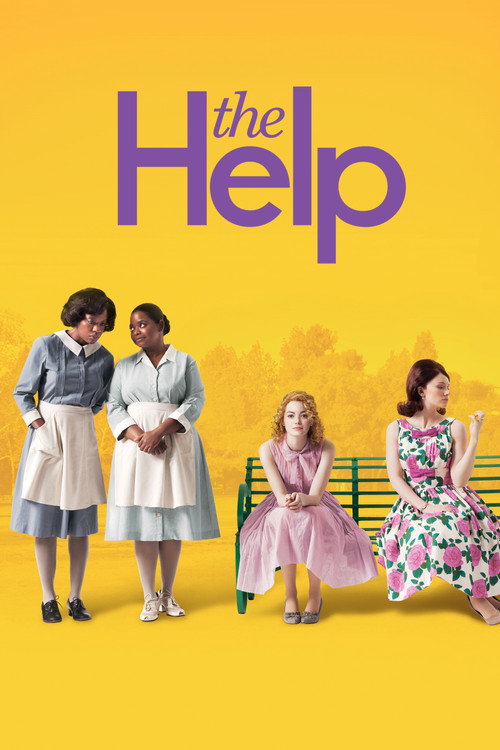
The Help2011
A more recent, gentler look at employer-employee race relations in the American South, with performances that find warmth without pretending the situation is fine.
But Critics have rightly noted it centres a white perspective on Black suffering more than it should.
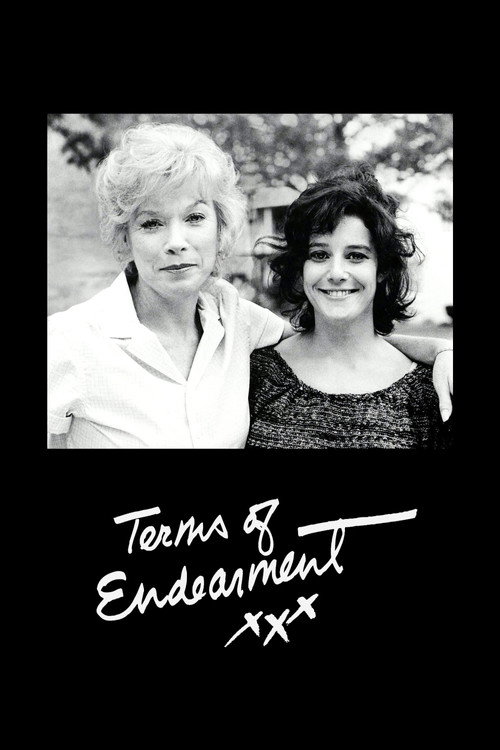
Terms of Endearment1983
A mother and daughter spend decades misunderstanding, needing, and wounding each other, building to a final act that earns every tear it extracts.
But It swings hard into comedy in its first half, a tonal leap that Imitation of Life never risks.
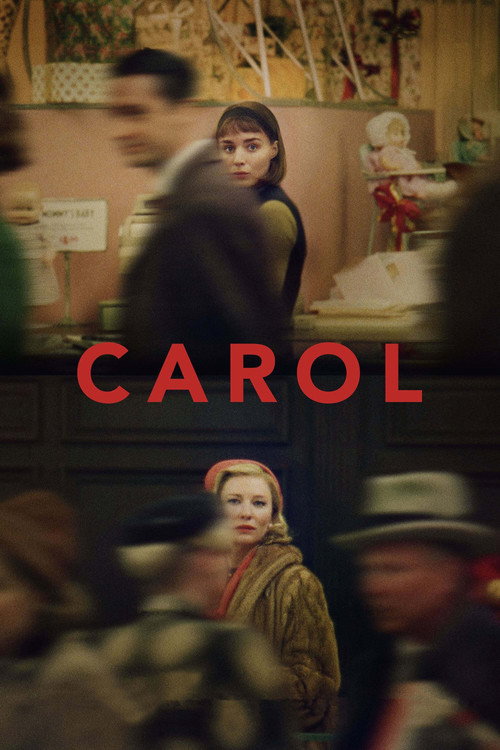
Carol2015
Todd Haynes again, this time draping 1950s New York in longing between two women who can't say what they want out loud - the same repression, a different desire.
But It's quieter and more interior than Sirk's full-throated melodrama; little happens on the surface.
Passing2021no page yet
It takes Sarah Jane's storyline and makes it the whole film, stripped of Technicolor gloss and told from the passing woman's own point of view rather than as one strand of a larger melodrama.
Rebecca Hall's quiet, monochrome adaptation of Nella Larsen's novel follows two Black women, one living as white, in a story that shares Sarah Jane's exact dilemma but tells it from the inside.
But It's slow and internal by design - almost the opposite of Sirk's lushness, with none of the emotional fireworks.
Show Boat1936no page yet
The Julie LaVerne subplot is essentially Sarah Jane's story told twenty years earlier and in song, proof this exact tragedy was already old news in Hollywood by the time Sirk got to it.
Decades before Sirk, this Mississippi riverboat musical already had a mixed-race performer whose life is destroyed once she's exposed as passing for white - same wound, sung instead of wept.
But It's a full musical with dated production values, and modern viewers may struggle with some of its racial staging even where the film means to critique it.
People
Cast
 Lana TurnerLora Meredith
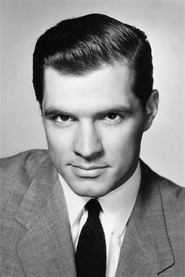 John GavinSteve Archer
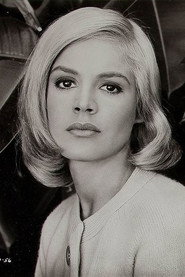 Sandra DeeSusie (16)
 Susan KohnerSarah Jane (18)
 Robert AldaAllen Loomis
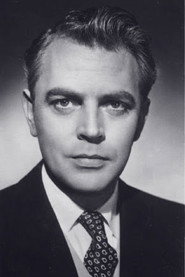 Dan O'HerlihyDavid Edwards
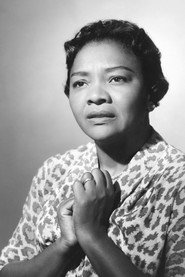 Juanita MooreAnnie Johnson
- Karin DickerSarah Jane (8)
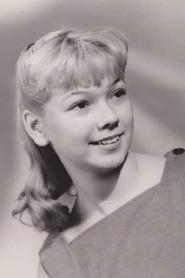 Terry BurnhamSusie (6)
- John VivyanYoung Man
- Lee GoodmanPhotographer
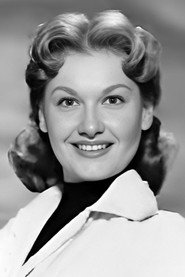 Ann RobinsonShowgirl
Directing
- Frank ShawAssistant Director
- Wilson ShyerAssistant Director
- Douglas SirkDirector
- Luanna ShermanScript Supervisor
Writing
- Fannie HurstNovel
- Allan ScottScreenplay
- Eleanore GriffinScreenplay
Production
- Ross HunterProducer
- Norman DemingProduction Manager
Recommended by
Hidden Figures, Little Fires Everywhere, The Help, Mildred Pierce, Written on the Wind, Fried Green Tomatoes, A Summer Place, The Color Purple, Stella Dallas