
Film
Sylvia Scarlett
A 1935 screwball comedy that follows a young woman who disguises herself as a boy to help her father escape creditors. It's anarchic and shapeshifting, all charm and wit, where gender becomes a costume to be played with rather than fixed in stone. Made for anyone drawn to movies that feel utterly liberated from the rules.
Should you watch it?
Watch it if you love screwball-tinged comedy where a heroine's disguise and a con artist's charm keep tripping over each other, and you enjoy Katharine Hepburn playing games with gender and class.
Skip it if you need a brisk, tightly plotted romance; this 1935 film meanders through its roadside detours and its shifts from comedy to melancholy can feel uneven.
What it asks of you: It runs about ninety-seven minutes and wants you to settle into a loose, rambling rhythm, with long stretches of wandering before the wit and romance tighten up.
Not sure? Find tonight's pick in a minute.
If you liked this
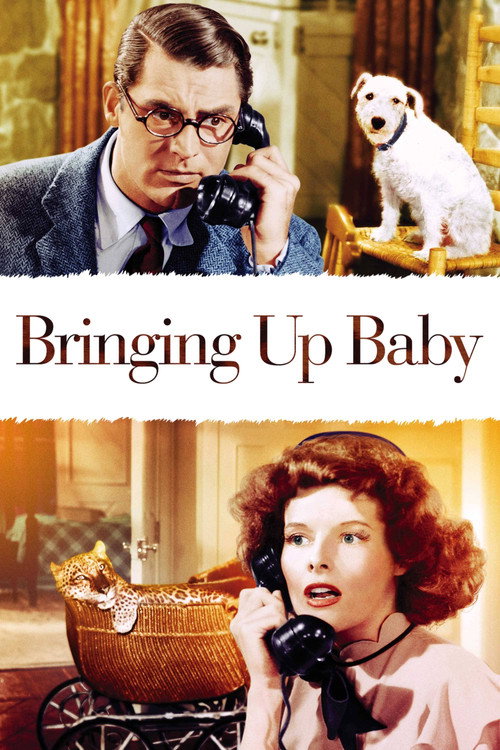
Bringing Up Baby1938
Hawks' masterpiece of controlled chaos: fast, funny, anchored by Grant and Hepburn's perfect timing. They made three films together, and this is why it mattered.
But The plot is thin, and it moves so fast you might lose thread of what's happening. But losing it is rather the point.
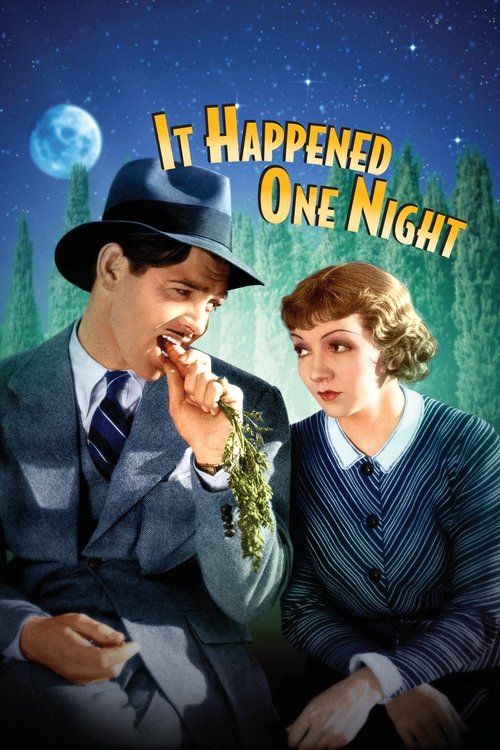
It Happened One Night1934
Capra's road movie that invented the screwball formula: sharp dialogue, class-clash romance, and a woman who disguises and reinvents herself to survive. It feels like Sylvia Scarlett's direct ancestor.
But The central relationship hinges on dynamics that play very differently now. It's still vital, but watch it aware of its era.
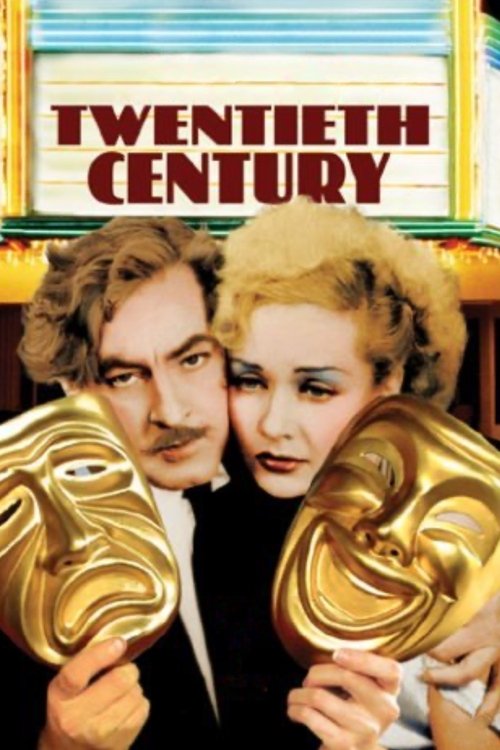
Twentieth Century1934
Hawks again, with Grant and John Barrymore verbally demolishing each other on a train. Pure theatrical energy translated to film—watch how fast it talks and think about why.
But It's a battle of egos between two men, mostly. Women exist to be pursued or fought over. The framing really shows its age.
Not sure tonight? Get a pick in a minute, starting from Sylvia Scarlett
The wildcard
Something you would not have found on your own.
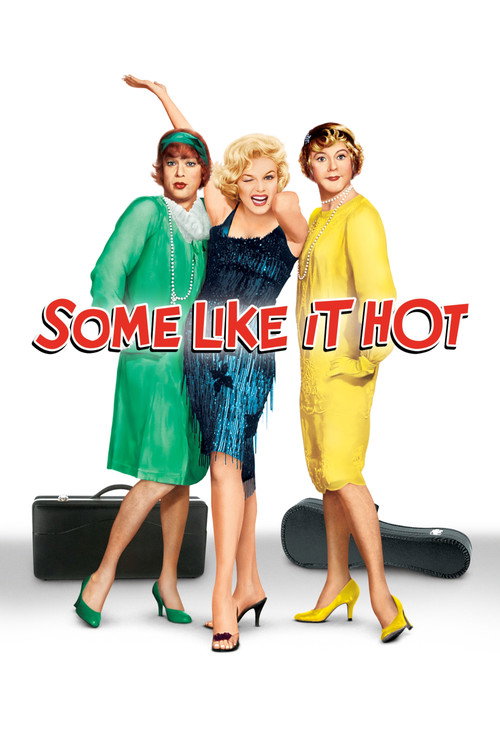
Some Like It Hot1959
Both films use gender disguise as the engine of comedy and freedom. But where Sylvia Scarlett is anarchic and light, Some Like It Hot is tightly constructed and builds to something darker and stranger.
Wilder's masterpiece: two men disguise themselves as women to escape the mob. It's hilarious, fearless about gender, and doesn't settle for the obvious joke. Often called the greatest comedy ever made, and it's hard to argue.
But It's built on the assumption that a man in a dress is inherently funny. That premise doesn't age seamlessly, though the film itself transcends it.
More like this (7)
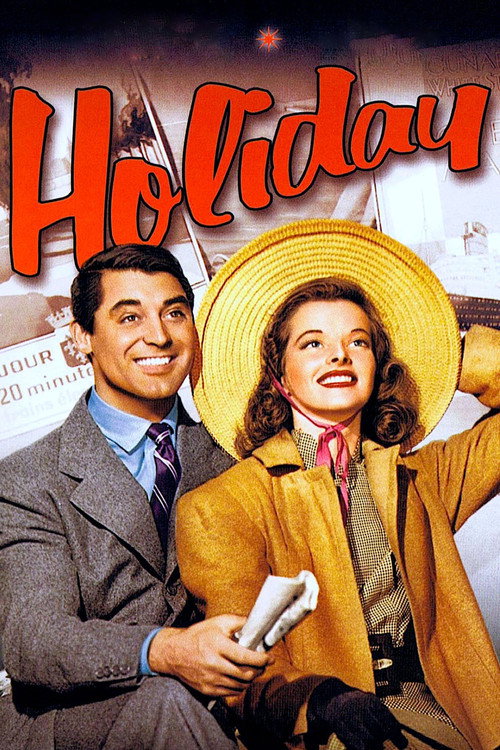
Holiday1938
Grant again with Hepburn in a different register: a romance built on shared values and restlessness. It's gentler than their comedies but still full of wit about class and expectation.
But The plot wraps up neatly and happily in ways that feel somewhat inevitable. It's more heartfelt than surprising.
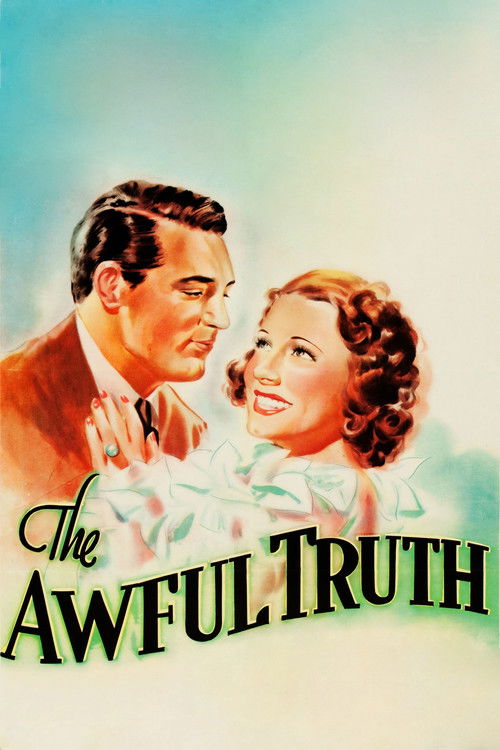
The Awful Truth1937
Irene Dunne and Cary Grant as a divorced couple who keep colliding. Directed by McCarey with an emphasis on chaos and misunderstanding. Comedy that feels almost improvisational.
But The gender politics are genteel but fixed: women are scheming, men are foolish. It's funny but never quite questions its own assumptions.
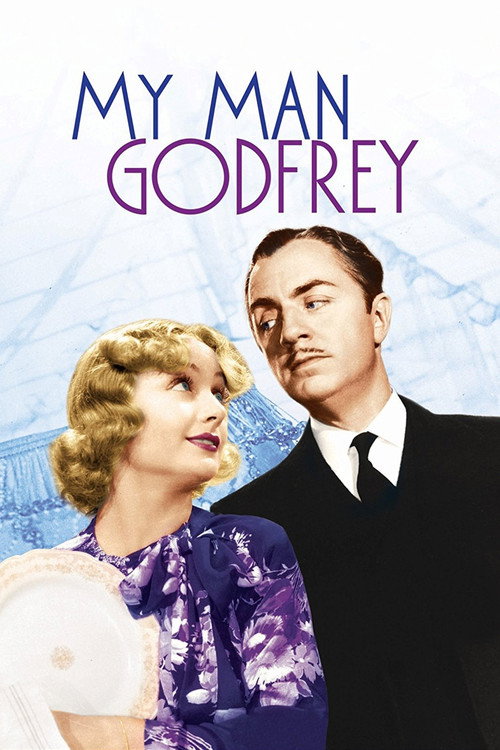
My Man Godfrey1936
Carole Lombard as a wealthy screwball who mistakes a homeless man for a servant. Funny and tender, with real bite about class and economic crisis underlying the romance.
But It asks you to accept a lot of contrivance and social inversion that's treated as magical rather than examined. The fantasy matters more than the logic.
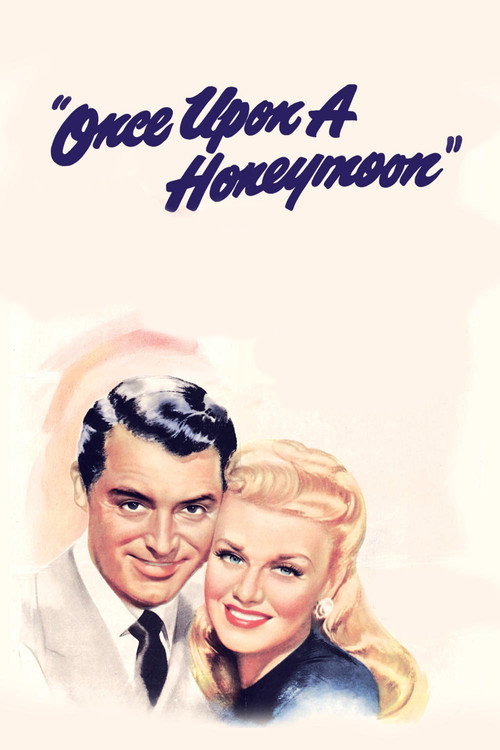
Once Upon a Honeymoon1942
Grant and Ginger Rogers on the run across Europe during WWII, mixing romance and screwball with genuine stakes. It's lighter than the war deserves, but the lightness is the point.
But The tonal shift toward the end is abrupt. It wants to be both a lark and serious, and doesn't quite balance both.
The Philadelphia Story1940
Hepburn again, with Grant and James Stewart, in Cukor's jeweled comedy about class, marriage, and reinvention. Beautifully made and genuinely smart about desire.
But The resolution affirms rather traditional ideas about what women should want. It's lovely, but not radical.

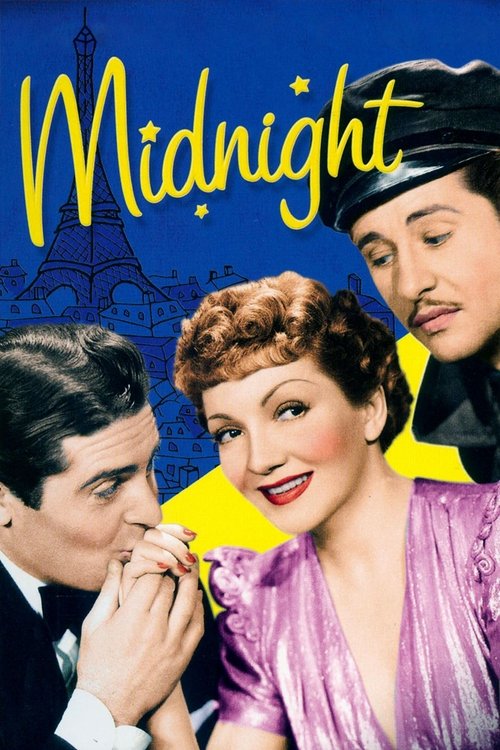
Midnight1939
Wilder's Parisian romantic comedy with Claudette Colbert and Don Ameche. Less well-known than it should be: clever, warm, and filled with the joy of watching people talk their way through crisis.
But It's quieter and less frenetic than the best screwballs. If you want chaos, this is too composed.
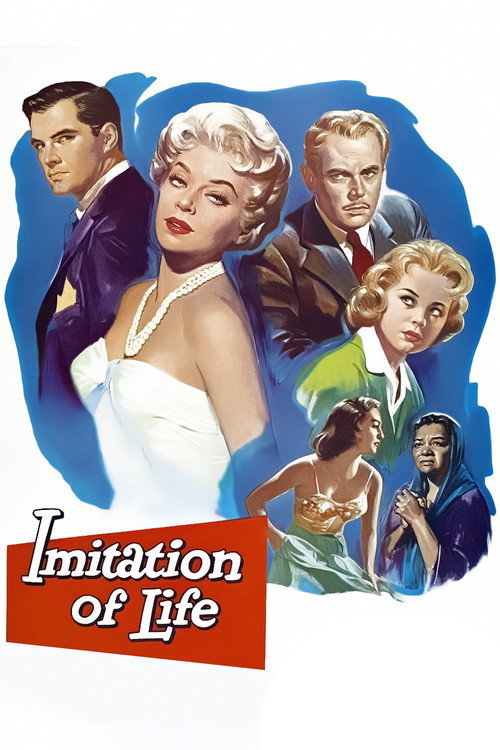
Imitation of Life1959
Both centre on a woman using disguise to navigate a world with rigid rules about who she's allowed to be. But where Sylvia Scarlett is playful, Imitation of Life asks what the cost of invisibility really is. They're the same mechanism in comic and tragic registers.
Sirk's melodrama about a light-skinned Black woman who passes as white, and what it costs her. It's gorgeous, gutting, and—like Sylvia Scarlett—treats identity as something mobile and painful, not simple. A mirror from another angle.
But It's heavy. This isn't comedy—it's about racial trauma and the gravity of choosing to disappear into a lie. Sirk's tone is lush and it demands sadness from you.
People
Cast
 Katharine HepburnSylvia Scarlett
 Cary GrantJimmy Monkley
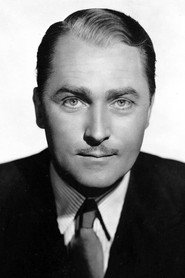 Brian AherneMichael Fane
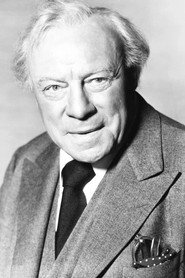 Edmund GwennHenry Scarlett
 Natalie PaleyLily
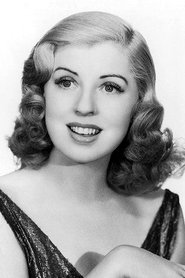 Dennie MooreMaudie Tilt
- Lennox PawleDrunk
- Harrold CheeversBobby
- Lionel PapeSergeant Major
 Robert AdairTurnkey
- Peter HobbesSteward
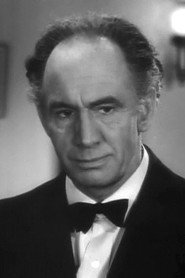 Leonard MudieSteward
Directing
- Kenneth HolmesAssistant Director
- W. Argyle NelsonAssistant Director
- George CukorDirector
Writing
- Compton MacKenzieNovel
- Gladys UngerScreenplay
- John CollierScreenplay
- Mortimer OffnerScreenplay
Production
- Pandro S. BermanProducer