
Film
A Woman Rebels
Katharine Hepburn plays a spirited Victorian woman who refuses to bow to her tyrannical father's expectations, defying society's rigid rules about propriety and marriage. She's clever, funny, and furious—a showcase for Hepburn's electric charisma in the era when Hollywood was still learning how to contain her. It's a earnest period romance that doubles as a manifesto: watching her say no and mean it feels genuinely transgressive, even now.
Should you watch it?
Watch it if you like period dramas where a stubborn heroine's pride drives everything, and you enjoy Katharine Hepburn at her most unbending, with a romance that runs on friction rather than sweetness.
Skip it if you find 1930s studio melodrama stiff going, since its sentiment is broad, its dialogue feels stagey, and the moralising leaves little room for subtlety.
What it asks of you: Its shape is compact at 88 minutes, unhurried in its formal scenes and long on speeches, so it wants patience more than quick cuts or modern irony.
Not sure? Find tonight's pick in a minute.
If you liked this
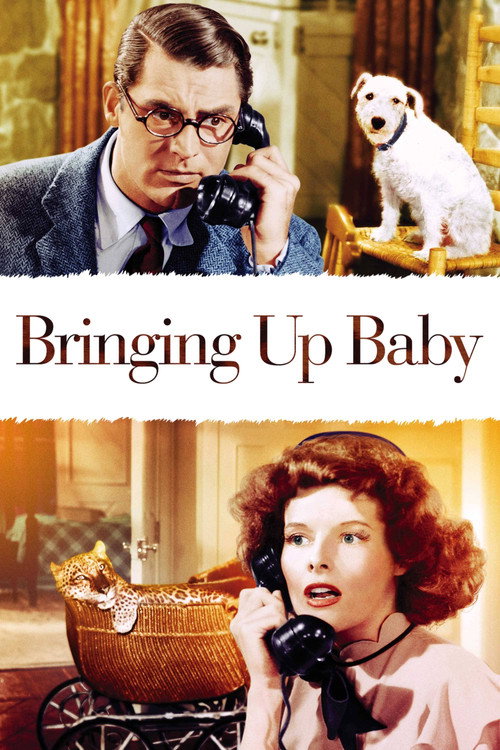
Bringing Up Baby1938
Hepburn and Cary Grant tear through screwball comedy with such precise anarchic energy you forget comedies can be this smart. The chaos is the whole point, and the chemistry is incandescent.
But Some people find screwball plotting exhausting rather than exhilarating. It's all surface momentum—there's no real depth underneath.
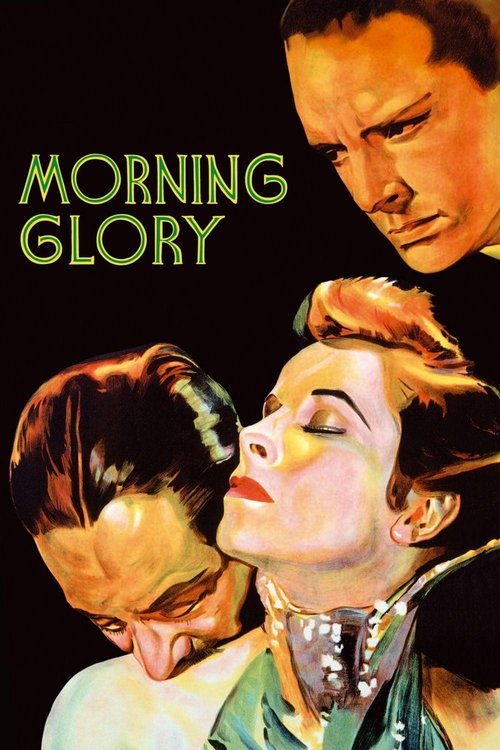
Morning Glory1933
Hepburn won an Oscar for this role: a fiercely ambitious young actress navigating theatre, ego, and her own hunger for greatness. It's a portrait of someone who will not shrink herself.
But It's stagy in ways that feel dated now. The melodrama can tip into mannered territory if you're not in the mood for 1930s earnestness.
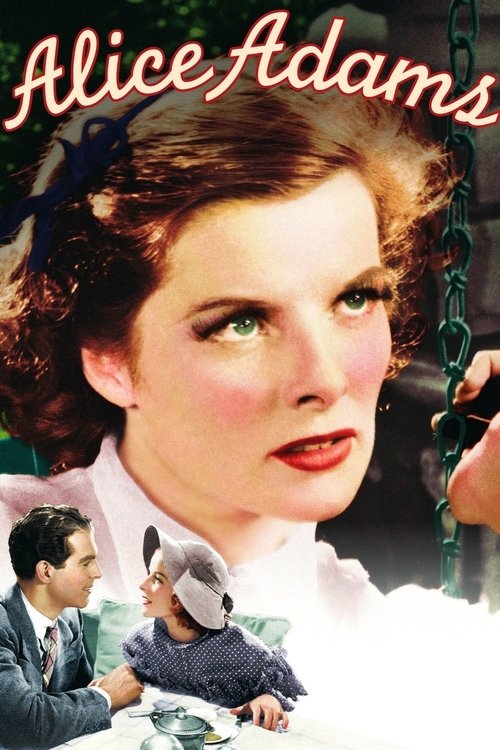
Alice Adams1935
Hepburn is a working-class girl faking sophistication to impress a boy, and the social humiliation is both funny and genuinely painful. It's surprisingly tender about ambition and longing.
But The romance plot is conventional. If you're here for Hepburn defying authority, this one's more about her trying to fit in than blow things up.
Not sure tonight? Get a pick in a minute, starting from A Woman Rebels
The wildcard
Something you would not have found on your own.
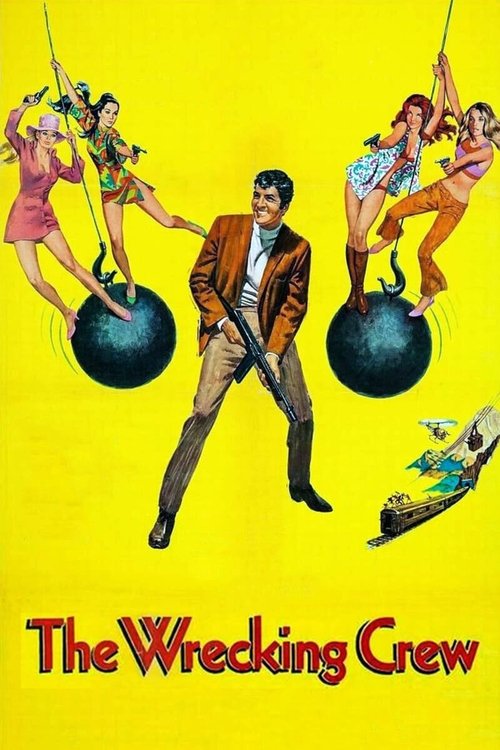
The Wrecking Crew1968
Both are about women refusing to accept the roles society assigns them, but where A Woman Rebels is earnest moral drama, this is pure genre escapism. Same defiance, opposite registers.
This is Elke Sommer, not Hepburn—a comedy-thriller where a woman cons and schemes her way through a spy plot with more agency than the hero. It's trashy fun about women using their wits to survive and thrive.
But It's campy 1960s spy-movie nonsense. The plot barely holds together and the tone is intentionally disposable.
More like this (7)
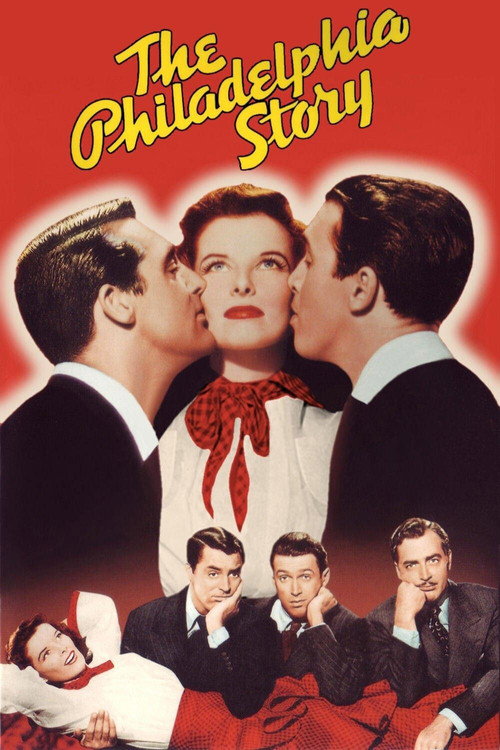
The Philadelphia Story1940
Hepburn as a wealthy woman about to remarry, caught between three men and her own impossible standards. Cary Grant and James Stewart orbit her gravity. Pure 1940s romance filmmaking at its most assured.
But It's a movie about rich people's problems. The stakes are romantic rather than existential, which some find slight.
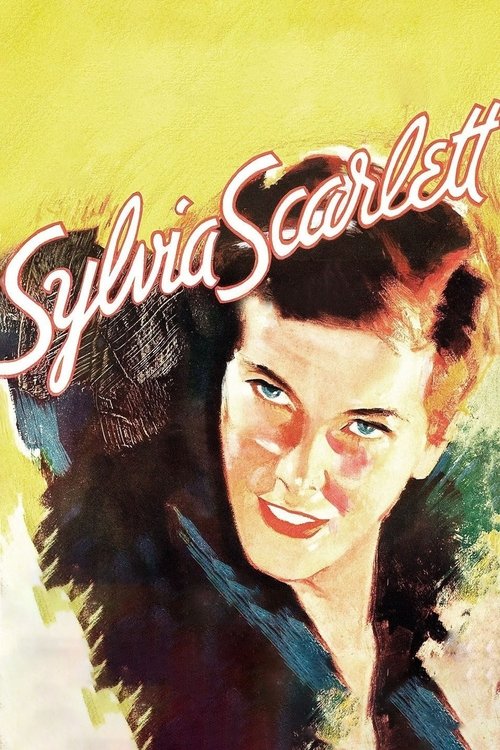
Sylvia Scarlett1935
Hepburn disguises herself as a boy to help her con-man father; chaos and actual feelings ensue. It's delightfully weird and tonally all over the place in ways that feel surprisingly modern.
But The plot doesn't quite cohere and the ending is emotionally messy. It's fascinating precisely because it doesn't resolve neatly.
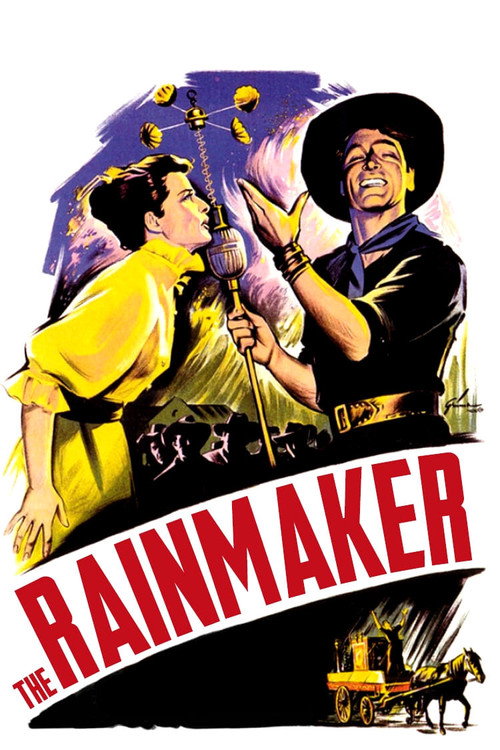
The Rainmaker1956
Hepburn, older and wiser, plays a mousy woman transformed by a charming drifter (Burt Lancaster). It's about being seen, finally, by someone who isn't your family. Quietly moving.
But The gender dynamics, viewed through a modern lens, are troubling. She needs a man to complete her in ways that feel uncomfortable.
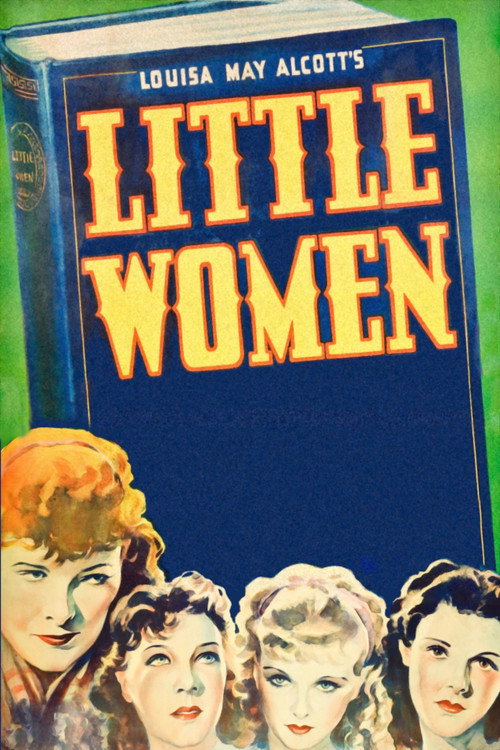
Little Women1933
Hepburn is Jo March—restless, bookish, resistant to the marriage plot. It's a Victorian woman's story told from inside her own head, not from the perspective of her suitors.
But It compresses Alcott badly and the pacing is choppy. If you know the novel well, you'll feel what's been lost.
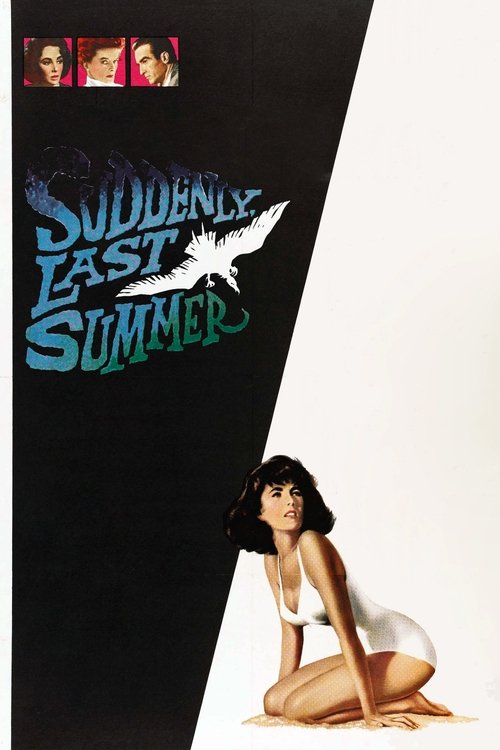
Suddenly, Last Summer1959
Hepburn as an imperious widow with a terrible secret, Elizabeth Taylor as the woman traumatized by that secret. It's camp tragedy, psychosexual drama, and absolutely electric.
But It's lurid and frankly a little exploitative of mental illness. The plot hinges on psychiatric horror that hasn't aged gracefully.
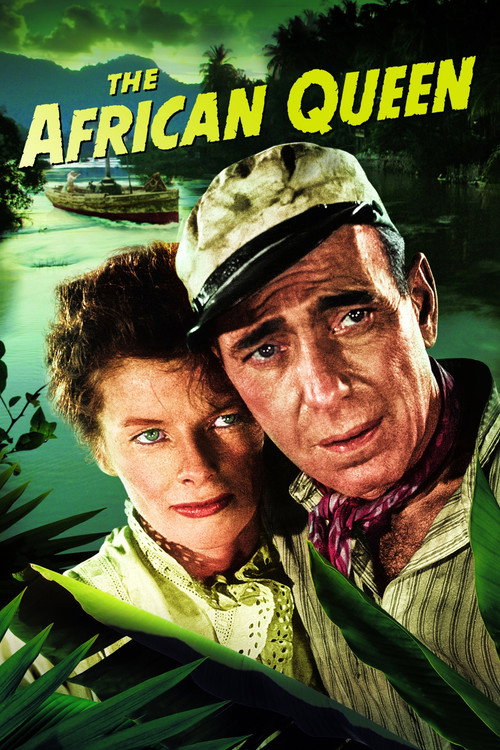
The African Queen1952
Hepburn stranded on a river with Humphrey Bogart, bickering and bonding. She gets to be prim, then loose, then genuinely human. It's adventure, romance, and character work all tangled together.
But The colonial setting and some of the racial attitudes are products of their time. The romance can also feel subordinate to the adventure plot if that's not your priority.
The Ballad of Little Jo1993
Both are about women in restrictive historical periods choosing radical solutions. But this one is grounded in actual history and trades Hepburn's eloquent rebellion for silent, weathered endurance.
A real story: a woman lived as a man in the 1880s West to survive poverty and avoid marriage. It's feminist revisionist history, gorgeously shot, with Suzy Amis as someone who chooses freedom over respectability.
But It's slow and austere. Some find the pacing glacial and the emotional distance cold rather than thoughtful.

People
Cast
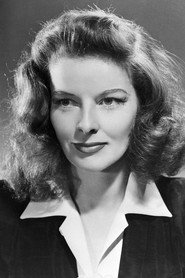 Katharine HepburnPamela 'Pam' Thistlewaite
 Herbert MarshallThomas Lane
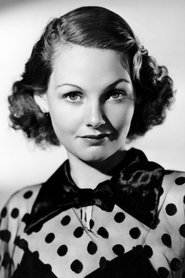 Elizabeth AllanFlora Anne Thistlewaite
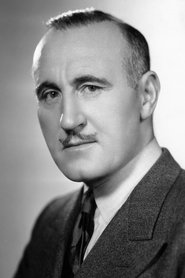 Donald CrispJudge Byron Thistlewaite
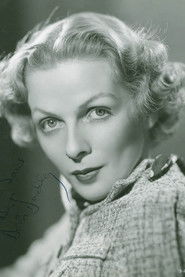 Doris DudleyYoung Flora
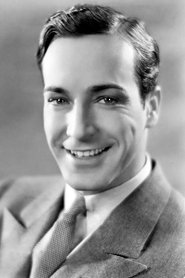 David MannersLieutenant Alan Craig Freeland
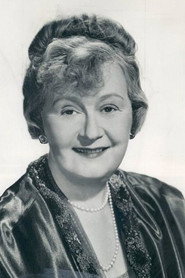 Lucile WatsonBetty Bumble
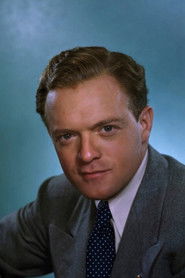 Van HeflinLord Gerald Waring Gaythorne
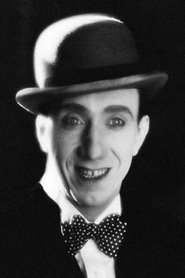 George DavisFrench Purser (uncredited)
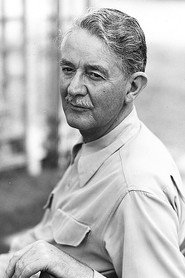 Leonard CareyLord Gaythorne's Butler (uncredited)
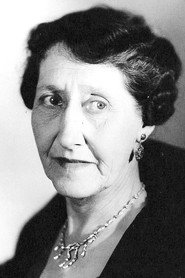 Elspeth DudgeonLord Gaythorne's Maid (uncredited)
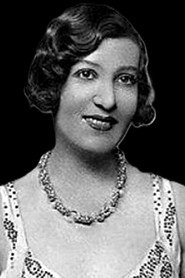 Connie EmeraldLady Gaythorne (uncredited)
Directing
- Mark SandrichDirector
Writing
- Netta SyrettNovel
- Anthony VeillerScreenplay
- Ernest VajdaScreenplay