
Film
Suddenly, Last Summer
- Drama
- Very dark
A fevered psychological thriller about trauma, madness, and a terrible secret. Elizabeth Taylor and Katharine Hepburn battle over a truth that destroyed a young woman's mind. It's mannered, theatrical, almost deliriously tense—a film that sounds like a play performed at maximum intensity. For anyone who loves high-wire acting and lurid 1950s melodrama.
Should you watch it?
Watch it if you want a claustrophobic, talky Tennessee Williams-style chamber piece where mood and performances carry a psychological mystery, and the sweltering, gothic atmosphere feels like part of the plot.
Skip it if you need brisk plotting and a clear hero; this is stagey and dialogue-driven, its horror mostly recounted, so the pace can feel like a long sit in a hot room.
What it asks of you: It runs just under two hours of mostly interior rooms, talking and suspicion, with the mood building slowly rather than in jolts.
Not sure? Find tonight's pick in a minute.
If you liked this
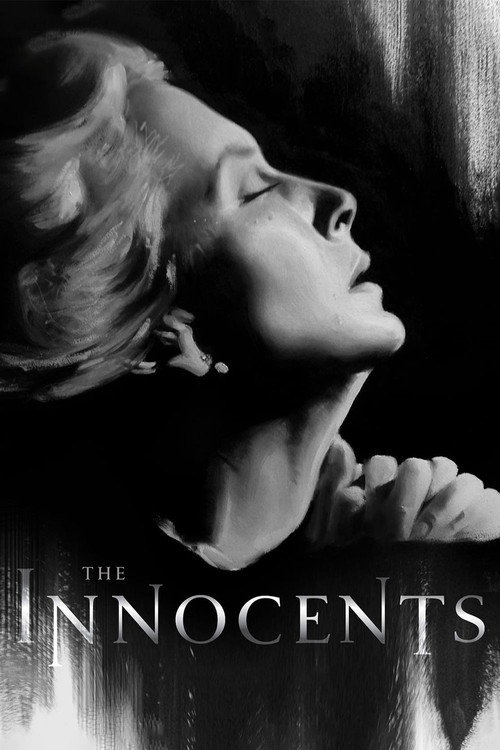
The Innocents1961
A governess arrives at an isolated estate and begins to suspect the children in her care can see ghosts. Like Suddenly, Last Summer, it pairs extreme elegance with creeping dread and asks whether the horror is external or psychological.
But It moves glacially, and ambiguity about what's real will frustrate anyone who wants answers. Also, deeply effective scares aren't its primary goal.
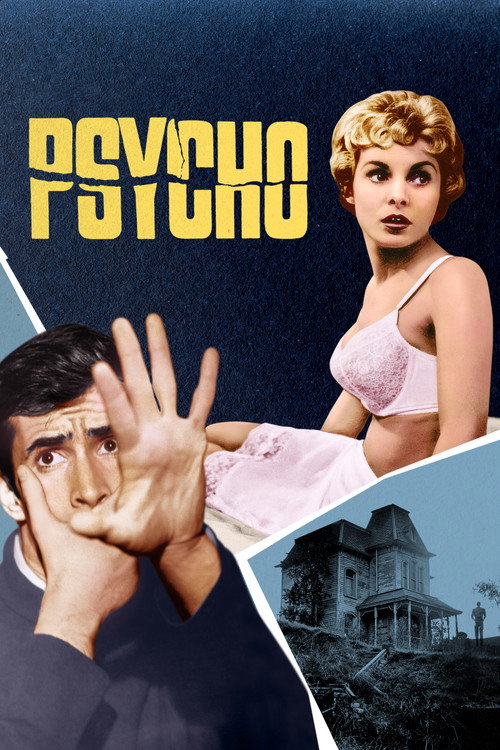
Psycho1960
A woman's act of desperation spirals into something far darker. Both films are obsessed with secrets that contaminate everyone around them and with the fragility of sanity when truth becomes unspeakable.
But The violence is shocking rather than subtle. If you're looking for psychological texture over visceral impact, you might find it too direct.
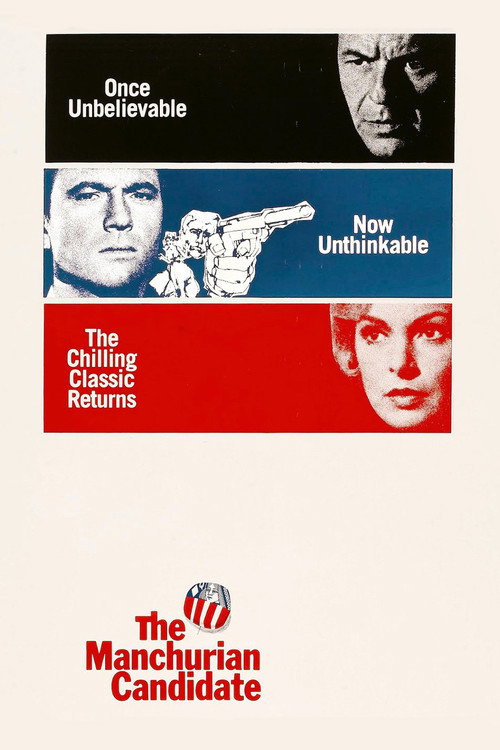
The Manchurian Candidate1962
Paranoia, manipulation, and a woman willing to do anything to preserve her power and her son. It has the same atmosphere of invisible malevolence and the same sense that terrible things are hidden just beneath the surface.
But The political plot is denser and more complicated. If you want the personal and psychological without the thriller machinery, it might feel overstuffed.
Not sure tonight? Get a pick in a minute, starting from Suddenly, Last Summer
The wildcard
Something you would not have found on your own.
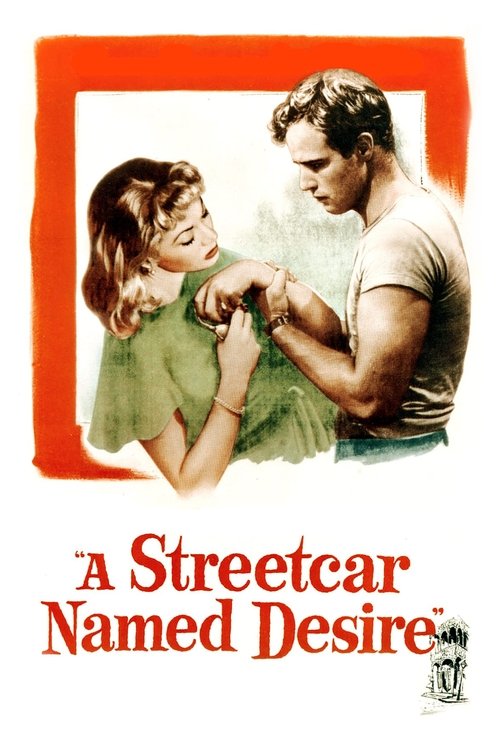
A Streetcar Named Desire1951
Both are Williams stage plays translated to cinema with their psychological torment intact, and both locate their horror in the collision between a woman's truth and a world determined not to hear her.
Also Tennessee Williams, also Elizabeth Taylor's co-star (Marlon Brando here), also about desire, madness, and a woman's mind being interpreted by those around her. It's the template for what Suddenly, Last Summer builds on, and it's arguably the more devastating film. If you loved the intensity and the way it pits one woman's sanity against everyone else's doubt, this is where it all began.
But It's raw in a way that can feel theatrical; the line-readings and emotional register might read as camp to modern viewers. Also, the darkness is less about mystery than about the inevitability of psychological destruction.
More like this (8)
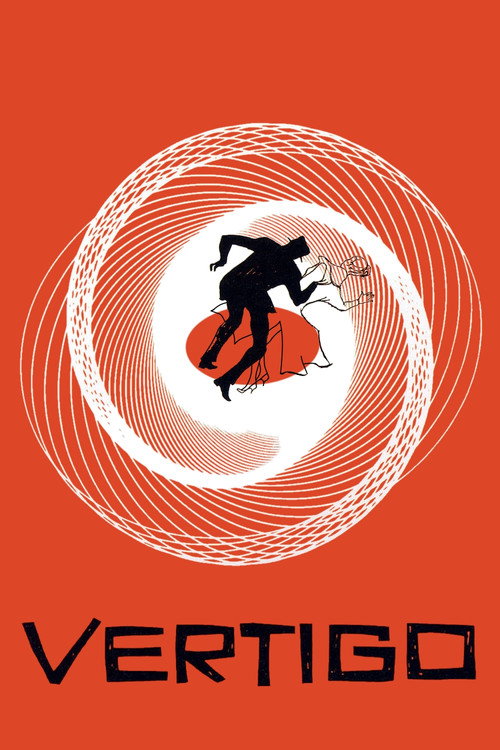
Vertigo1958
Obsession, psychological torment, and a man manipulated by forces he can't fully understand. Both are about how the past and desire can destroy the present, and both are beautifully shot translations of theatre into cinema.
But It's almost three hours and demands patience. The pacing is hypnotic rather than propulsive; if you're watching for plot momentum, you'll be disappointed.
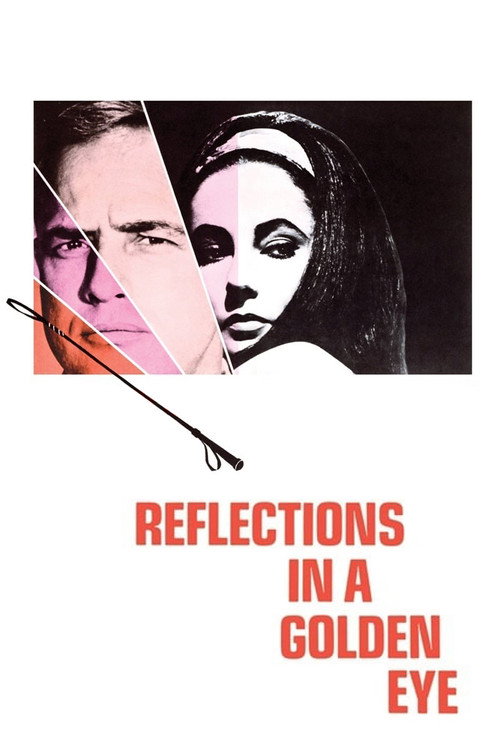
Reflections in a Golden Eye1967
A woman's barely-contained rage, sexual secrets in a closed world, and a narrative that peels back layers of suppressed violence. Like Suddenly, Last Summer, it's about what no one is supposed to say and what happens when it breaks through.
But It's strange and uncomfortable without being entirely successful. The film sometimes mistakes strangeness for depth, and the resolution is less powerful than the buildup.
The Night of the Iguana1964
Tennessee Williams again—the same playwright—exploring desire, shame, and moral collapse in a claustrophobic setting. Richard Burton at his most damaged; Ava Gardner wielding her intelligence like a weapon.
But The Williams formula can feel repetitive once you've seen a few. Fevered dialogue about sexual desperation and God wears thin if you're not in the mood.

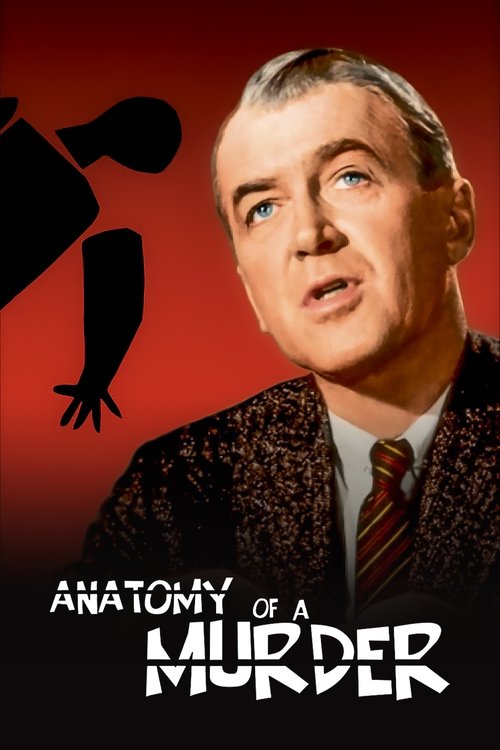
Anatomy of a Murder1959
A courtroom drama that unearths ugly truths about sex and violence in a small town. Like Suddenly, Last Summer, it's a mystery structured around what happened—and who's willing to say it aloud.
But It's long and procedural, weighted toward legal argument rather than atmosphere. If you're after visual elegance and psychological intensity, the approach is more dry and forensic.
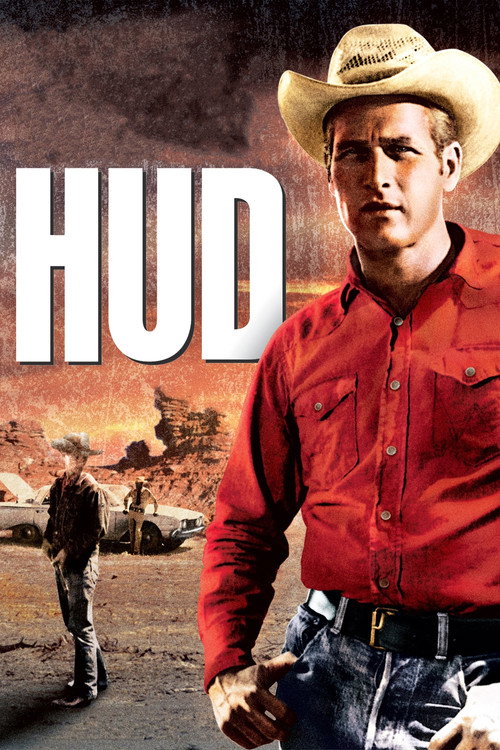
Hud1963
A young man's casual cruelty and moral emptiness laid bare. Paul Newman in a role of pure self-interest, surrounded by people he harms. Both films probe what happens when a charismatic person uses charm to wound.
But It's a character study rather than a thriller, and Hud is impossible to like. If you need some sympathy from your protagonist, this offers almost none.
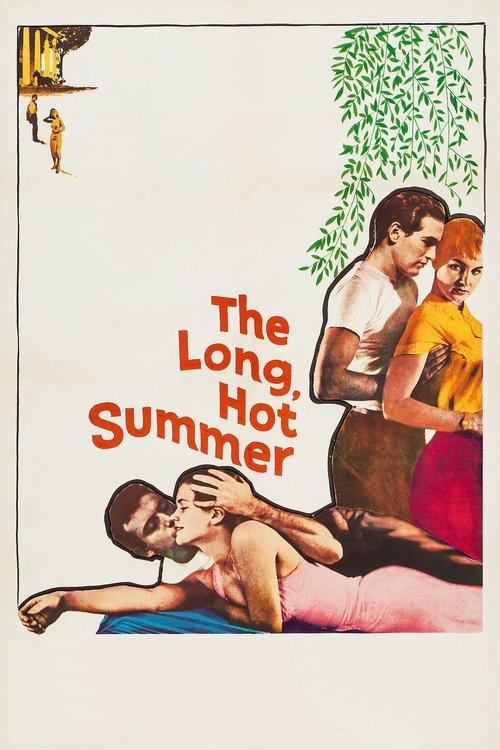
The Long, Hot Summer1958
Southern Gothic tension, family secrets, Paul Newman arriving to disrupt a closed world. The landscape is stifling, the morality murky, and the past inescapable—the same temperature as Suddenly, Last Summer.
But It diffuses its intensity across multiple storylines and doesn't build to the same kind of psychological crescendo. The tone is warmer and less claustrophobic.
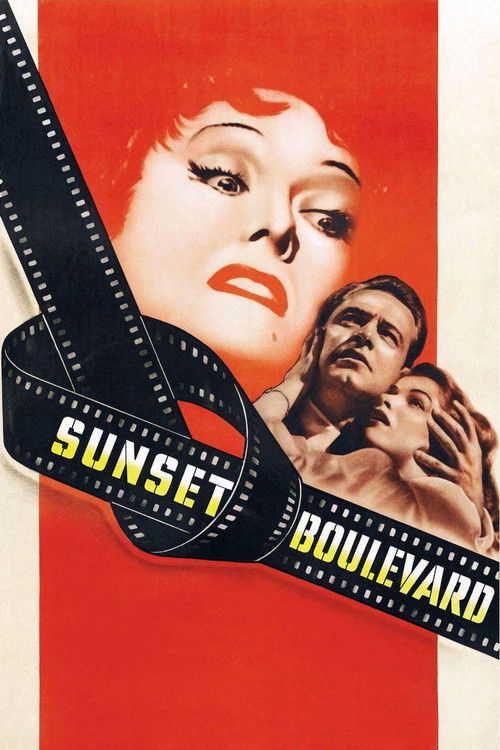
Sunset Boulevard1950
Both are psychological thrillers about the interior life of isolation—one focused on a family secret, one on the aftermath of fame—but Sunset Boulevard is what happens when the psychological becomes inescapable and inevitable.
A character study of obsession and denial set in a decaying mansion where the past exerts total control. Like Suddenly, Last Summer, it's about secrets, madness, and the performance of sanity. But it's also a noir—darker, more cynical, older. The atmosphere is suffocating in a completely different register.
But It's told in retrospect from beyond the grave, which requires you to sit with its bleak fatalism. If you want any sense of hope or redemption, this film will offer you nothing.
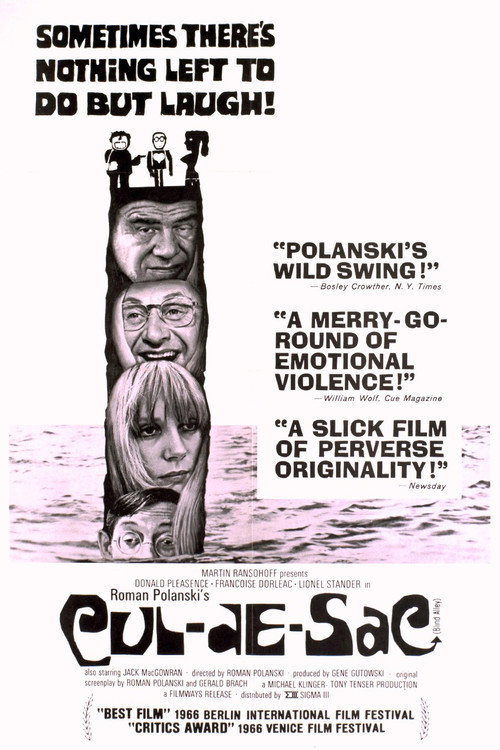
Cul-de-sac1966
Both trap characters in spaces where the truth of what happened is being actively suppressed or misunderstood by everyone around them, and both use that suppression to build toward psychological collapse.
Roman Polanski's chamber piece about four people trapped on a tidal island where the past and present collide violently. It has the same atmosphere of dread, the same sense of a closed world where behavior becomes increasingly irrational and dangerous. It's English and strange and builds toward something almost Shakespearean.
But It's European, the pacing is glacial, and it doesn't resolve so much as stop. Also, the violence is sudden and the film doesn't prepare you to care as much as Suddenly, Last Summer does before things break.
People
Cast
 Elizabeth TaylorCatherine Holly
 Katharine HepburnViolet Venable
 Montgomery CliftDr. Cukrowicz
 Albert DekkerLawrence Hockstader
 Mercedes McCambridgeGrace Holly
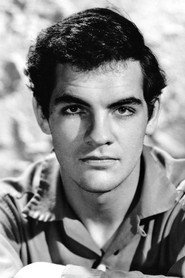 Gary RaymondGeorge Holly
 Mavis VilliersMiss Foxhill
 Patricia MarmontNurse Benson
 Joan YoungSister Felicity
- Maria BritnevaLucy
- Sheila RobbinsDr. Hockstader's Secretary
- David CameronYoung Blonde Intern
Directing
- Bluey HillAssistant Director
- Elaine SchreyeckContinuity
- Joseph L. MankiewiczDirector
- Jake WrightSecond Assistant Director
- Patrick ClaytonSecond Assistant Director
Writing
- Gore VidalScreenplay
- Tennessee WilliamsScreenplay
- Tennessee WilliamsTheatre Play
Production
- Roger GoodLocation Manager
- Sam SpiegelProducer
- Midge WarnesProduction Secretary
- Norma GarmentProduction Secretary
- Bill KirbyProduction Supervisor
Recommended by
A Streetcar Named Desire, The Snake Pit, Swoon, Cat on a Hot Tin Roof, Baby Doll, David and Lisa, Green for Danger, The Night of the Iguana, Reflections in a Golden Eye, Summer and Smoke, 'Tis Pity She's a Whore, East Side Story, The Amazing Mr. X, Signpost to Murder, The Chalk Garden, A Woman Rebels, The Killer Is One of Thirteen, The Alfred Hitchcock Hour