
Film
Reflections in a Golden Eye
- Drama
- Very dark
A gaudy, unsettling drama set on a Southern military base where desire and repression collide in strange ways. Elizabeth Taylor and Marlon Brando navigate a marriage corroded by infidelity and unspoken longings, while darker obsessions simmer beneath the surface. It's visually sumptuous and deeply uncomfortable—Carson McCullers adapted for the screen, all fever dreams and psychological claustrophobia. For viewers willing to sit with discomfort.
Should you watch it?
Watch it if you are drawn to chilly, stylised character studies where repression and desire simmer behind polished manners, and you don't need the story to explain itself.
Skip it if you want warmth or a clear plot to hold onto, since its people are deliberately cold and the mood stays cool and distant throughout.
What it asks of you: Just under two hours at a slow, deliberate pace, with few easy emotional handholds; it rewards close looking, watching faces and framing more than dialogue.
Not sure? Find tonight's pick in a minute.
If you liked this
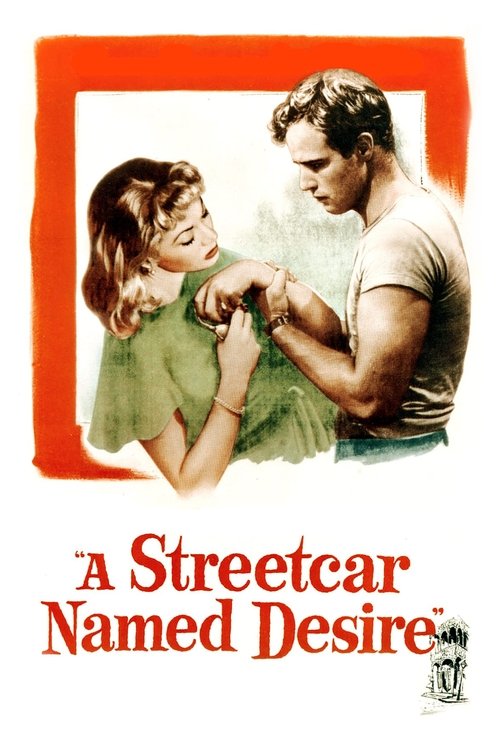
A Streetcar Named Desire1951
Brando's raw magnetism in another role built on desire and repression. Tennessee Williams' steamy Southern Gothic drama shares the same psychological intensity and willingness to make the audience squirm.
But The theatrical acting style can feel mannered to modern eyes, and it's a grueling watch about brutality and trauma.
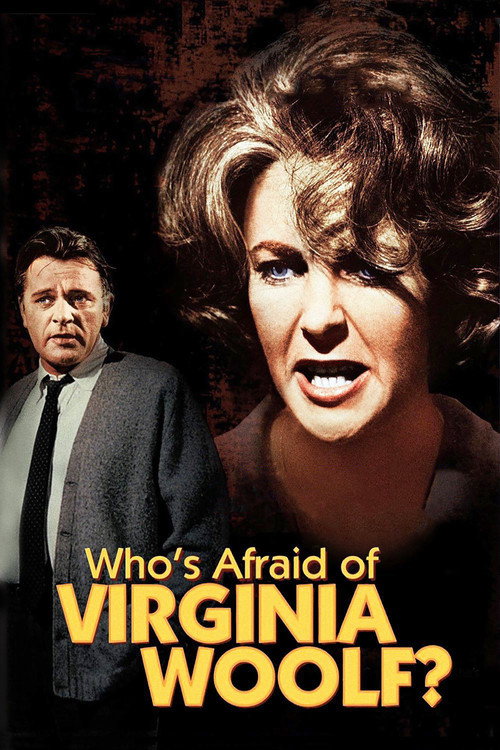
Who's Afraid of Virginia Woolf?1966
Another Taylor powerhouse examining a marriage corroded from within. Albee's dialogue and the performances create the same suffocating atmosphere of people trapping each other through words and resentment.
But It's almost entirely dialogue in one room. If you need plot momentum or visual variety, this will feel claustrophobic rather than gripping.
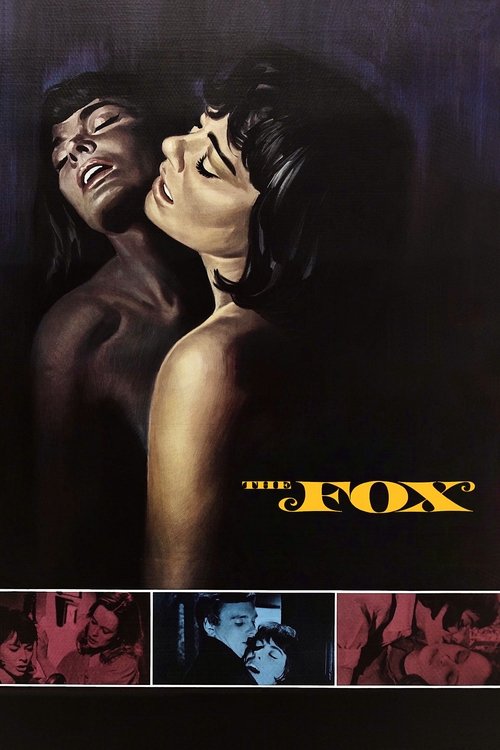
The Fox1967
Adapted from another McCullers novella, this explores desire and jealousy between women on a farm with the same psychological intensity and moral ambiguity. Released the same year, it shares the era's willingness to go strange.
But It's quite obscure, dated in its treatment of sexuality, and the ending divides people sharply on whether it's earned or exploitative.
Not sure tonight? Get a pick in a minute, starting from Reflections in a Golden Eye
The wildcard
Something you would not have found on your own.
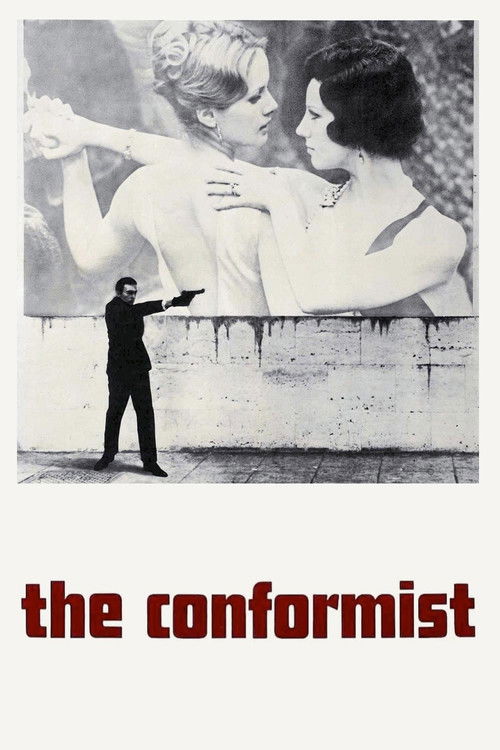
The Conformist1971
Both explore how repression of desire warps entire personalities and lives. Both believe that what we don't say is more important than what we do.
Bertolucci's masterpiece about a man whose desire and repression are politically and psychologically catastrophic. Visually gorgeous in a completely different way than *Reflections*, with a fractured narrative that mirrors the protagonist's fractured psyche.
But It's a challenging film about fascism and complicity that refuses easy answers. The sexual politics are complex and sometimes uncomfortable in deliberate ways. It requires active attention.
More like this (7)
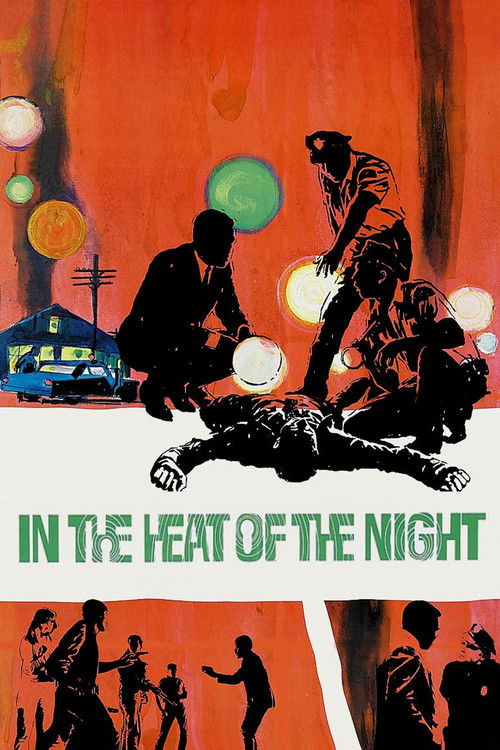
In the Heat of the Night1967
Another 1967 Southern drama that uses setting and social tension to create psychological pressure. Sidney Poitier and Rod Steiger in a claustrophobic cat-and-mouse game about race and authority.
But It's a straightforward thriller with less formal ambition than *Reflections*—more conventional in structure and less interested in pure atmosphere.
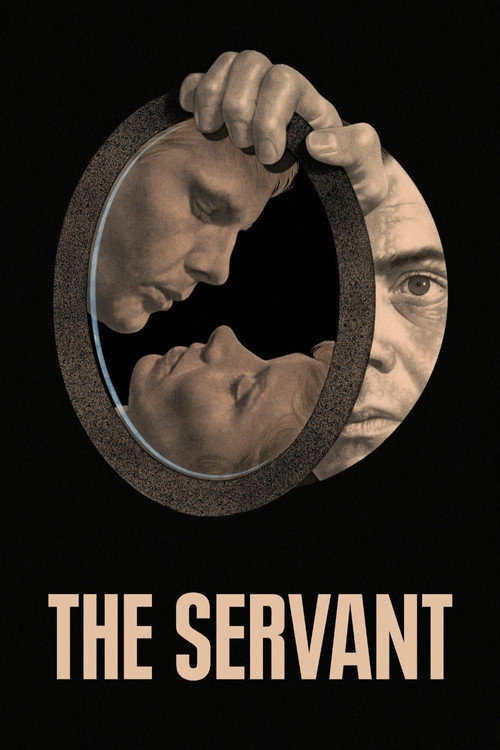
The Servant1963
A claustrophobic psychological drama where power dynamics between two men spiral into something sinister and undefined. Harold Pinter's adaptation shares the obsession with hidden desires and psychological games in confined spaces.
But It's slow, deliberately opaque, and withholding about what's actually happening—which is exactly the point, but it frustrates some viewers.
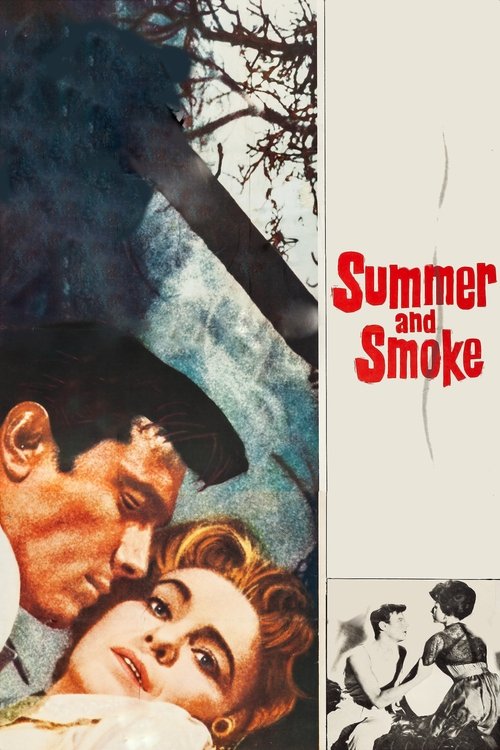
Summer and Smoke1961
Another Williams adaptation featuring Laurence Harvey and Geraldine Page in a sensual Southern Gothic drama about desire thwarted by propriety. It has the same lush visual style and focus on internal emotional decay.
But It's considerably less daring than *Reflections*, and some find it overly sentimental or dated in its approach to female sexuality.
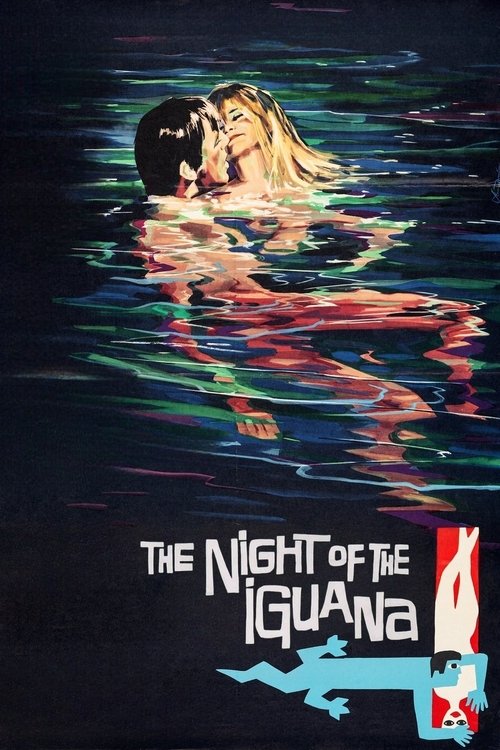
The Night of the Iguana1964
Williams again, with Richard Burton in a role about a man unraveling under the weight of his own desires and moral failure. Tropical setting, psychological intensity, and a cast slowly revealing their damage.
But It meanders structurally, and the moralizing about redemption can feel heavy-handed compared to *Reflections*' refusal to judge.
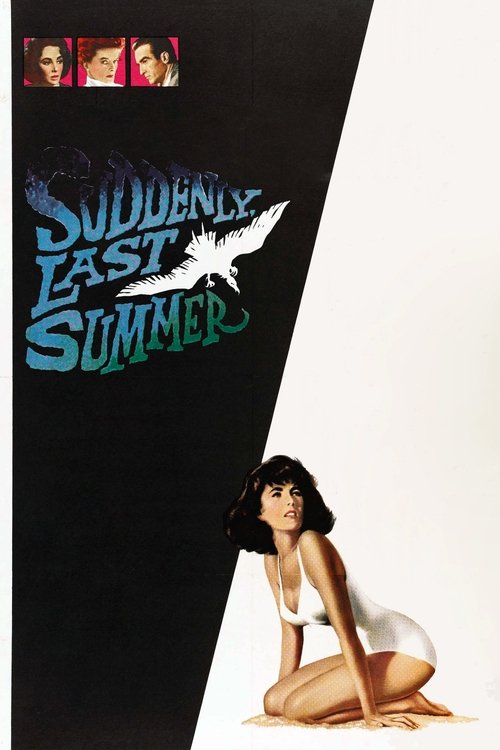
Suddenly, Last Summer1959
Tennessee Williams at his most perverse. Elizabeth Taylor in a claustrophobic Southern mansion, dark secrets about desire, and the kind of fevered psychological intensity that *Reflections* also embraces without apology.
But The coded gay tragedy and the treatment of sexuality feel dated, and some of the melodrama tips into camp in ways that undercut the drama's power.
The Killing Kind1974
A later B-movie that shares *Reflections*' interest in simmering resentment and sexual obsession in confined spaces. Less prestigious but equally interested in the weird psychology underneath ordinary surfaces.
But It's a genuine genre film without pretensions—rougher, cheaper, and less visually sophisticated than what you'd expect from a major studio drama.

Chungking Express1994
Both are about the gap between what people want and what they can actually have or say. Both make loneliness the central drama, and both are more interested in atmosphere than explanation.
Wong Kar-wai's neon-soaked Hong Kong film about loneliness and desire in the city. Completely different era and style, but shares *Reflections*' obsession with the psychology of attachment and the inability to communicate what we actually feel.
But It's a romance that refuses to resolve, shot in a deliberately artificial style that prioritizes mood over plot. If you need emotional payoff or narrative closure, you won't find it.

People
Cast
 Elizabeth TaylorLeonora Penderton
 Marlon BrandoMaj. Weldon Penderton
 Brian KeithLt. Col. Morris Langdon
 Julie HarrisAlison Langdon
 Zorro DavidAnacleto
 Gordon MitchellStables Sergeant
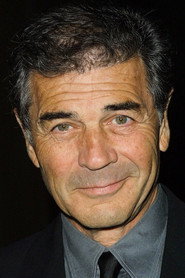 Robert ForsterPvt. L.G. Williams
 Jed CurtisAccordionist (uncredited)
 Harvey KeitelSoldier (uncredited)
 Al MulockPrivate (uncredited)
 Trent GoughSoldier (uncredited)
 Robert RiettiAnacleto (voice; uncredited)
Directing
- Edward FolgerAssistant Director
- Vana CarusoAssistant Director
- John HustonDirector
- Angela AllenScript Supervisor
Writing
- Carson McCullersNovel
- Chapman MortimerScreenplay
- Gladys HillScreenplay
Production
- C.O. EricksonAssociate Producer
- Sandy WhitelawAssociate Producer
- John HustonProducer
- Ray StarkProducer
- Mario Del PapaProduction Manager
- Frederick MullerUnit Manager
Recommended by
Suddenly, Last Summer, The Night of the Iguana, The Nightcomers