
Film
Summer and Smoke
Tennessee Williams' 1961 adaptation captures small-town Mississippi repression and desire with palpable tension. Alma, a prim spinster, and John, the dissolute doctor's son, orbit each other across a fence as social propriety and carnal longing collide. Visually sumptuous but emotionally suffocating—a film about the things people cannot say burning through their careful silences.
Should you watch it?
Watch it if you love stage-born dialogue that lets a repressed heart talk itself in circles, and you want performances that tremble with every unspoken want.
Skip it if you want brisk plotting or a light romance, since the talk runs long and the mood stays stubbornly wistful, with little forward momentum to carry you through.
What it asks of you: Nearly two hours of slow, talky scenes where feeling builds through lingering looks and florid speeches, so settle in and let the heat of the Mississippi summer set the tempo.
Not sure? Find tonight's pick in a minute.
If you liked this
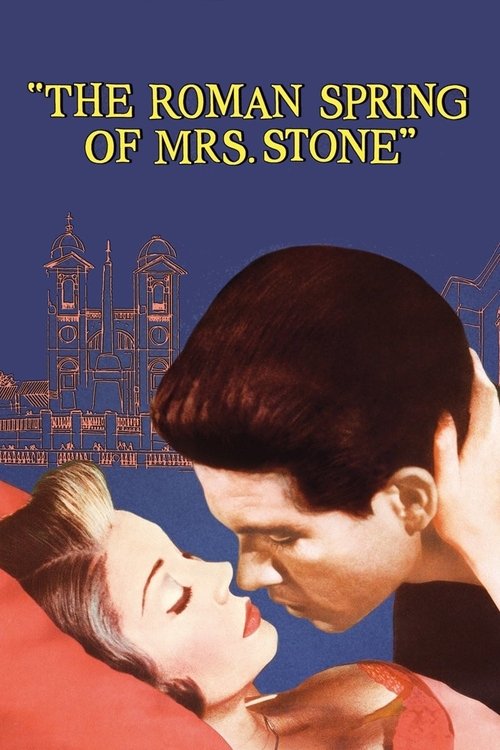
The Roman Spring of Mrs. Stone1961
Released the same year, this pairs Vivien Leigh and Warren Beatty in another Williams story about desire meeting age and circumstance. The same hothouse intensity, the same collision of respectability and hunger.
But Significantly slower than modern drama, with long scenes of characters simply looking at each other. The pacing asks patience.
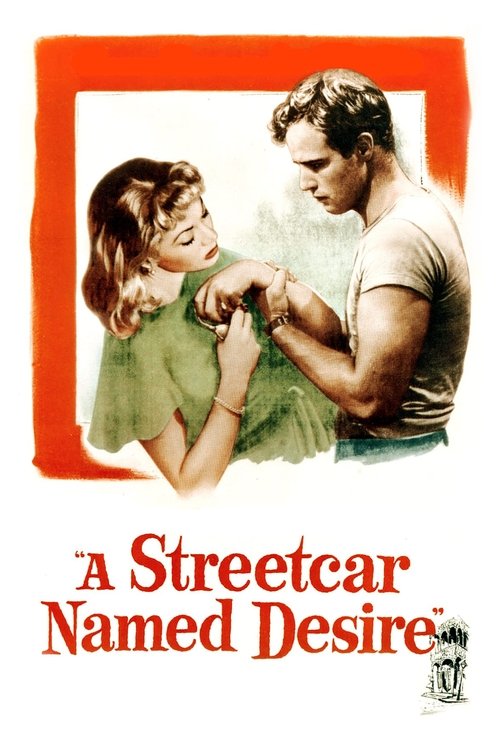
A Streetcar Named Desire1951
The definitive Williams adaptation. Brando's raw sexuality crashes against Vivien Leigh's fragility in a play about desire, class, and the impossibility of escape. This is Williams at his most powerful.
But The sexual violence and psychological cruelty are relentless and unflinching. It's difficult to watch in ways that aren't cathartic.
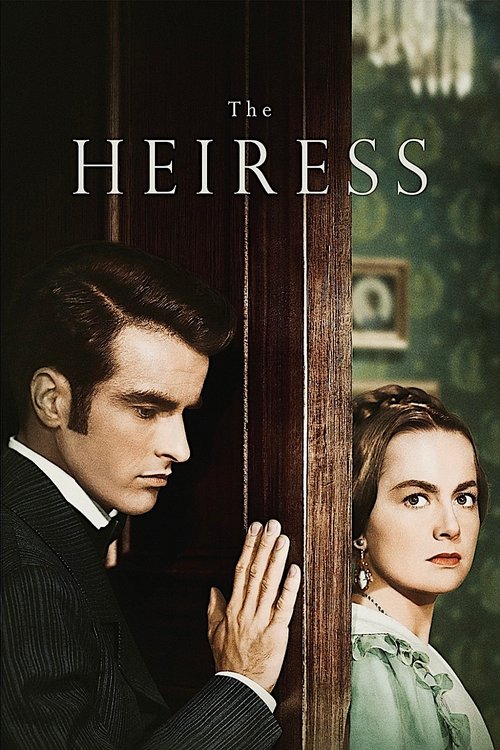
The Heiress1949
Another Henry James adaptation about a plain, wealthy woman and the man who may or may not love her. Olivia de Havilland's performance maps the same interior geography—hope, humiliation, slow hardening into self-protection.
But It's restrained where you might want eruption. The drama lives entirely in glances and what isn't said, which some find glacial.
Not sure tonight? Get a pick in a minute, starting from Summer and Smoke
The wildcard
Something you would not have found on your own.
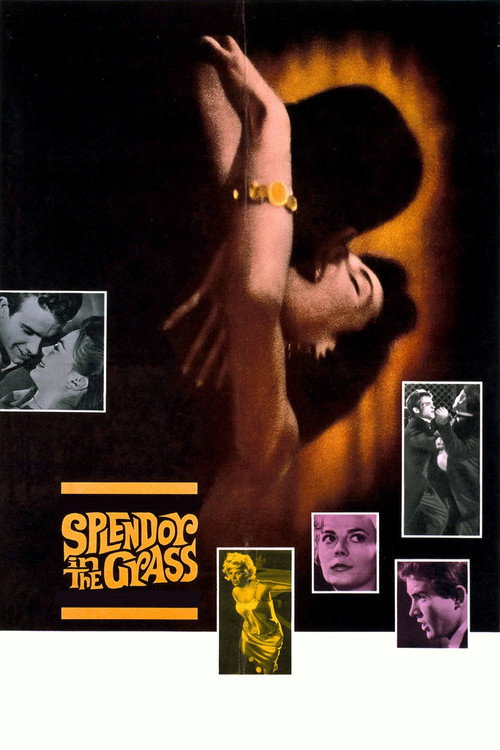
Splendor in the Grass1961
Both films examine desire curdled by social propriety in the same era and region, but Kazan shows what that constraint does to youth before it hardens into Alma's resignation. The inverse trajectory of the same tragedy.
Kazan's 1961 masterpiece about two young people destroyed by the sexual restrictions of their class and moment. Warren Beatty and Natalie Wood burn against those constraints with an intensity that makes Summer and Smoke look like a drawing room comedy.
But The ending pivots in a way some find defeatist or depressing. It doesn't resolve so much as simply stop.
More like this (8)
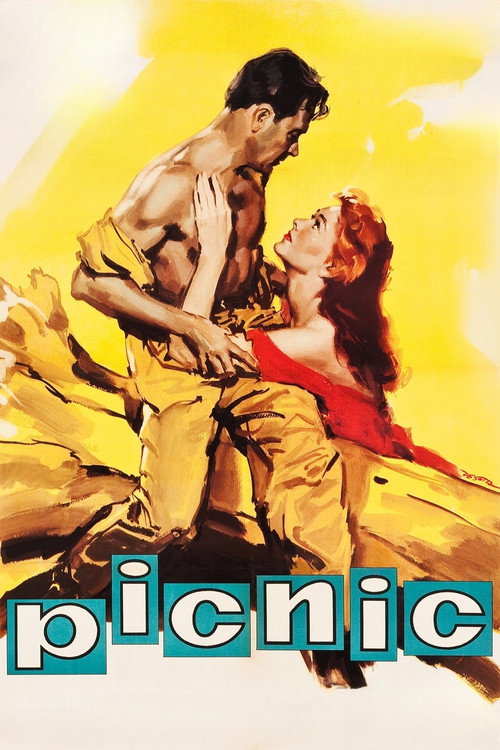
Picnic1955
Another small-town drama about desire arriving like weather in a place unprepared for it. William Holden's drifter upends the careful lives of women who've learned not to want. Achingly romantic and socially astute.
But The gender politics are of their time. Modern viewers may find the way it frames women's choices and autonomy uncomfortable.
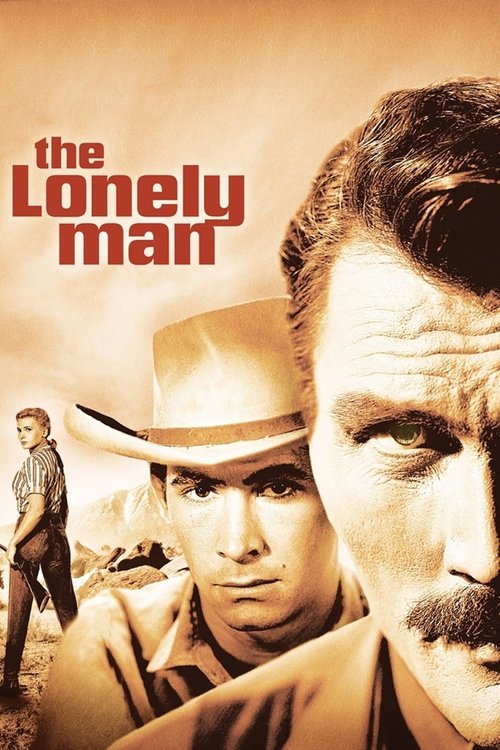
The Lonely Man1957
A quieter film about a man returning to his small hometown after prison, carrying the weight of past mistakes. Fonda and Perkins navigate shame and the impossibility of going home. Understated and genuinely moving.
But It's genuinely obscure and unglamorous. The drama is internal, the cinematography flat, the pace deliberate.
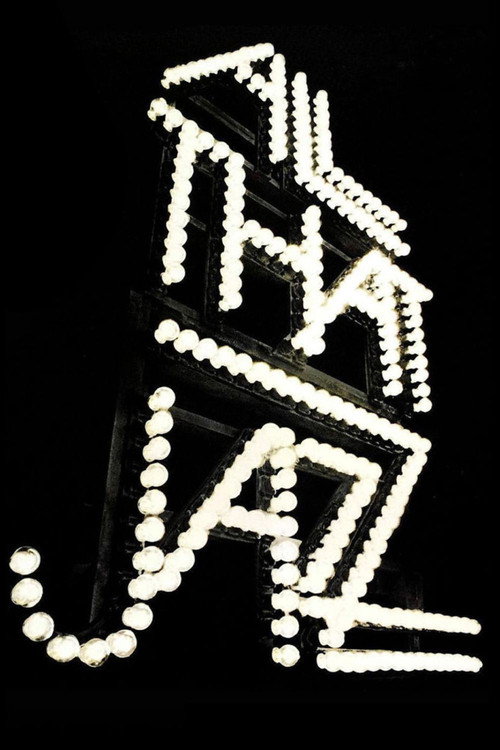
All That Jazz1979
Fosse's fever dream about a man dancing himself to death while barely feeling it. A baroque, furious film about desire, performance, and numbness—Williams' repression exploded into color and movement and chaos.
But It's deliberately ugly and self-punishing in its style. The subject matter includes infidelity, addiction, and existential despair presented without redemption.
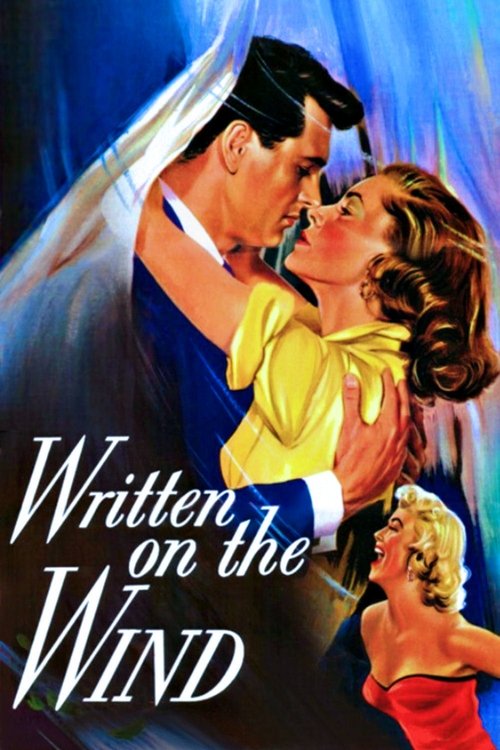
Written on the Wind1956
Douglas Sirk's melodrama about wealth, desire, and the beautiful people who destroy themselves. Technicolor excess wrapped around genuine heartbreak. Visual and emotional intensity that rewards close watching.
But It's deeply stylized in a way that can feel artificial. Sirk's camp is deliberate, which some mistake for the film not knowing what it is.
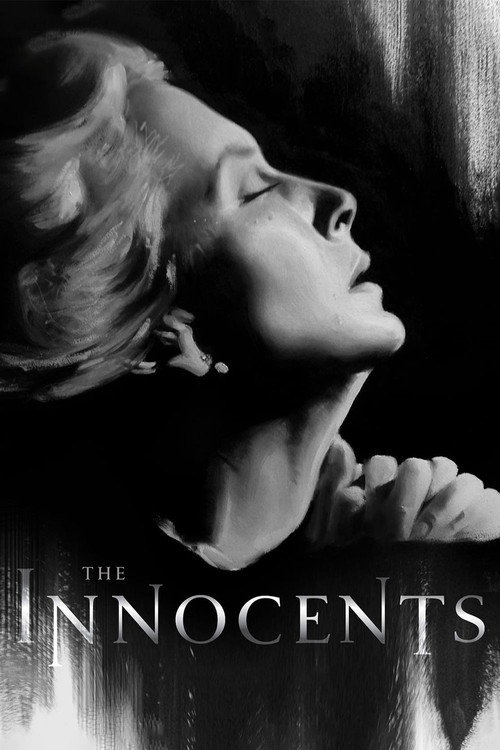
The Innocents1961
Released the same year, Deborah Kerr as a governess in an isolated house, uncertain whether she's protecting children or imprisoning them. Psychological claustrophobia and repressed desire creating an unbearable tension.
But Ambiguous in ways that frustrate viewers wanting answers. The horror is psychological and never fully resolved, which is the point and the problem.
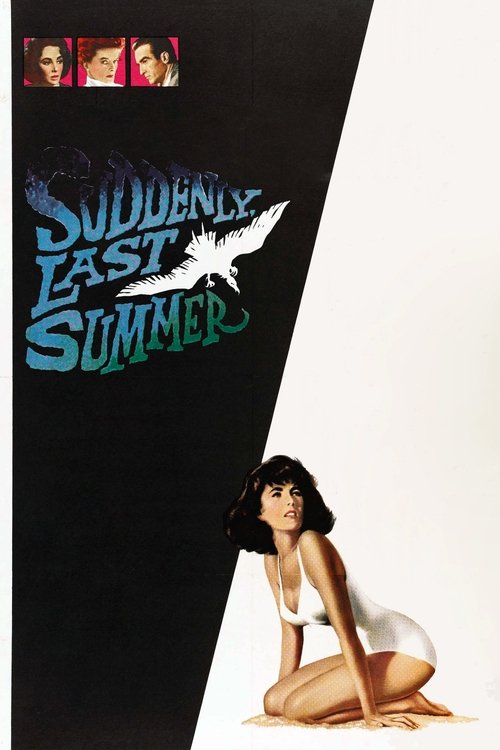
Suddenly, Last Summer1959
Another Williams adaptation with Elizabeth Taylor and Katharine Hepburn. A shocking, half-hidden past surfaces in a garden filled with Venus flytraps. Oblique, strange, and surprisingly transgressive for its era.
But The plot reveals feel artificial, and the symbolism is so heavy-handed it threatens to sink the film. Some of it hasn't aged well.
In the Mood for Love2000
Same emotional engine—two people orbiting each other across an impossible divide, desire made almost unbearable by what cannot be said or done. But rendered as visual poetry rather than Southern Gothic, in a radically different key.
Wong Kar-wai's ravishing Hong Kong film about two neighbors who discover their spouses are having an affair—and slowly, torturously, fall in love themselves. The entire film is yearning expressed through gesture, color, and refusal to touch.
But Nothing happens. If you need plot or dialogue to hold your attention, the film will feel like a very beautiful waste of time.

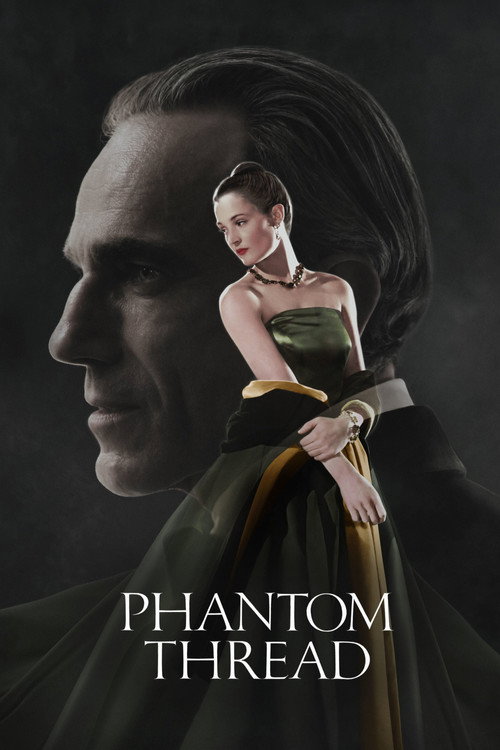
Phantom Thread2017
Like Summer and Smoke, a meditation on how desire can trap you in a role, and how that trap can feel like love. But where Williams sees tragedy in repression, Anderson suggests entrapment might be chosen, which is somehow more troubling.
Paul Thomas Anderson's intricate psychological drama about a designer and the woman he draws into his orbit. Slow, sensual, unsettling—watching someone's autonomy quietly dissolve while wrapped in beauty and precision.
But The relationship is fundamentally uncomfortable and the film doesn't judge it or resolve it neatly. Some find the work required to sit with ambiguity exhausting.
People
Cast
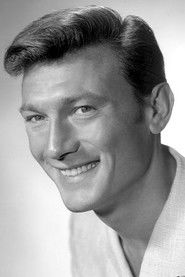 Laurence HarveyJohn Buchanan Jr.
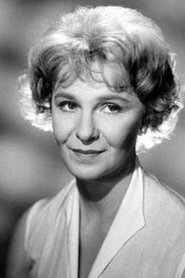 Geraldine PageAlma Winemiller
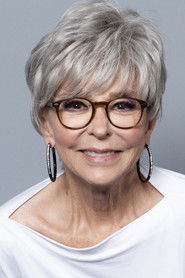 Rita MorenoRosa Zacharias
 Una MerkelMrs. Winemiller
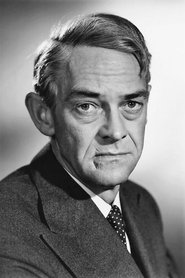 John McIntireDr. Buchanan
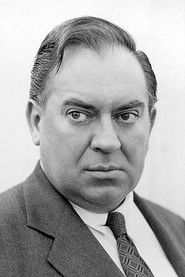 Thomas GomezPapa Zacharias
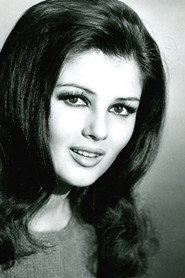 Pamela TiffinNellie Ewell
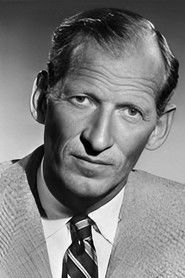 Malcolm AtterburyRev. Winemiller
 Lee PatrickMrs. Ewell
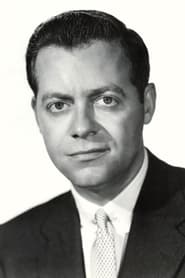 Max ShowalterRoger Doremus
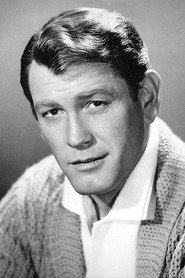 Earl HollimanArchie Kramer
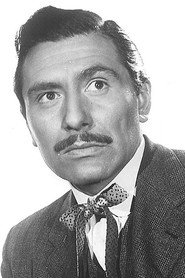 Rico AlanizKnife Thrower (uncredited)
Directing
- James A. RosenbergerAssistant Director
- Michael D. MooreAssistant Director
- Peter GlenvilleDirector
Writing
- James PoeScreenplay
- Meade RobertsScreenplay
- Tennessee WilliamsTheatre Play
Production
- Paul NathanAssociate Producer
- Hal B. WallisProducer
- Richard BlaydonUnit Production Manager
Recommended by
Reflections in a Golden Eye, The Sarah Silverman Program, In the Cool of the Day